A sign is an assembly. A face, a return, a backing, a light source, a mounting method, and a finish — and the customer judges all of it from a metre away, in daylight and again at night.
That framing matters because it changes what the laser is for. The machine does not make the sign. It makes the two-dimensional parts of the sign: letter faces, letter backs, returns cut flat and formed, diffuser panels, backing plates, and installation templates. Everything the customer actually sees is decided by how those parts are joined, lit and mounted.
Sign shops that get this right treat the laser as a parts engine and design around its strengths: repeatable outlines, clean edges, and the ability to change a layout without changing tooling. Shops that get it wrong buy a machine expecting it to produce finished signs, then discover that the money is in the assembly jigs, the bonding, and the lighting.
Most sign businesses run all four, in that order of frequency. The first two are where a laser pays for itself fastest, because they replace outsourced letter fabrication or hand work. The third is where the volume is. The fourth is almost free to add and is the one customers notice least and appreciate most, because it removes site mistakes.
A flat cut acrylic letter has no hiding place. The cut edge is the visible thickness of the letter, and it is read against a wall or a backing panel at close range.
Three things decide whether that edge looks right.
Material choice comes before settings. Cast acrylic machines to a cleaner edge and holds its shape; extruded acrylic is more prone to a gummy edge and to stress cracking later. On a sign that will be cleaned and handled for years, that difference shows up as haze and fine cracks, not as a bad cut on day one.
Mask, cut, then decide about the edge. Leaving the protective film on through cutting protects the face from debris and scorch. Removing it afterwards leaves a matte cut edge; a quick flame or vapour polish turns that into the glossy edge most retail signs use. The polish is a separate skill and a separate fire risk, and it should be quoted separately.
Kerf is not a rounding error on letters. A small letter's outline moves inward by half the kerf on every side, so tight counters — the inside of an "a", "e", "R" — close up before the outer shape looks wrong. On fine letterforms, test the actual material and correct the outline rather than accepting a letter that reads heavy.
Fabricated letters — the deep, three-dimensional kind used on reception walls and building fascias — are made from a face and a return strip. The return is what gives the letter its depth, and it is usually cut flat from sheet and then formed.
This is the job where the laser's accuracy matters most, because the return length has to match the face perimeter. Cut the face and the return from the same vector, from the same sheet, in the same pass, and they fit. Cut them from different revisions of a drawing and the letter will not close.
Whatever the method, the assembly jig is the real production asset. A shop that cuts a matching template for each letter family can bond returns in minutes and repeat the job next month; a shop without one re-measures every time. Cutting that template costs a few minutes on the same machine.
On a backlit panel or light box, the laser does two jobs that are judged together: it cuts the shape, and it defines the edge that light passes through.
The cut edge is a light path. A matte cut edge scatters light; a polished edge transmits it and produces the bright outline that edge-lit signs depend on. The same panel with the same LEDs can look completely different depending on which edge finish was chosen, so the finish is a design decision, not a cleanup step.
Illumination evenness is a lighting problem, not a cutting problem. Hotspots come from LED spacing and diffusion distance, not from the toolpath. If a face shows bright dots, moving the LEDs or increasing the gap between LED and face fixes it; recutting the panel does not.
Thick material changes the edge colour. In thick acrylic the cut edge takes on a slightly warmer tone than the face, which is normal and usually desirable on signs — but it must be expected, not discovered on installation day. Cutting a sample edge and lighting it before committing to a batch is the cheap way to settle this.
Diffusers are a separate material decision. Opal and diffusing acrylics do not behave like clear stock: they scatter the beam and cut differently, and they are more sensitive to heat build-up on intricate outlines. Treat them as their own material, not as clear acrylic in another colour.
Printed faces are the norm in retail signage: a graphic printed on film or on the back of clear material, then cut to the panel outline. The problem is that print stretches, and the cut does not.
Two working approaches dominate. Cut after print uses registration marks and a camera or a jig to align the toolpath with the printed artwork, which absorbs print stretch but requires marks on every sheet. Cut before print relies on the printer being accurate enough to match a pre-cut blank, which is faster but leaves no margin for error.
Where a graphic has to align tightly with a cut outline — a printed background with a letterform cut through it, for example — the alignment tolerance is decided at the design stage, not at the machine. A bleed or an overlap built into the artwork hides small errors; a design that requires perfect alignment exposes every one of them.
The PVC foam board row needs to be stated plainly, because PVC foam board is one of the most common sign materials in the world and it is routinely cut on CO2 machines in shops that have not thought it through. Laser cutting PVC produces hydrogen chloride, which combines with moisture to form hydrochloric acid: it attacks the machine's optics, rails and electronics, and it is a serious respiratory hazard. Any shop cutting it needs dedicated extraction rated for the gas, an enclosure, and a real assessment of whether the job is worth the machine's life. Mingxing Laser's position is simple — if a shop intends to cut PVC in volume, that decision should be made deliberately and with the right equipment, not discovered by accident.
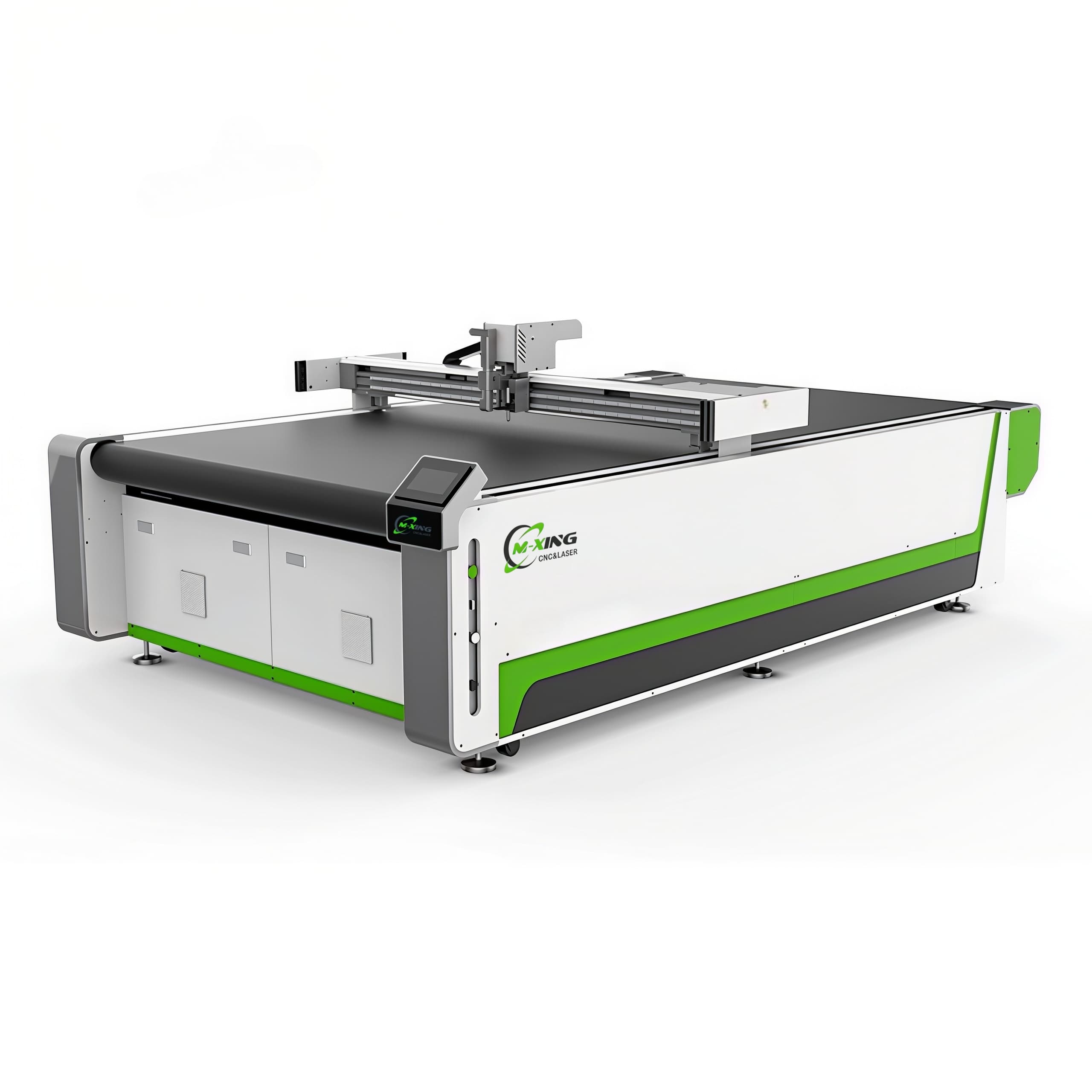
Aluminium composite is the other trap. The polyethylene core cuts; the aluminium skins do not. The result is a ragged edge, reflected energy, and a panel that looks unfinished. Panel signs belong on a router or a waterjet, and a shop that buys a laser expecting otherwise will be disappointed in the first week.
A single reception sign is a craft job: one sheet, one layout, generous margin, hand finishing. A retail rollout is a manufacturing job: the same 200 letters in the same positions, month after month, with the tenth batch indistinguishable from the first.
The laser serves both, but the workflow does not transfer. For one-offs, the priorities are fast nesting and minimal waste, because the sheet cost is small and the design time dominates. For batches, the priorities are repeatability and material yield: a fixed nest that never changes, remnants catalogued by size, and jigs that locate parts the same way every run.
The remnant habit is worth more than it sounds. Sign shops generate large, usable offcuts constantly, and a shop that logs them by size and nests against them first can cut its sheet consumption noticeably without changing anything else. The kerf and nesting guide covers the mechanics; the discipline is the sign shop's own.
Sign work is inspected at close range by people who did not pay for it, so small defects become the whole conversation.
Sign shops have a narrower requirement set than general fabricators, which makes the choice easier.
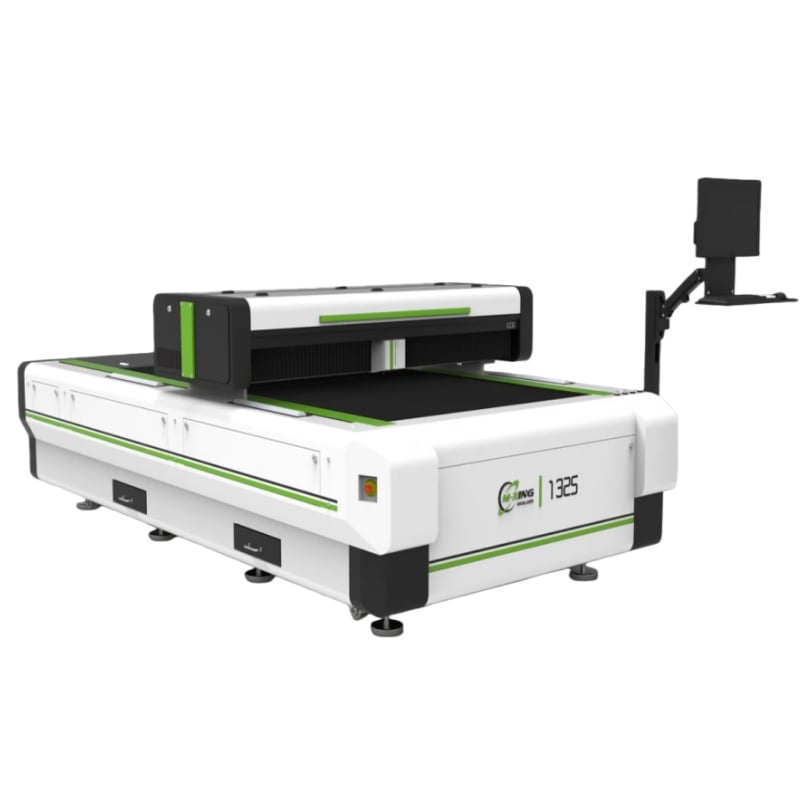
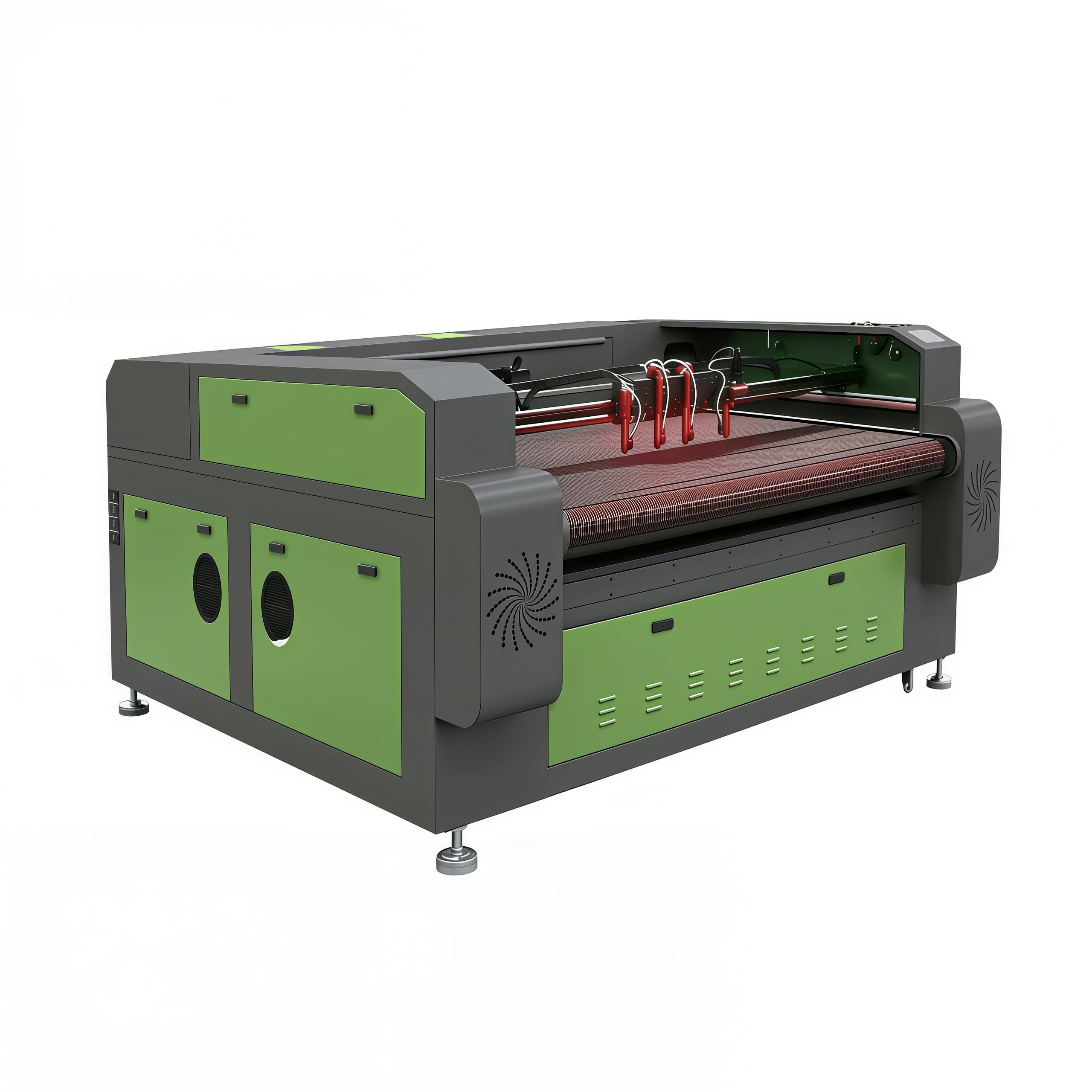
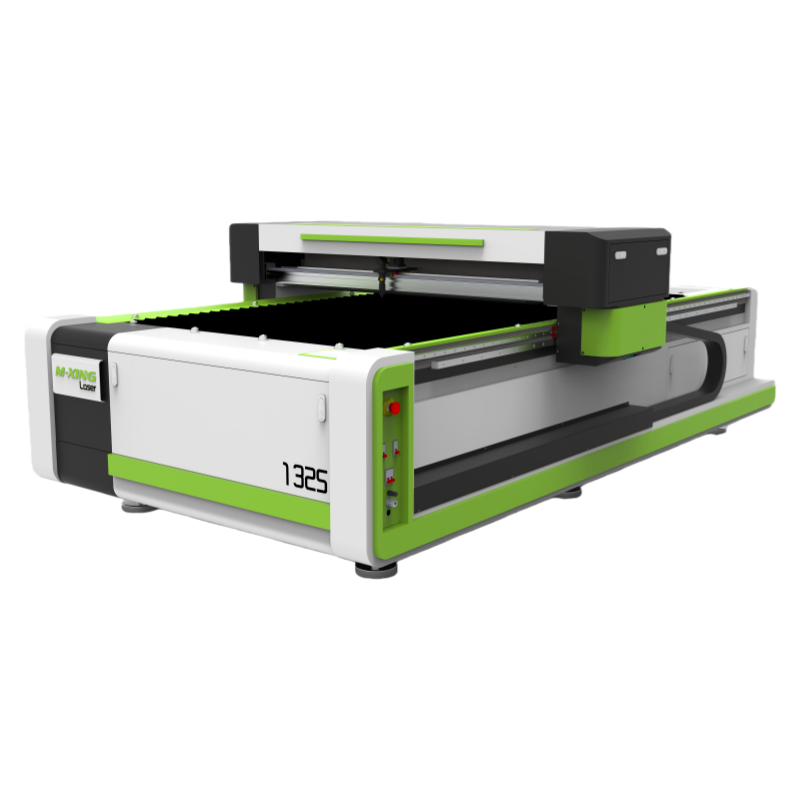
Bed size should match the sheet, not the sign. Sign acrylic arrives in standard sheets, and a machine that takes a full sheet without pre-cutting saves both material and handling. The 1325 format handles full-size sheets and large single panels; the 1390 and 1610 formats suit smaller shops and letter work; the 6090 format suits sample and small-letter production.
Power should follow the thickest routine job. Thick acrylic for built-up letters cuts very differently from thin faces, and a machine sized only for thin stock will either refuse the thick work or produce an edge that needs heavy polishing. Sign shops are better served by capacity that covers the deep letters they actually quote.
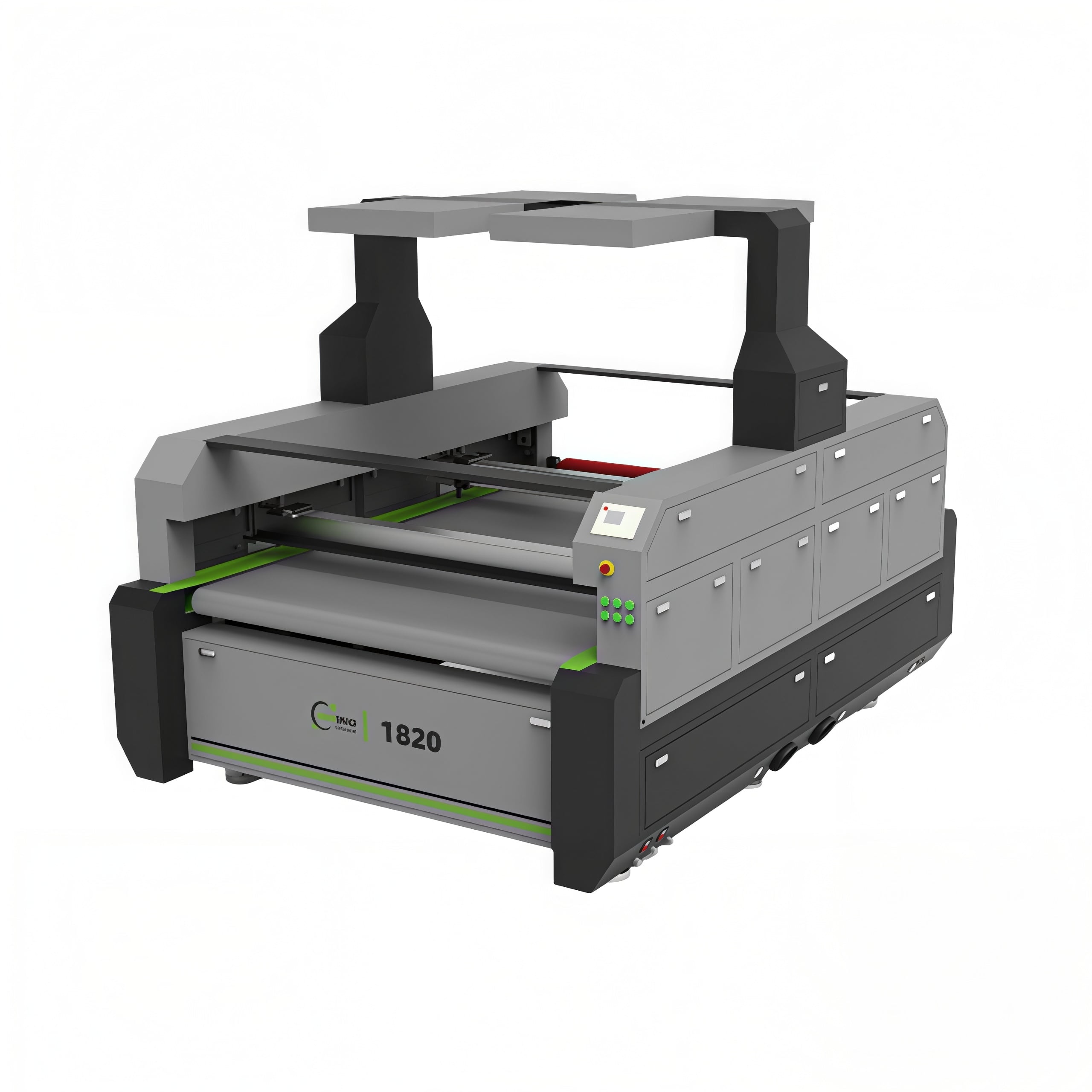
A camera option changes what jobs are quotable. With registration, printed-face work and cut-to-print alignment become routine rather than skilled, and the camera also supports nesting into remnants and recovering outlines from an existing panel. For a shop doing retail graphics, this is often the option that decides the machine.
Dual heads and auto-feeding matter for letter batches. Two heads roughly double output on identical parts, which is exactly the retail rollout pattern; auto-feeding keeps a long unattended run going. Neither helps a shop that makes one sign a day, and both help a shop that makes the same sign fifty times.
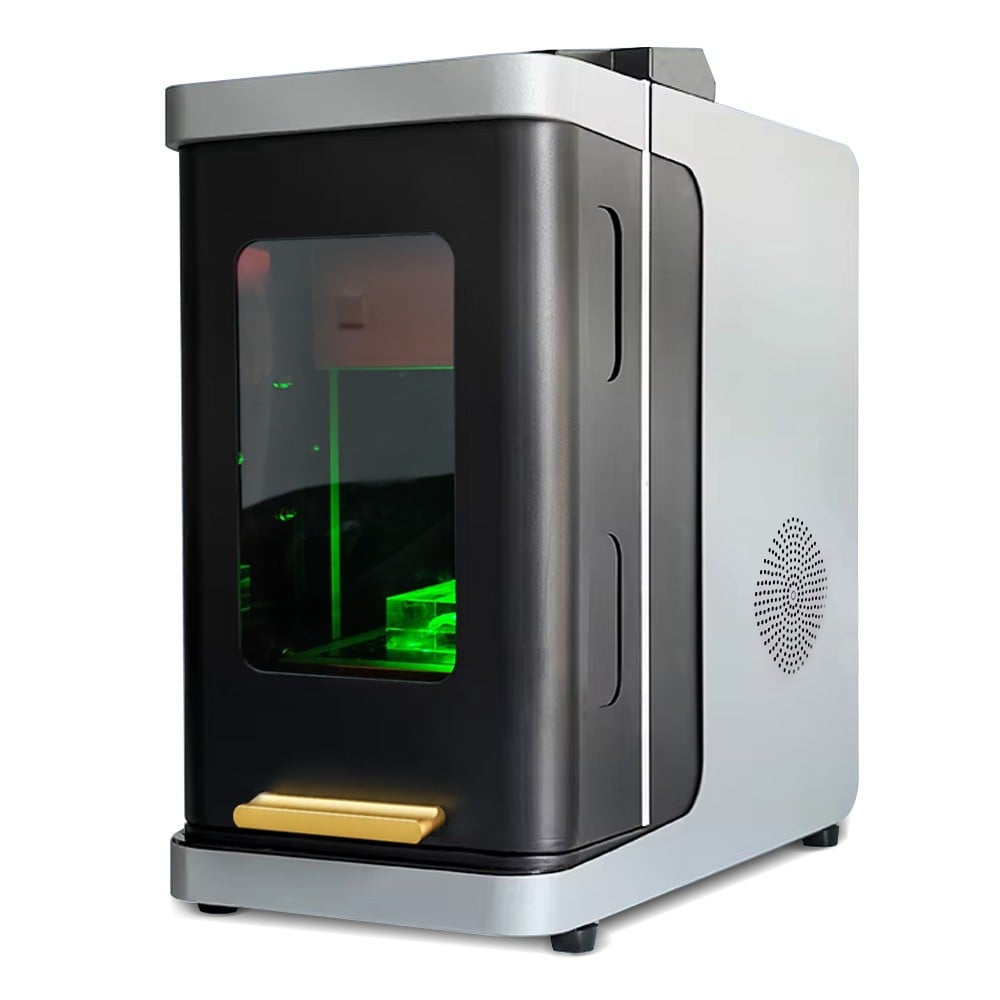
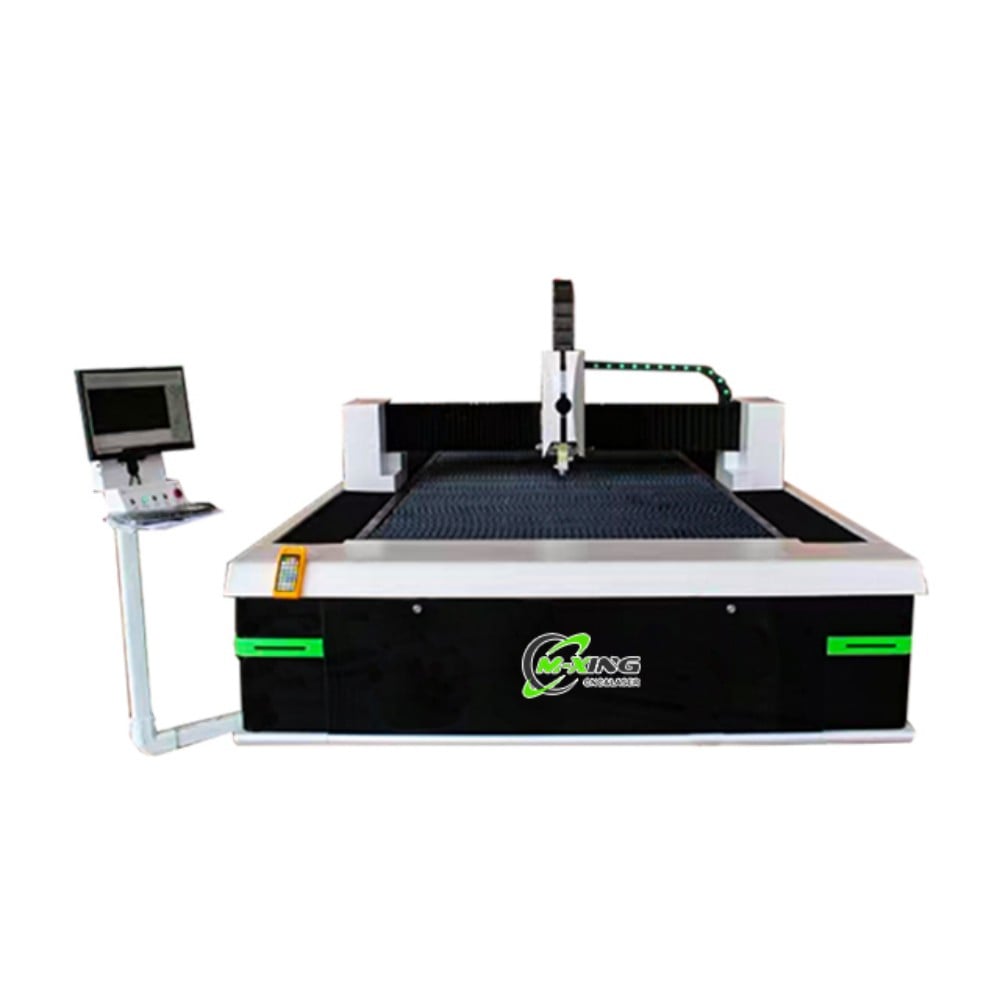
Mingxing Laser builds CO2 systems across the 6090, 1390, 1610 and 1325 formats, with dual-head, camera positioning and auto-feeding options for production signage work — which is a way of saying the configuration should follow the job mix, not the catalogue.
The signage industry is one of the best fits for a CO2 laser because the value is concentrated in flat parts with hard outlines, in materials the machine handles well, and in a market that pays for speed and repeatability rather than for tonnage.
The shops that profit from it understand three things. The sign is an assembly, so the jig and the joint matter as much as the cut. The edge is the product, so material grade and edge finishing belong in the quote. And batch work is a manufacturing discipline, so fixed nests and logged remnants beat clever one-off layouts.
Get those right and the machine stops being a cutter and becomes the part of the business that lets a sign shop quote work it used to outsource — which is where the margin actually sits.
 Hot News
2026-02-05
2026-02-03
2025-12-01

Mingxing Laser is a leading China-based laser machine manufacturer offering CO2 laser cutters, fiber laser cutting machines, CNC routers, laser welders & marking machines. OEM/ODM custom solutions available. Get a quote today!
- Company Headquarters: Room 1303, Building 4, UnitedFortune Plaza, High-tech Zone, Jinan City, Shandong Province, China
- Manufacturing Plant: No. 18, Yinhe Road, Jibei Street, Jiyang District, Jinan City, Shandong Province, China
Copyright © 2026 Century Mingxing (jinan) Intelligent Technology Co., Ltd. All rights reserved. Privacy Policy

 EN