wood cnc machine price
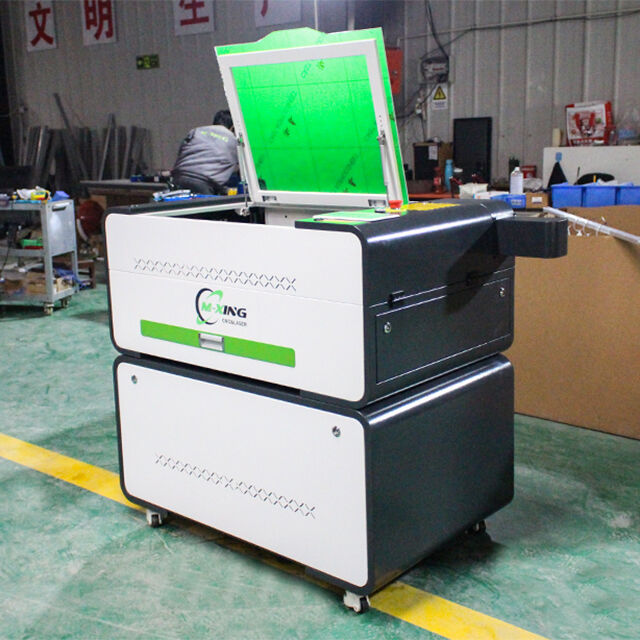
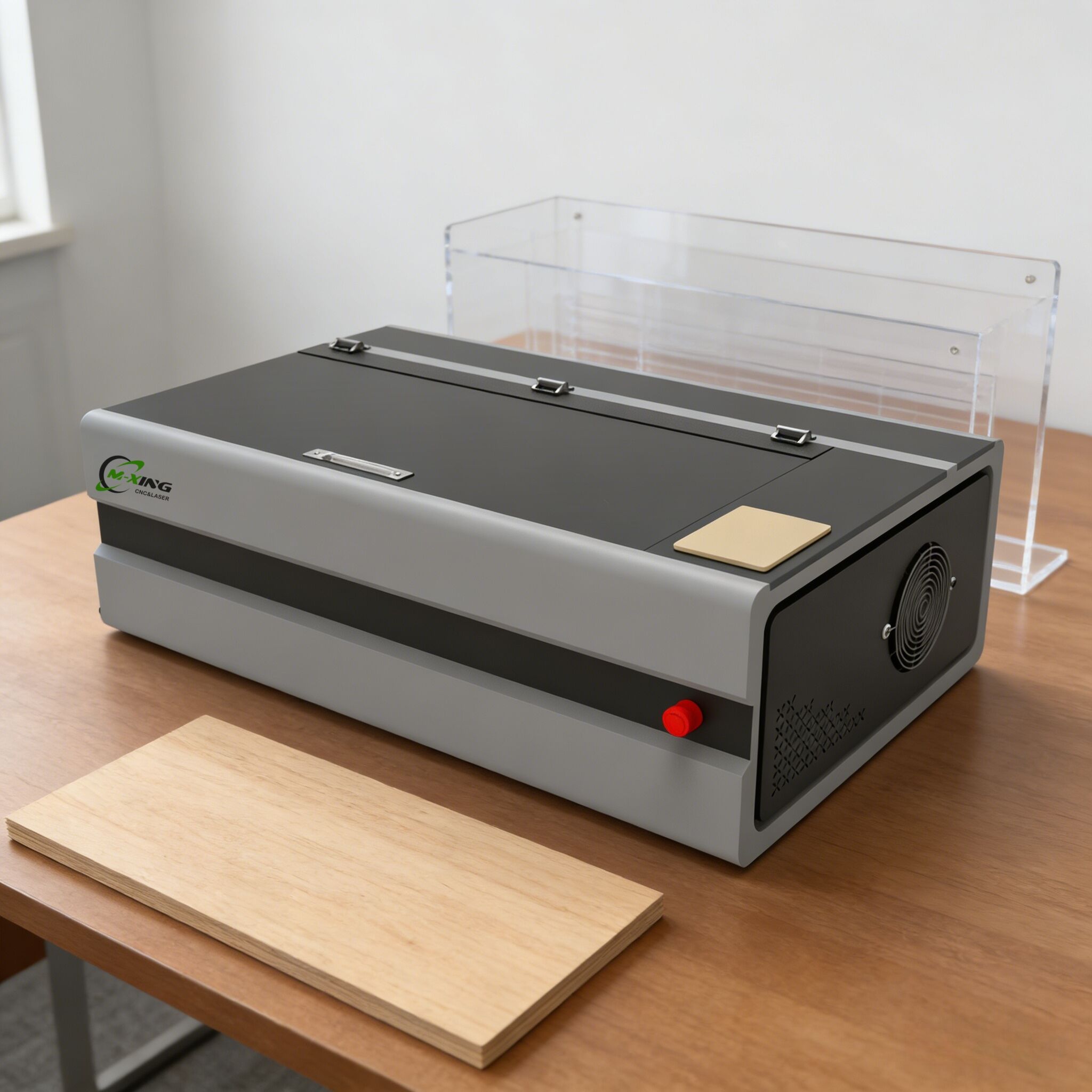
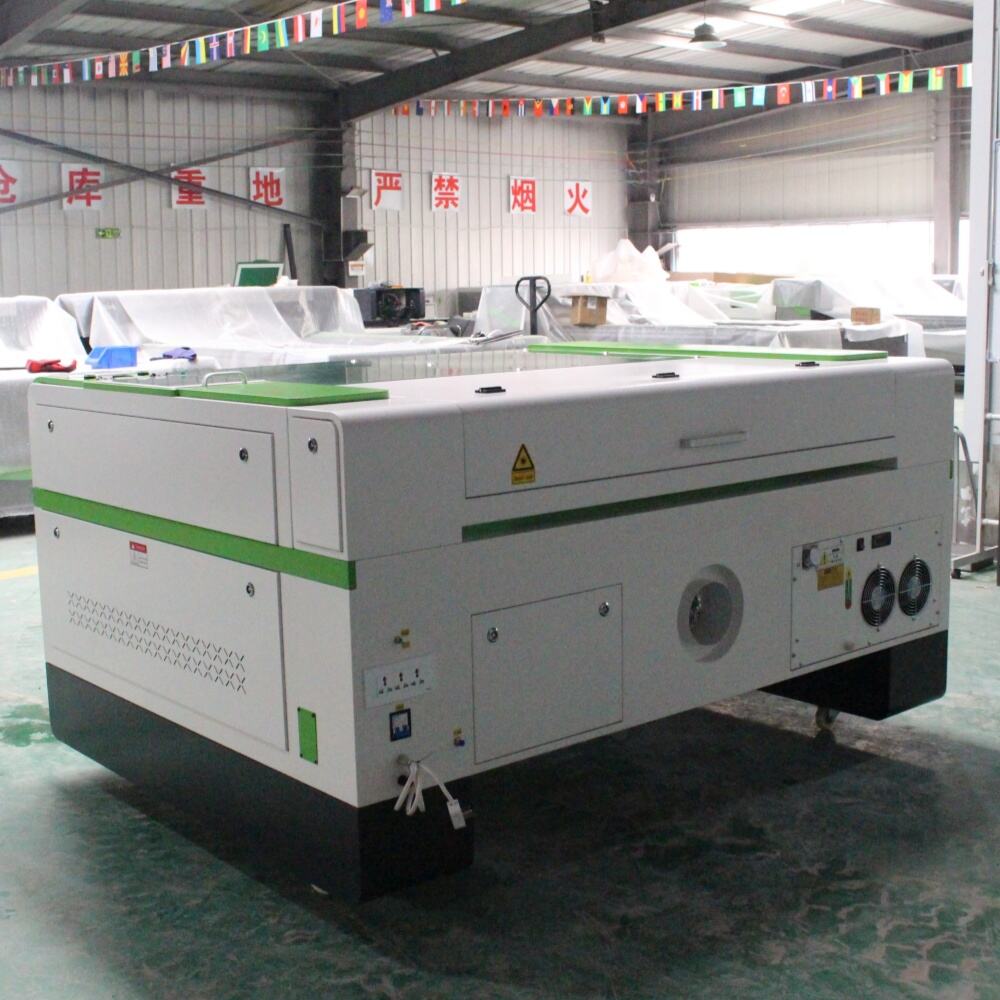
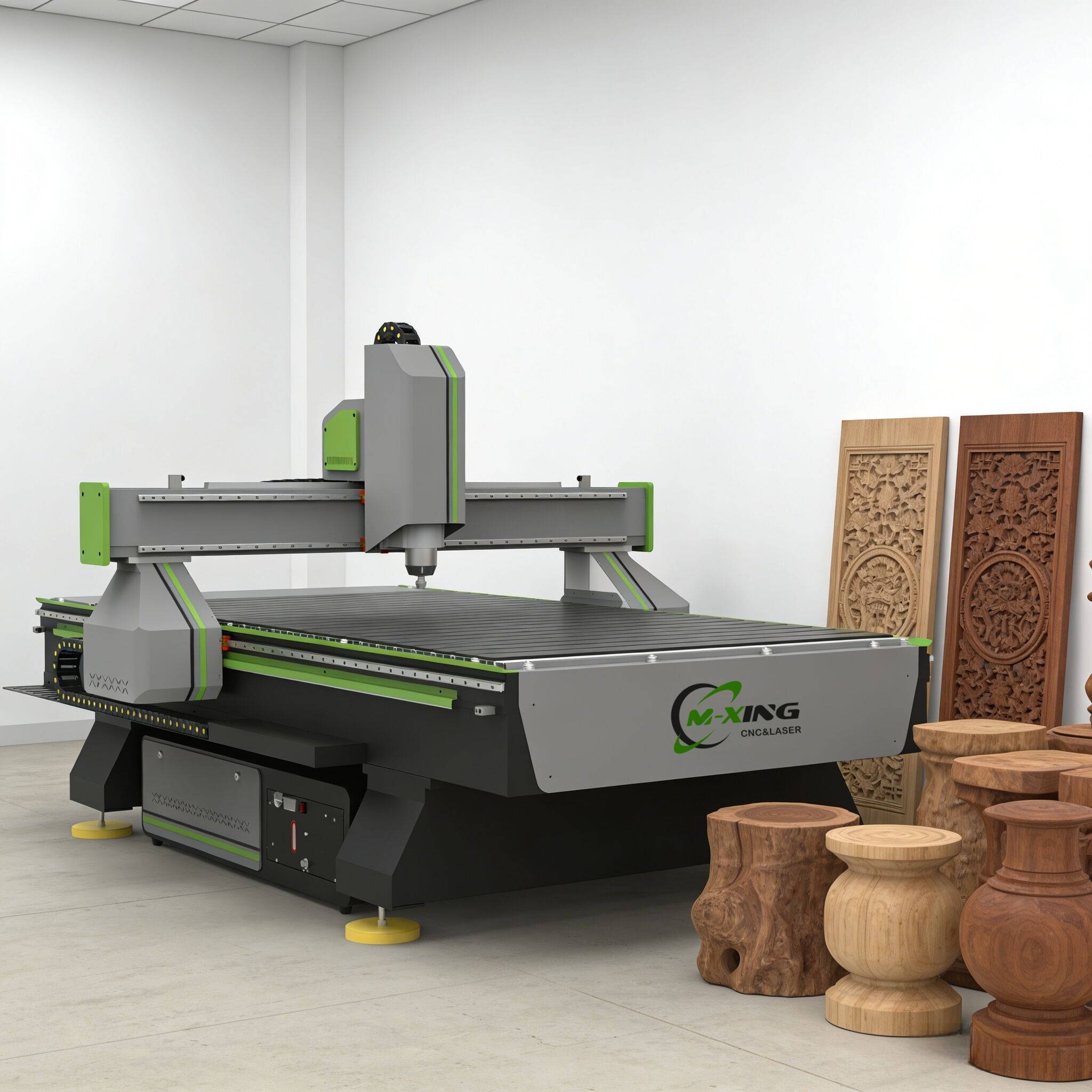
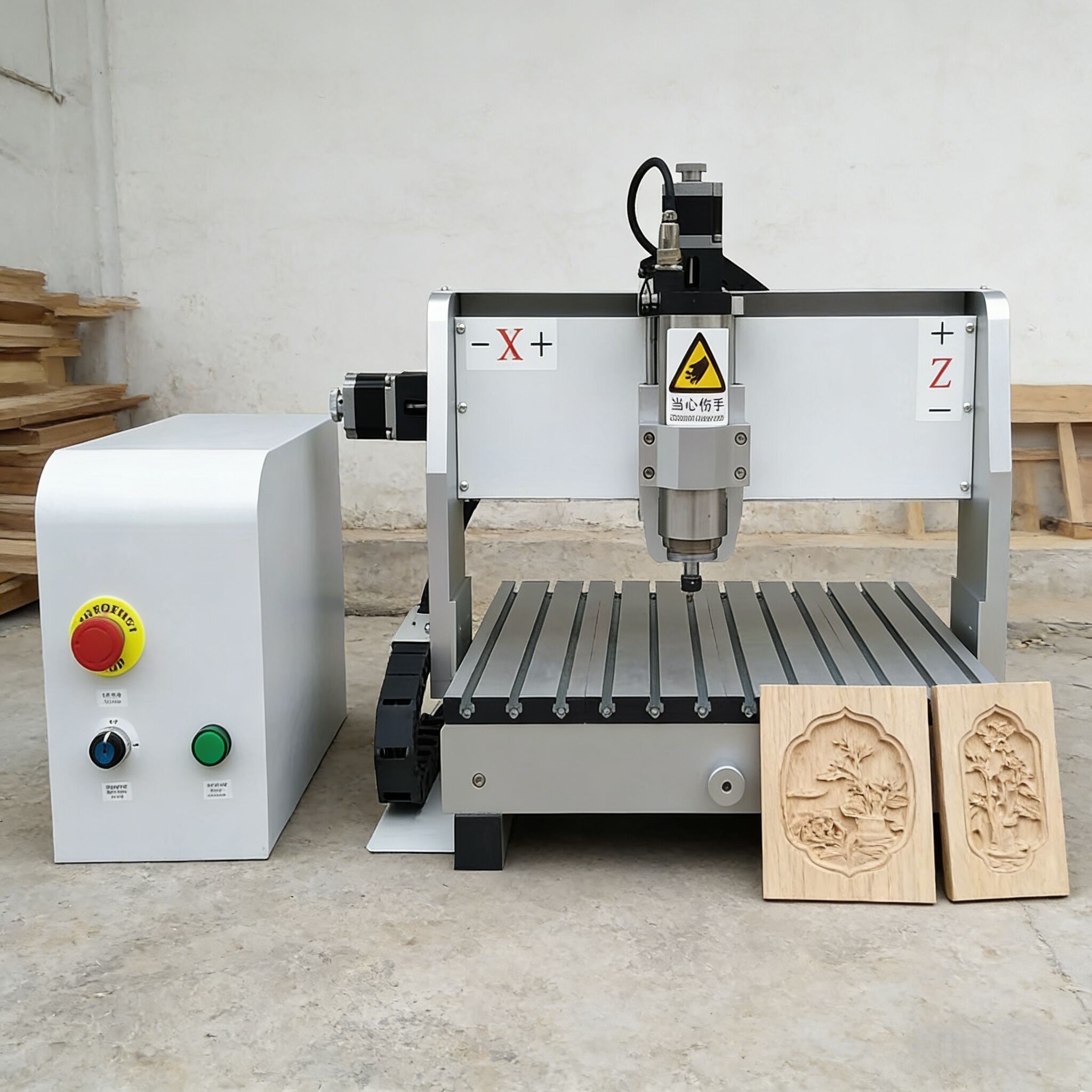
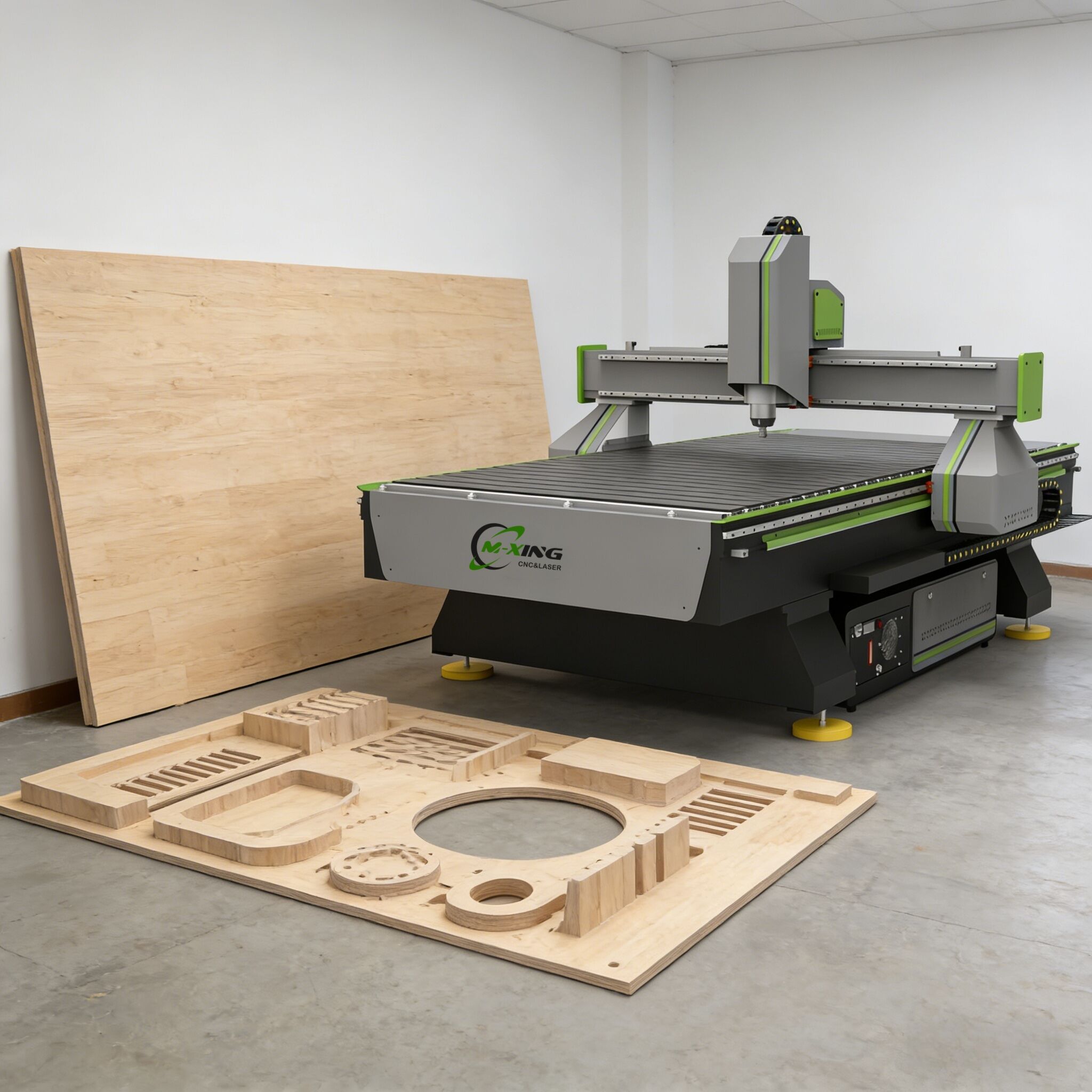
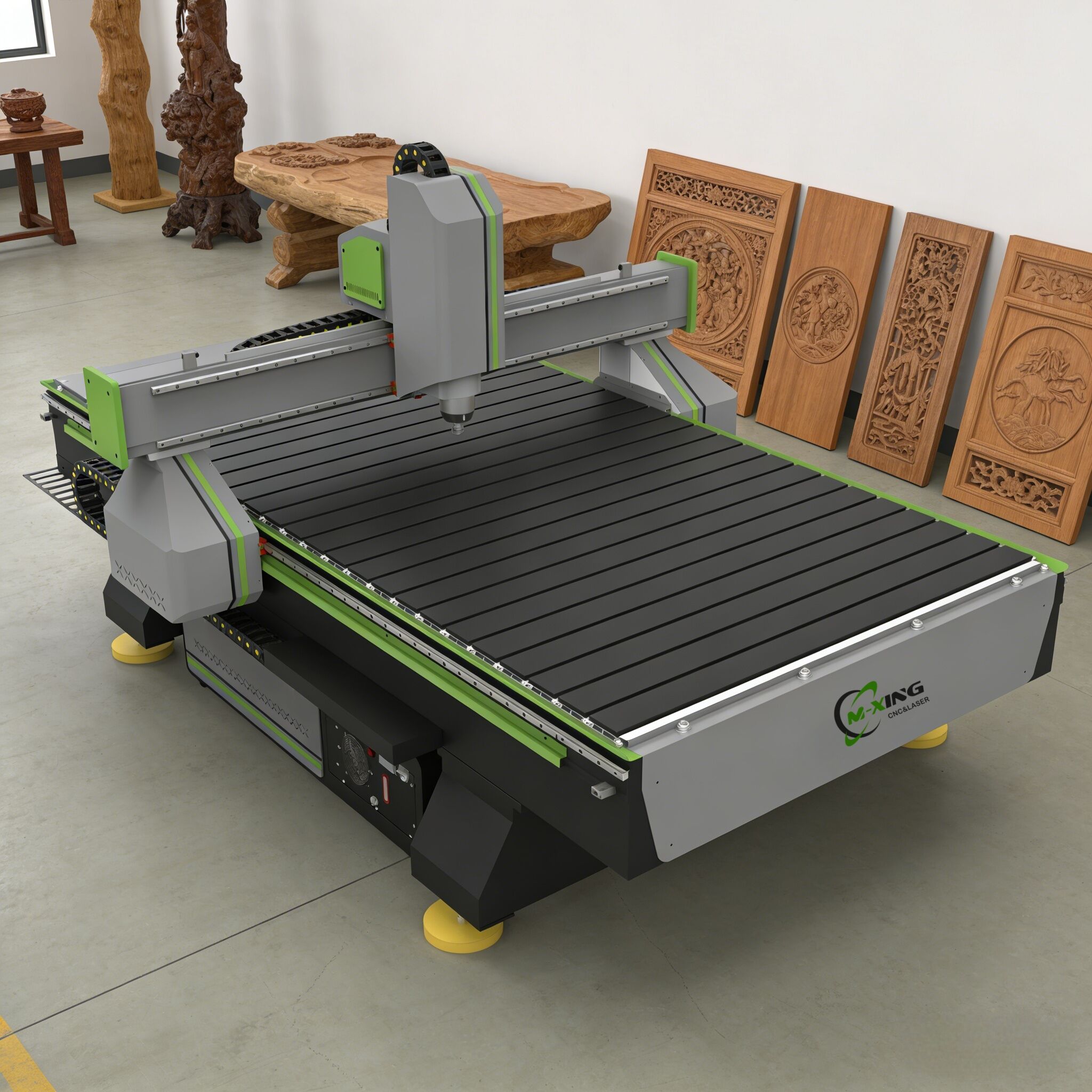
Wood CNC machine price varies significantly based on technological specifications, cutting capabilities, and manufacturing quality. These computer-controlled woodworking systems represent a substantial investment that transforms traditional craftsmanship into precision manufacturing. Understanding wood CNC machine price factors helps businesses make informed purchasing decisions that align with production requirements and budget constraints. Modern wood CNC machines integrate advanced control systems, high-speed spindles, and precision linear guides to deliver exceptional cutting accuracy. The wood CNC machine price typically reflects the sophistication of these technological components, with entry-level systems starting around fifteen thousand dollars and industrial-grade machines reaching six-figure investments. Key functions include three-dimensional carving, profile cutting, drilling operations, and surface engraving across various wood species. These machines excel at producing furniture components, architectural millwork, decorative panels, and custom signage with remarkable consistency. Technological features encompass automatic tool changers, dust collection systems, vacuum hold-down tables, and sophisticated CAD/CAM software integration. The wood CNC machine price encompasses not only hardware components but also software licenses, training programs, and ongoing technical support services. Spindle power ratings range from two to fifteen horsepower, directly impacting cutting speed and material thickness capabilities. Working envelope dimensions determine maximum project sizes, with smaller desktop units accommodating hobby applications while large-format machines handle architectural components. Drive system quality significantly influences wood CNC machine price, with servo motors and precision ball screws commanding premium costs compared to stepper motor configurations. Applications span furniture manufacturing, cabinetry production, architectural woodwork, musical instrument crafting, and prototyping services. Safety features including emergency stops, protective enclosures, and interlock systems contribute to overall system costs but ensure operator protection during automated operations.

 EN
EN