pvc laser cutter
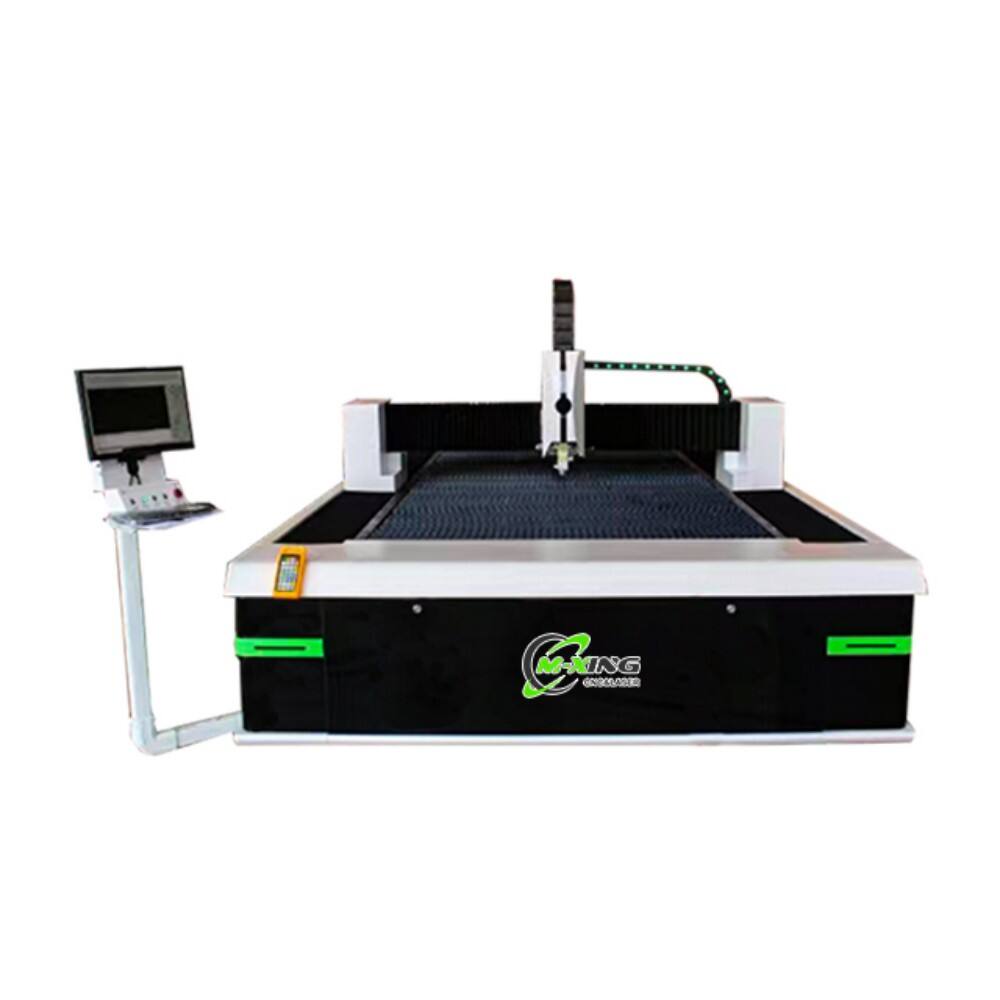
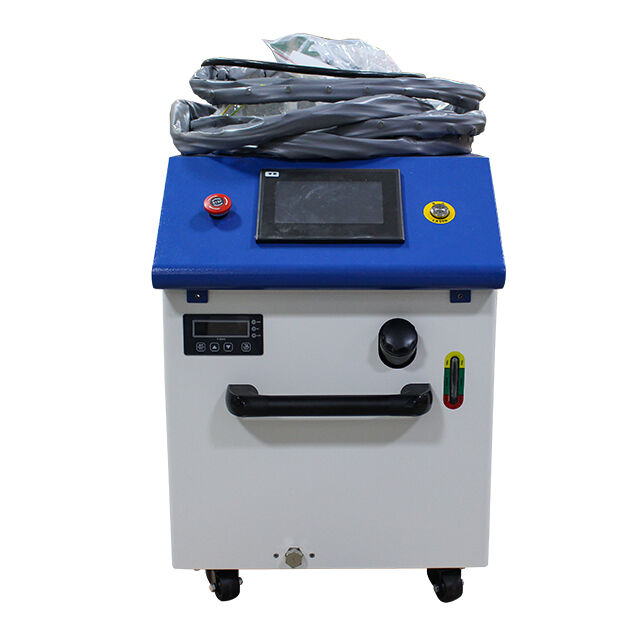
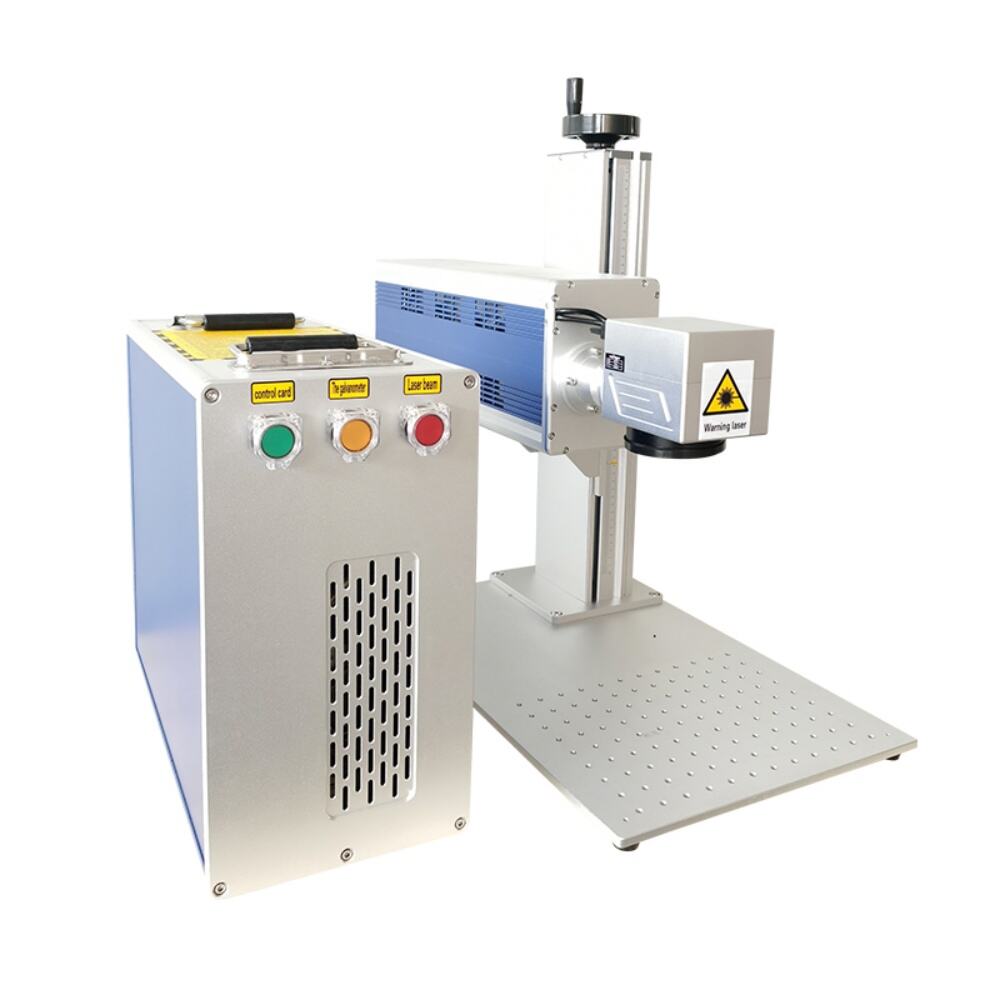
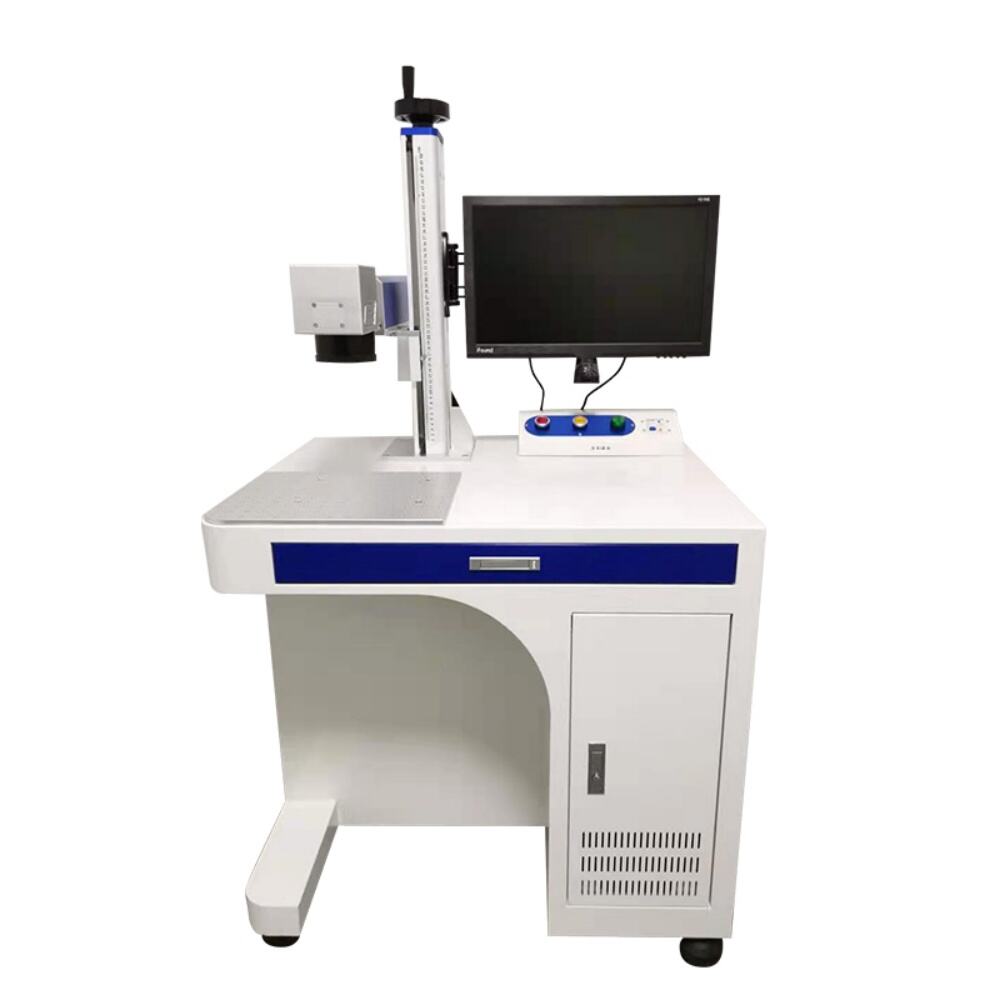
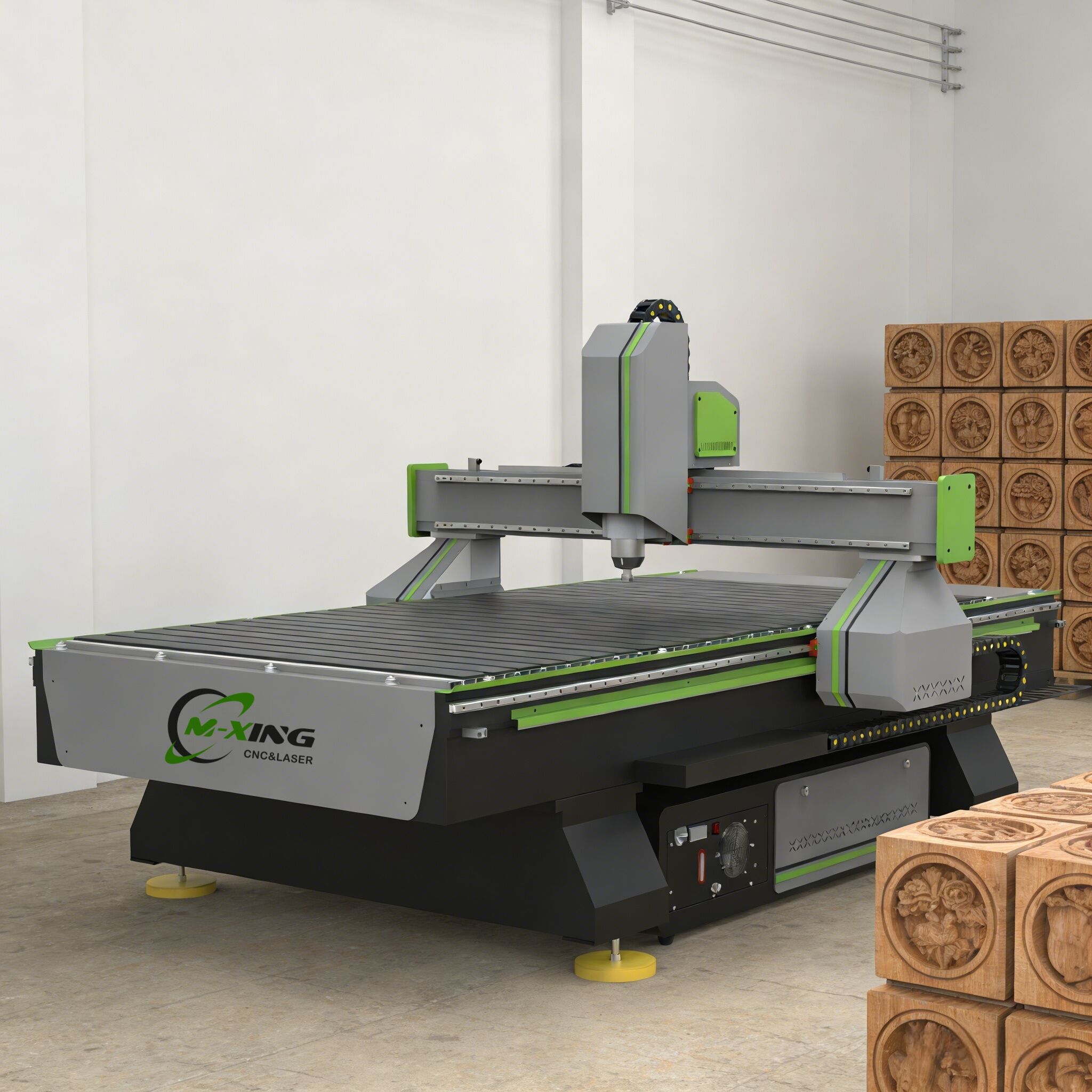
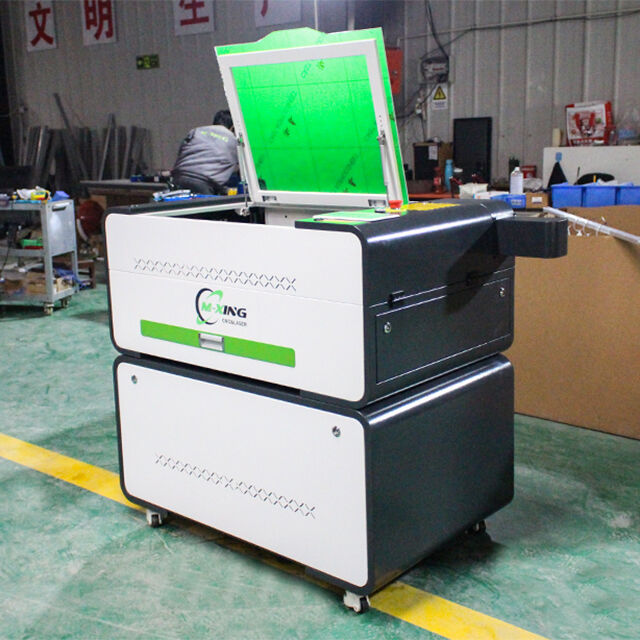
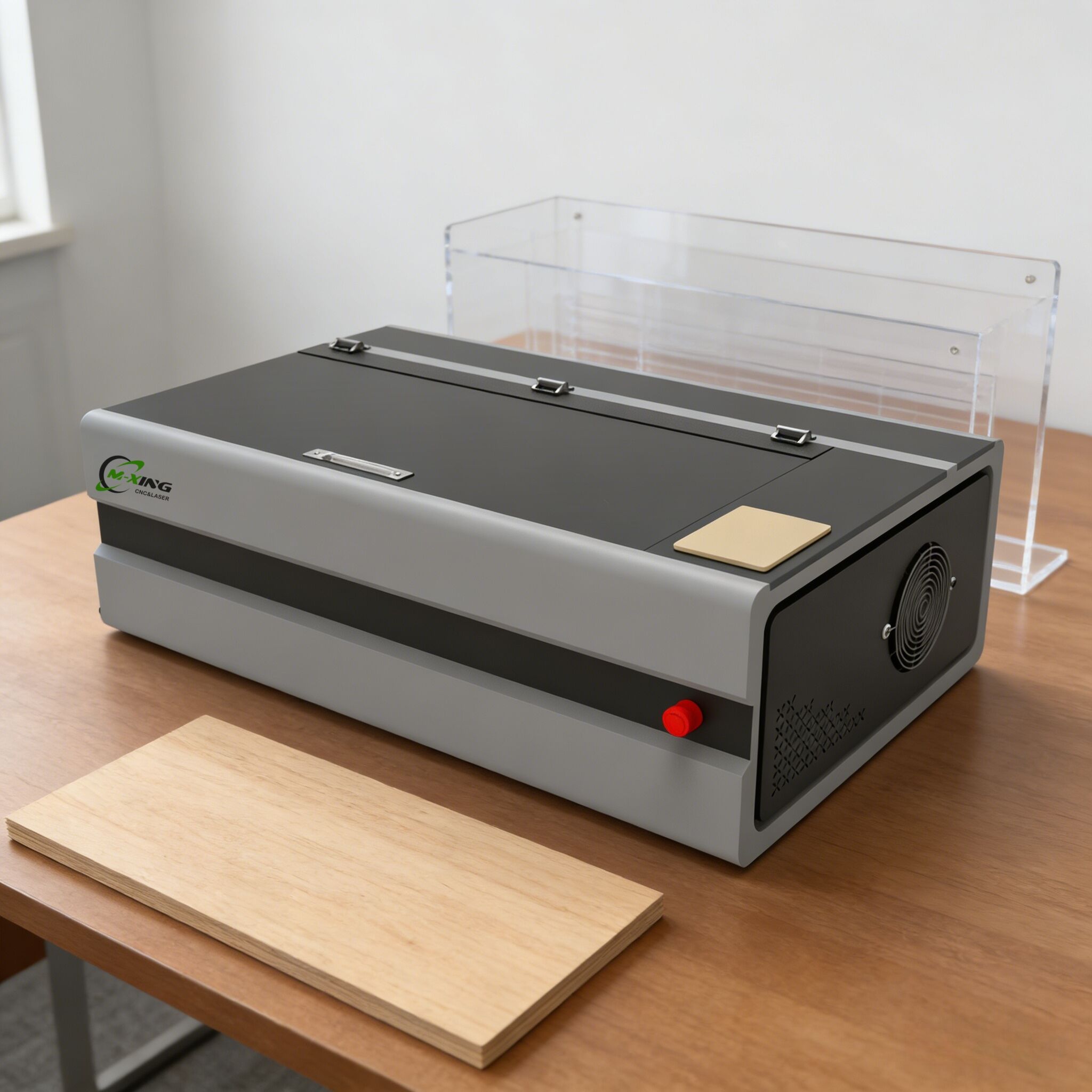
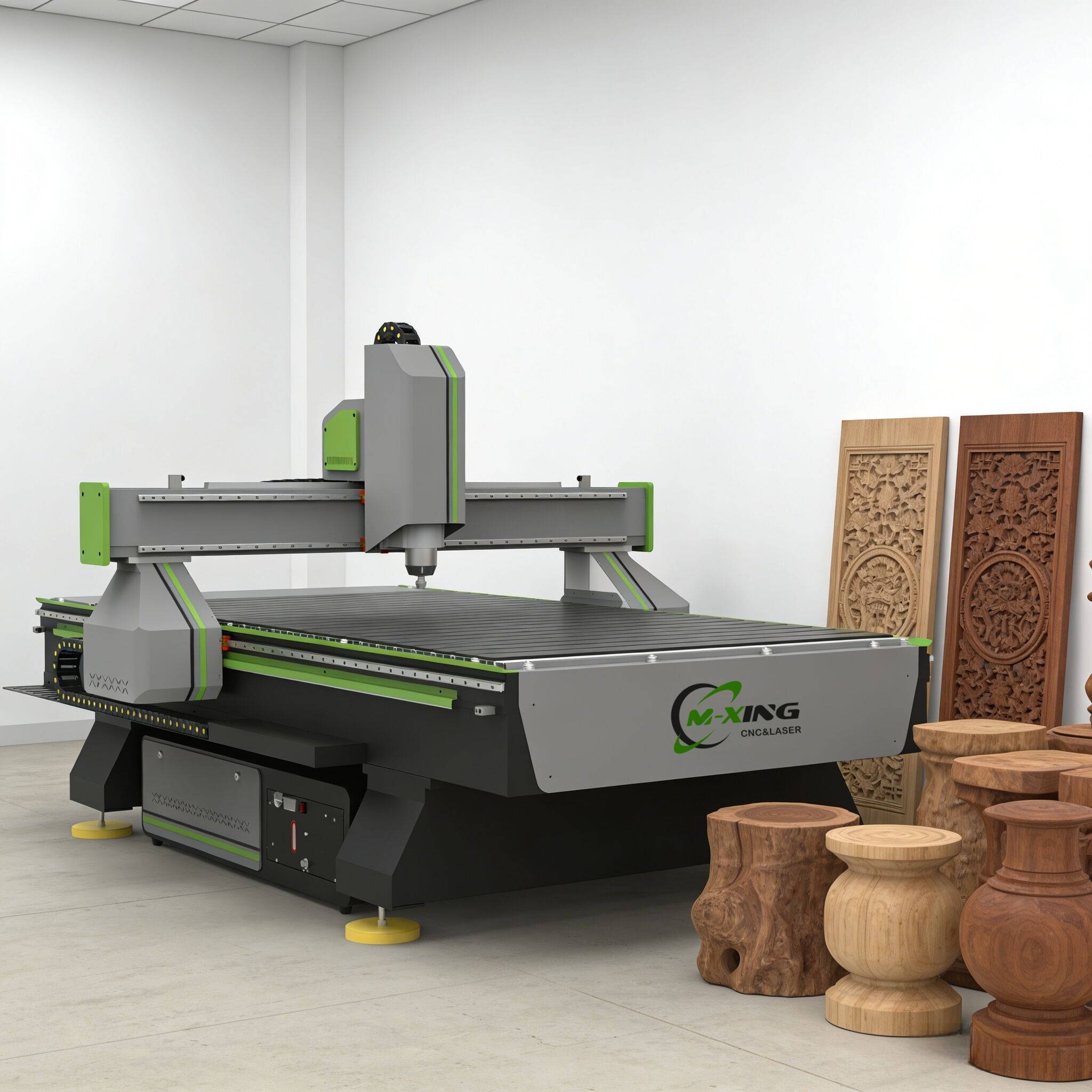
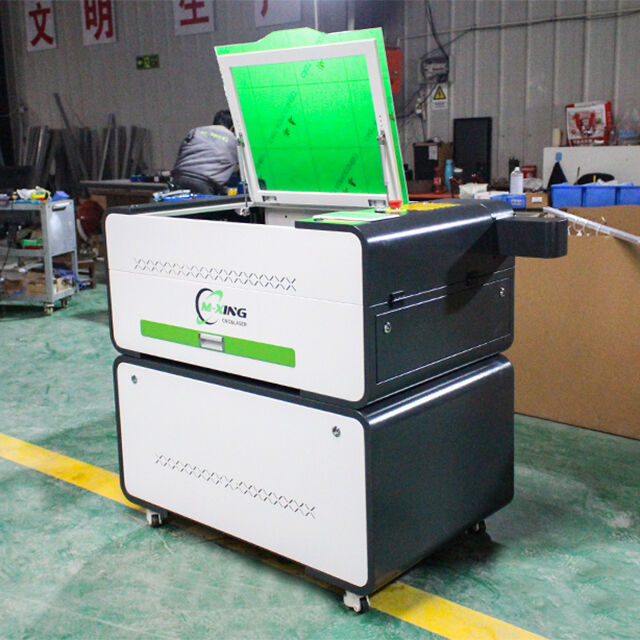
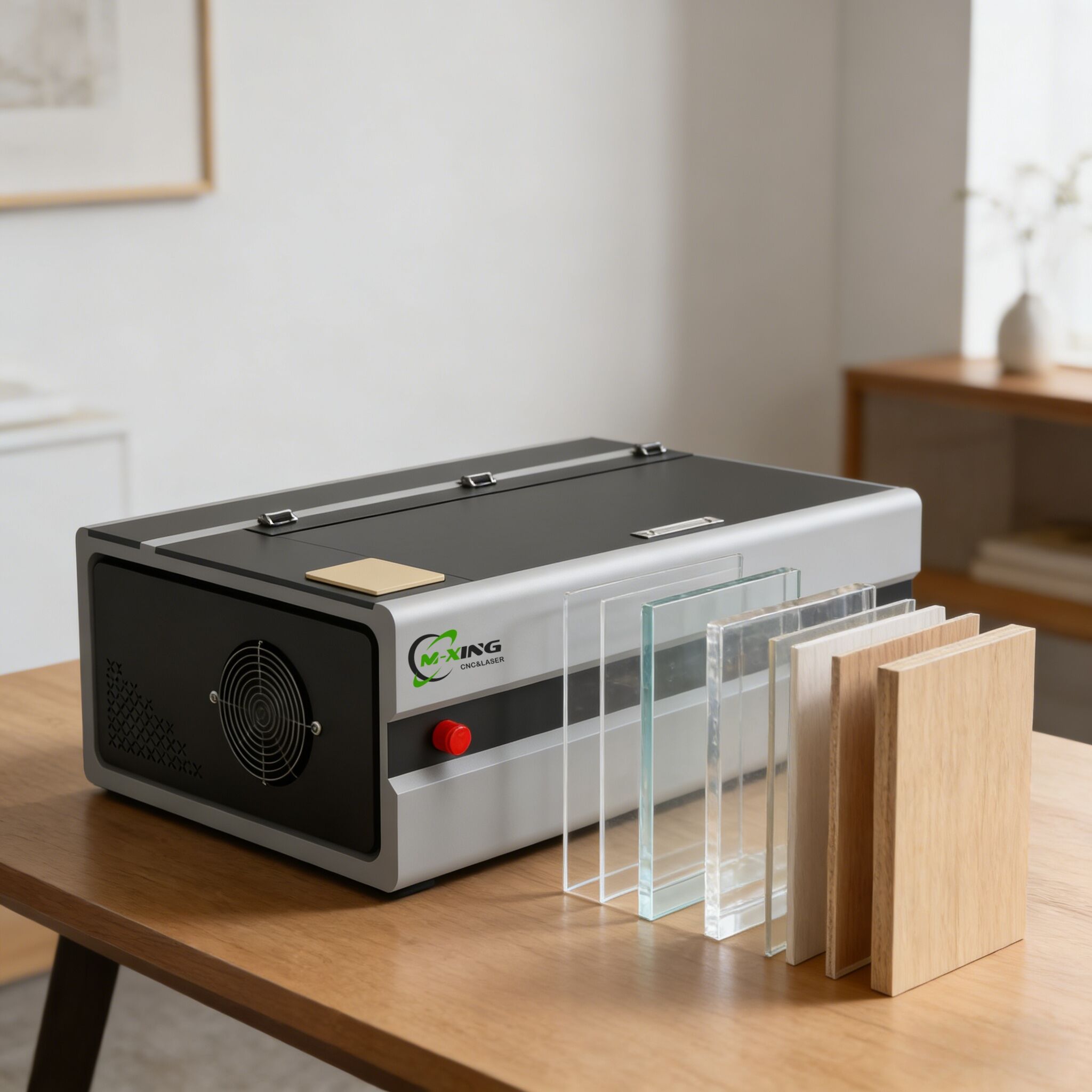
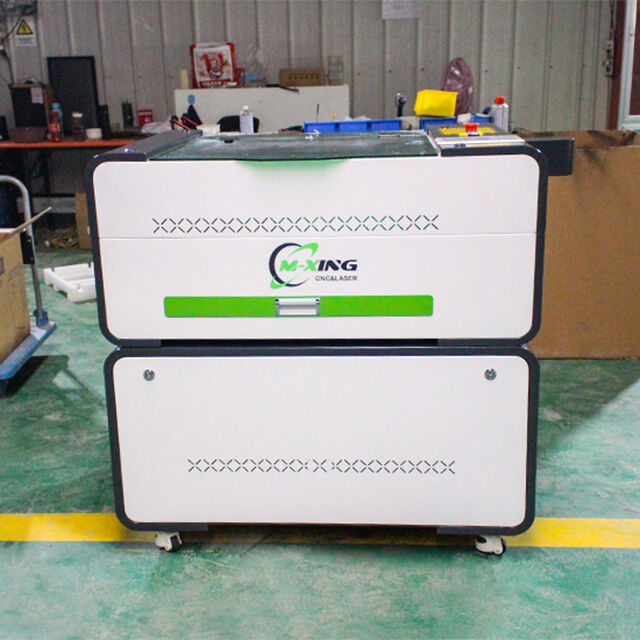
A PVC laser cutter represents cutting-edge technology designed specifically for processing polyvinyl chloride materials with exceptional precision and efficiency. This advanced manufacturing tool utilizes focused laser beams to cut, engrave, and shape PVC sheets, pipes, and components across various thicknesses and configurations. The PVC laser cutter operates through computer-controlled systems that guide high-powered laser sources, typically CO2 or fiber lasers, to deliver exact cuts with minimal material waste. These machines incorporate sophisticated optical systems that concentrate laser energy into extremely narrow beams, enabling operators to achieve intricate designs and complex geometries that would be impossible with traditional mechanical cutting methods. The technological foundation of a PVC laser cutter includes precision motion control systems, advanced cooling mechanisms, and integrated software platforms that translate digital designs into physical products. Modern PVC laser cutter models feature automated material handling systems, reducing manual intervention and increasing production throughput. The cutting process generates clean edges without requiring secondary finishing operations, significantly streamlining manufacturing workflows. Safety systems built into every PVC laser cutter include enclosed cutting chambers, fume extraction systems, and emergency stop mechanisms to protect operators from laser radiation and harmful vapors. These machines accommodate various PVC grades, from rigid sheets used in signage and construction to flexible materials employed in packaging and textiles. The versatility of a PVC laser cutter extends beyond simple cutting operations, encompassing engraving capabilities for adding logos, text, or decorative elements directly onto PVC surfaces. Industrial applications span automotive components, medical device manufacturing, electronics enclosures, and architectural elements. The precision achievable with a PVC laser cutter typically ranges from 0.1 to 0.01 millimeters, making these tools indispensable for applications requiring tight tolerances and consistent quality across large production runs.

 EN
EN