Professional PVC Laser Cutter Solutions - Precision Cutting Technology for Industrial Applications

All Categories

Get a Free Quote

Our representative will contact you soon.
Email
Name
WhatsApp
Company Name
Message
0/1000

pvc laser cutter

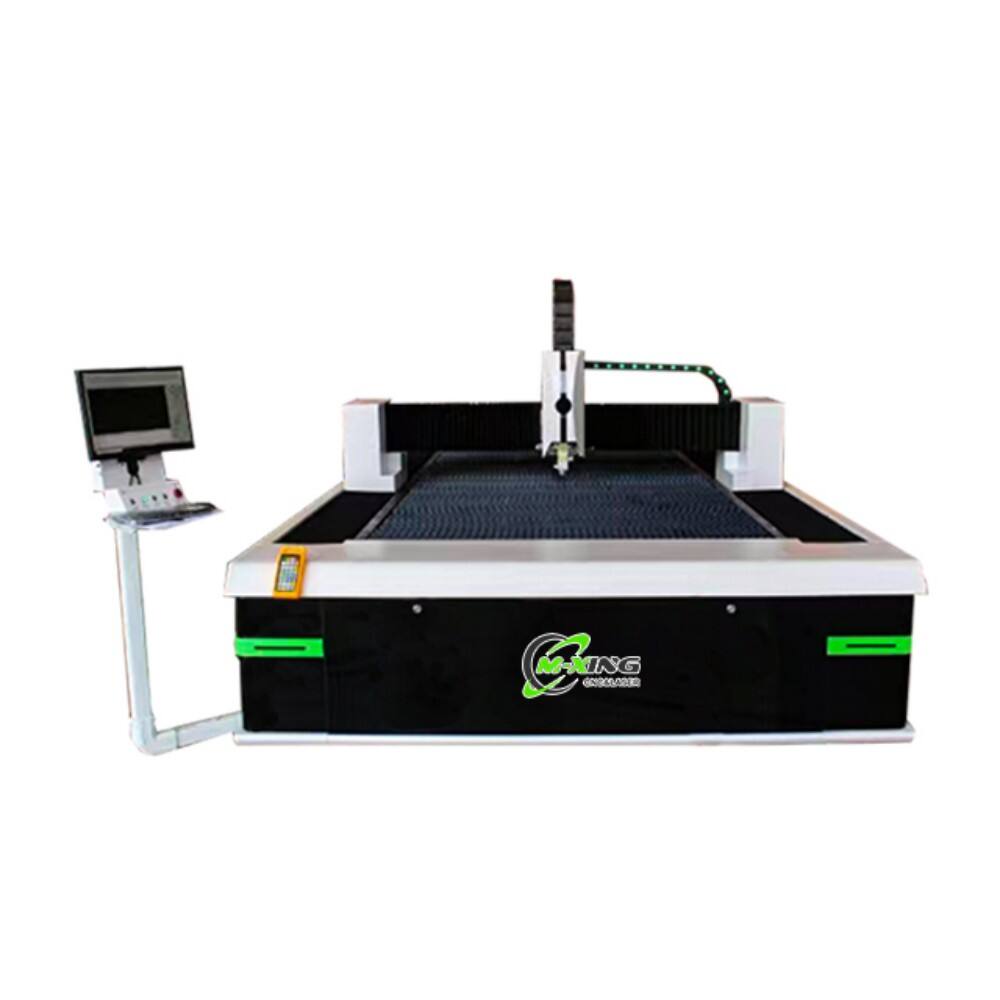
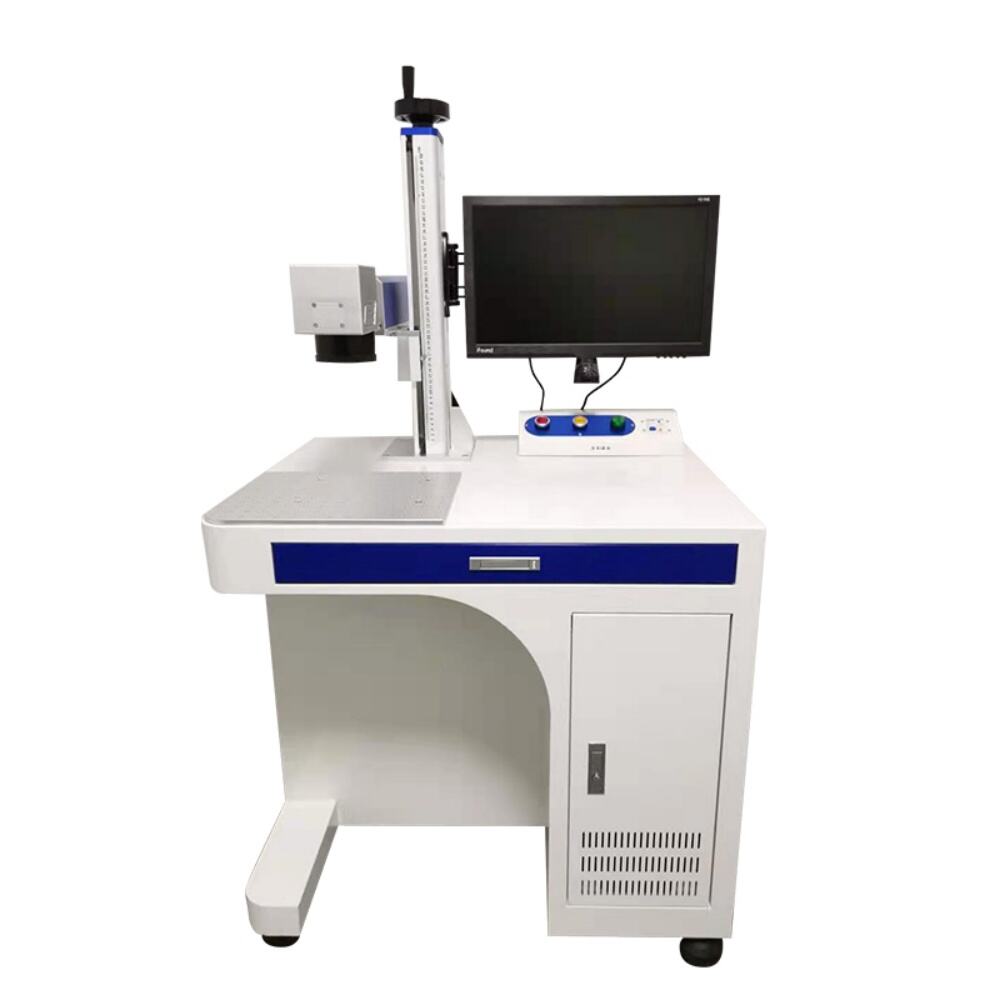
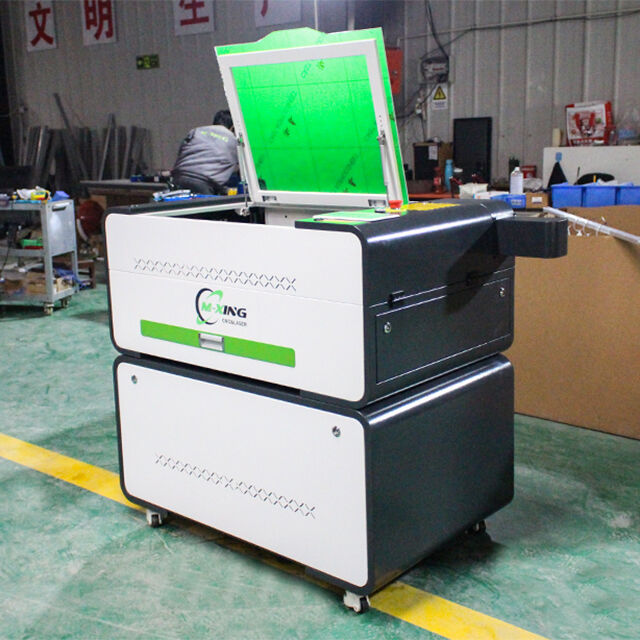
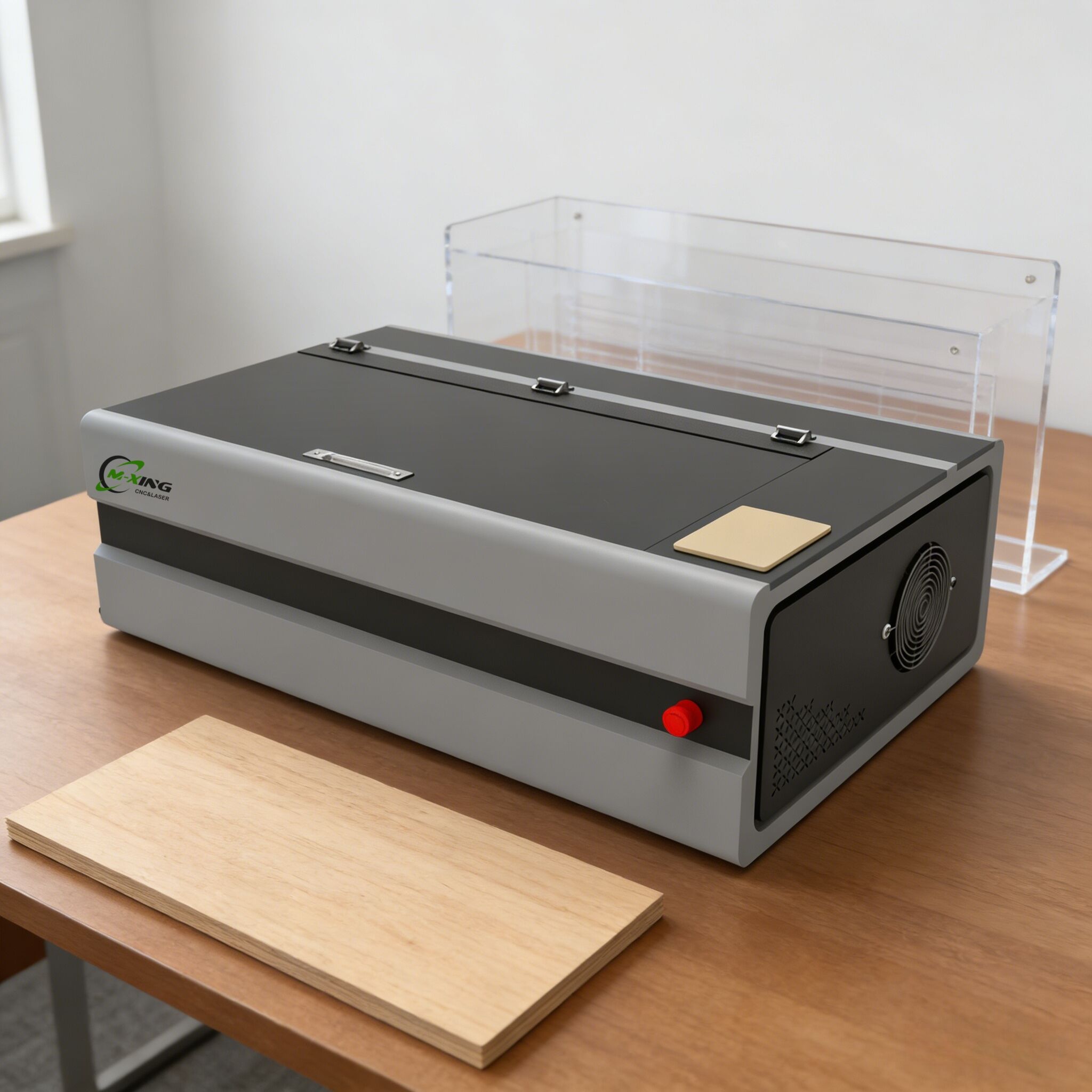
A PVC laser cutter represents cutting-edge technology designed specifically for processing polyvinyl chloride materials with exceptional precision and efficiency. This advanced manufacturing tool utilizes focused laser beams to cut, engrave, and shape PVC sheets, pipes, and components across various thicknesses and configurations. The PVC laser cutter operates through computer-controlled systems that guide high-powered laser sources, typically CO2 or fiber lasers, to deliver exact cuts with minimal material waste. These machines incorporate sophisticated optical systems that concentrate laser energy into extremely narrow beams, enabling operators to achieve intricate designs and complex geometries that would be impossible with traditional mechanical cutting methods. The technological foundation of a PVC laser cutter includes precision motion control systems, advanced cooling mechanisms, and integrated software platforms that translate digital designs into physical products. Modern PVC laser cutter models feature automated material handling systems, reducing manual intervention and increasing production throughput. The cutting process generates clean edges without requiring secondary finishing operations, significantly streamlining manufacturing workflows. Safety systems built into every PVC laser cutter include enclosed cutting chambers, fume extraction systems, and emergency stop mechanisms to protect operators from laser radiation and harmful vapors. These machines accommodate various PVC grades, from rigid sheets used in signage and construction to flexible materials employed in packaging and textiles. The versatility of a PVC laser cutter extends beyond simple cutting operations, encompassing engraving capabilities for adding logos, text, or decorative elements directly onto PVC surfaces. Industrial applications span automotive components, medical device manufacturing, electronics enclosures, and architectural elements. The precision achievable with a PVC laser cutter typically ranges from 0.1 to 0.01 millimeters, making these tools indispensable for applications requiring tight tolerances and consistent quality across large production runs.

New Products

The PVC laser cutter delivers remarkable speed advantages that transform production timelines and boost manufacturing efficiency. Unlike traditional cutting methods that require tool changes, setup time, and manual adjustments, a PVC laser cutter operates continuously with minimal downtime between jobs. Production teams can switch between different designs instantly through software commands, eliminating the lengthy preparation phases associated with mechanical cutting systems. This speed translates directly into increased output capacity, allowing businesses to fulfill larger orders within shorter timeframes and respond quickly to customer demands. Cost savings represent another significant benefit of implementing a PVC laser cutter in manufacturing operations. The precision of laser cutting minimizes material waste by optimizing cutting paths and nesting multiple parts efficiently within single sheets. Labor costs decrease substantially since operators can manage multiple cutting operations simultaneously while the automated systems handle the actual cutting process. Maintenance expenses remain lower compared to mechanical cutting tools because laser systems have fewer moving parts and do not require regular blade replacements or sharpening services. The exceptional precision delivered by a PVC laser cutter ensures consistent quality across all produced items, reducing rejection rates and eliminating costly rework procedures. Each cut maintains identical dimensions and edge quality, regardless of production volume or operator experience levels. This consistency proves especially valuable for applications requiring tight fitting assemblies or precise dimensional requirements. Flexibility stands out as a crucial advantage, enabling manufacturers to adapt quickly to design changes or custom orders without investing in new tooling or equipment modifications. The same PVC laser cutter can handle thin films, thick sheets, and complex three-dimensional shapes with equal effectiveness. Environmental benefits include reduced chemical usage since laser cutting does not require cutting fluids or lubricants commonly used in traditional machining processes. The enclosed cutting environment contains emissions and allows for proper filtration of any gases generated during the cutting process. Quality improvements extend beyond dimensional accuracy to include superior edge finish characteristics that often eliminate secondary processing requirements. The heat-affected zone remains minimal, preserving material properties adjacent to cut edges and maintaining structural integrity throughout the workpiece.

Latest News

How does laser engraving machine work step by step?

05

Mar

How does laser engraving machine work step by step?

Laser engraving technology has revolutionized modern manufacturing and creative industries by providing precise, efficient, and versatile material processing capabilities. An engraving machine utilizes focused laser beams to create detailed patterns,...
View More
What is a laser engraver and how does it work in 2026?

03

Mar

What is a laser engraver and how does it work in 2026?

A laser engraver represents one of the most revolutionary technological advances in precision manufacturing and creative fabrication. This sophisticated device harnesses focused light energy to permanently mark, etch, or cut various materials with un...
View More
What materials can a laser engraver cut and engrave today?

06

Mar

What materials can a laser engraver cut and engrave today?

Modern manufacturing and creative industries have witnessed remarkable advancements in precision cutting and engraving technologies. A laser engraver has become an indispensable tool across various sectors, from small artisan workshops to large-scale...
View More
What CNC machine types work best for small workshops?

18

Mar

What CNC machine types work best for small workshops?

Small workshops face unique challenges when selecting the right manufacturing equipment, particularly when considering a cnc machine for their operations. Unlike large industrial facilities with extensive floor space and unlimited budgets, smaller op...
View More

Get a Free Quote

Our representative will contact you soon.
Email
Name
WhatsApp
Company Name
Message
0/1000

pvc laser cutter

Unmatched Precision and Accuracy for Professional Results

Unmatched Precision and Accuracy for Professional Results

The precision capabilities of a PVC laser cutter set new standards in manufacturing accuracy that traditional cutting methods simply cannot match. This advanced technology achieves tolerances as tight as 0.01 millimeters, ensuring every cut meets exact specifications regardless of design complexity or production volume. The computer-controlled positioning systems eliminate human error factors that commonly affect manual cutting operations, delivering consistent results across thousands of identical parts. This level of precision proves essential for industries where component fit and finish directly impact product performance and customer satisfaction. Aerospace applications benefit from the dimensional stability that a PVC laser cutter provides when creating gaskets, seals, and interior components that must meet stringent quality requirements. Medical device manufacturers rely on this precision for producing sterile packaging, surgical instrument components, and diagnostic equipment housings where even minor dimensional variations could compromise patient safety. The accuracy extends beyond simple straight cuts to include complex curves, intricate patterns, and detailed engravings that maintain their precision throughout the entire cutting path. Edge quality represents another dimension of precision where the PVC laser cutter excels, producing smooth, sealed edges that resist cracking, splitting, or delamination over time. This superior edge finish eliminates secondary processing steps like deburring or polishing that add time and cost to traditional manufacturing workflows. The thermal properties of laser cutting create a slight melting action along cut edges that actually strengthens the material structure while preventing moisture absorption and chemical degradation. Quality control becomes more predictable and reliable when using a PVC laser cutter because the cutting parameters remain consistent throughout production runs, unlike mechanical tools that may experience gradual wear or alignment drift. Operators can confidently produce large batches knowing that the first part will match the specifications of the final part with identical precision levels. This consistency reduces inspection requirements and minimizes the risk of shipping defective products to customers, protecting brand reputation and reducing warranty claims.
Exceptional Versatility Across Multiple PVC Applications

Exceptional Versatility Across Multiple PVC Applications

The remarkable versatility of a PVC laser cutter enables manufacturers to work with an extensive range of PVC materials and applications using a single piece of equipment. This adaptability eliminates the need for multiple specialized tools, reducing capital equipment investments and simplifying production planning processes. Rigid PVC sheets ranging from thin signage materials to thick structural components can be processed with equal effectiveness by adjusting laser power settings and cutting speeds through simple software commands. Flexible PVC materials, including films, gaskets, and membrane components, respond excellently to laser cutting techniques that provide clean separation without the tearing or distortion common with mechanical cutting methods. The PVC laser cutter accommodates various material thicknesses within its cutting capacity, typically handling sheets from 0.1 millimeters up to 25 millimeters or more, depending on the specific laser configuration and power levels. This thickness range covers most commercial PVC applications, from thin packaging films to substantial architectural panels and industrial components. Surface treatments and additives within PVC formulations do not pose limitations for laser cutting operations, allowing processors to work with flame-retardant grades, UV-stabilized materials, and specialized compounds designed for specific environmental conditions. The cutting head design enables processing of both flat sheets and formed or curved surfaces, expanding application possibilities beyond simple flat pattern cutting. Three-dimensional cutting capabilities allow manufacturers to trim molded parts, create relief patterns in formed components, and add functional features like ventilation holes or mounting slots after the primary forming operations. Engraving functions integrated within the PVC laser cutter provide additional value-added capabilities for branding, identification marking, and decorative enhancement without requiring separate processing steps. The software systems that control modern PVC laser cutter operations support multiple file formats and design platforms, ensuring compatibility with existing design workflows and enabling seamless integration into established production processes. This software flexibility allows rapid prototyping, design iteration, and customization capabilities that support both high-volume production and specialized custom manufacturing requirements.
Superior Efficiency and Cost-Effectiveness in Production

Superior Efficiency and Cost-Effectiveness in Production

The efficiency advantages delivered by a PVC laser cutter fundamentally transform manufacturing economics by reducing cycle times, minimizing waste, and optimizing resource utilization across production operations. Cutting speeds achievable with modern laser systems significantly exceed traditional mechanical cutting methods, with some applications seeing productivity improvements of 300 percent or more compared to conventional techniques. These speed improvements stem from the non-contact nature of laser cutting, which eliminates tool wear considerations and allows for rapid directional changes without mechanical limitations. The PVC laser cutter operates continuously without the frequent stops required for tool changes, adjustments, or maintenance that interrupt traditional cutting processes. Setup times between jobs virtually disappear since new cutting patterns load instantly through software commands, eliminating the lengthy preparation phases associated with mechanical tooling systems. This rapid changeover capability proves especially valuable for manufacturers handling multiple product lines or custom orders where flexibility and responsiveness provide competitive advantages. Material utilization efficiency reaches optimal levels through advanced nesting software that maximizes the number of parts cut from each sheet while minimizing waste material. The narrow kerf width of laser cutting, typically 0.1 to 0.3 millimeters, reduces material loss compared to mechanical cutting methods that remove wider material strips. Automated material handling systems available with many PVC laser cutter configurations further enhance efficiency by reducing manual loading and unloading operations while enabling lights-out production capabilities. Labor efficiency improvements result from the automated nature of laser cutting operations that allow single operators to manage multiple machines or focus on higher-value activities while cutting processes run independently. The consistent quality output from a PVC laser cutter reduces inspection requirements and eliminates rework costs associated with dimensional variations or poor edge quality common with manual cutting methods. Energy efficiency considerations favor laser cutting systems that concentrate power precisely where needed, unlike mechanical systems that may waste energy through friction, vibration, and heat generation throughout the machine structure. Long-term cost benefits include reduced maintenance requirements due to fewer moving parts, elimination of consumable cutting tools, and extended equipment life cycles that maximize return on capital investments.
Professional PVC Laser Cutter Solutions - Precision Cutting Technology for Industrial Applications

Get a Free Quote

Our representative will contact you soon.
Email
Name
WhatsApp
Company Name
Message
0/1000