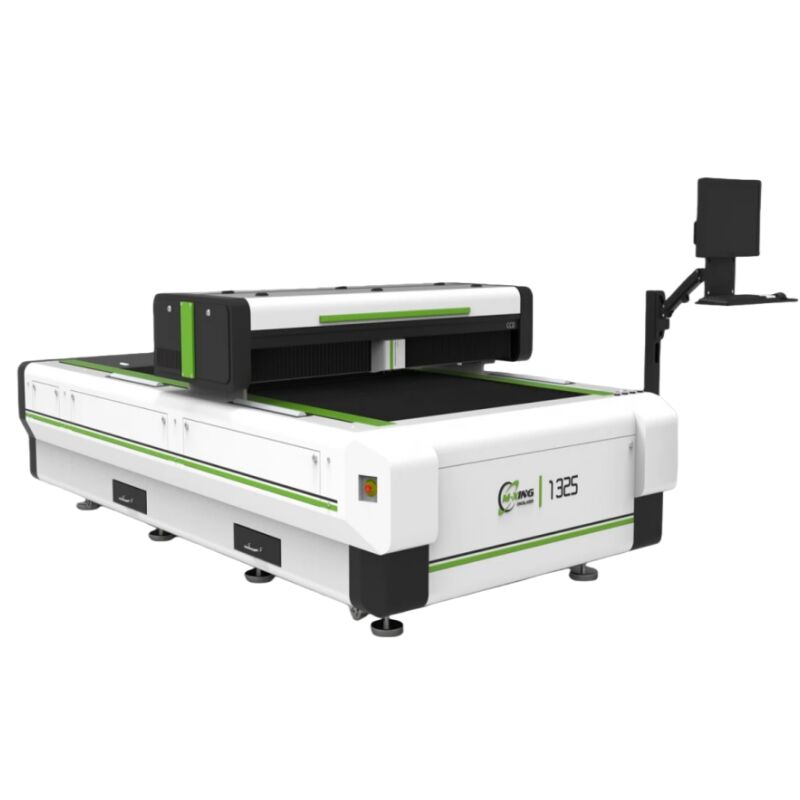
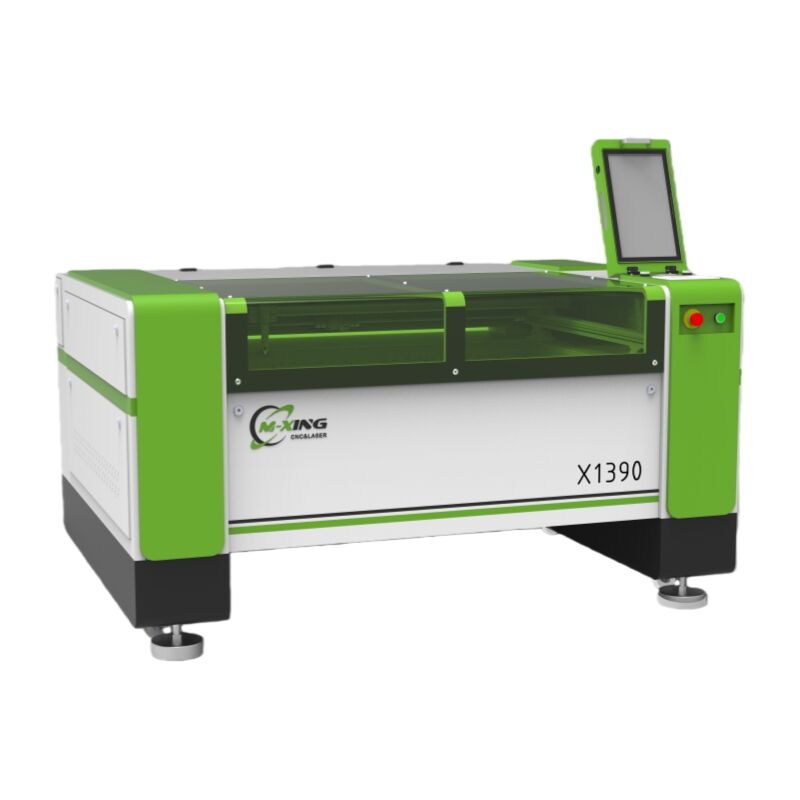
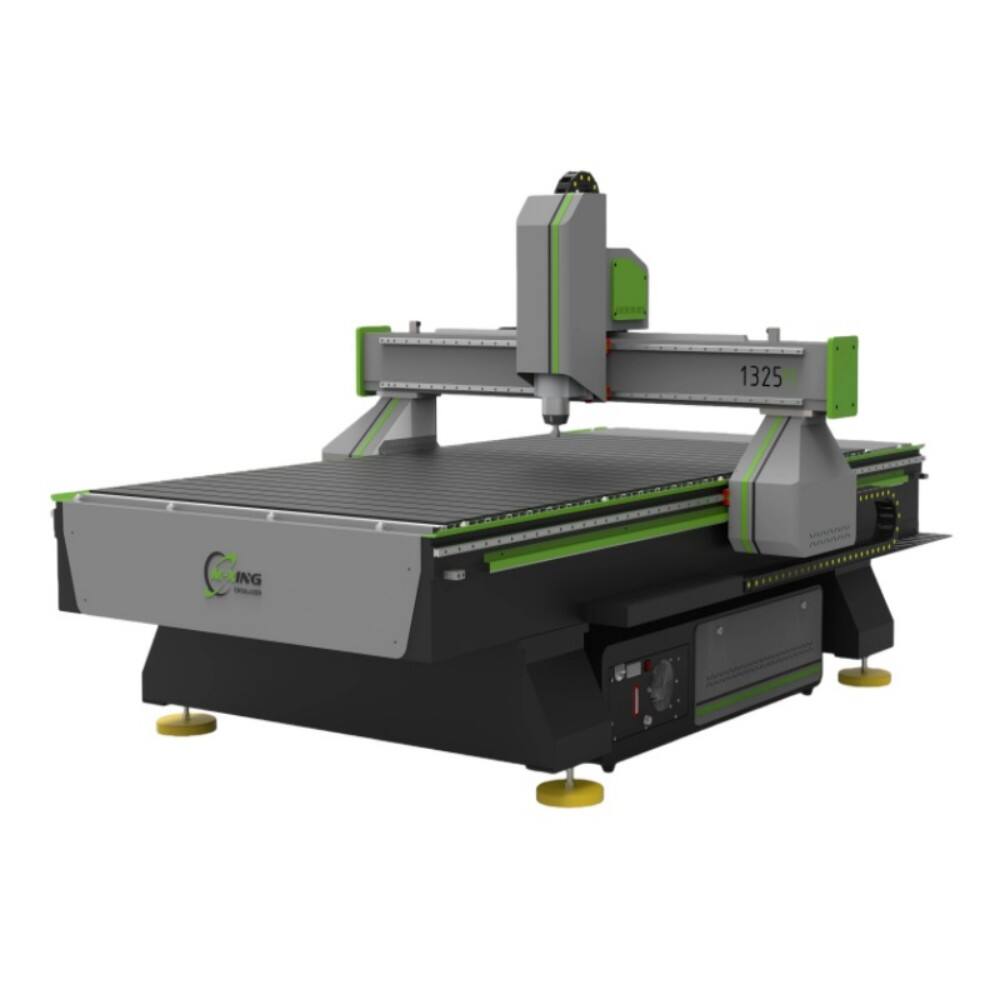
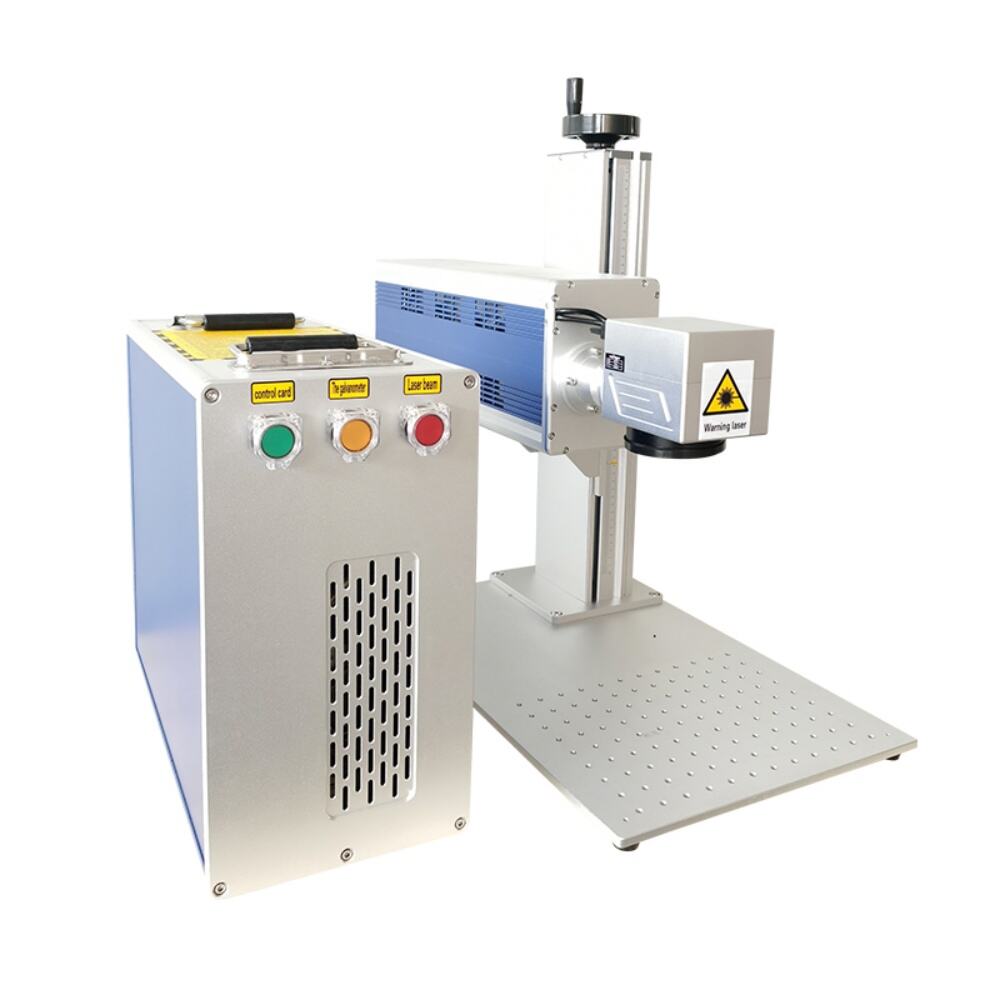
Professional Laser Cutting Machine Manufacturer - Advanced Industrial Cutting Solutions

All Categories

Get a Free Quote

Our representative will contact you soon.
Email
Name
WhatsApp
Company Name
Message
0/1000

laser cutting machine manufacturer

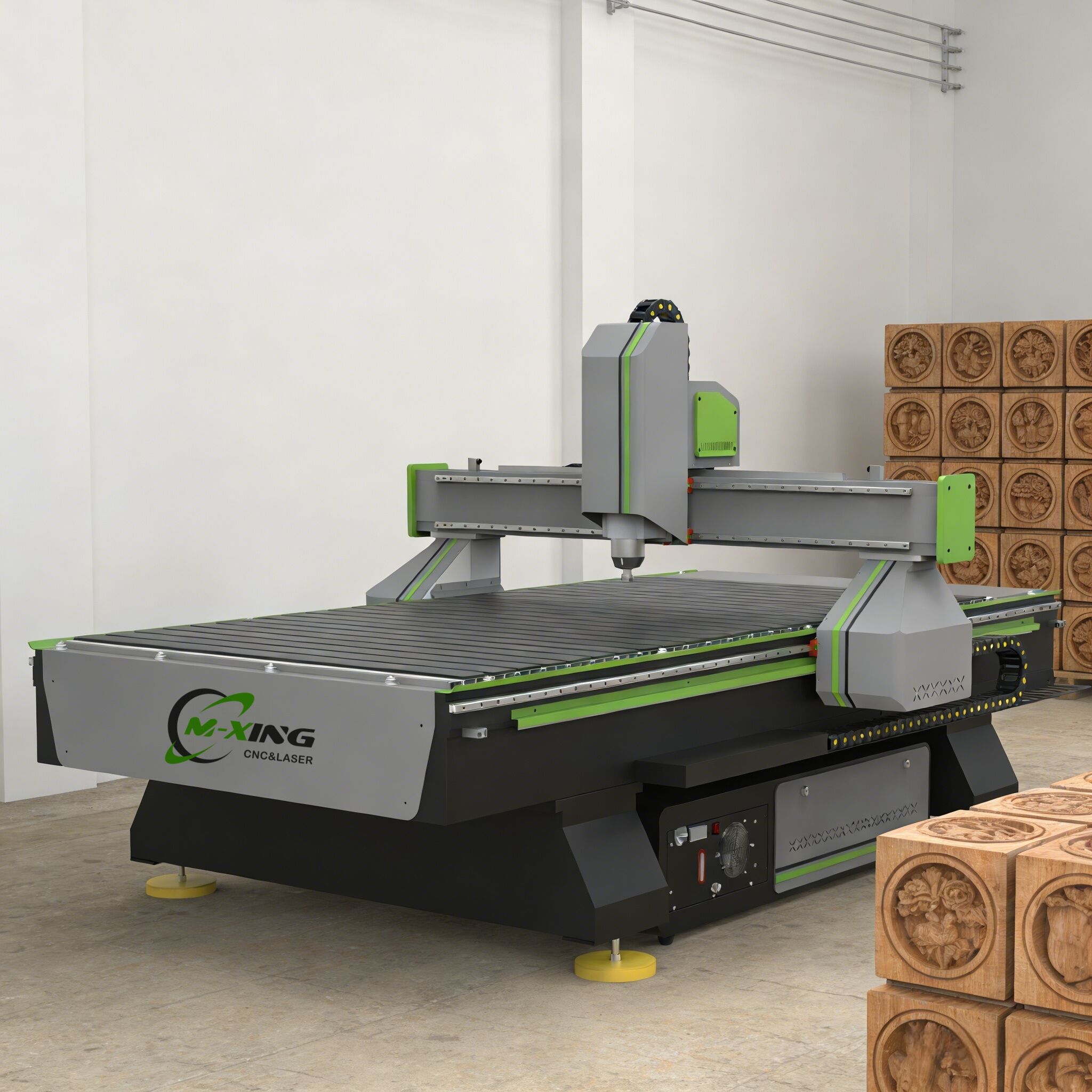
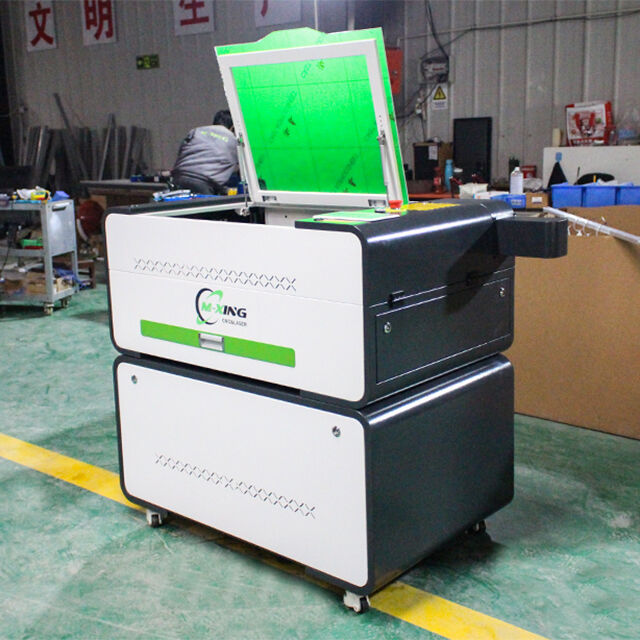
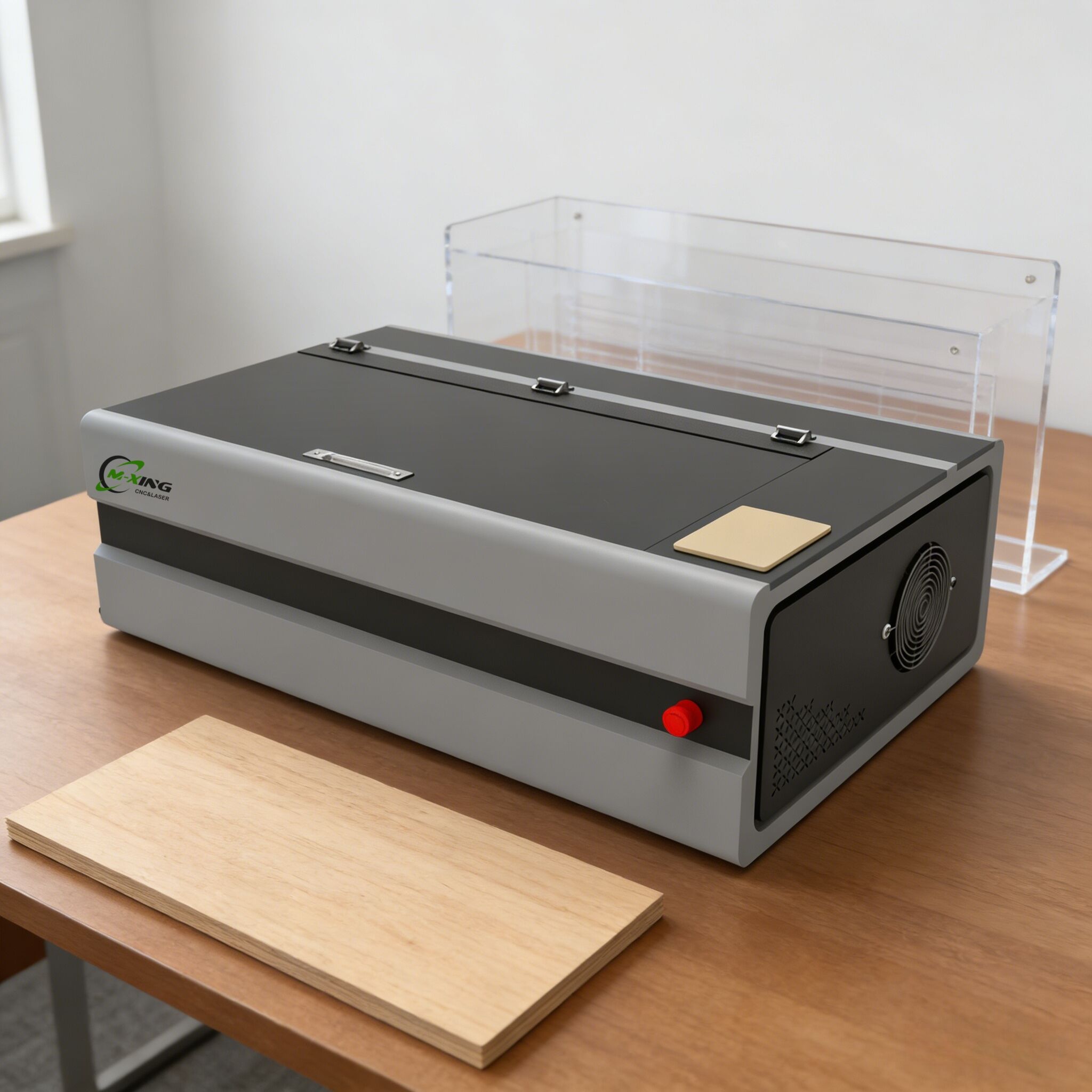
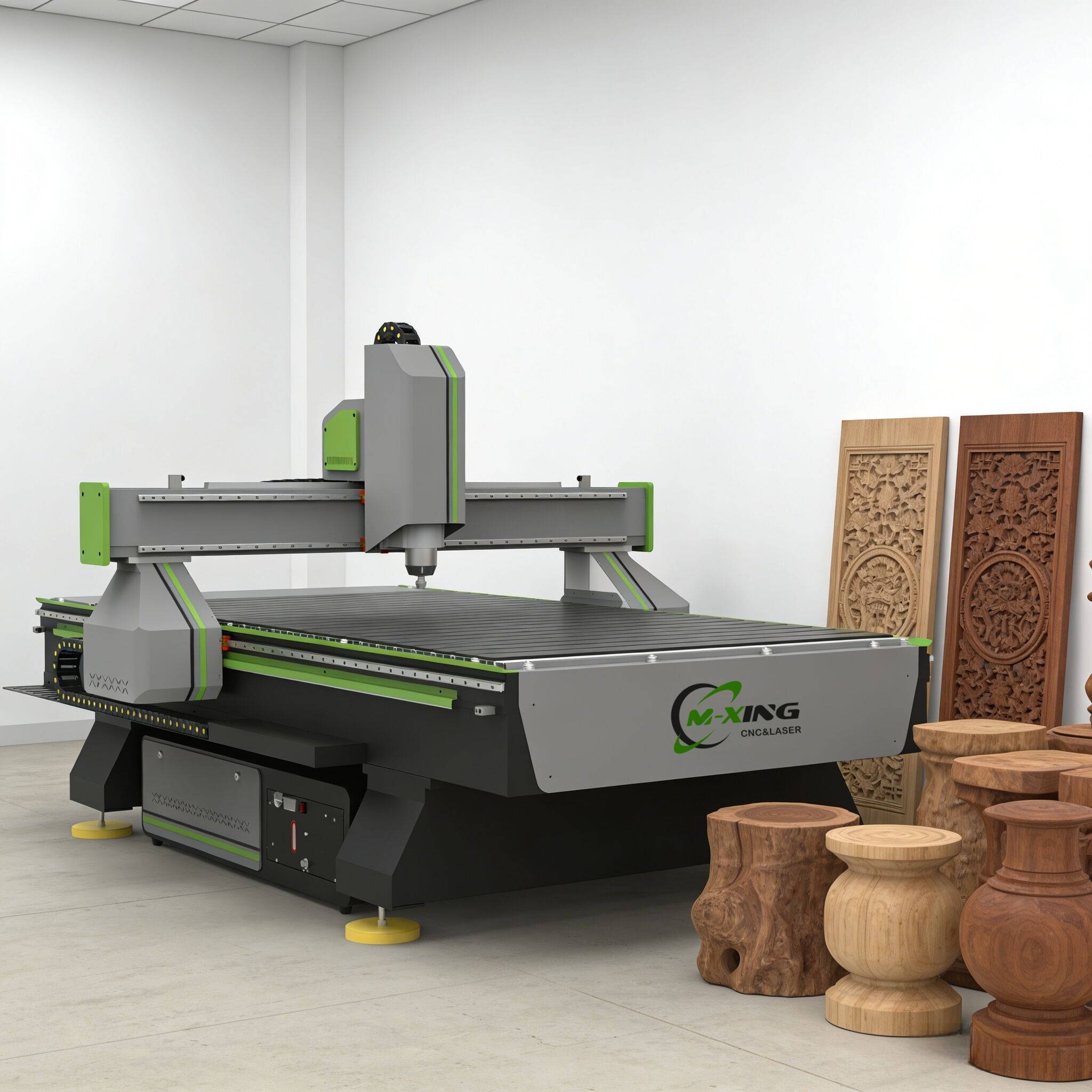
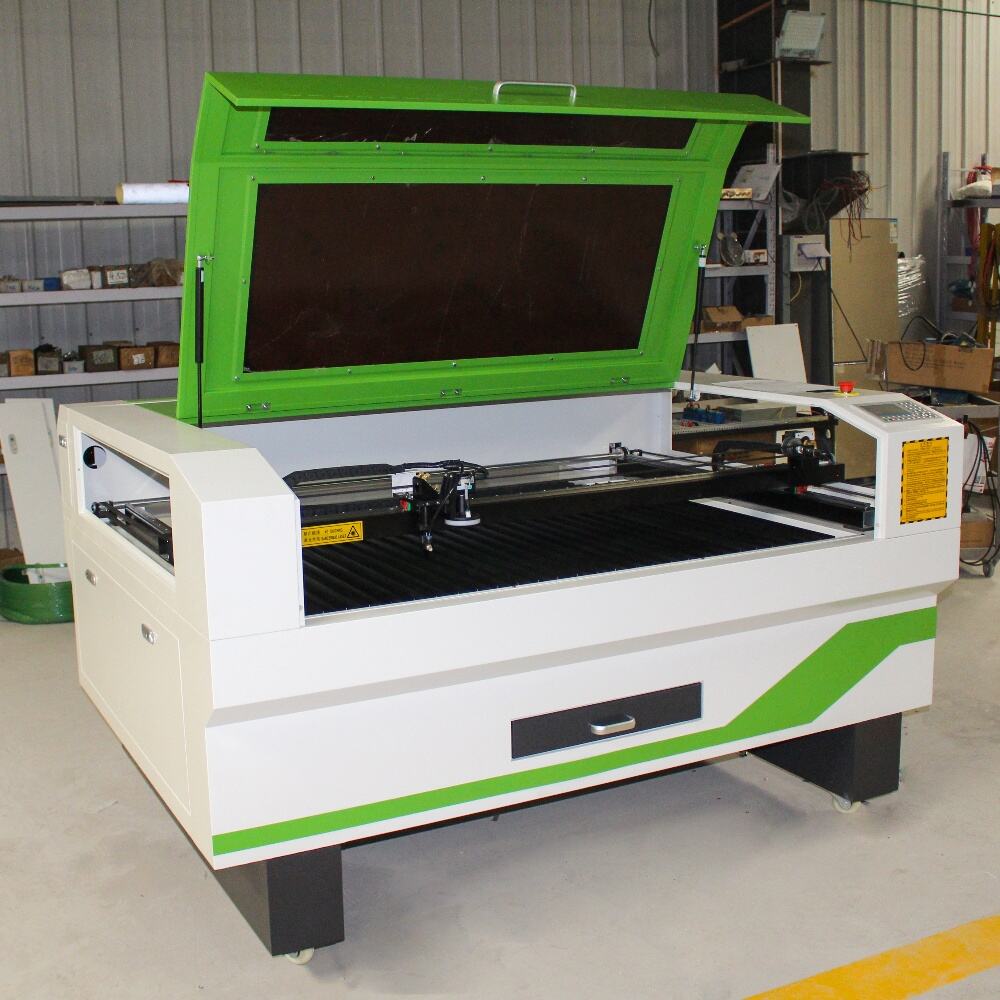
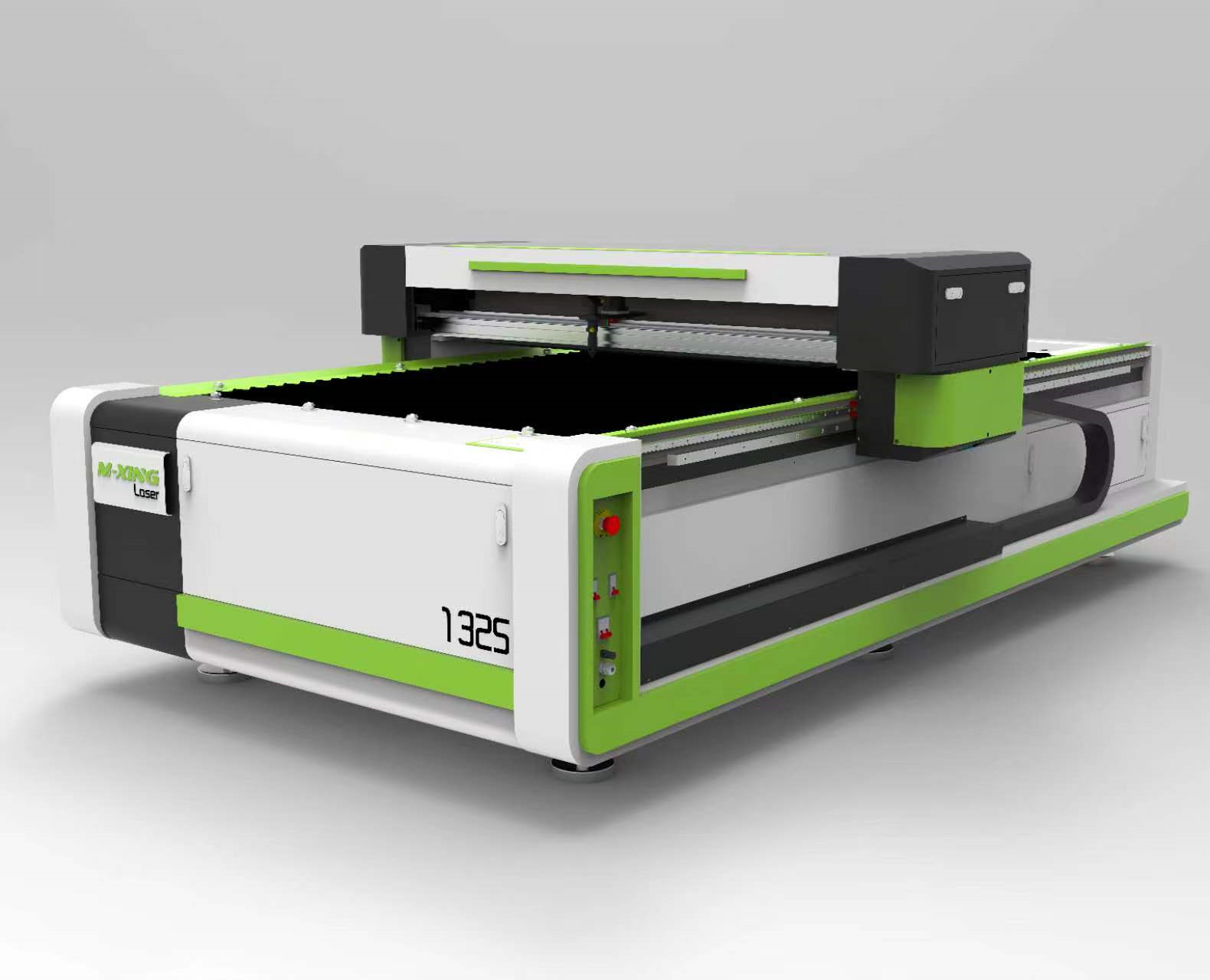
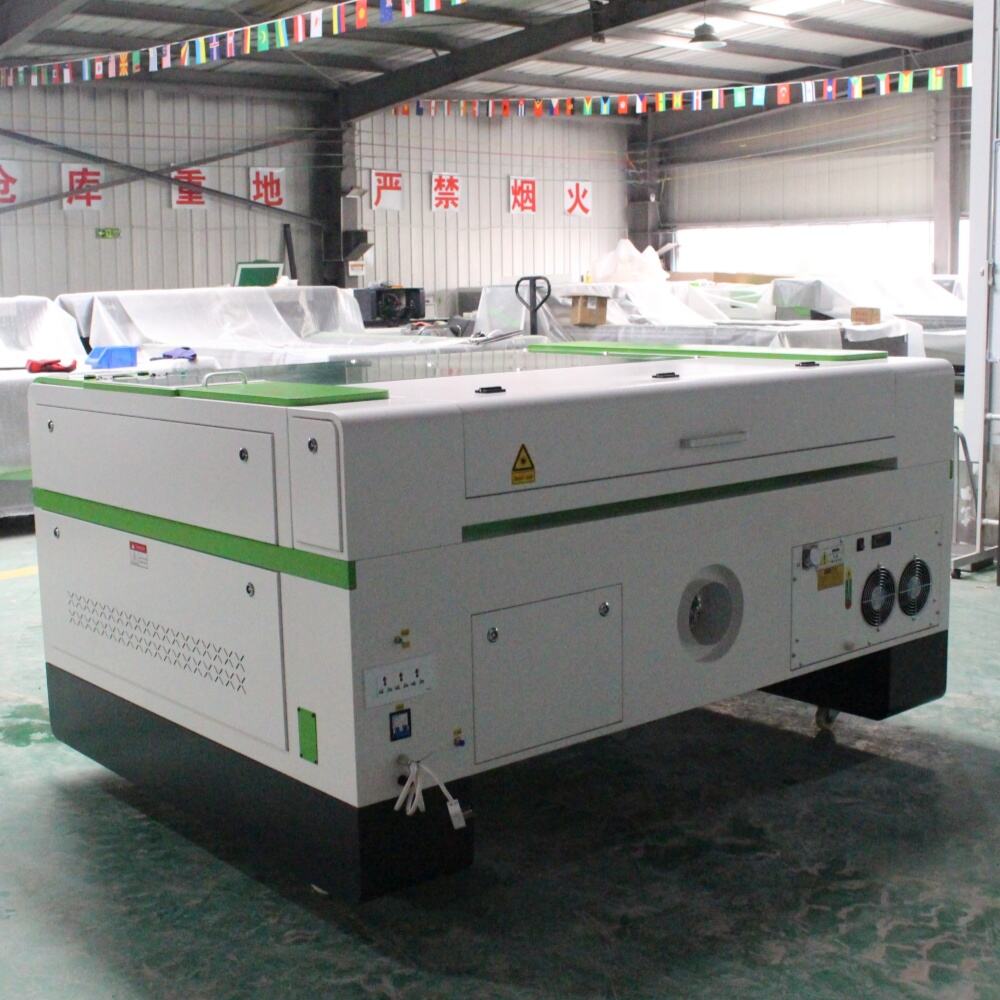
A laser cutting machine manufacturer represents the pinnacle of modern industrial fabrication technology, combining precision engineering with advanced photonics to deliver unparalleled cutting solutions across diverse industries. These sophisticated systems utilize focused laser beams to cut through various materials with exceptional accuracy, ranging from thin sheets to thick plates of metal, plastic, wood, fabric, and composite materials. The core functionality revolves around computer-controlled laser systems that follow programmed cutting paths, ensuring consistent results and minimal material waste. Modern laser cutting machine manufacturer facilities integrate multiple laser technologies including CO2 lasers for non-metallic materials, fiber lasers for metals, and crystal lasers for specialized applications. The technological infrastructure encompasses precision motion control systems, advanced cooling mechanisms, and sophisticated software platforms that enable complex design execution. These manufacturers typically offer comprehensive solutions including machine design, assembly, testing, installation, and ongoing technical support. Quality assurance protocols ensure each system meets stringent performance standards before deployment. The manufacturing process involves careful calibration of laser power output, beam quality optimization, and mechanical precision alignment to guarantee optimal cutting performance. Advanced features include automated material handling systems, real-time monitoring capabilities, and adaptive power control that adjusts laser parameters based on material thickness and composition. Many laser cutting machine manufacturer operations also provide customization services to meet specific industrial requirements, incorporating specialized fixtures, enhanced safety systems, and integration capabilities with existing production lines. The continuous innovation in laser technology has enabled these manufacturers to develop increasingly efficient systems with reduced operating costs, improved cutting speeds, and enhanced versatility across different material types and thicknesses.

New Products

Choosing the right laser cutting machine manufacturer provides numerous practical benefits that directly impact operational efficiency and profitability. These manufacturers deliver systems that significantly reduce production time compared to traditional cutting methods, enabling faster project completion and increased throughput. The precision capabilities eliminate the need for secondary finishing operations in most applications, reducing labor costs and streamlining workflow processes. Material waste drops dramatically due to narrow kerf widths and optimized nesting software that maximizes sheet utilization. Operating costs remain consistently low because laser systems require minimal maintenance and consumable replacement compared to mechanical cutting tools. The flexibility offered by reputable laser cutting machine manufacturer products allows businesses to handle diverse projects without investing in multiple specialized machines. Quality consistency improves substantially as computer-controlled systems eliminate human error variables and maintain identical cutting parameters across production runs. Setup times decrease significantly since laser systems require no physical tooling changes when switching between different cutting patterns or material types. The non-contact cutting process prevents material deformation and eliminates tool wear issues common with traditional methods. Safety standards exceed industry requirements through comprehensive protective enclosures, interlock systems, and emission control mechanisms. Energy efficiency improvements result from modern laser sources that convert electrical power more effectively while generating less waste heat. Scalability becomes achievable as manufacturers offer systems ranging from compact desktop units to large industrial installations that accommodate various production volumes. Training requirements remain minimal due to intuitive software interfaces and comprehensive support programs provided by established manufacturers. Return on investment accelerates through increased production capacity, reduced operational expenses, and improved product quality that commands premium pricing. Environmental benefits include reduced material consumption, elimination of chemical cutting agents, and lower carbon footprint compared to alternative cutting technologies. Customer support excellence ensures minimal downtime through rapid technical assistance, spare parts availability, and preventive maintenance programs that maximize system uptime and performance reliability.

Tips And Tricks

How does laser engraving machine work step by step?

05

Mar

How does laser engraving machine work step by step?

Laser engraving technology has revolutionized modern manufacturing and creative industries by providing precise, efficient, and versatile material processing capabilities. An engraving machine utilizes focused laser beams to create detailed patterns,...
View More
What is a laser engraver and how does it work in 2026?

03

Mar

What is a laser engraver and how does it work in 2026?

A laser engraver represents one of the most revolutionary technological advances in precision manufacturing and creative fabrication. This sophisticated device harnesses focused light energy to permanently mark, etch, or cut various materials with un...
View More
What materials can a laser engraver cut and engrave today?

06

Mar

What materials can a laser engraver cut and engrave today?

Modern manufacturing and creative industries have witnessed remarkable advancements in precision cutting and engraving technologies. A laser engraver has become an indispensable tool across various sectors, from small artisan workshops to large-scale...
View More
What CNC machine types work best for small workshops?

18

Mar

What CNC machine types work best for small workshops?

Small workshops face unique challenges when selecting the right manufacturing equipment, particularly when considering a cnc machine for their operations. Unlike large industrial facilities with extensive floor space and unlimited budgets, smaller op...
View More

Get a Free Quote

Our representative will contact you soon.
Email
Name
WhatsApp
Company Name
Message
0/1000

laser cutting machine manufacturer

Advanced Fiber Laser Technology Integration

Advanced Fiber Laser Technology Integration

Leading laser cutting machine manufacturer facilities prioritize fiber laser technology integration as a cornerstone of their product development strategy, recognizing its superior performance characteristics and operational advantages. Fiber laser systems represent the most significant advancement in laser cutting technology, offering exceptional beam quality, energy efficiency, and maintenance convenience that traditional CO2 systems cannot match. These manufacturers engineer fiber laser cutting machines with solid-state laser sources that eliminate the complex gas handling systems and regular maintenance requirements associated with older technologies. The beam delivery system utilizes flexible fiber optic cables instead of mirror-based beam paths, reducing alignment issues and enabling more compact machine designs with improved reliability. Power efficiency improvements of up to 40 percent compared to CO2 systems translate into substantial electricity cost savings over the system lifecycle. The superior beam quality achieves finer cutting details, smoother edge finishes, and faster processing speeds across various metal thicknesses. Fiber laser cutting machine manufacturer expertise extends to wavelength optimization, where the 1-micron wavelength provides enhanced absorption in reflective materials like copper, brass, and aluminum that previously presented challenges. The technology enables faster piercing times, reduced heat-affected zones, and improved cut quality consistency across different material grades. Advanced fiber laser systems incorporate intelligent power control algorithms that automatically adjust laser parameters based on real-time feedback, optimizing cutting performance while preventing material damage. The maintenance advantages include elimination of laser gas consumption, reduced optical component replacement frequency, and simplified calibration procedures that minimize service interruptions. These manufacturers also implement enhanced safety features specific to fiber laser systems, including improved beam containment and reduced electromagnetic emissions. The compact footprint of fiber laser sources allows for more ergonomic machine designs with better accessibility for material handling and routine maintenance tasks. Investment protection becomes paramount as fiber laser technology offers longer operational lifespans and consistent performance degradation curves that enable predictable replacement planning.
Comprehensive Software Solutions and Automation

Comprehensive Software Solutions and Automation

Professional laser cutting machine manufacturer companies distinguish themselves through comprehensive software ecosystem development that transforms complex cutting operations into streamlined, automated processes accessible to operators with varying skill levels. These integrated software solutions encompass everything from initial design import and optimization to final cut execution and quality verification, creating seamless workflows that maximize productivity while minimizing operator intervention requirements. Advanced nesting algorithms automatically arrange cutting patterns to achieve optimal material utilization, often improving sheet efficiency by 15-25 percent compared to manual layout methods. The software intelligence extends to automatic tool path optimization, where cutting sequences minimize travel time, reduce thermal distortion, and prevent tip-up issues on small parts. Real-time monitoring capabilities provide continuous feedback on cutting progress, laser performance parameters, and potential quality issues before they impact production output. Machine learning integration enables these systems to adapt cutting parameters based on historical performance data, continuously improving results across repeated job types. The user interface design prioritizes intuitive operation with visual programming tools that eliminate the need for complex G-code knowledge while maintaining full control over advanced parameters when required. Integration capabilities allow seamless connection with existing CAD/CAM systems, ERP platforms, and production management software, creating unified digital manufacturing environments. Remote monitoring and diagnostic features enable laser cutting machine manufacturer technical support teams to provide proactive assistance, identifying potential issues before they cause downtime and optimizing performance parameters remotely. Automated material handling integration coordinates with robotic loading systems, conveyor networks, and part sorting mechanisms to create fully autonomous production cells. Quality assurance modules incorporate vision systems and measurement tools that verify cut dimensions, edge quality, and part completeness without manual inspection requirements. The software architecture supports scalable implementation from single-machine installations to complex multi-station production lines with centralized control and monitoring capabilities. Predictive maintenance algorithms analyze system performance trends to schedule preventive service activities during planned downtime periods, maximizing system availability and preventing unexpected failures.
Customization and Industry-Specific Solutions

Customization and Industry-Specific Solutions

Established laser cutting machine manufacturer organizations excel in developing customized solutions tailored to specific industry requirements, recognizing that diverse applications demand specialized approaches beyond standard machine configurations. This customization expertise encompasses mechanical modifications, software adaptations, and integration capabilities that address unique production challenges across automotive, aerospace, medical device, architectural, and consumer goods manufacturing sectors. Automotive applications require laser cutting machine manufacturer solutions that handle high-strength steels, aluminum alloys, and composite materials with precise tolerances and minimal heat-affected zones to maintain material properties critical for safety components. Specialized fixturing systems accommodate complex three-dimensional cutting operations on formed parts, while integrated quality control systems ensure consistent results across high-volume production runs. Aerospace industry customizations focus on exotic materials like titanium, Inconel, and carbon fiber composites that demand precise parameter control and contamination prevention measures. Clean room compatible systems prevent particle generation that could compromise sensitive components, while specialized beam delivery systems enable cutting operations in confined spaces within aircraft assemblies. Medical device manufacturing requires laser cutting machine manufacturer solutions with enhanced precision capabilities, biocompatible material compatibility, and documentation systems that support regulatory compliance requirements. Micro-cutting capabilities enable processing of intricate stents, surgical instruments, and implantable devices with tolerances measured in micrometers. Architectural applications benefit from large-format cutting systems capable of processing thick structural materials while maintaining artistic design fidelity in decorative elements. Specialized material handling systems accommodate oversized sheets and complex geometries common in building facade and artistic installation projects. The customization process begins with comprehensive application analysis where manufacturer engineers evaluate material requirements, production volumes, quality specifications, and integration needs to develop optimal system configurations. Prototype development and testing phases ensure performance validation before full system deployment, minimizing implementation risks and ensuring successful integration into existing production environments. Ongoing support includes application-specific training programs, parameter optimization services, and continuous improvement consulting that helps customers maximize their customized system capabilities throughout the equipment lifecycle.
Professional Laser Cutting Machine Manufacturer - Advanced Industrial Cutting Solutions

Get a Free Quote

Our representative will contact you soon.
Email
Name
WhatsApp
Company Name
Message
0/1000