Industrial CNC Machine Solutions - Precision Manufacturing Technology

All Categories

Get a Free Quote

Our representative will contact you soon.
Email
Name
WhatsApp
Company Name
Message
0/1000

industrial cnc machine

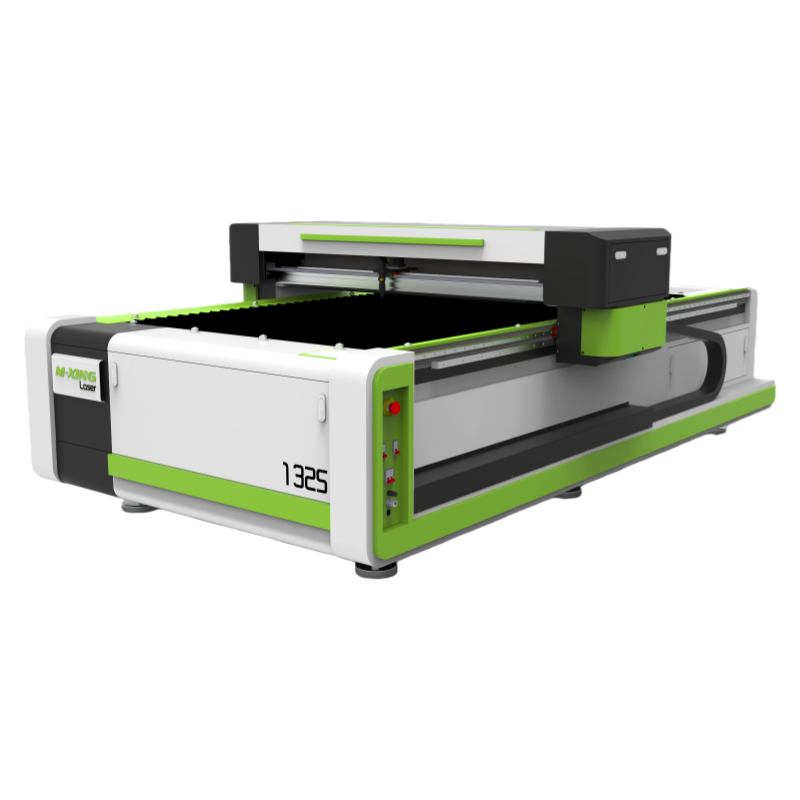
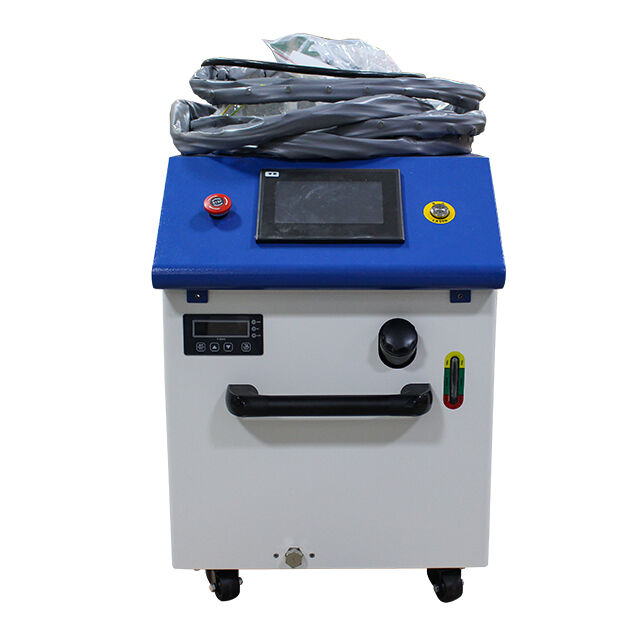
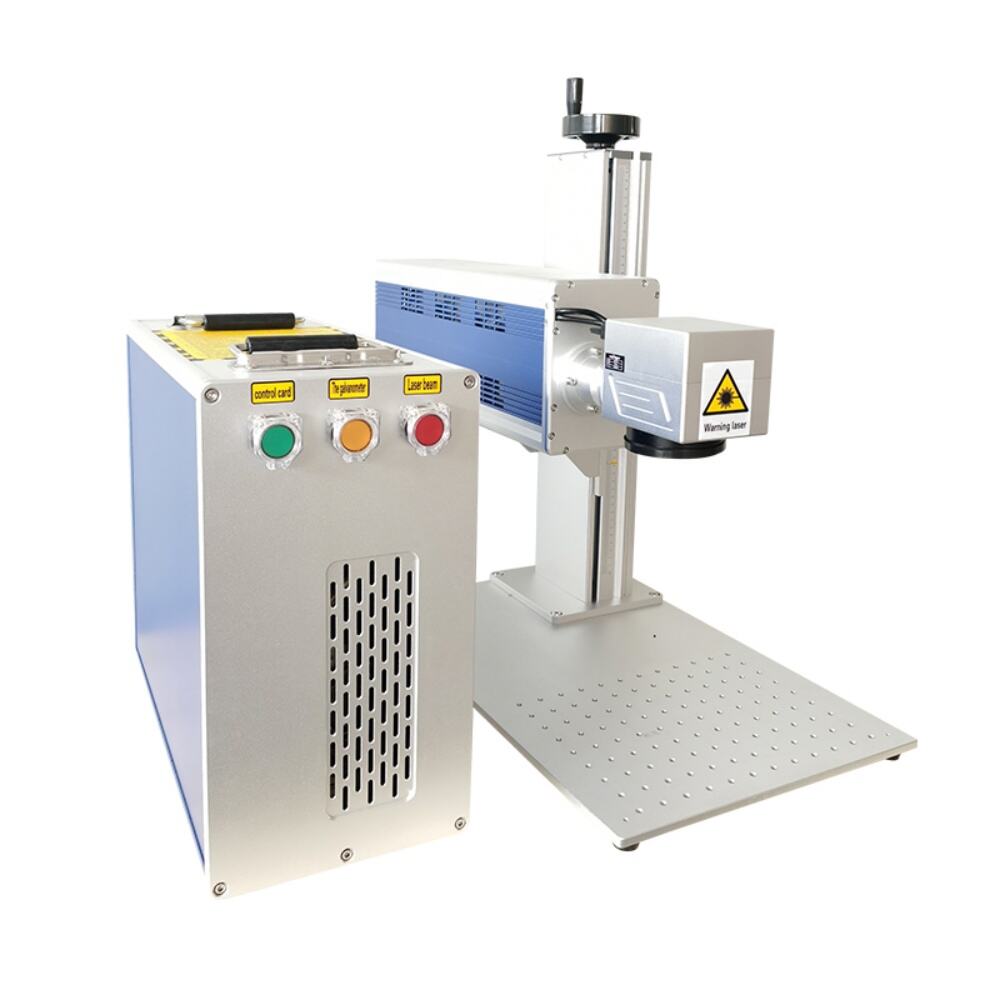
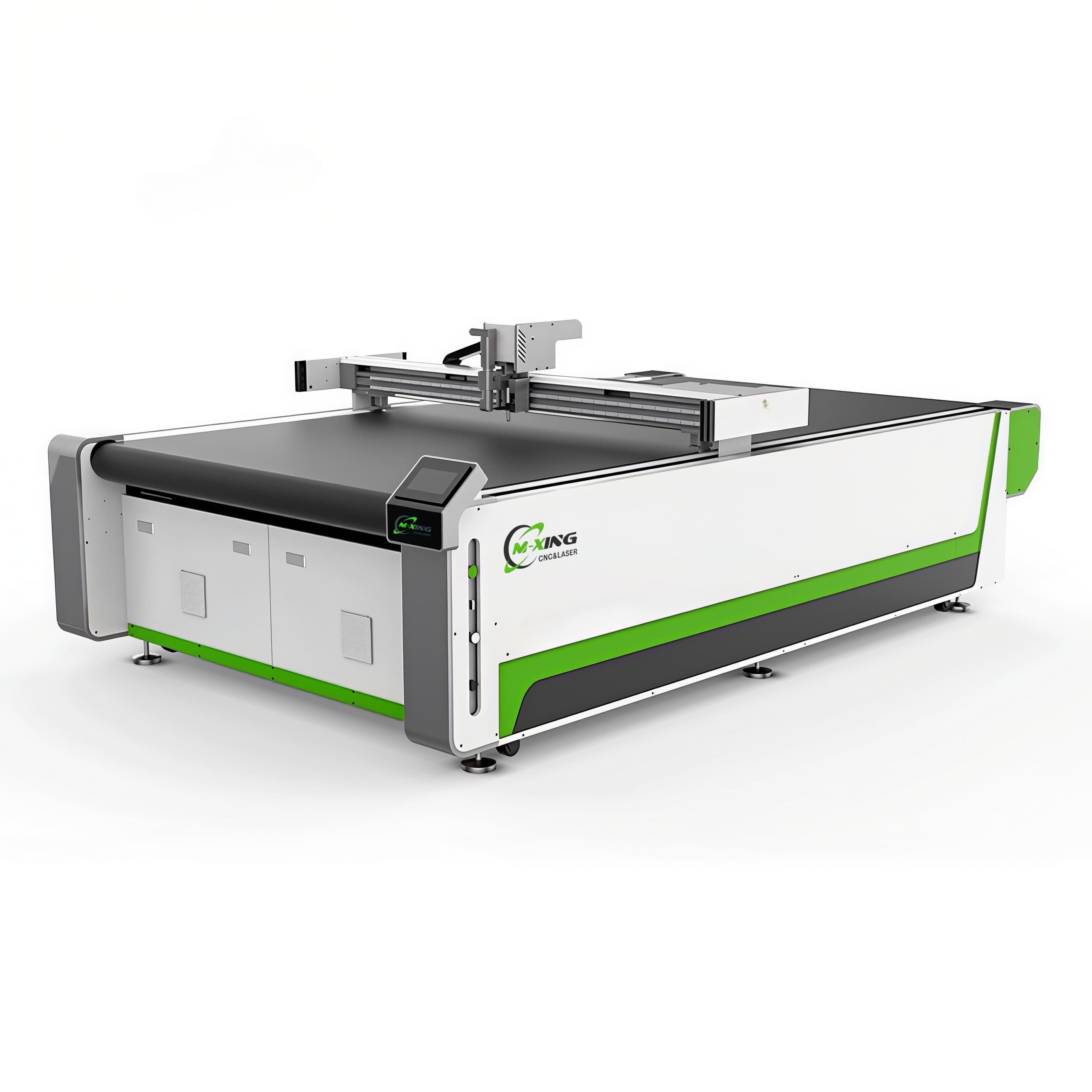
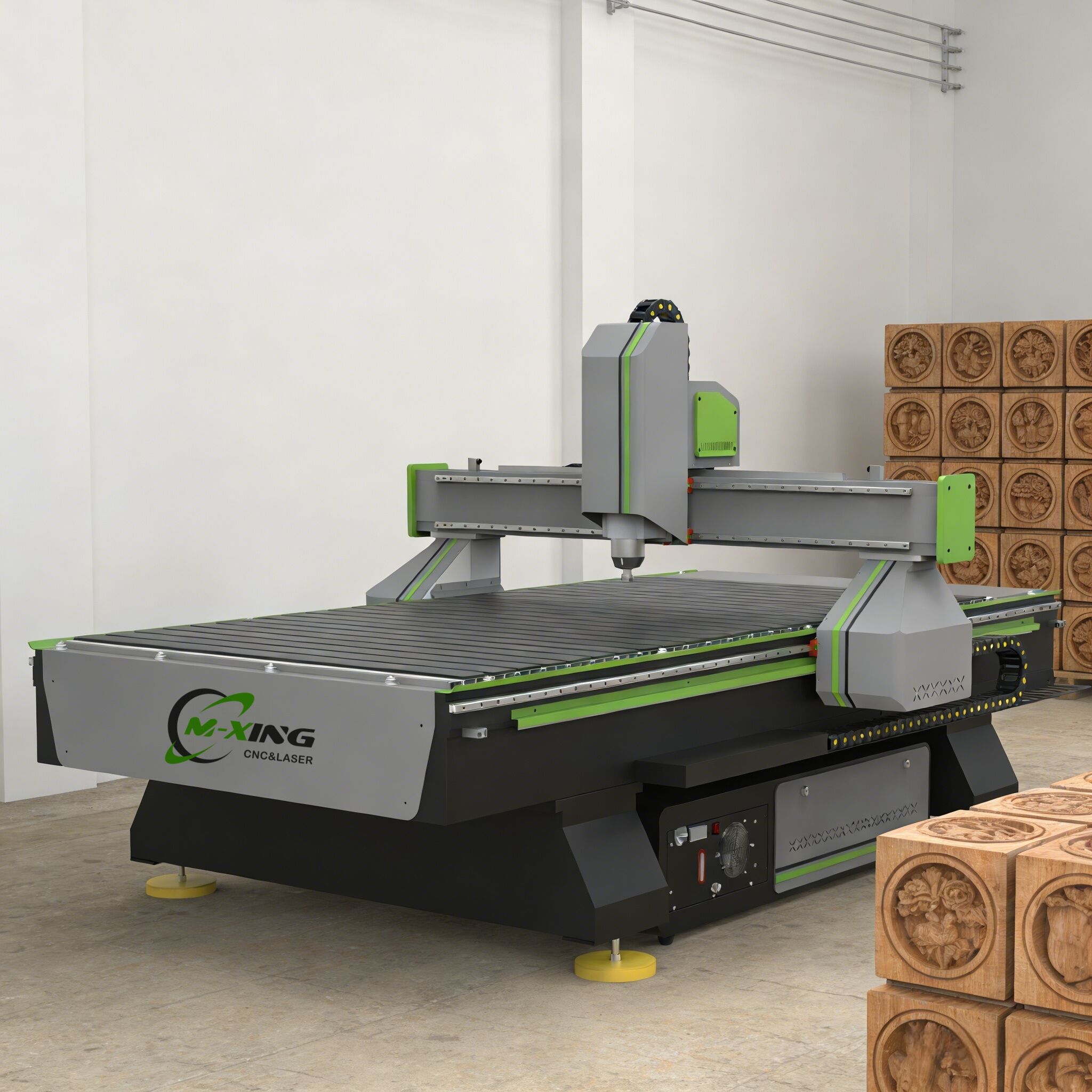
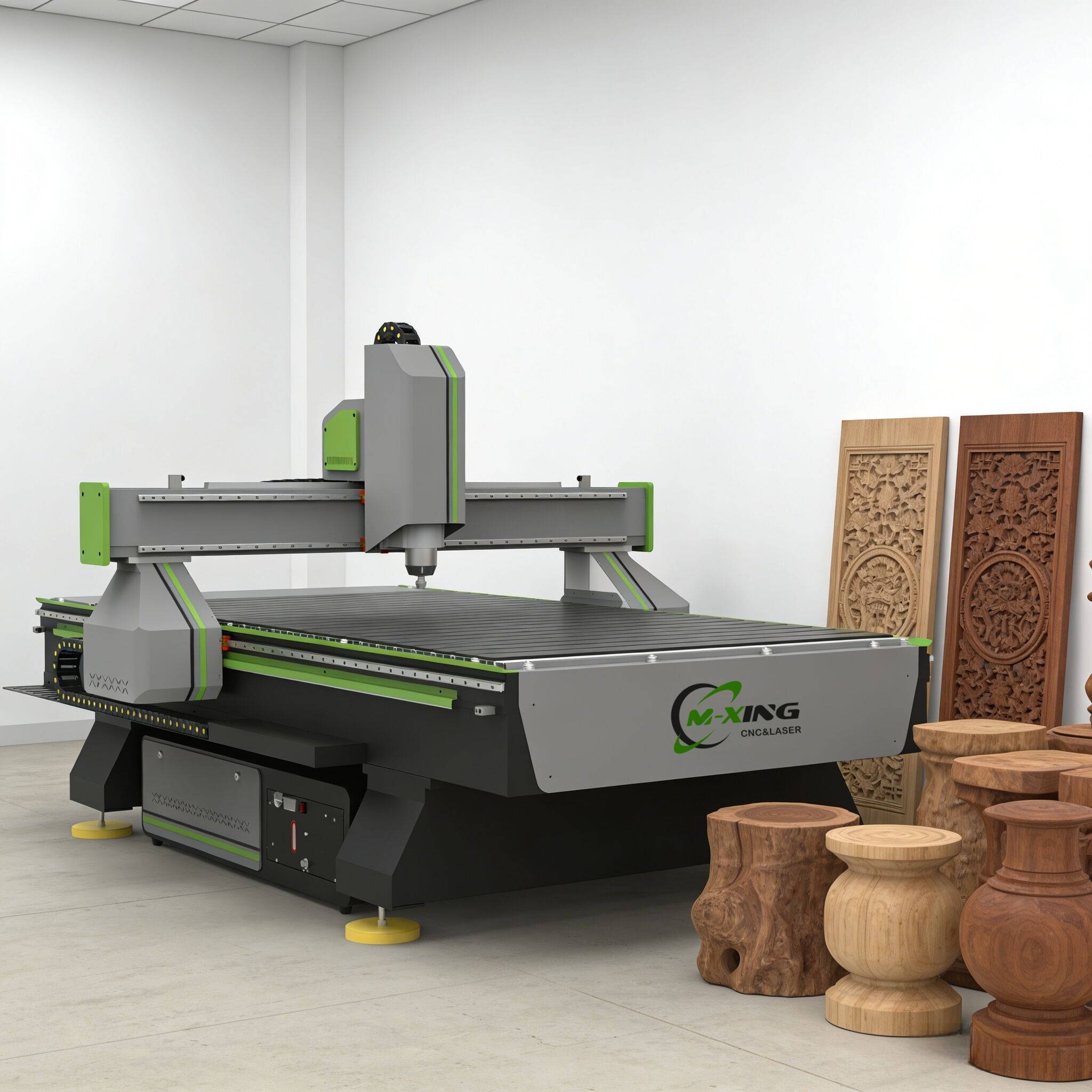
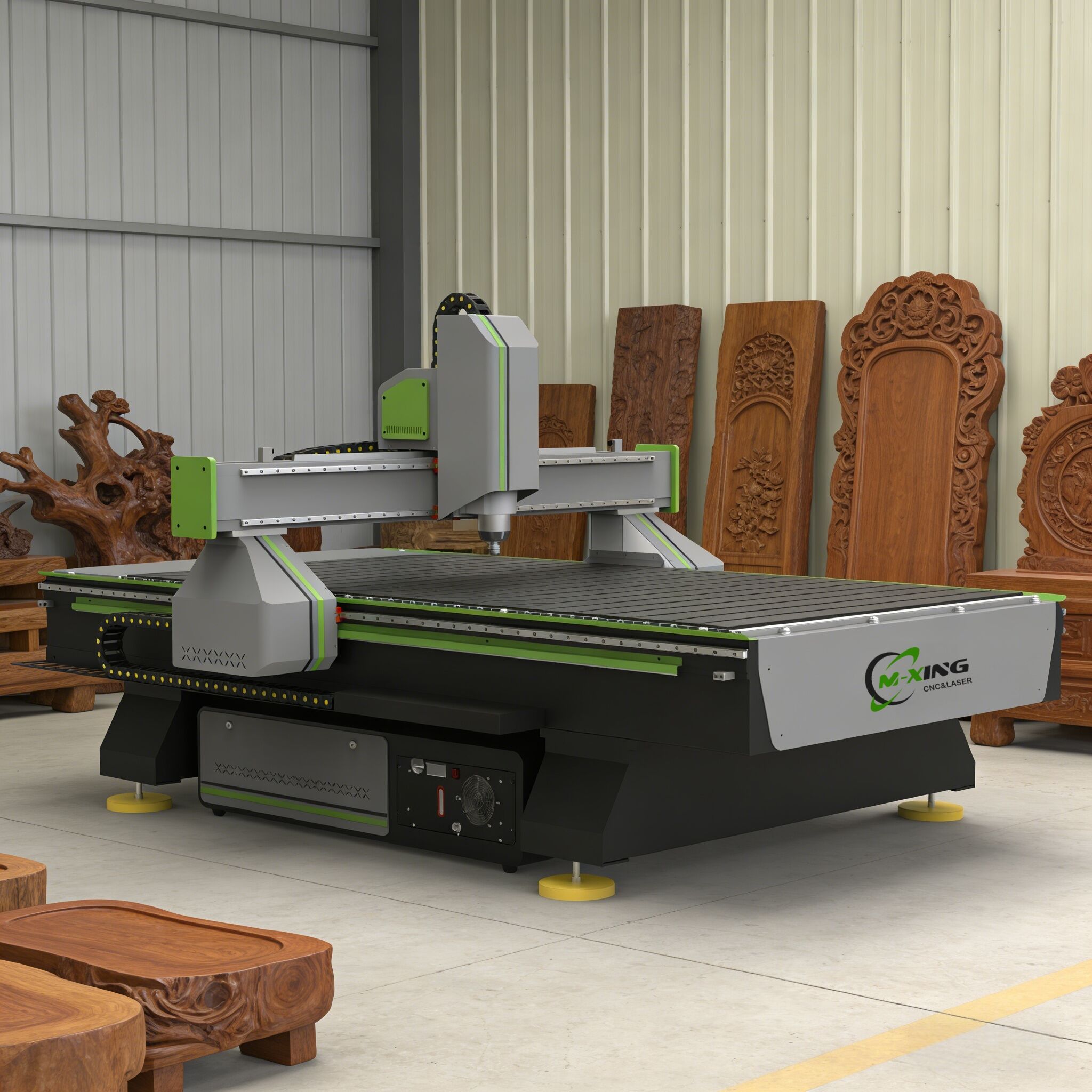
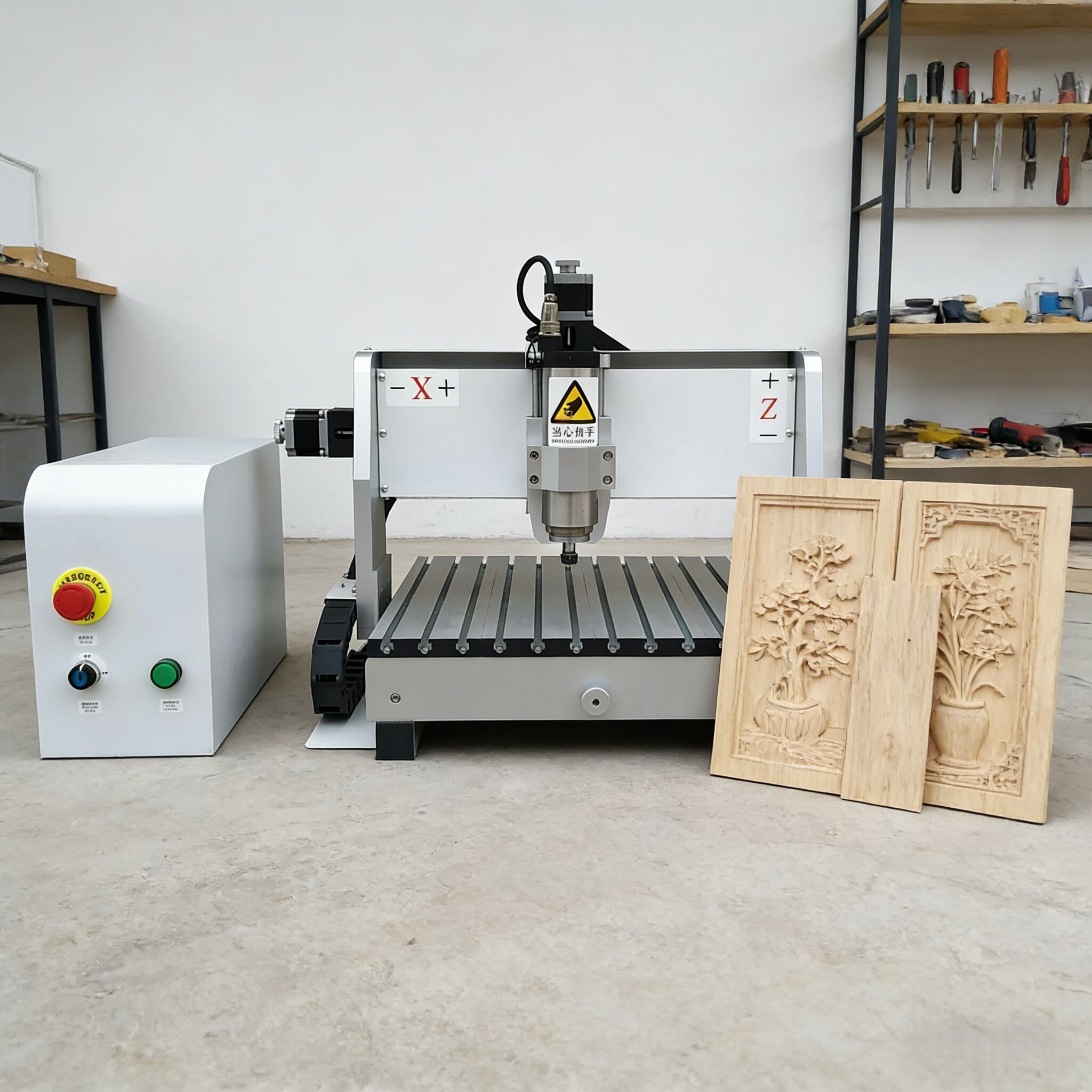
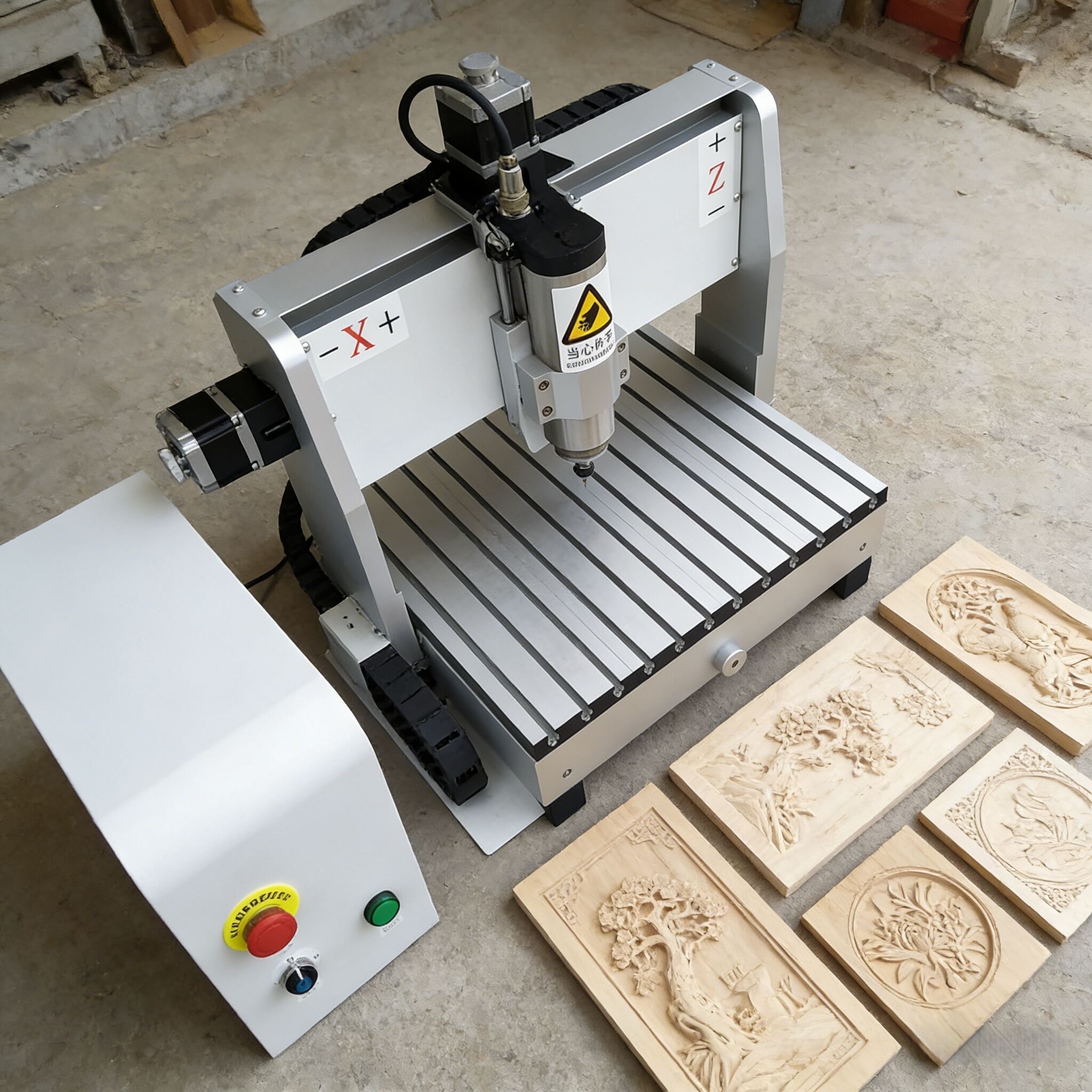
An industrial CNC machine represents a revolutionary advancement in manufacturing technology that has transformed how companies produce components and products. CNC stands for Computer Numerical Control, which means these machines operate through precise computer programming to control cutting tools, drilling equipment, and other manufacturing processes. The industrial CNC machine serves as the backbone of modern manufacturing facilities, offering unprecedented accuracy and repeatability in production operations. These sophisticated systems utilize advanced software to interpret digital designs and convert them into physical products through automated machining processes. The main functions of an industrial CNC machine encompass cutting, drilling, milling, turning, grinding, and shaping various materials including metals, plastics, composites, and wood. The machine reads coded instructions from computer programs to position cutting tools exactly where needed, maintaining consistent quality across thousands of identical parts. Technological features include servo motors for precise movement control, linear encoders for position feedback, automatic tool changers for multi-operation capabilities, and advanced cooling systems to maintain optimal operating temperatures. Modern industrial CNC machines incorporate touchscreen interfaces, real-time monitoring systems, and predictive maintenance capabilities that alert operators to potential issues before they cause production delays. Applications span across aerospace manufacturing where precision tolerances are critical, automotive production lines requiring high-volume output, medical device manufacturing demanding sterile processing conditions, and prototyping workshops creating custom components. The versatility of an industrial CNC machine allows manufacturers to switch between different products quickly by loading new programs, making them ideal for both mass production and specialized custom work. These machines operate continuously with minimal human intervention, dramatically increasing productivity while reducing labor costs and human error rates in manufacturing operations.

New Product Recommendations

The industrial CNC machine delivers substantial advantages that directly impact your bottom line and operational efficiency. First, these machines produce parts with exceptional accuracy, typically achieving tolerances within thousandths of an inch consistently across production runs. This precision eliminates costly rework and reduces material waste, saving money on both raw materials and labor costs. Your production speed increases dramatically because an industrial CNC machine operates continuously without breaks, fatigue, or shift changes that affect human workers. The machine runs 24 hours per day when needed, maximizing your manufacturing output and meeting tight delivery deadlines that keep customers satisfied. Labor costs decrease significantly since one operator can monitor multiple machines simultaneously, reducing your staffing requirements while maintaining high production volumes. The industrial CNC machine produces identical parts every time, eliminating quality variations that plague manual manufacturing processes. This consistency reduces customer complaints, warranty claims, and returns that damage your reputation and profitability. Setup times shrink because the machine stores programs digitally, allowing quick switches between different products without lengthy manual adjustments. You can respond faster to customer orders and market changes, giving your business competitive advantages in dynamic industries. Safety improves substantially because operators work at safe distances from cutting tools and moving parts, reducing workplace accidents and associated insurance costs. The enclosed design of most industrial CNC machines contains chips, coolant, and noise, creating better working environments for your employees. Flexibility increases as you can manufacture complex geometries impossible with conventional methods, opening new market opportunities and allowing innovative product designs. Programming capabilities enable you to optimize cutting paths, speeds, and feeds automatically, extending tool life and reducing replacement costs. Quality control becomes more reliable through built-in measurement systems that verify dimensions during machining, catching errors immediately before they affect entire production batches. Your skilled workers focus on higher-value tasks like programming, setup, and quality inspection rather than repetitive manual operations, improving job satisfaction and retention rates.

Tips And Tricks

How does laser engraving machine work step by step?

05

Mar

How does laser engraving machine work step by step?

Laser engraving technology has revolutionized modern manufacturing and creative industries by providing precise, efficient, and versatile material processing capabilities. An engraving machine utilizes focused laser beams to create detailed patterns,...
View More
What is a laser engraver and how does it work in 2026?

03

Mar

What is a laser engraver and how does it work in 2026?

A laser engraver represents one of the most revolutionary technological advances in precision manufacturing and creative fabrication. This sophisticated device harnesses focused light energy to permanently mark, etch, or cut various materials with un...
View More
What materials can a laser engraver cut and engrave today?

06

Mar

What materials can a laser engraver cut and engrave today?

Modern manufacturing and creative industries have witnessed remarkable advancements in precision cutting and engraving technologies. A laser engraver has become an indispensable tool across various sectors, from small artisan workshops to large-scale...
View More
What CNC machine types work best for small workshops?

18

Mar

What CNC machine types work best for small workshops?

Small workshops face unique challenges when selecting the right manufacturing equipment, particularly when considering a cnc machine for their operations. Unlike large industrial facilities with extensive floor space and unlimited budgets, smaller op...
View More

Get a Free Quote

Our representative will contact you soon.
Email
Name
WhatsApp
Company Name
Message
0/1000

industrial cnc machine

Unmatched Precision and Repeatability Performance

Unmatched Precision and Repeatability Performance

The industrial CNC machine delivers precision that surpasses human capabilities and traditional manufacturing methods by substantial margins. This precision stems from advanced servo motor systems that position cutting tools within microns of specified locations, ensuring every part meets exact dimensional requirements. The machine eliminates human error factors such as fatigue, distraction, or skill variations that commonly affect manual operations. Ball screw drives and linear guide systems provide smooth, accurate movement along all axes while encoder feedback systems continuously monitor and correct positioning throughout the machining process. Temperature compensation features automatically adjust for thermal expansion in both the machine structure and workpieces, maintaining accuracy even during extended operation periods when components heat up from friction and cutting forces. The industrial CNC machine stores programs digitally with mathematical precision, ensuring identical reproduction of parts across thousands of production cycles without drift or degradation. Automatic tool length measurement and wear compensation adjust for tool changes and gradual wear, maintaining consistent part dimensions throughout tool life. This level of repeatability proves especially valuable in industries requiring tight tolerances such as aerospace, medical devices, and precision instrumentation where small variations can cause catastrophic failures or regulatory non-compliance issues. Quality control becomes predictable and reliable because the machine produces parts within specified tolerances consistently, reducing inspection time and eliminating guesswork about dimensional accuracy. Statistical process control integration tracks performance trends and alerts operators to potential issues before they affect production quality. The precision capabilities enable manufacturers to hold tighter tolerances than previously possible, often eliminating secondary operations like grinding or hand finishing that add cost and time to production schedules. Customer satisfaction improves because parts fit together properly every time, reducing assembly problems and field failures that damage brand reputation and generate expensive warranty claims.
Maximum Operational Efficiency and Productivity

Maximum Operational Efficiency and Productivity

The industrial CNC machine revolutionizes manufacturing efficiency through automation that eliminates bottlenecks and maximizes productive output per hour of operation. Unlike manual machining that depends on operator skill and attention, the CNC system maintains consistent cutting speeds, feed rates, and tool paths optimized for each specific operation. Automatic tool changers switch between different cutting tools in seconds rather than minutes required for manual changes, reducing non-productive time and keeping spindles cutting material continuously. The machine operates unattended during lights-out manufacturing periods, producing parts while facilities remain unstaffed overnight or during weekends, effectively doubling or tripling production capacity without additional labor costs. Multi-axis capabilities enable complex parts to complete in single setups that previously required multiple operations on different machines, eliminating handling time, setup errors, and work-in-process inventory costs. Advanced programming features optimize tool paths to minimize air cutting and rapid traverse times while maximizing material removal rates safely within machine and tool capabilities. Spindle speeds and feed rates adjust automatically based on material properties, tool conditions, and geometric requirements, ensuring optimal performance without constant operator intervention. The industrial CNC machine scheduling systems coordinate multiple operations efficiently, reducing idle time and maintaining steady workflow through production facilities. Predictive maintenance monitoring prevents unexpected breakdowns that disrupt production schedules and create costly emergency repairs. Real-time performance monitoring tracks cycle times, tool life, and productivity metrics that help identify improvement opportunities and benchmark performance against industry standards. Integration with enterprise resource planning systems enables automated scheduling, inventory management, and production reporting that streamlines administrative tasks. Faster prototype development cycles allow companies to bring products to market quicker, gaining competitive advantages and capturing revenue opportunities before competitors respond to market demands.
Versatile Multi-Material Processing Capabilities

Versatile Multi-Material Processing Capabilities

The industrial CNC machine demonstrates remarkable versatility by processing diverse materials ranging from soft plastics to exotic aerospace alloys with equal proficiency and precision. This adaptability stems from programmable parameters that adjust cutting speeds, feed rates, tool selection, and cooling strategies to match specific material properties and machining requirements. Aluminum processing benefits from high-speed cutting capabilities and efficient chip evacuation systems that prevent material buildup and ensure smooth surface finishes. Steel machining utilizes robust construction and powerful spindle motors that maintain accuracy under heavy cutting loads while flood cooling systems manage heat generation effectively. Stainless steel operations require specialized programming to prevent work hardening and achieve proper surface finishes without compromising dimensional accuracy or tool life. The industrial CNC machine handles titanium and other aerospace materials through controlled cutting parameters that manage heat generation and prevent chemical reactions that could compromise material properties. Plastic and composite materials require different approaches including sharp tools, appropriate speeds, and sometimes specialized workholding to prevent melting, delamination, or dimensional distortion during processing. Programming flexibility allows operators to create custom cycles for unusual materials or specific customer requirements without machine modifications or additional equipment investments. Tool library systems store optimal parameters for different material and tool combinations, enabling quick setup for various jobs while ensuring consistent results across different operators and shifts. Multi-spindle configurations enable simultaneous operations on different materials or parts, maximizing machine utilization and production flexibility. The machine accommodates various part sizes from tiny precision components to large structural elements through modular workholding systems and extended travel capabilities. Surface finish requirements ranging from rough machining to mirror polishing become achievable through programming control over cutting parameters and tool selection. This versatility enables manufacturers to accept diverse customer projects without investing in multiple specialized machines, improving return on investment and market responsiveness while reducing facility space requirements and maintenance complexity.
Industrial CNC Machine Solutions - Precision Manufacturing Technology

Get a Free Quote

Our representative will contact you soon.
Email
Name
WhatsApp
Company Name
Message
0/1000