Comprehensive Material Compatibility and Versatility
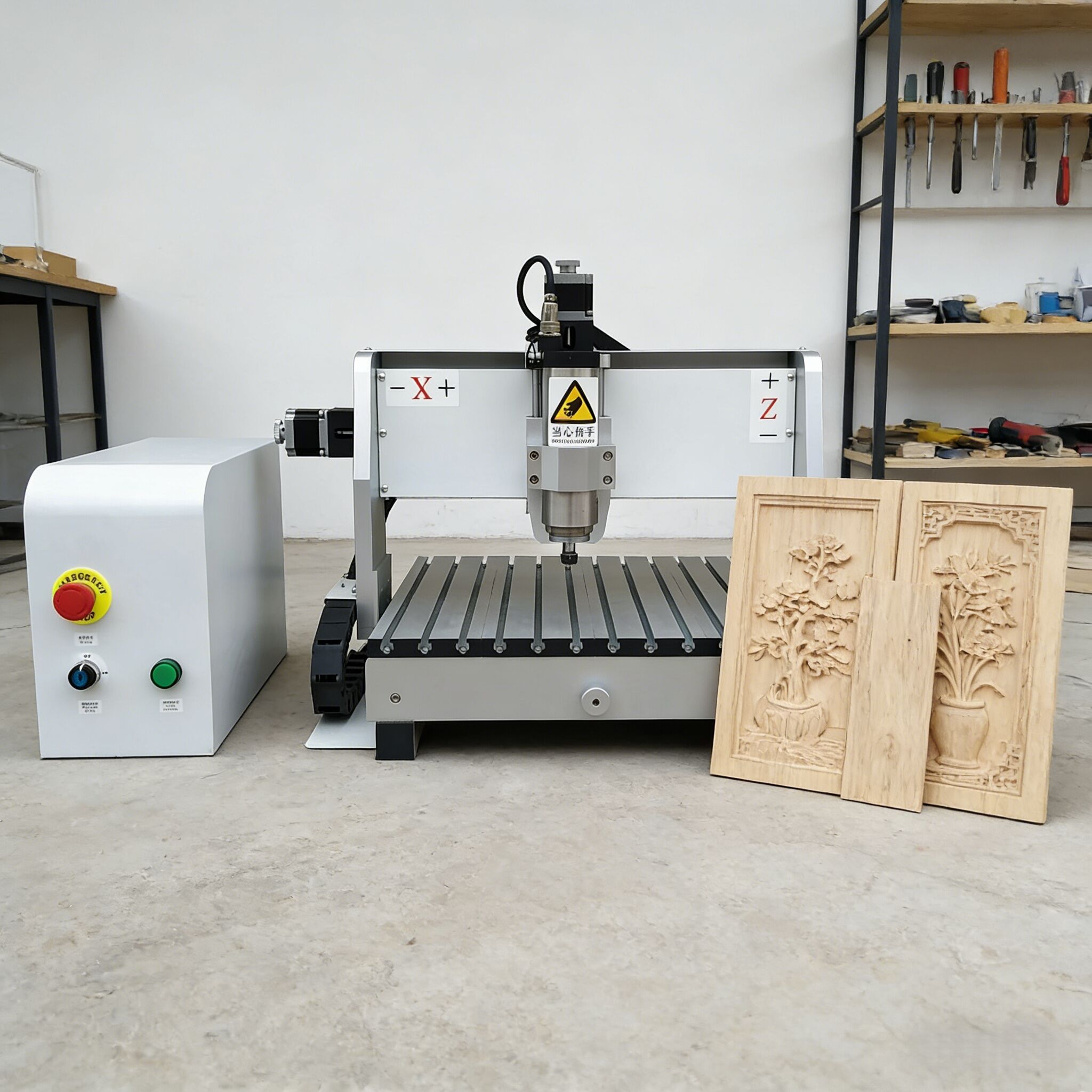
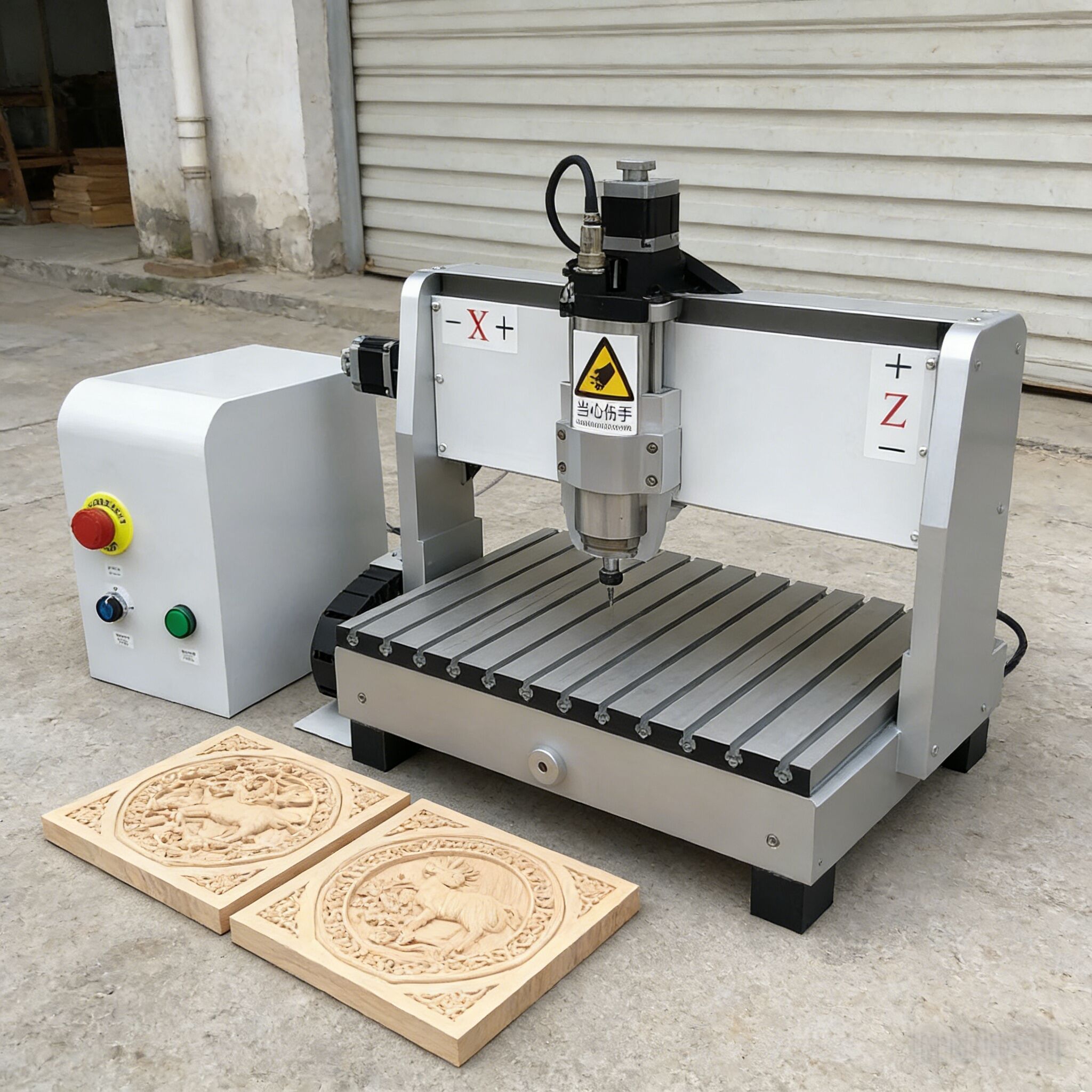
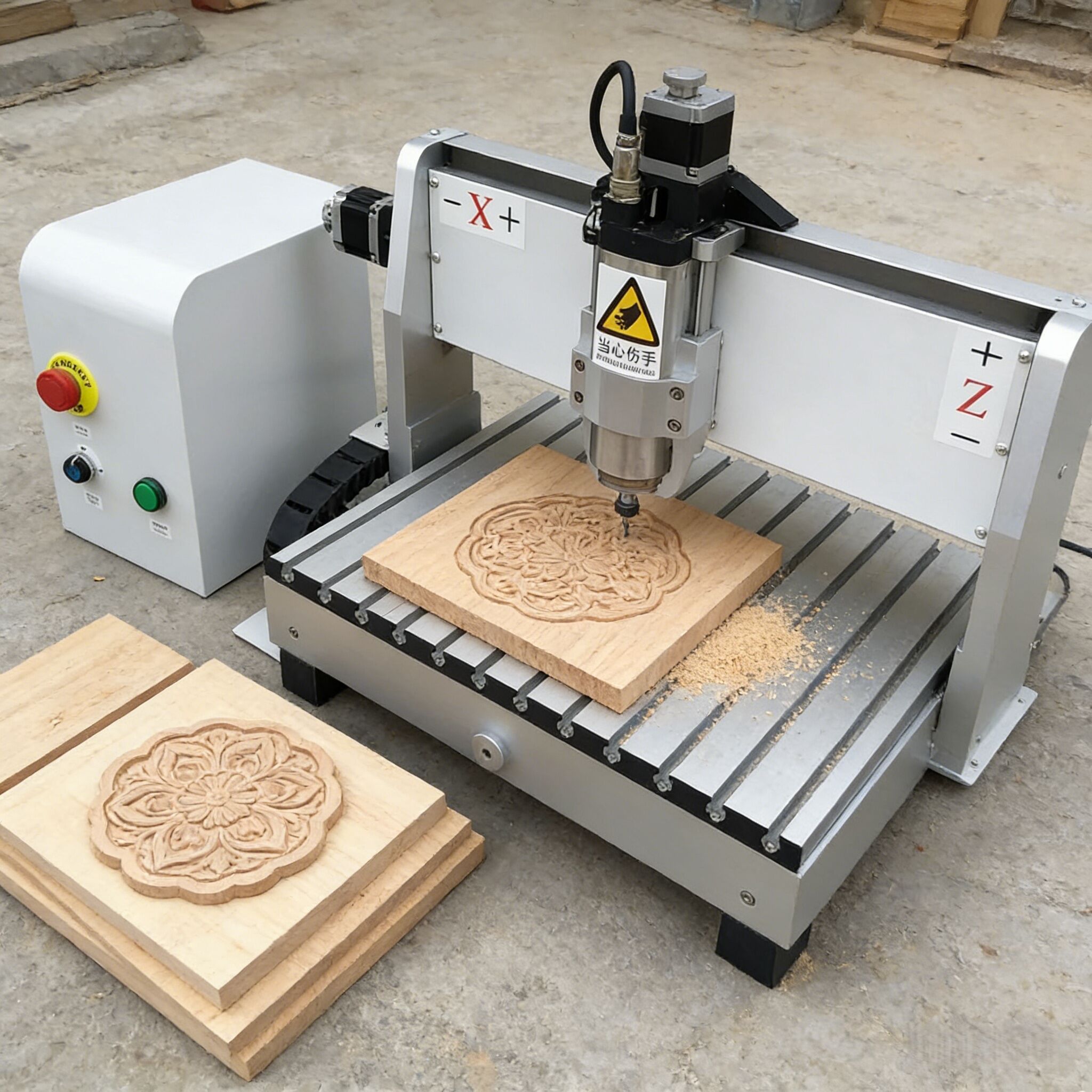
The engrave machine demonstrates exceptional versatility through comprehensive material compatibility that accommodates virtually every substrate type encountered in modern manufacturing and creative applications. This remarkable adaptability stems from advanced technology integration that automatically adjusts parameters based on material properties, ensuring optimal results regardless of substrate characteristics. Metal processing capabilities include stainless steel, aluminum, brass, copper, titanium, and exotic alloys, with applications spanning industrial identification, decorative elements, and precision component marking. Plastic material support encompasses acrylics, polycarbonates, polyethylene, ABS, and engineering plastics used in electronics, automotive, and consumer goods industries. Organic material compatibility extends to wood species, leather grades, fabric types, and paper products, enabling creative applications in furniture, fashion, packaging, and artistic projects. Glass and ceramic processing capabilities support architectural applications, decorative items, awards, and specialized industrial components requiring permanent marking solutions. The engrave machine adapts to varying material thicknesses, from ultra-thin films to substantial blocks, through adjustable focus systems and variable power controls. Surface preparation requirements remain minimal, as the technology accommodates raw materials, finished products, and coated surfaces without extensive preprocessing. Quality consistency maintains across different material batches, ensuring uniform results regardless of supplier variations or material age. The versatility extends to mixed-material assemblies, allowing simultaneous processing of composite products without repositioning or equipment changes. Production flexibility enables rapid material transitions, supporting diverse project requirements and changing market demands without operational disruptions. Specialized applications include medical device marking, aerospace component identification, jewelry customization, and electronic circuit labeling, demonstrating the technology's broad industrial relevance.
 EN
EN