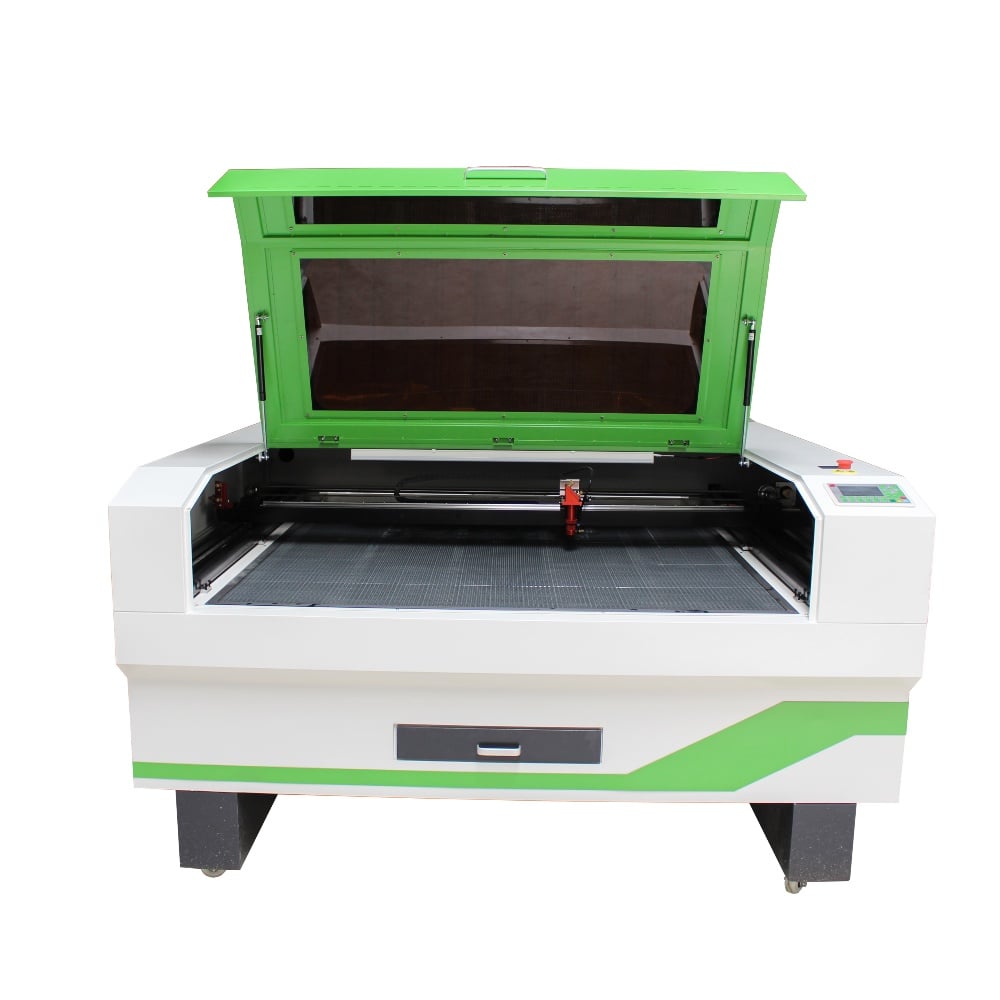
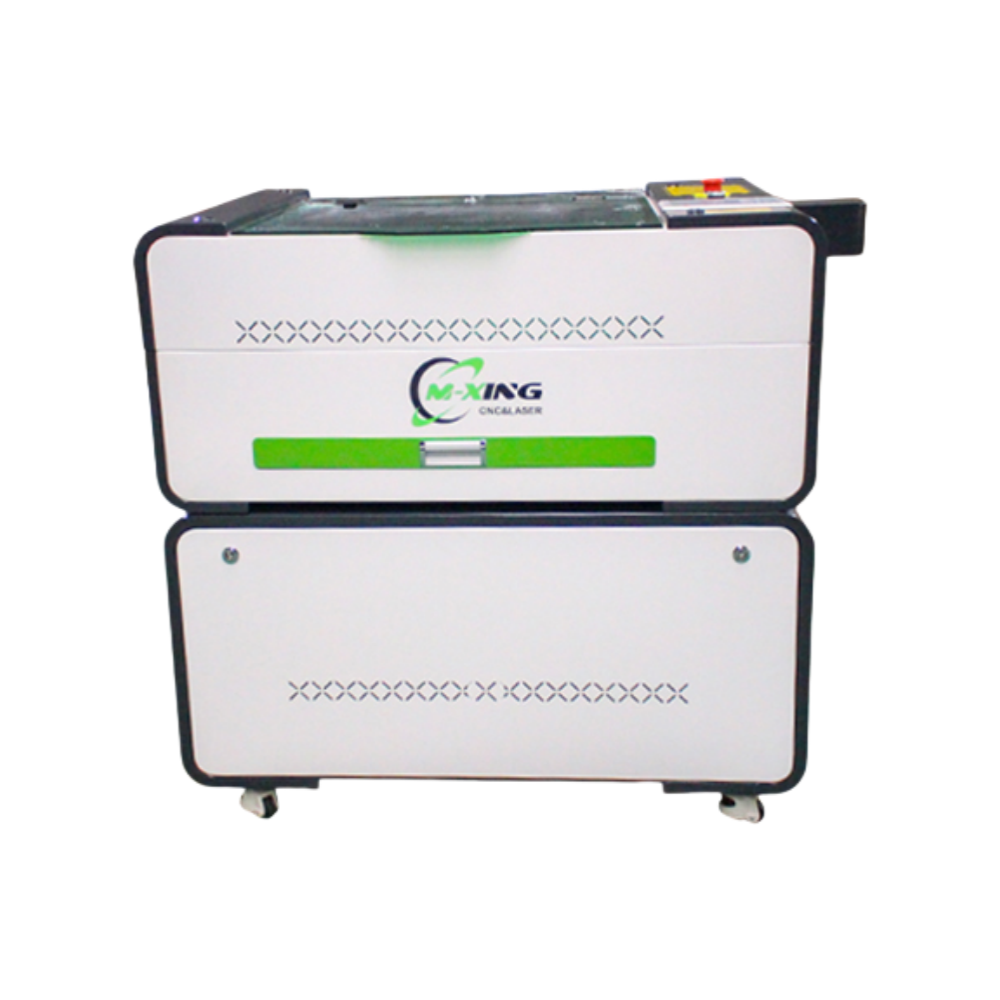
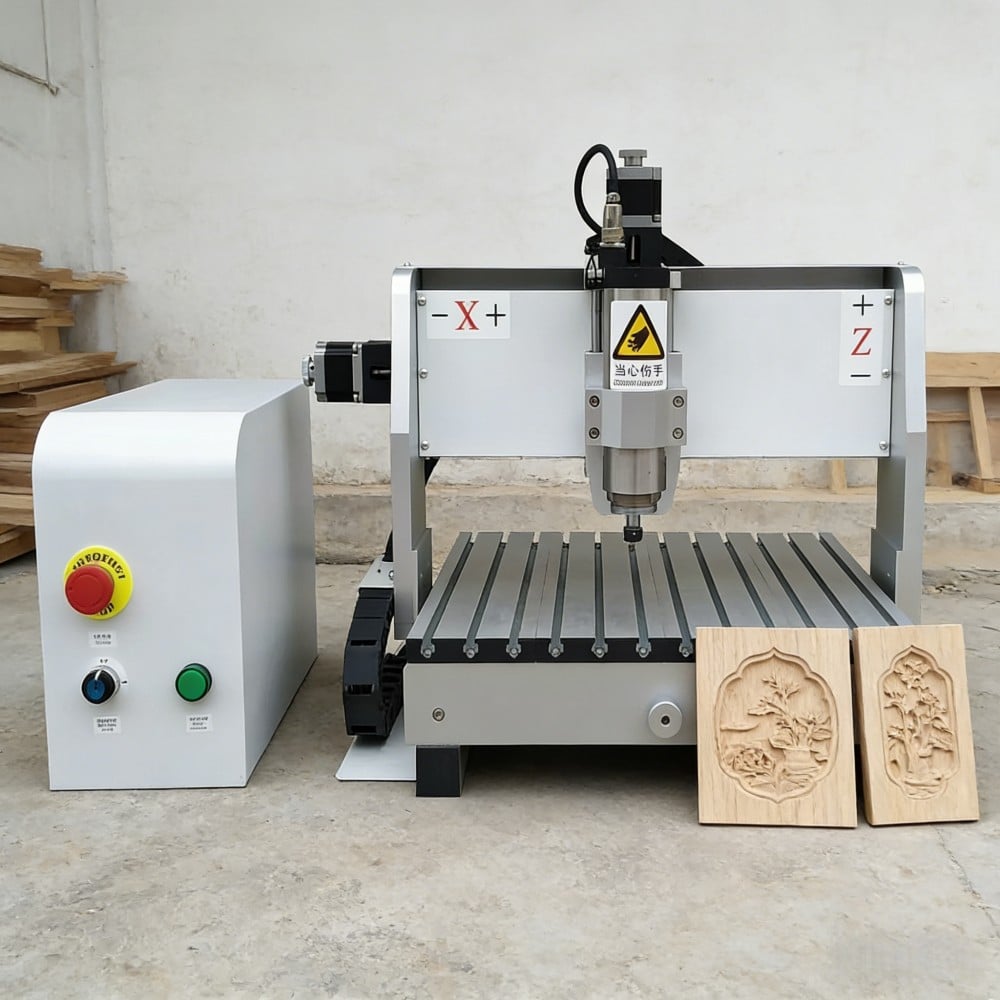
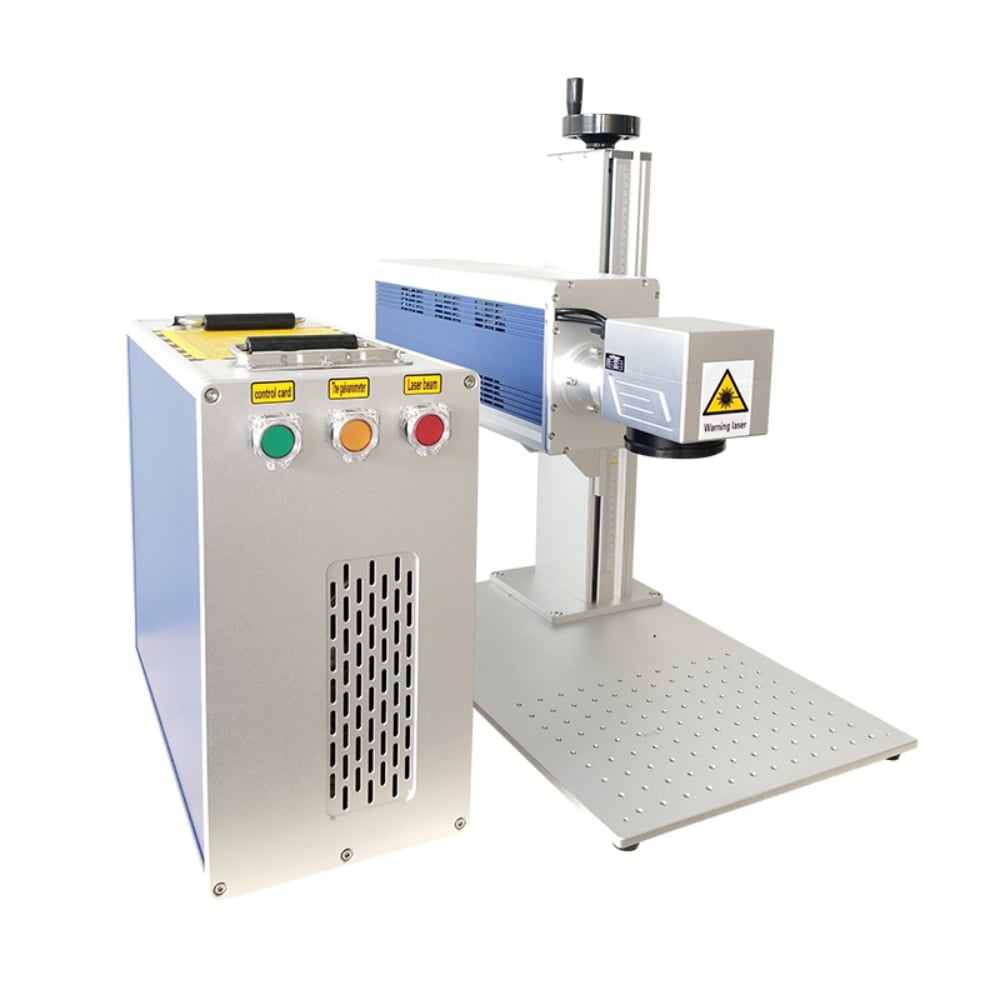
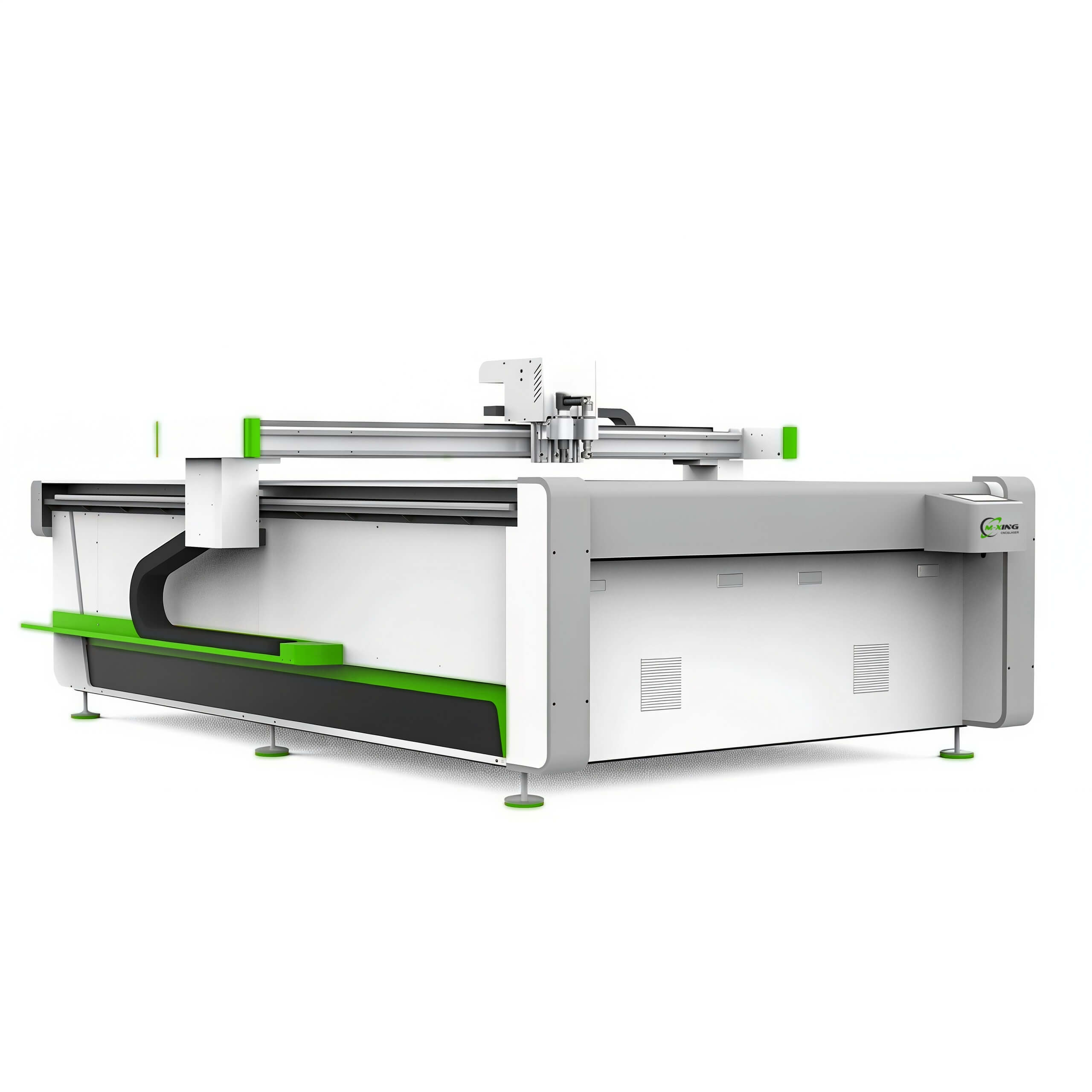
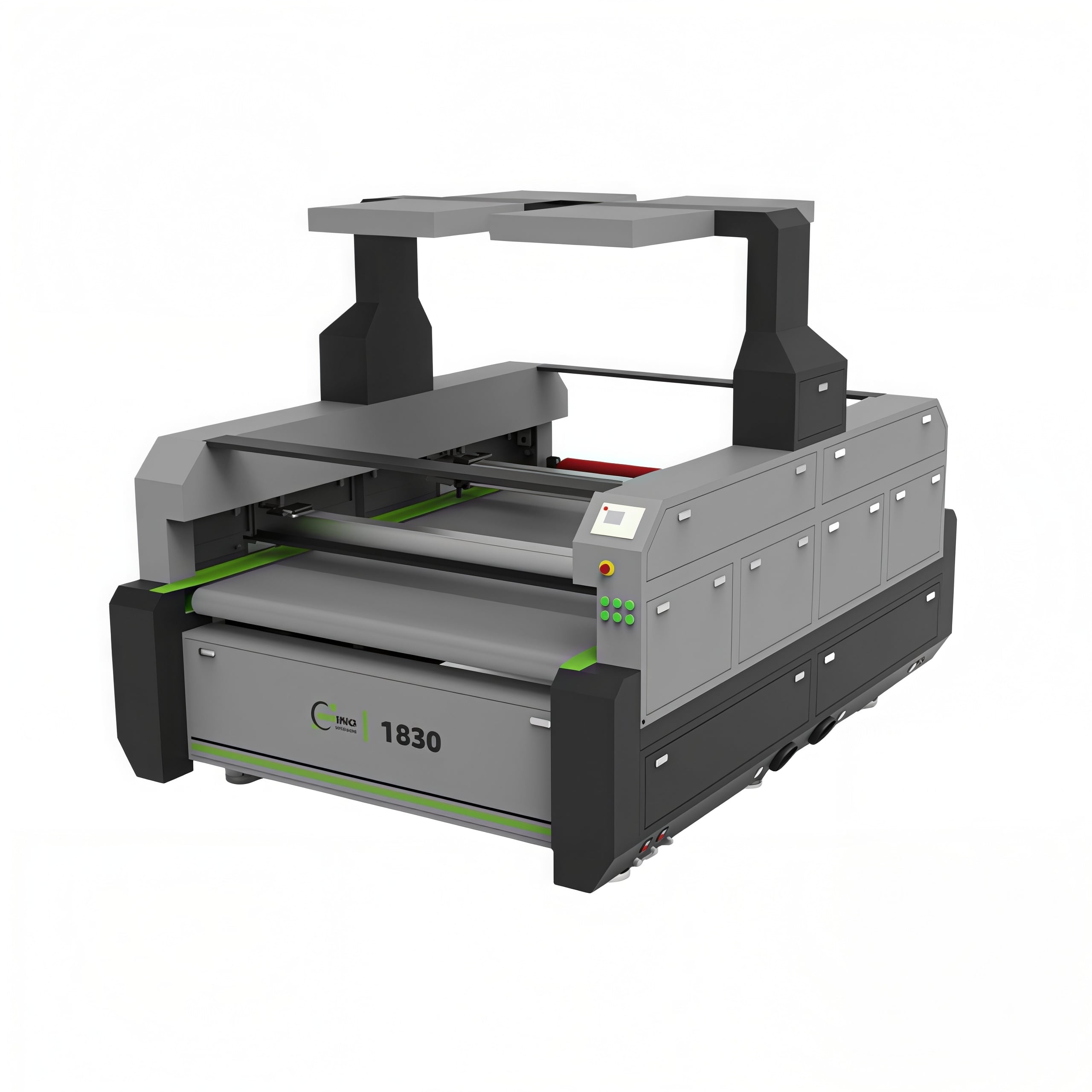
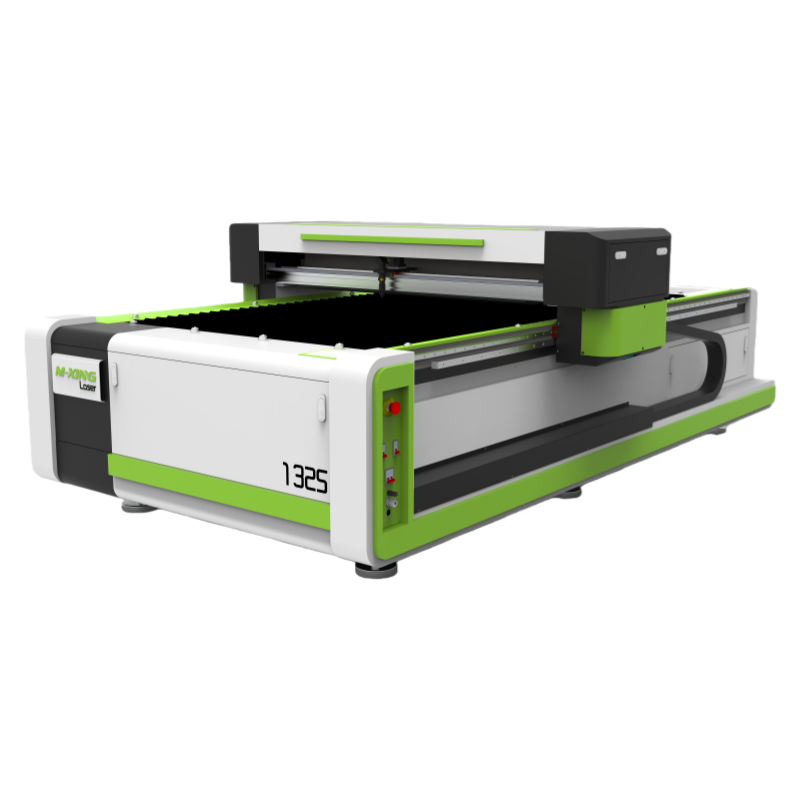
Factories usually choose CO2 laser cutting and engraving machines when the real pressure comes from mixed orders, short lead times, and the need to control unit cost without locking production into one narrow process. A CO2 system can cut, engrave, mark, and score on a wide range of non-metal materials with one core platform, so the same machine may move from acrylic signage to MDF panels, leather components, coated textiles, paperboard packaging samples, rubber stamps, and plastic sheets with relatively small setup changes. That flexibility reduces the need to buy separate equipment for every product variation, which is one of the main Reasons why factories prefer CO₂ laser cutting and engraving machines when production plans change week by week.
The cost question is rarely limited to machine purchase price. In flexible production, the larger issue is how much time and labor are consumed each time a drawing changes, a small batch is inserted, or a material stack is switched. Traditional tooling-based methods often require dies, knives, jigs, or fixtures that become expensive when product geometry changes often. A CO2 laser removes much of that tooling dependency. If the material is suitable for CO2 wavelength absorption, a file change can replace a tooling change. That shortens job changeover and reduces the risk of holding obsolete tooling for discontinued or revised parts.
Flexible production is not simply about processing many materials. It is about switching between them with limited interruption. CO2 laser machines are preferred because they can handle thin to medium-thickness organic and polymer-based materials with clean detail, especially where shape complexity would slow mechanical cutting. Intricate inner contours, small holes, tabs, slots, text engraving, serial markings, and decorative surface patterns can all be done in the same workflow. That matters when one production cell is expected to support prototyping in the morning, small-batch customization in the afternoon, and repeat jobs at night.
For many factories, the benefit shows up first in scheduling. A router may need tool changes, edge finishing, or stronger workholding on delicate parts. A die-cutting setup may only become economical once volume is high enough. Manual trimming may be acceptable for samples but unstable for repeat output. CO2 laser processing often sits between these options: fast enough for many recurring jobs, precise enough for detailed geometry, and adaptable enough for frequent order changes.
Another practical reason lies in nesting efficiency. When sheet materials such as acrylic, plywood, cardboard, fabric-backed composites, or foam must be used carefully, digital nesting helps place more parts in a given area. The laser follows the path without requiring wide clearances for physical tools in the same way some mechanical processes do. Material savings depend on part geometry, bridge settings, kerf allowance, and edge quality requirements, but efficient nesting can materially change total job cost, especially on expensive sheet stock or custom-colored material.
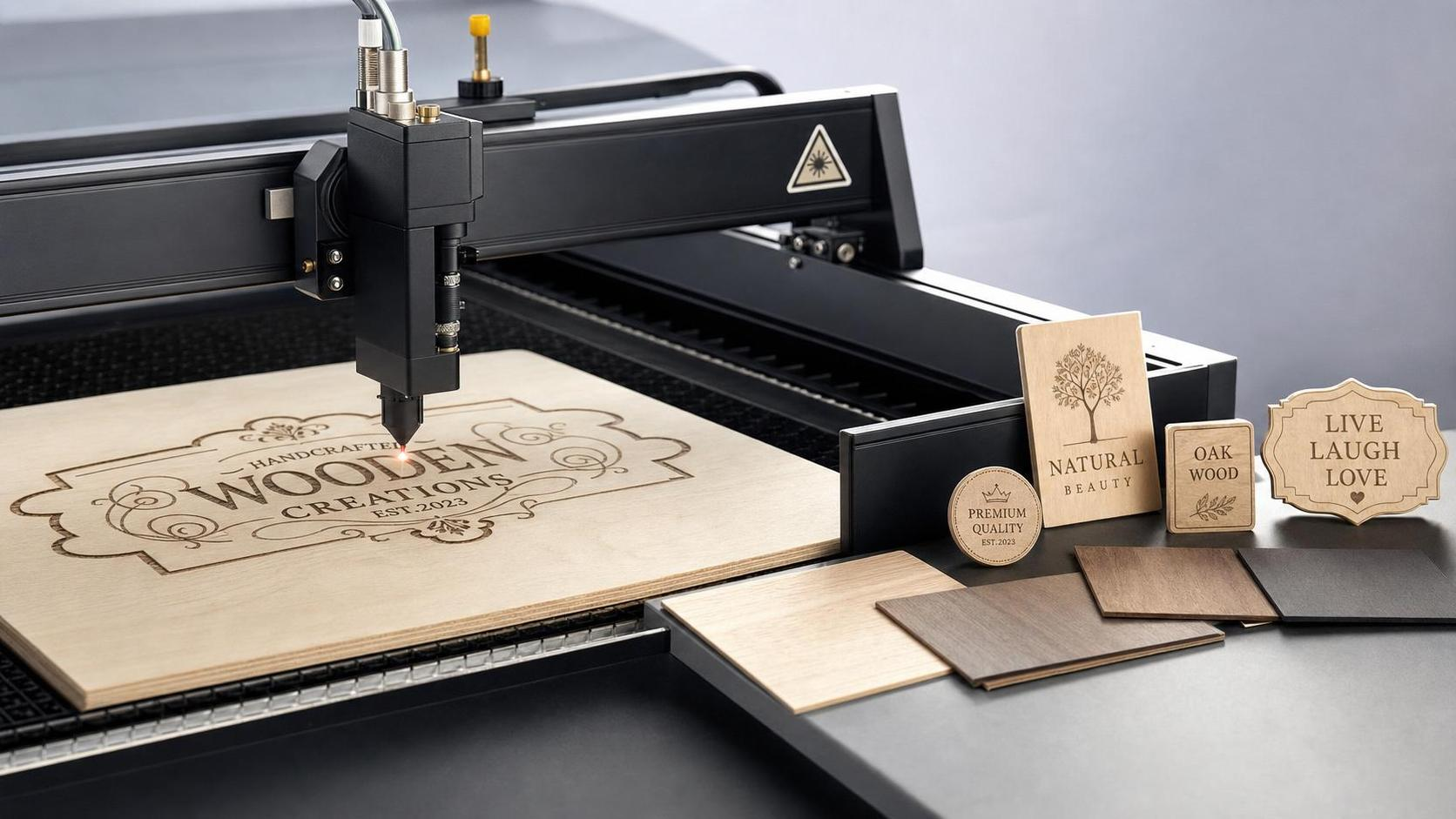
When evaluating the Reasons why factories prefer CO₂ laser cutting and engraving machines, power rating alone can mislead. In actual production, material compatibility, beam quality, table format, extraction design, software workflow, and maintenance access often matter more than the largest wattage number on a quote sheet. CO2 lasers are commonly selected for acrylic, wood, bamboo, paper, cardboard, leather, fabric, rubber, certain plastics, laminates, and coated substrates. Performance can vary sharply even within one material family. For example, cast acrylic may engrave with a different visual finish than extruded acrylic, and plywood quality may change from one supplier batch to another because of glue content, voids, and veneer consistency.
This is also where common purchasing mistakes appear. Some assume any non-metal sheet can be processed safely. That is not true. Certain chlorine-containing plastics may release corrosive or hazardous fumes during laser processing and should be excluded unless their composition is clearly verified and the application conditions are appropriate. Reflective metals also fall outside the normal working scope of standard CO2 cutting setups unless special arrangements are involved. Flexible production improves only when the intended material mix is defined honestly at the beginning.
Material thickness should be viewed the same way. A machine may technically cut a given thickness, but the acceptable edge quality, taper, heat-affected zone, soot level, and throughput may not suit production. For signage or decorative parts, a polished acrylic edge may be desirable. For gasket blanks, dimensional repeatability and edge char may matter more than appearance. For textiles, preventing fray or discoloration might take priority. The machine choice should follow the finish requirement, not just the ability to cut through the sheet.
Factories rarely prefer CO2 systems because laser technology sounds advanced. They prefer them when the numbers around labor, tooling, rework, and floor utilization become easier to manage. A digital process can reduce manual marking, manual alignment, and secondary trimming. Engraving part numbers, fold lines, assembly references, or decorative patterns on the same platform also removes extra handoff steps. Each removed step lowers the chance of queue delays and operator mismatch between departments.
Operating cost still needs a careful reading. Laser tubes or RF sources have service life considerations. Mirrors and lenses need cleaning and periodic replacement. Fume extraction must be sized for the materials being processed. Cooling stability affects output consistency, especially over longer shifts. If the machine is used for wood, adhesive-backed materials, leather, or composites that generate residue, maintenance intervals may become shorter than expected. Lower purchase price can look attractive until optical contamination, smoke deposits, and downtime start to interrupt production.
A realistic cost review usually includes these factors:
Cycle time should also be separated into cutting speed and job completion speed. Fast axis motion is less meaningful if setup, autofocus, material alignment, file conversion, and smoke cleanup consume too much labor around the cut itself. In flexible production, the total elapsed time from file release to packed parts is often more important than the top speed shown in a demonstration.
One reason laser cutting machines remain attractive in variable manufacturing is that they can produce fine geometry repeatedly without a custom die for each revision. Small slots, decorative engraving, perforation patterns, kiss-cut style operations on certain layered materials, and contour cutting around printed graphics can be integrated into one process route. Repeatability still depends on machine frame stability, motion control, bed flatness, focus consistency, and operator discipline, but the method itself supports revision-heavy production better than many tooling-based alternatives.
This is especially relevant when product life cycles are short. Packaging inserts, display components, custom enclosures, branded panels, textile templates, educational kits, and interior decorative elements often go through frequent artwork or dimensional adjustments. Rebuilding hard tooling every time can consume both money and lead time. A CO2 machine allows geometry updates at the file level, which is why factories dealing with custom or seasonal work often prefer it over more rigid methods.
Engraving adds another layer of flexibility. Instead of sending parts to a separate marking station, the same machine may place logos, reference marks, decorative textures, bend guides, or assembly IDs directly on the component. That reduces handling and can help prevent mix-ups when similar parts differ only slightly. In production environments where traceability needs are basic rather than highly regulated, this integrated marking capability can be enough without adding another process.
Preference for CO2 laser equipment also comes from relatively manageable installation compared with some heavier industrial processes, but that does not mean installation is trivial. Space around the machine matters for loading sheet stock, cleaning optics, accessing the rear path if required, and servicing the chiller and exhaust. Stable power supply, correct grounding, cooling water quality where applicable, and effective extraction routing all influence long-term reliability.
Ventilation is often underestimated during procurement. Materials such as MDF, acrylic, leather, paper products, and adhesive-backed sheets can generate smoke, odor, condensate, or fine residue that quickly affects optics and surrounding workspace conditions. An undersized extraction system may allow visible contamination on lenses and mirrors, which gradually reduces cutting quality and can increase heat stress on optics. The machine may still run, but edge consistency and maintenance frequency often suffer.
Table size also has direct commercial implications. Buying a smaller bed to reduce initial cost may force additional material cutting before loading, more operator handling, and lower nesting efficiency. Buying a much larger table than actual sheet format requires can increase footprint and idle capacity. The preferred configuration usually matches the material supply chain already in use, whether that is standard acrylic sheets, textile rolls with feeder support, plywood panels, or smaller customized blanks.
Factories that get the best results from CO2 systems usually treat maintenance as a production variable, not as a background service issue. Lens contamination, mirror alignment drift, worn belts, unstable cooling, and dirty guide rails can each affect edge quality or engraving sharpness before they create a full machine stoppage. In flexible production, that kind of gradual degradation is costly because it may only become obvious after several job changes, when operators start adjusting parameters to compensate for a machine condition problem.
Maintenance planning should match the material mix. Acrylic residue behaves differently from wood smoke. Fabric lint behaves differently from paper dust. Rubber and adhesive-backed materials may contaminate optics and extraction ducts faster than expected. If short-run work frequently changes between clean and dirty materials, cleaning intervals may need to be tighter than in a dedicated single-material setup. This is another reason why the Reasons why factories prefer CO₂ laser cutting and engraving machines are closely tied to management discipline: the process is flexible, but it stays economical only when housekeeping and preventive service are taken seriously.
Some procurement errors come from assuming that one demonstration sample proves full production suitability. A machine can produce an excellent sample on one acrylic color or one plywood grade, then behave differently on another supplier's stock. Samples should match the intended material, thickness, finish, adhesive content, and production speed target as closely as possible. If engraving contrast matters, that should be evaluated on the final substrate rather than a substitute.
Another common mistake is comparing only maximum speed figures. High speed on empty travel does not guarantee high throughput on corners, small details, engraving fills, or heavy smoke-generating materials that require slower settings. Likewise, a stronger laser source does not automatically produce better quality on thin material. Excessive power can increase edge carbonization, melt marks, or taper if process parameters are not tuned properly.
Software compatibility deserves equal attention. Flexible production depends on smooth file handling from design to machine. If common drawing formats need repeated cleanup, if layer mapping is unreliable, or if nesting and variable marking require manual workarounds, labor costs return through the back door. A machine that is mechanically sound but awkward in workflow can lose much of its value in a short-run environment.
That is why factories prefer CO2 laser cutting and engraving machines when the full package aligns: material scope is realistic, changeovers are frequent enough to justify digital processing, extraction and cooling are properly designed, and maintenance is accepted as part of normal production discipline. Under those conditions, a CO2 laser machine often becomes one of the most practical assets for flexible manufacturing, especially where customization, mixed materials, and short production runs shape the daily workload.
 Hot News
2026-02-05
2026-02-03
2025-12-01

Mingxing Laser is a leading China-based laser machine manufacturer offering CO2 laser cutters, fiber laser cutting machines, CNC routers, laser welders & marking machines. OEM/ODM custom solutions available. Get a quote today!
- Company Headquarters: Room 1303, Building 4, UnitedFortune Plaza, High-tech Zone, Jinan City, Shandong Province, China
- Manufacturing Plant: No. 18, Yinhe Road, Jibei Street, Jiyang District, Jinan City, Shandong Province, China
Copyright © 2026 Century Mingxing (jinan) Intelligent Technology Co., Ltd. All rights reserved. Privacy Policy

 EN
EN