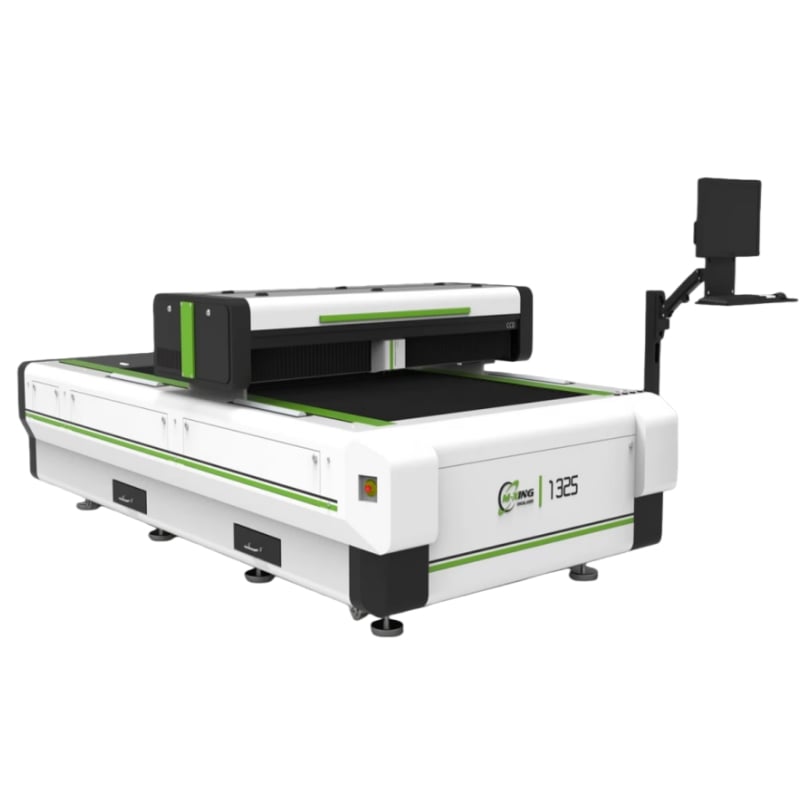
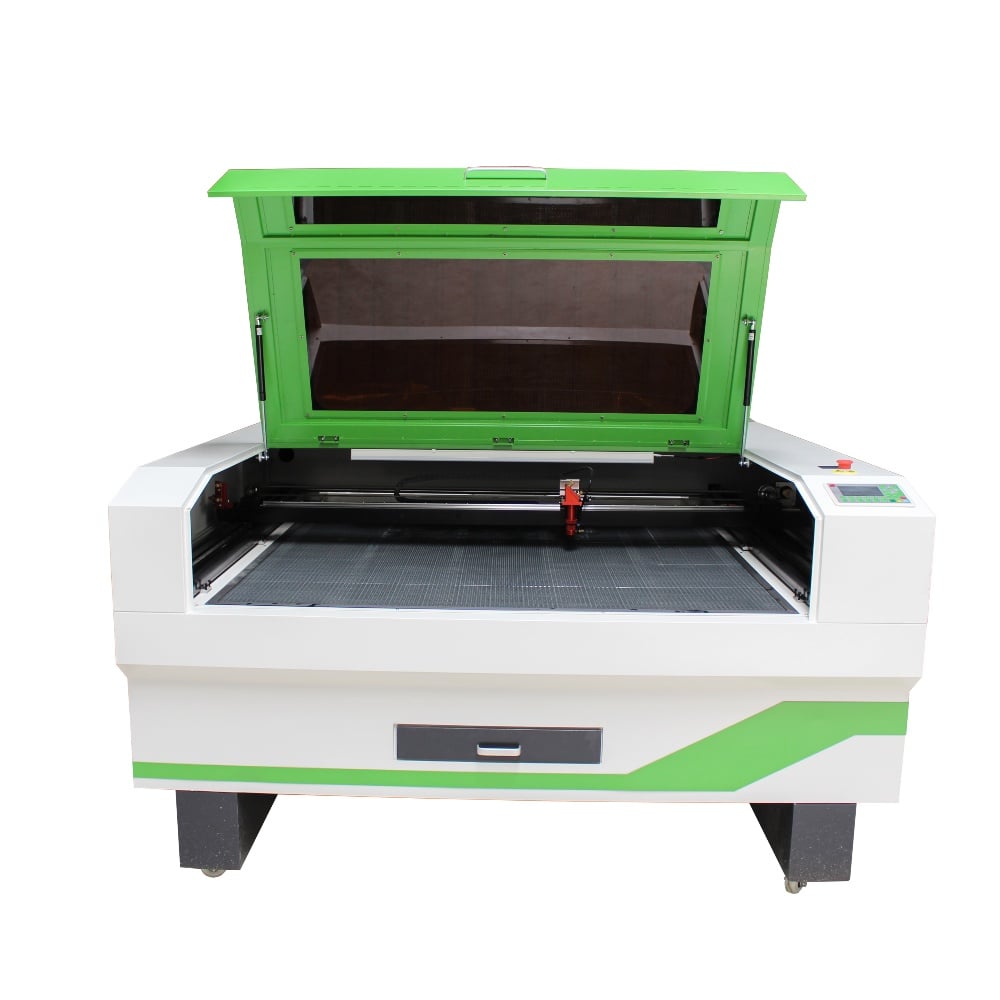
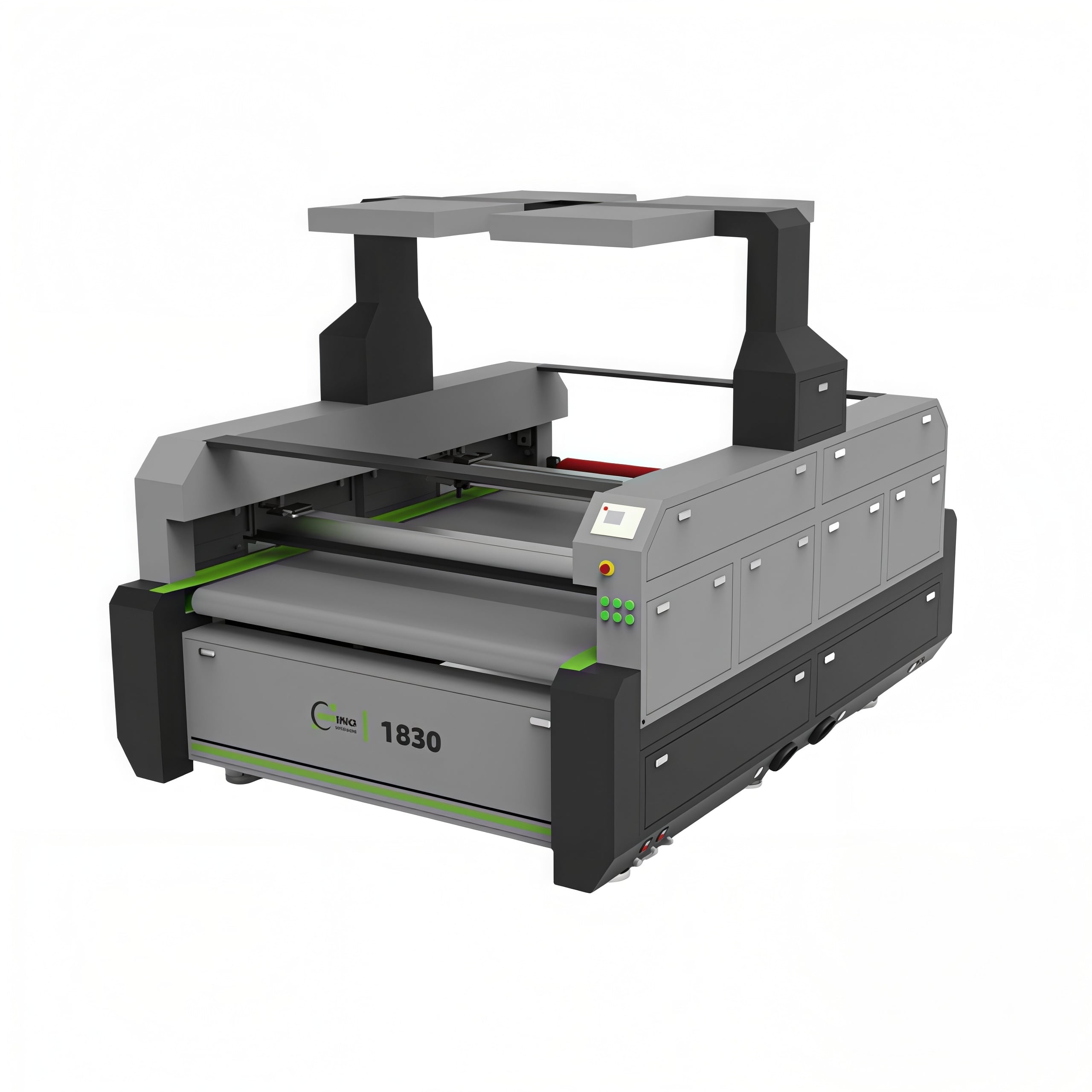
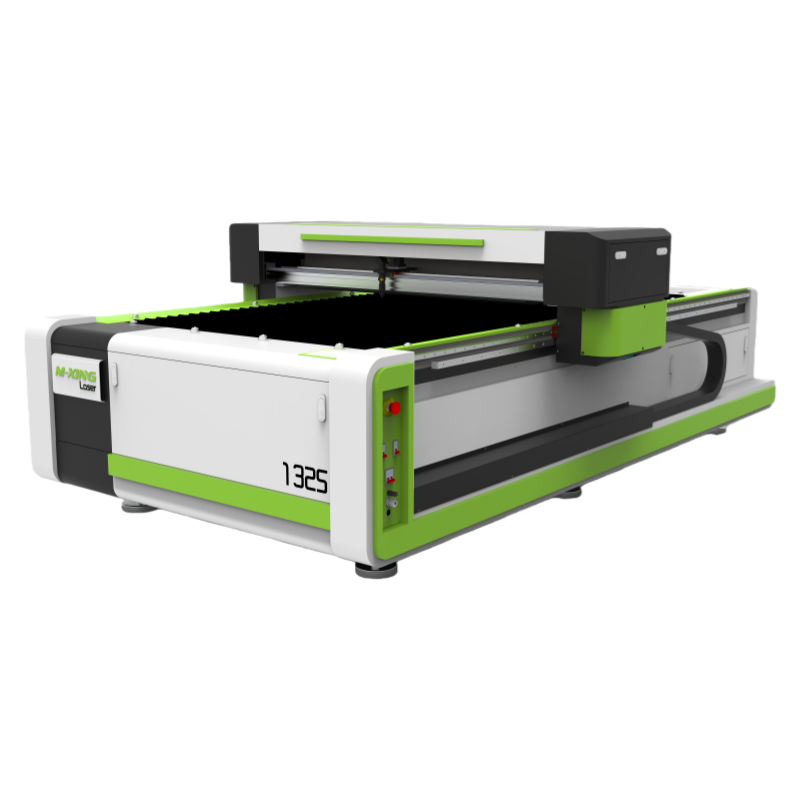
Choosing the right Leather laser cutting machine has less to do with maximum advertised power and more to do with how well the full system controls heat. For technical evaluators, the best machine is the one that consistently produces clean edges, keeps burn marks low, maintains dimensional accuracy, and remains stable across different leather types and production volumes.
When buyers search for this topic, their core intent is practical and comparative. They want to know which machine specifications actually affect leather edge quality, what causes scorching and discoloration, and how to evaluate whether a CO2 platform will perform reliably in production rather than only in a showroom sample.
For this audience, the main concerns are usually material compatibility, cut-edge appearance, smoke extraction, motion precision, productivity, maintenance burden, and total operating cost. They also want a clear way to compare suppliers, verify sample quality, and avoid buying a machine that looks strong on paper but performs inconsistently with real leather batches.
The most useful content, therefore, is not broad theory about laser cutting. It is a decision guide focused on test criteria, machine configuration, process stability, and supplier questions that help evaluators judge risk, value, and fit for their application.
That is the approach of this guide. It explains what determines clean leather cutting, which machine features matter most, how to assess sample results, and what to check before approving a purchase.
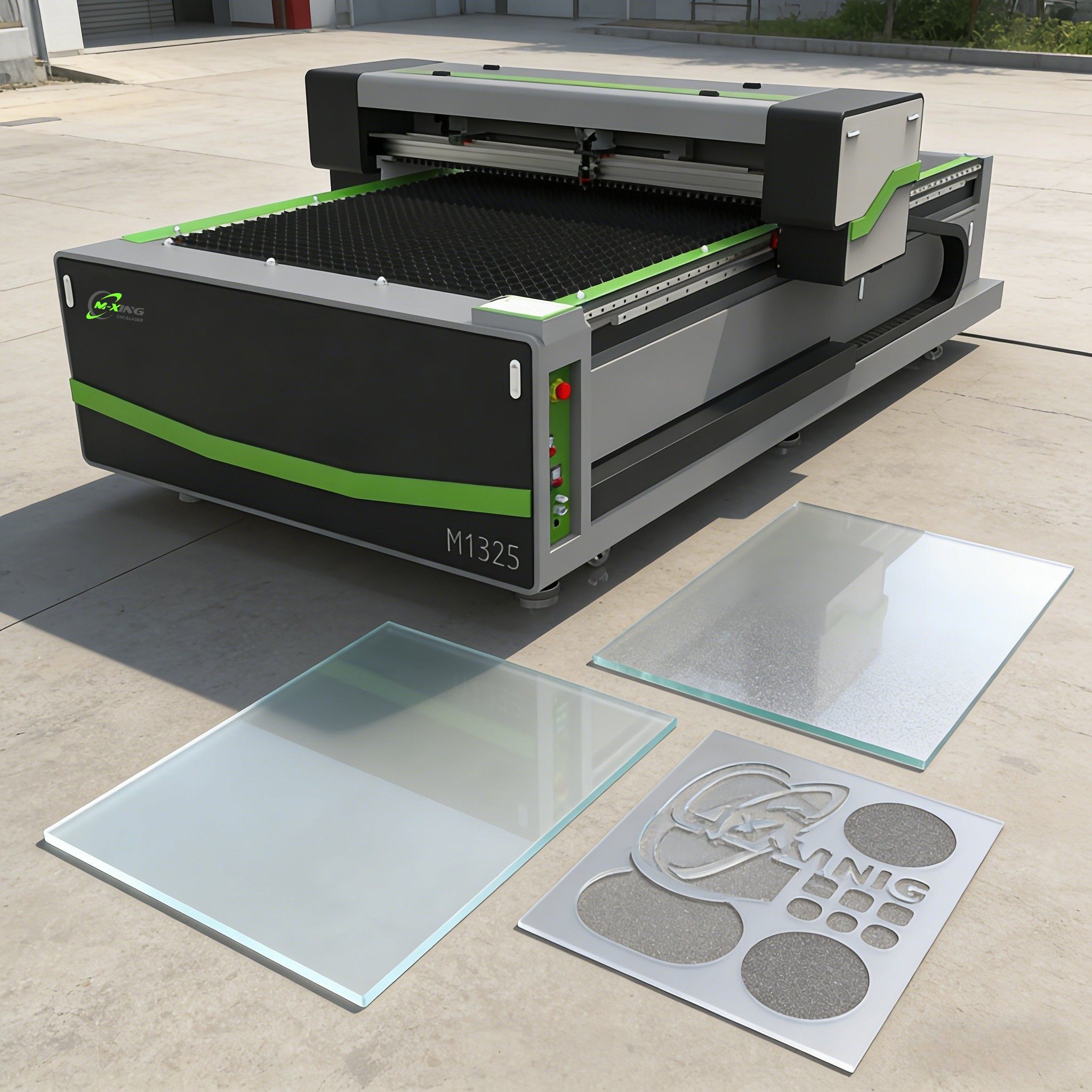
CO2 laser systems are commonly preferred for leather because their wavelength is well absorbed by organic materials. That absorption allows efficient cutting, but it also means heat can build quickly. If heat is not removed fast enough, the result is darkened edges, odor, residue, and a wider heat-affected zone.
In practical evaluation, clean edges usually come from using only the power needed for full penetration, combined with stable travel speed and consistent airflow. Excessive power is a frequent reason for charred edges, especially on thinner or finished leather.
The leather itself also changes the result. Natural leather, synthetic leather, coated leather, and laminated materials do not react the same way. Surface finishes, oil content, dye chemistry, moisture variation, and thickness inconsistency all influence whether a cut looks crisp or shows visible burning.
This is why technical buyers should judge machine capability by process control, not by a single specification. A well-matched machine controls heat tightly enough to handle variation in leather grades without sacrificing edge appearance or throughput.
The most important starting point is the laser source configuration. For many leather applications, a properly matched CO2 laser in the moderate power range is more useful than an oversized tube. Evaluators should look for a power level that supports complete cutting at stable speed without forcing excessive thermal input.
Power stability matters more than nominal peak output. If the laser output fluctuates, cut depth and edge appearance will change across the sheet. Ask suppliers for information on power consistency over time, tube life, and how performance changes during long production runs.
Motion accuracy is another critical factor. A machine with rigid mechanics, quality rails, reliable belts or transmission components, and well-tuned servo or stepper control will produce smoother curves and more consistent corners. Poor motion control often shows up first on small patterns, sharp radii, and repeated nested parts.
Spot quality and focusing capability should also be reviewed carefully. A fine, well-controlled beam helps reduce kerf width and thermal spread. Machines that support stable focus adjustment are useful when working with different leather thicknesses or multi-layer cutting trials.
The cutting table design has a direct effect on underside quality and smoke behavior. A suitable worktable minimizes back reflection, supports small parts, and allows fumes to escape efficiently. For leather, a table that reduces material contact and avoids trapping smoke under the cut path can improve both edge cleanliness and the lower surface finish.
Exhaust and air assist are often undervalued during procurement, yet they are among the biggest drivers of final quality. Strong but well-directed airflow helps remove smoke from the cut zone, cool the edge, and reduce residue deposition. Weak extraction allows smoke to linger, increasing discoloration and smell.
Software and control integration also deserve attention. A capable control system should allow precise adjustment of power, speed, acceleration, pulse behavior, and job sequencing. For technical teams, repeatability depends on being able to save, recall, and standardize process recipes for different leather types.
Sample evaluation should be structured, not visual only. Suppliers often present a good-looking sample made under ideal conditions, but technical buyers need proof of repeatability across different shapes, thicknesses, and production durations.
Start with your own materials whenever possible. Submit representative leather grades, including the most difficult ones in your product mix. If your factory uses coated, embossed, dyed, or laminated leather, those versions should be part of the test set because they are more likely to expose burning, residue, or odor issues.
Request parts that include straight cuts, tight curves, internal holes, sharp corners, and fine details. These geometries reveal whether the machine maintains energy control during acceleration and deceleration. Burn marks often become more visible where motion slows or changes direction rapidly.
Evaluate the edge under normal light and magnification. Look for darkening width, carbon residue, fiber lifting, taper, incomplete penetration, and edge consistency from start to finish. Also inspect the back side because some machines create acceptable top surfaces while leaving heavier smoke staining underneath.
Ask the supplier to document the actual cutting parameters used for each sample. Without power, speed, frequency, focus, and air settings, the sample has limited value as a purchasing reference. A serious supplier should be able to explain why those parameters were selected and how much adjustment margin remains.
Long-run testing is equally important. A machine may produce clean parts at the beginning of a trial but drift after heat buildup, lens contamination, or tube instability. If leather cutting is a production application rather than occasional job work, stability over time matters as much as initial appearance.

Even a well-selected machine can underperform if production conditions are not controlled. Technical evaluators should therefore consider the full operating environment before final approval.
Lens cleanliness and optical path maintenance have an immediate effect on leather cutting. Contamination changes beam quality, lowers effective power at the work surface, and increases localized heating. Machines with accessible maintenance points and stable optical alignment are easier to keep within process limits.
Ventilation design is another major factor. Leather generates smoke, odor, and particulate matter that must be removed quickly. If the extraction system is undersized or poorly ducted, smoke will recontact the material and worsen edge marks. In some facilities, upgrading exhaust performance improves results more than increasing laser power.
Material handling also influences consistency. Leather sheets can vary in flatness, thickness, and internal tension. Vacuum hold-down or appropriate fixture support can help maintain focus consistency, especially on larger patterns where material lift would otherwise widen the kerf or create uneven edges.
Operator process discipline matters as well. Standard settings should be defined by leather type, thickness, finish, and desired edge standard. Without process recipes, teams often compensate manually from job to job, which increases scrap and makes supplier comparisons less meaningful.
If odor, smoke stain, or post-processing workload are major concerns, buyers should also evaluate whether the supplier can support process optimization after installation. Good machine hardware helps, but practical application support often determines whether the customer reaches the desired production window quickly.
Technical buyers often face a tradeoff between output and finish quality, but the real decision is not simply fast versus clean. The better question is how much acceptable throughput the machine can maintain while staying inside your edge-quality standard.
For leather, speed claims should always be linked to material type and target quality. A supplier may advertise impressive cutting speed, but if that speed produces visible burn marks or requires rework, the practical productivity is lower. True efficiency comes from the combination of cut speed, yield, and reduced manual finishing.
Ask for comparative data on cycle time for your common part sizes and nesting patterns. Include setup time, file handling, material loading, and any cleaning required after cutting. In many cases, the best-value machine is not the one with the highest headline speed but the one with the most stable, low-intervention workflow.
Downtime should be part of the productivity calculation. Tube replacement intervals, optical consumables, alignment frequency, filter maintenance, and spare parts availability all affect actual output. A machine that runs slightly slower but stays predictable may outperform a faster system with frequent interruptions.
For wholesale buyers, OEM customers, or factories planning scaling, repeatability across shifts is especially important. If one machine can be duplicated with the same process window, production planning becomes easier and quality control becomes more reliable.
When comparing manufacturers and suppliers, technical evaluators should move beyond generic catalogs. The goal is to understand whether the supplier can support the real demands of leather cutting rather than simply provide a standard CO2 laser platform.
First, ask what percentage of their installed base is used for leather or similar organic materials. Experience with acrylic or wood does not automatically translate into optimized leather processing, because odor control, edge color, and surface sensitivity create a different process target.
Second, ask which machine configurations they recommend specifically for low-burn leather cutting and why. Their answer should cover laser power range, table type, exhaust layout, air assist, and control settings. A vague response usually indicates limited application depth.
Third, review service capability. Ask about spare part lead times, remote diagnostics, commissioning support, training, and process assistance. For production users, support response time has a direct cost implication.
Fourth, request evidence of repeatability. This may include multi-batch sample results, customer references in related applications, or acceptance-test standards. Buyers should be cautious if the supplier can provide only one ideal sample without parameter transparency.
Finally, clarify customization options. For OEM CO2 laser machine projects or specialized production lines, details such as table size, feeding method, extraction interface, software communication, and safety enclosure design may determine whether the machine fits smoothly into the existing workflow.
A strong evaluation process usually starts with defining the actual acceptance standard. That includes leather types, thickness range, acceptable edge color, odor level, dimensional tolerance, expected throughput, and maintenance limits.
Next, compare machines based on the full process package rather than isolated specs. For a Leather laser cutting machine, the key package includes matched CO2 power, stable beam quality, precise motion system, effective air assist, strong exhaust, and controllable software parameters.
Then verify performance using structured sample tests with your own materials. Do not rely only on showroom pieces. Review edge condition, consistency, underside cleanliness, speed, and long-run stability.
After that, examine operating cost and support. Include consumables, maintenance intervals, training quality, spare parts access, and process guidance after delivery. These factors strongly influence real production value.
Before final approval, make sure the supplier can explain how the machine will be tuned for your leather portfolio and what adjustments are expected when materials change. That level of application understanding is often the difference between a good installation and a disappointing one.
The right leather laser cutting solution is the one that controls heat precisely enough to deliver clean edges at repeatable production speed. For most technical evaluators, the decision should center on process stability, airflow and exhaust design, motion accuracy, and sample validation with real materials.
If a supplier can demonstrate low burn marks, consistent cut quality, transparent parameter control, and dependable after-sales support, the machine is far more likely to create long-term value. In leather processing, cleaner edges are not a cosmetic extra. They are a direct indicator of whether the machine is properly matched to quality-focused manufacturing.
 Hot News
2026-02-05
2026-02-03
2025-12-01

Mingxing Laser is a leading China-based laser machine manufacturer offering CO2 laser cutters, fiber laser cutting machines, CNC routers, laser welders & marking machines. OEM/ODM custom solutions available. Get a quote today!
- Company Headquarters: Room 1303, Building 4, UnitedFortune Plaza, High-tech Zone, Jinan City, Shandong Province, China
- Manufacturing Plant: No. 18, Yinhe Road, Jibei Street, Jiyang District, Jinan City, Shandong Province, China
Copyright © 2026 Century Mingxing (jinan) Intelligent Technology Co., Ltd. All rights reserved. Privacy Policy

 EN
EN