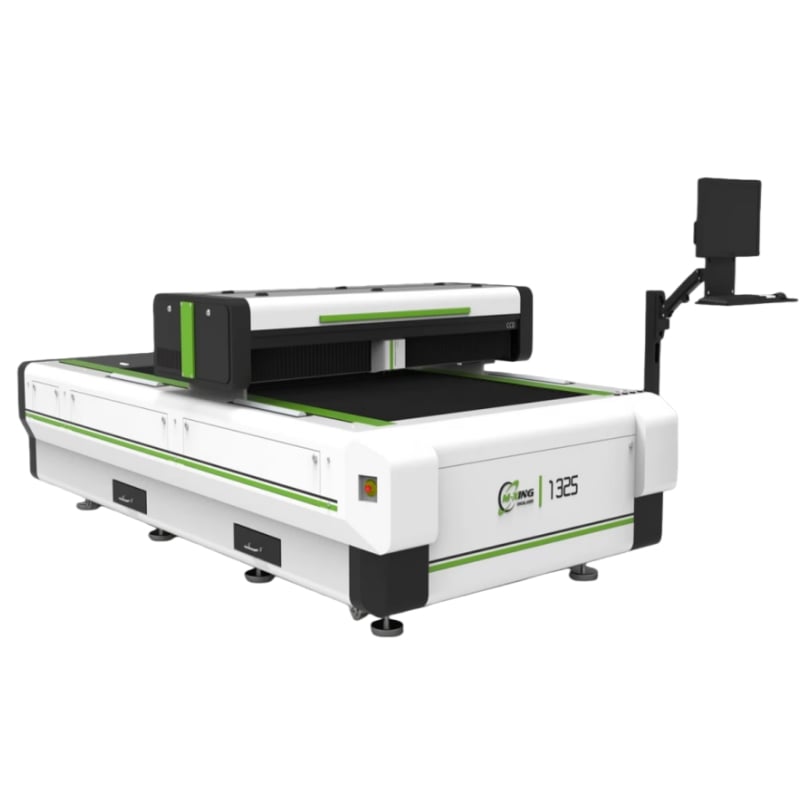
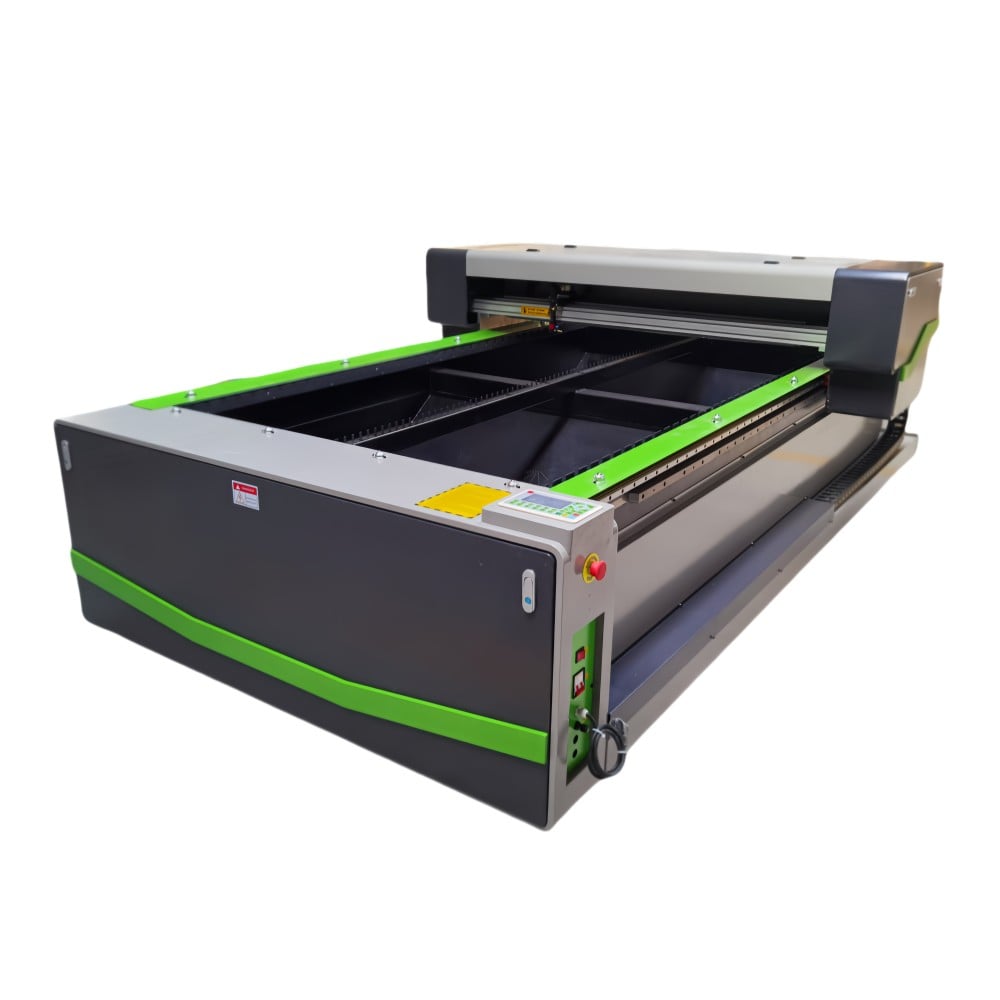
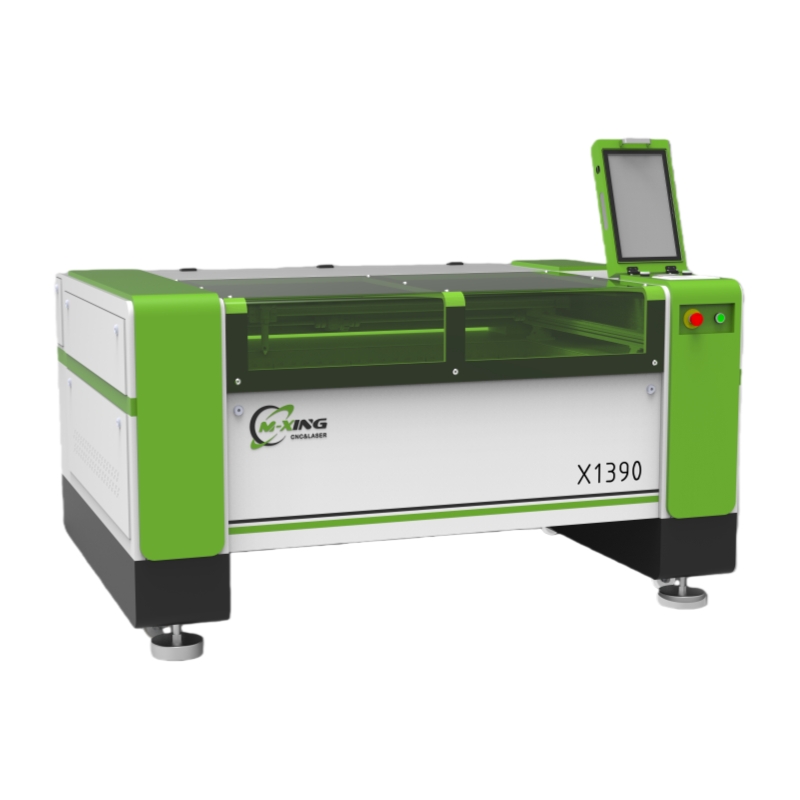
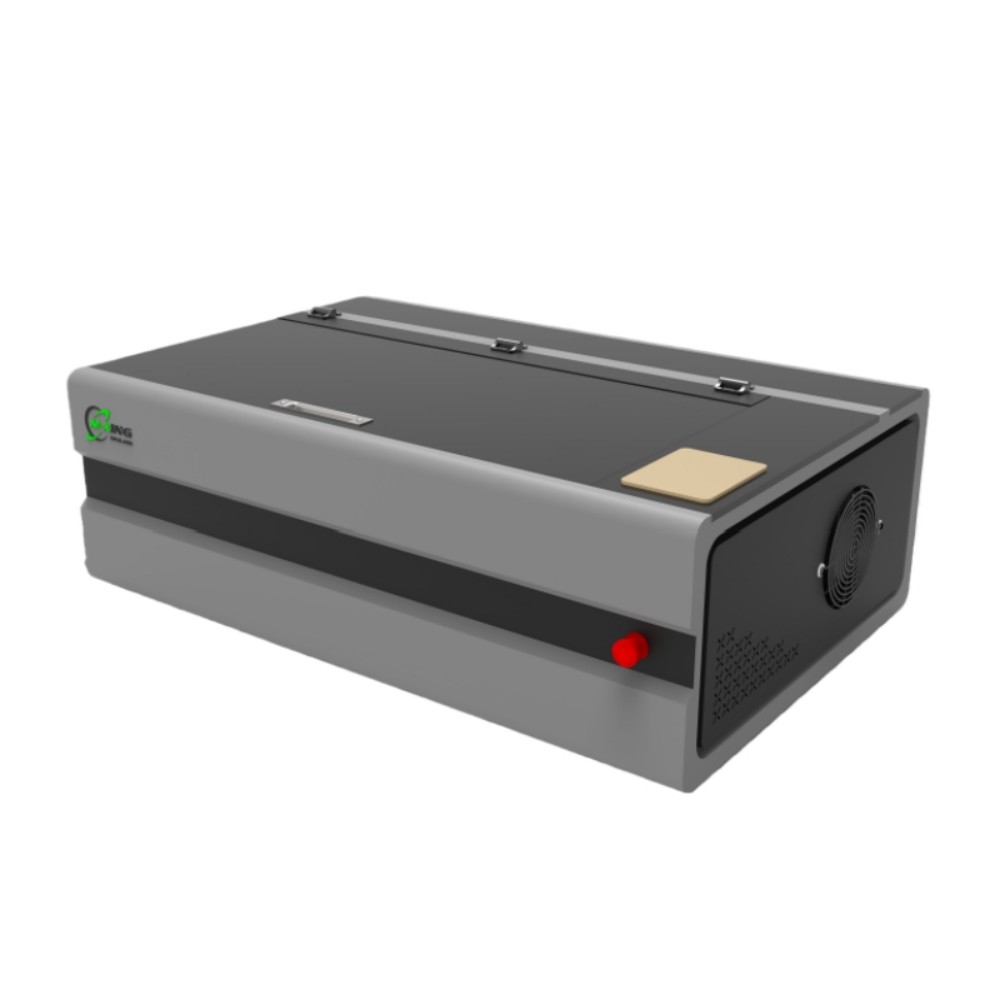
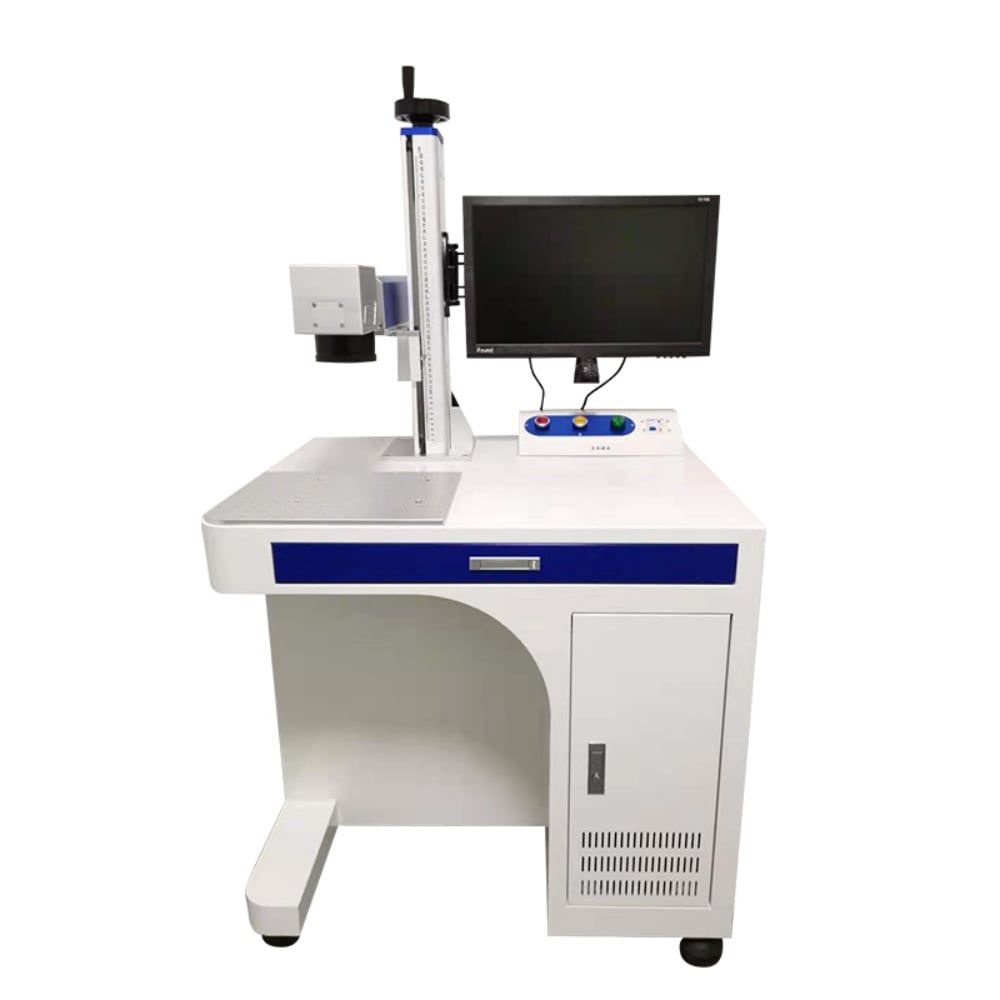
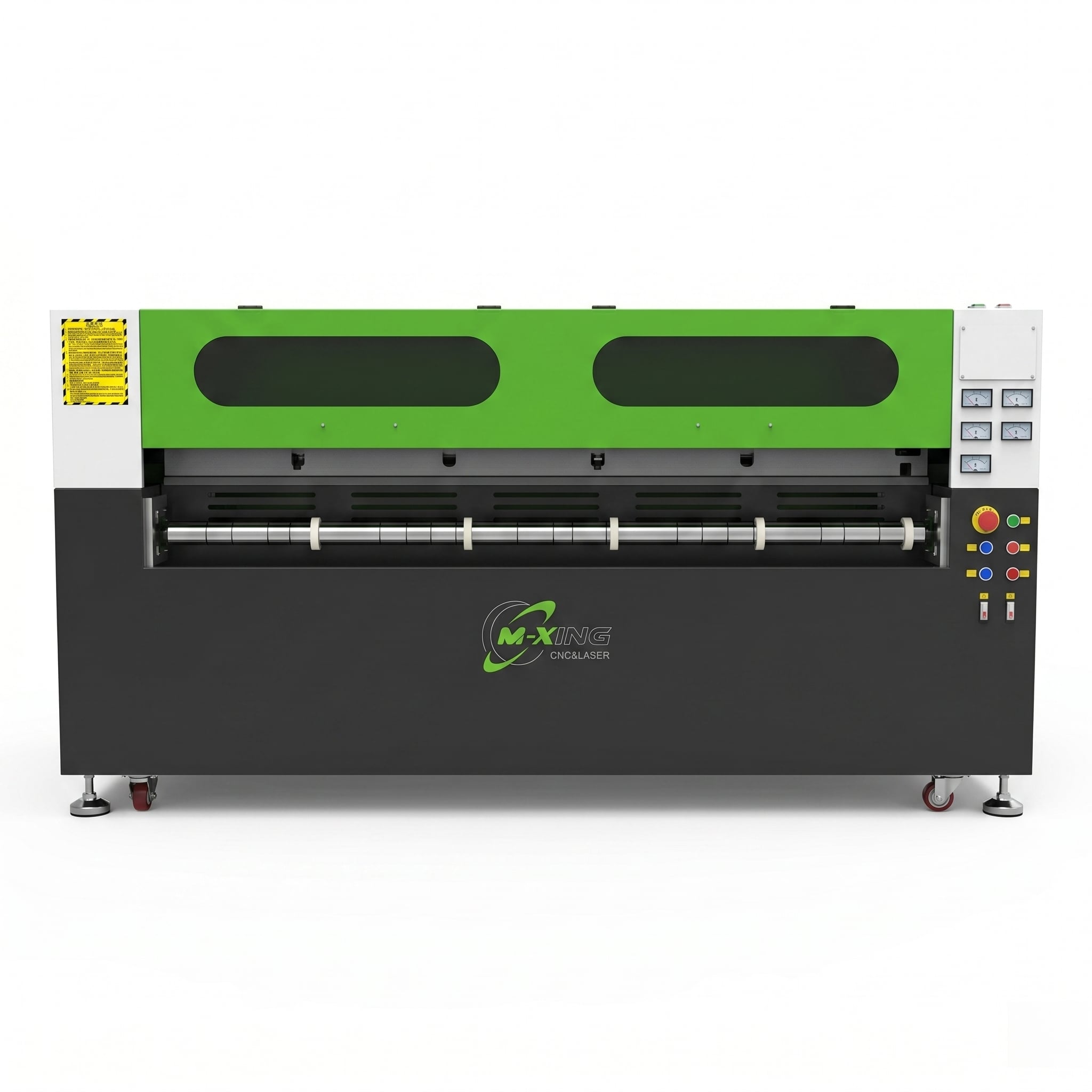
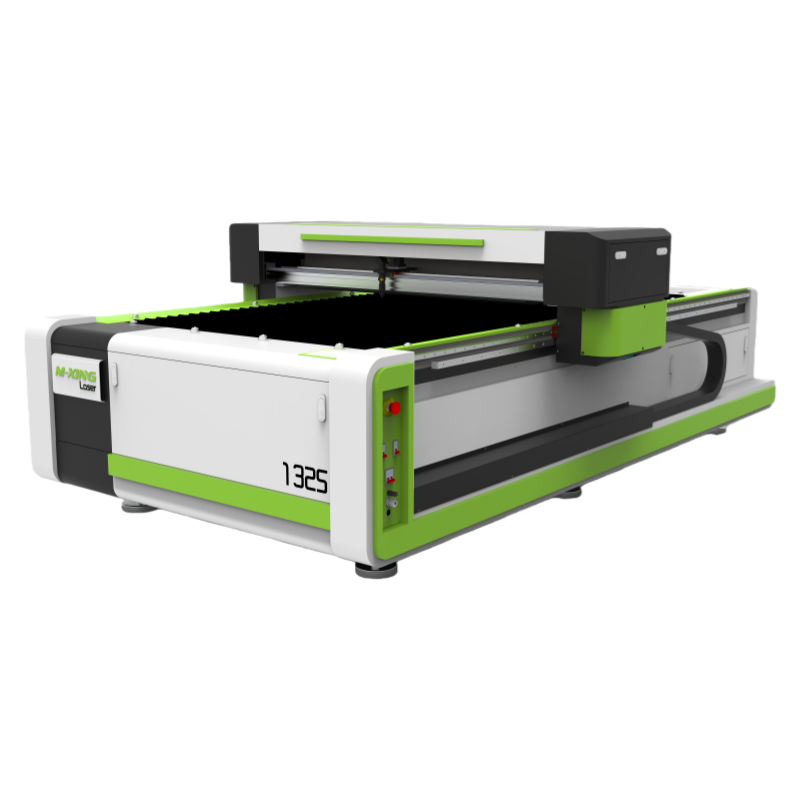
A CO₂ laser cutting and engraving machine sits in an interesting position in fabrication. It is widely known, widely sold, and often described as “versatile,” which is true but incomplete. For a buyer or workshop evaluating equipment, the real question is not whether the technology can process many materials. It is whether it fits the mix of jobs you actually run, the finish quality your customers expect, and the operating constraints your team can manage every day.
In practical terms, CO₂ systems are strongest where non-metal materials matter more than metal throughput, where edge appearance has commercial value, and where a single machine may need to switch between cutting and surface marking without adding multiple process steps. That makes them especially relevant for sign makers, display manufacturers, gift and craft producers, packaging sample rooms, garment accessory suppliers, leather goods workshops, educational labs, and light industrial job shops handling mixed non-metal work.
The mistake many first-time buyers make is assuming that “can cut” and “best for” mean the same thing. They do not. A CO₂ laser can process a broad range of substrates, but each material behaves differently under heat, and each job type has its own economic threshold. Understanding that distinction is what separates a useful investment from an underused machine.
The core advantage of a CO₂ laser is its interaction with many organic and non-metal materials. Acrylic, wood, MDF, leather, paperboard, fabric, certain plastics, foam, and rubber-like materials often respond well because the wavelength is readily absorbed, allowing efficient cutting, engraving, or marking. For users who need clean contours, intricate internal geometry, repeatability, and minimal tooling changes, that matters more than headline power figures.
In many shops, the value is not just speed. It is workflow flexibility. One file can move from prototyping to short-run production without hard tooling. Design changes are easier to implement. Small-batch customization becomes commercially viable. Fine engraving can be added to a cut part without repositioning onto another machine. For businesses selling personalization, signage, model making, packaging mockups, decorative panels, or branded components, that combination is often the reason CO₂ remains relevant despite competition from fiber laser, CNC routing, and digital knife systems.
Another strength is finish quality on the right material. Flame-polished acrylic edges are a classic example: when settings, optics, gas flow, and focus are correct, a CO₂ machine can produce a finished look that reduces or eliminates secondary edge treatment. That is not true for every substrate, but where it is true, it changes the labor equation.
If the goal is to judge fit, materials should be grouped by business outcome rather than by simple compatibility charts.
Acrylic is one of the strongest application cases. Retail displays, illuminated letters, point-of-sale components, awards, branded fixtures, and architectural models all benefit from precise contour cutting and clear engraved detail. CO₂ machines are often preferred here because they can produce smooth edges and fine engraving in a single setup.
That said, “plastic” is not a safe catch-all category. Some plastics cut well, some melt excessively, and some can release hazardous fumes. PVC is the most frequently cited danger because of corrosive and harmful emissions; it should generally be treated as unsuitable for standard CO₂ processing unless a system is explicitly designed and approved for that use, which is uncommon. Material identification discipline matters more than many new users expect.
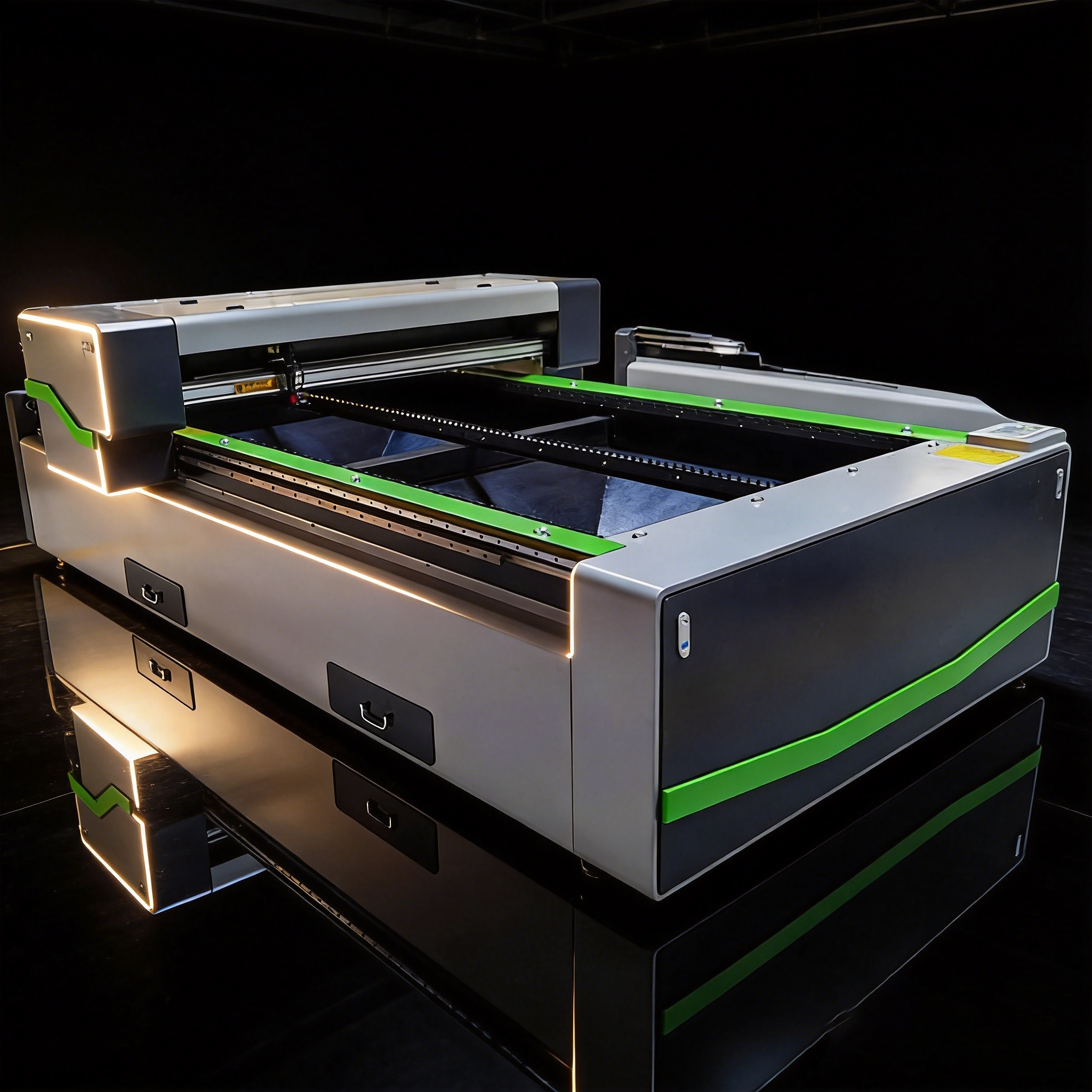
Wood products are another natural fit, especially for decorative panels, craft components, educational products, packaging inserts, ornaments, templates, and furniture details. Engraving on wood gives strong visual contrast, and cutting allows complex geometry without custom blades or tooling.
But wood is also where assumptions break down. Different species, glue content, density, moisture level, and sheet flatness all affect results. Plywood quality varies significantly across suppliers. Internal voids, inconsistent adhesive layers, or resin-heavy boards can lead to uneven cuts, excess charring, and production instability. For commercial production, substrate consistency is often a bigger variable than machine specifications.
For leather goods, fashion accessories, patches, footwear components, fabric appliques, and technical textiles, CO₂ systems are attractive because they handle intricate outlines and repeated patterns efficiently. They are especially useful when order volume is too variable to justify dedicated dies.
Still, heat response must be judged carefully. Some leather products darken attractively; others scorch or smell heavily in production. Some fabrics cut cleanly with sealed edges; others shrink, discolor, or produce unacceptable edge hardening. Artificial leather and coated textiles need material-by-material validation. A buyer planning to serve apparel or accessories should test with the exact commercial substrate, not just a generic sample sheet.
Packaging sample rooms and design teams often use CO₂ laser equipment for mockups, display packaging, inserts, and short-run presentation materials. The benefit here is speed of iteration. Structural design changes can be implemented immediately, which shortens approval cycles with brand owners and converters.
For volume production, however, laser cutting usually competes poorly with die-cutting on unit cost once designs stabilize. This is a recurring theme with CO₂ machines: they are often strongest upstream in development, customization, or low-to-medium batch variation, rather than in the highest-volume standardized output.
The best jobs for a CO₂ laser cutting and engraving machine tend to share four traits: variable design, visible finish requirements, moderate material thickness, and a need for precise detail without tooling changes.
Jobs become less suitable when throughput depends on thick-section cutting, when edge char is unacceptable, when materials are highly reflective metals, or when the process window is too narrow for mixed-operator environments. In those cases, other technologies may perform better even if the CO₂ system can technically complete the task.
Power matters, but not in the simplistic way marketing language sometimes suggests. A higher-wattage machine may cut thicker material or run faster on certain jobs, but useful output also depends on beam quality, optics condition, motion control stability, focus management, extraction, nozzle design, and software tuning. Two machines with the same nominal wattage can perform very differently in real production.
Thickness claims deserve especially careful reading. Maximum cutting thickness is not the same as production thickness. A machine may be able to cut a material at its upper limit, but edge quality, taper, charring, pass consistency, and cycle time may be commercially unacceptable. For many buyers, the right question is not “What is the maximum thickness?” but “At what thickness can this machine run reliably, at acceptable quality, for the parts we actually sell?”
This is also why sample testing remains one of the most useful steps in evaluation. If a supplier cannot demonstrate results on your actual materials and geometry, the specification sheet alone is not enough.
Not every cutting problem should be solved with a CO₂ laser. For metal-dominant production, fiber laser is usually the more relevant technology. For thick wood panel processing, a CNC router may offer better economics and edge characteristics depending on the part. For textiles requiring zero heat effect, or for packaging materials at larger volumes, a digital knife or die-based process may be preferable.
There is also a business-model issue. If your production relies on a narrow set of standard parts at high daily volumes, a more dedicated process may outperform a CO₂ system on cost per piece. CO₂ becomes more compelling when the value comes from flexibility, changeover speed, product variety, or integrated engraving.
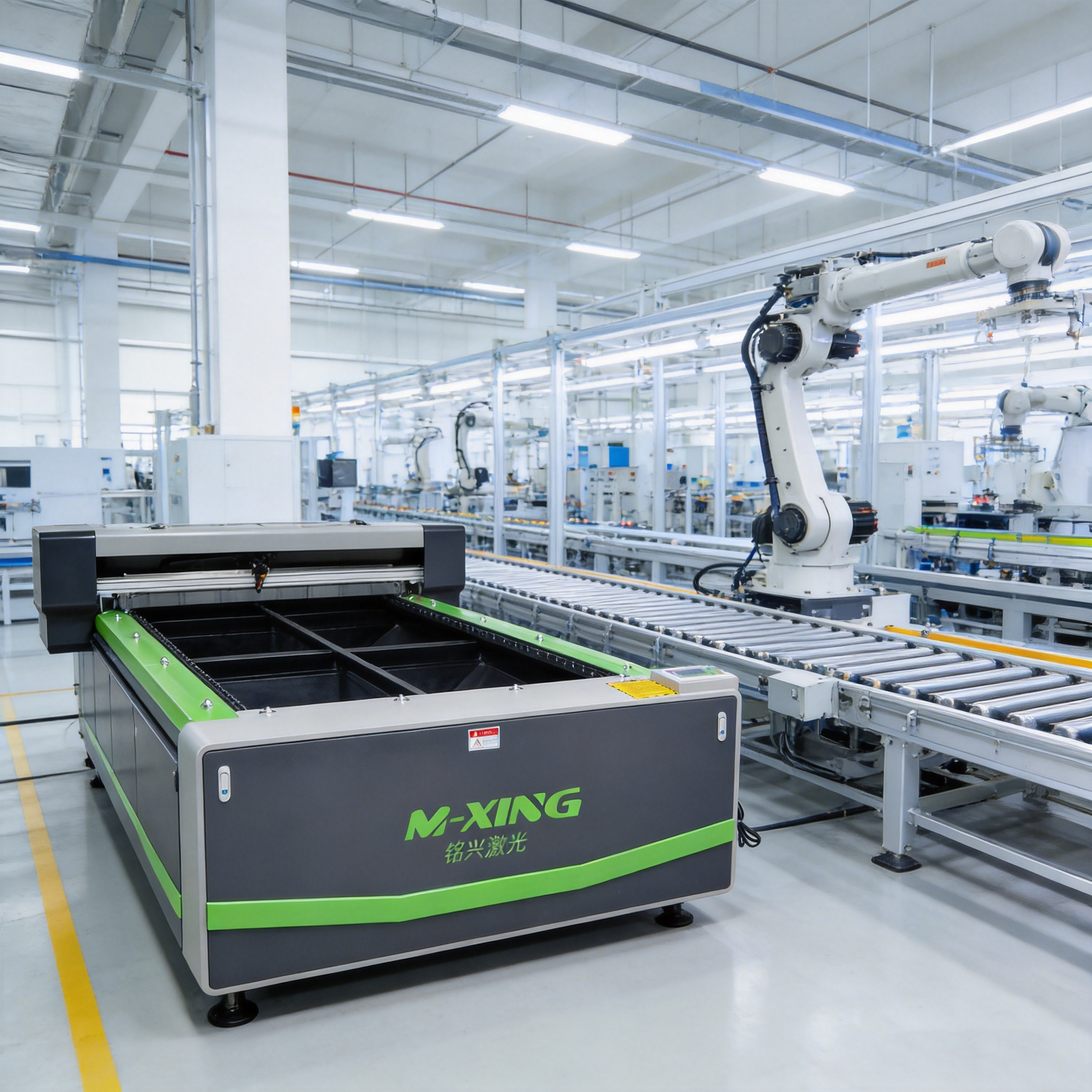
The machine itself is only part of the decision. In real shops, reliability depends heavily on the support system around it.
These are not side issues. For many users, they determine whether the machine becomes a dependable production asset or a temperamental workshop tool.
For an information-stage buyer, the clearest approach is to work backward from the job mix. Start with the materials you process most often, the thickness range that drives revenue, the level of finish your customers pay for, and the batch sizes you need to handle. Then ask a narrower set of questions:
If the answers lean toward customization, mixed substrates, visible surface quality, and short-to-medium runs, CO₂ deserves serious attention. If the answers point toward thick rigid boards, metal-heavy production, or very high-volume standardized output, the evaluation should widen to include other process options before any procurement decision.
| Application Type | CO₂ Fit | Main Reason |
| Acrylic signage and display parts | High | Clean detail, good edge finish, integrated engraving |
| Wood crafts and decorative panels | High | Flexible geometry, attractive engraving contrast |
| Leather and textile components | Medium to High | Strong for variable shapes, but heat response must be tested |
| Packaging prototypes | High | Fast iteration without tooling |
| Mass-volume standard packaging | Low to Medium | Often loses on unit economics versus die processes |
| Metal sheet cutting | Low | Usually better served by other laser types |
| Thick board routing jobs | Medium | Depends on finish, thickness, and cost expectations |
That is the practical lens to use. A CO₂ laser cutting and engraving machine is not simply a general-purpose answer for “making things.” It is a strong answer for specific combinations of material behavior, finish requirements, and production flexibility. Buyers who evaluate it through those conditions tend to make better decisions than those who evaluate it through wattage, headline thickness, or broad compatibility claims alone.
 Hot News
2026-02-05
2026-02-03
2025-12-01

Mingxing Laser is a leading China-based laser machine manufacturer offering CO2 laser cutters, fiber laser cutting machines, CNC routers, laser welders & marking machines. OEM/ODM custom solutions available. Get a quote today!
- Company Headquarters: Room 1303, Building 4, UnitedFortune Plaza, High-tech Zone, Jinan City, Shandong Province, China
- Manufacturing Plant: No. 18, Yinhe Road, Jibei Street, Jiyang District, Jinan City, Shandong Province, China
Copyright © 2026 Century Mingxing (jinan) Intelligent Technology Co., Ltd. All rights reserved. Privacy Policy

 EN
EN