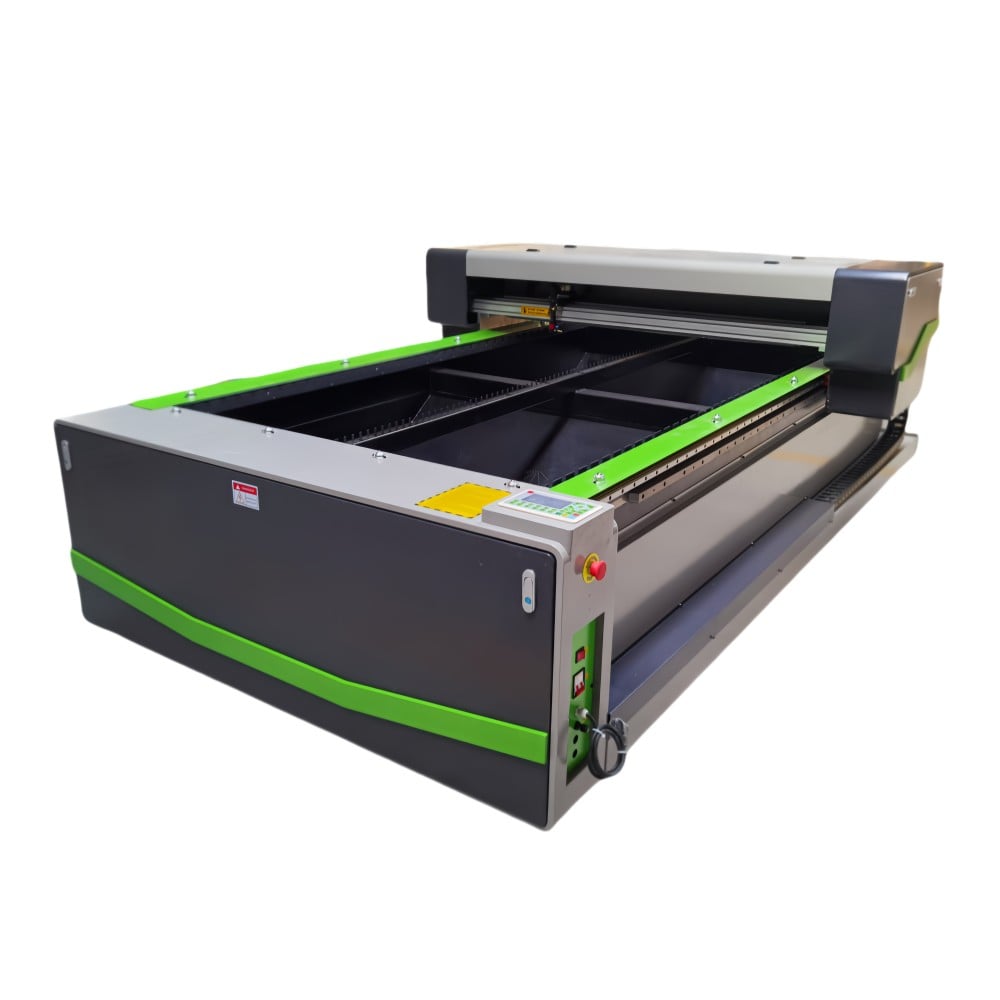
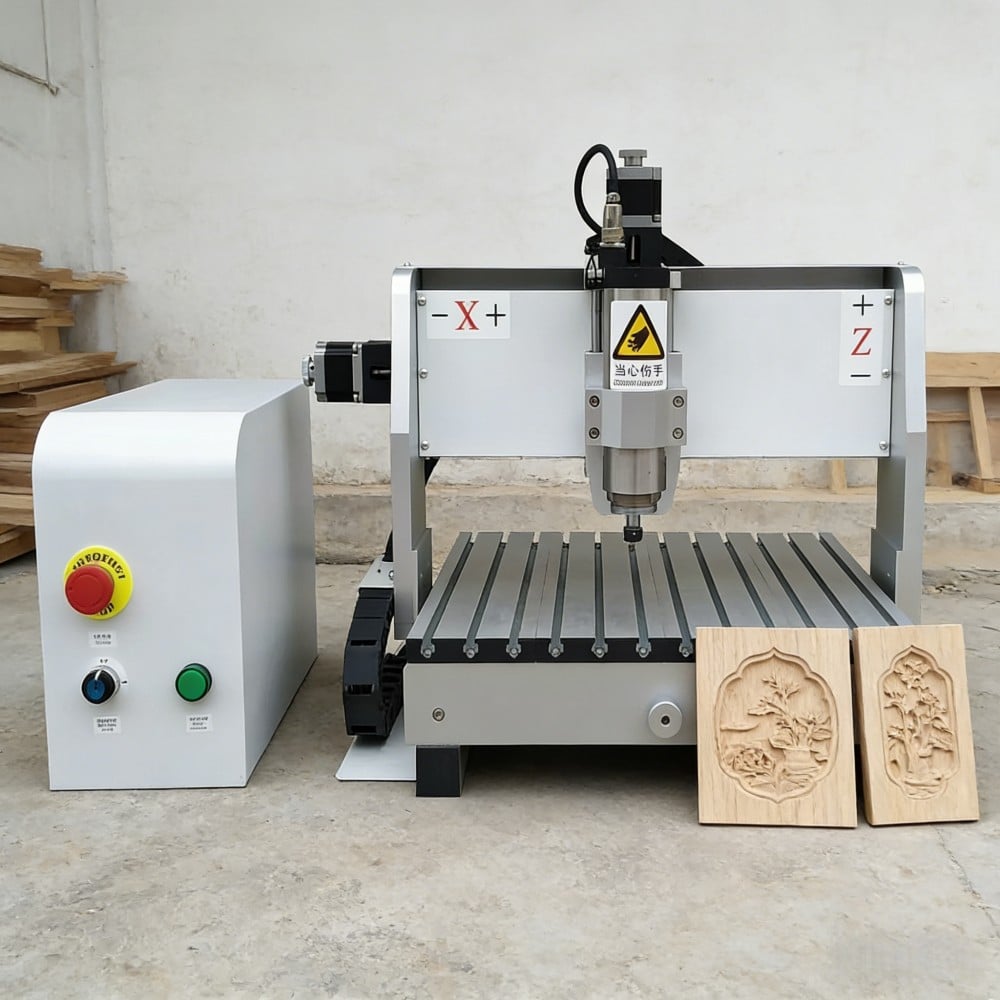
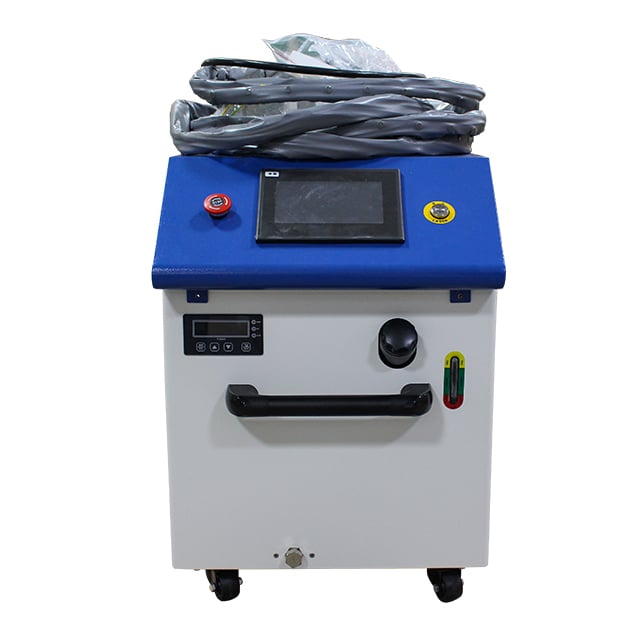
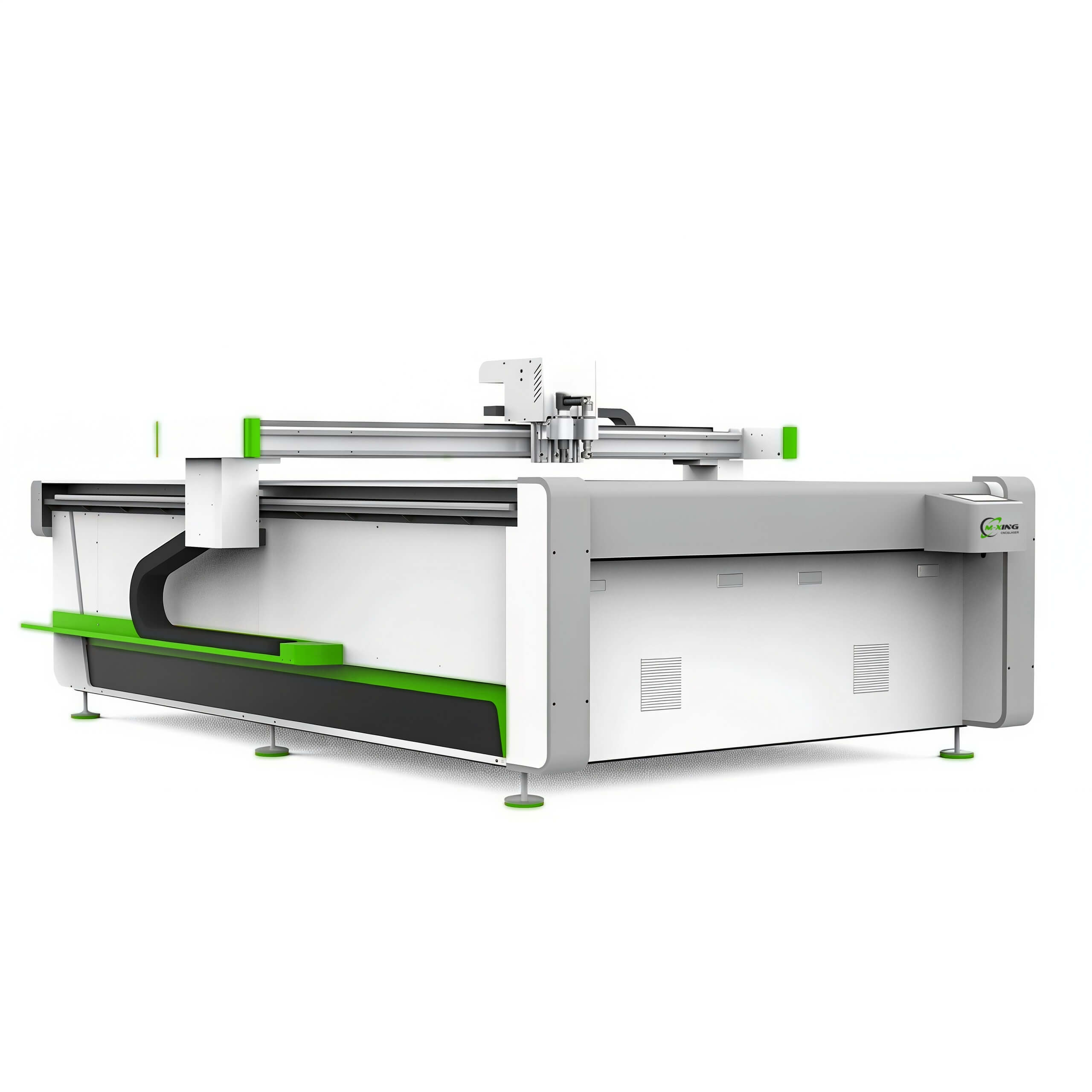
Stable cutting quality depends on more than machine power. It depends on disciplined CO2 laser care and cleaning across optics, rails, belts, and every moving part.
When maintenance slips, the first signs are usually subtle. Edge darkening, uneven kerf width, poor repeatability, and rising scrap rates often appear before a full failure.
That matters in daily production. A machine can still run while cut quality drifts outside acceptable limits, creating hidden quality and safety risks.
Good CO2 laser care and cleaning helps prevent that drift. It protects beam delivery, stabilizes motion accuracy, reduces downtime, and supports cleaner, more consistent output.
For manufacturers using CNC CO2 laser machines, a practical routine is usually more valuable than occasional deep cleaning. Small checks done on time protect both quality and machine life.

CO2 laser optics handle the beam before it reaches the material. Mirrors guide it, and the lens focuses it into a stable cutting point.
Even light dust changes that behavior. Smoke residue, oil film, and tiny scratches can scatter energy, reduce focus quality, and create unstable heat input.
Motion parts control where that focused beam lands. Rails, belts, bearings, pulleys, and drive systems determine whether the toolpath stays accurate under real production speed.
When either side degrades, the result shows up on the workpiece. Burn marks, offset corners, vibration lines, and incomplete cuts usually trace back to maintenance gaps.
This is why CO2 laser care and cleaning should be treated as process control, not just equipment housekeeping. Stable output starts with controlled beam quality and controlled motion.
Before touching optics or moving assemblies, look for symptoms. The pattern on finished parts often tells you where the real problem starts.
Check for these warning signs:
Also review the recent workload. Acrylic, wood, coated materials, and adhesive-backed sheets usually leave more residue on optics and surrounding parts.
A quick inspection reduces guesswork. It also makes CO2 laser care and cleaning more precise, because you clean based on evidence, not habit alone.
Optics are the most sensitive part of CO2 laser care and cleaning. A rushed wipe can do more damage than the contamination itself.
Start by powering down the machine and following lockout procedures. Let hot components cool, and make sure the work area is free from dust and loose debris.
Use approved gloves, lens tissue, clean cotton swabs, and the recommended optical cleaner. Avoid general shop cloths, paper towels, or aggressive solvents.
Handle lenses and mirrors only by the edges. Fingerprints add oil contamination, and that can bake onto the surface under laser heat.
A simple sequence works well:
If residue remains after proper cleaning, stop forcing it. Persistent marks may indicate coating damage, overheating, or material splash that requires replacement.
In practical use, the goal is not just clean optics. The goal is repeatable beam transmission that keeps every cut stable from first batch to last.

Motion stability is the other half of cut quality. Clean optics cannot compensate for rails clogged with debris or belts running at the wrong tension.
Begin with the guide rails. Remove dust, soot, and fine particles using the approved cleaning method for the machine design.
Then inspect lubrication points. Too little lubrication increases wear, while too much can trap dirt and create sticky movement over time.
Belts deserve close attention. Look for fraying, cracking, glazing, uneven tension, and tooth wear. These issues often cause drift, backlash, or unstable corners.
Check pulleys and couplings for looseness. A small amount of play can become a major quality problem at higher speed or during repeated detail cutting.
Do not ignore bearings and linear blocks. Rough sound, heat, or inconsistent travel resistance usually means contamination or wear is already affecting performance.
This part of CO2 laser care and cleaning is especially important in high-volume environments. Motion errors often grow slowly, then suddenly push output beyond tolerance.
The right schedule depends on materials, duty cycle, environment, and exhaust efficiency. Still, a practical framework helps standardize CO2 laser care and cleaning.
| Frequency | Maintenance focus | Main purpose |
| Each shift | Visual check of lens, nozzle area, rails, and cut samples | Catch early contamination and drift |
| Daily | Clean accessible residue, inspect belts, confirm smooth axis travel | Keep motion and optics stable |
| Weekly | Detailed optics check, lubrication review, fastener inspection | Prevent wear and beam loss |
| Monthly | Alignment verification, deeper motion inspection, record review | Control long-term quality variation |
This kind of schedule works well for many CO2 laser cutting machines and CO2 laser engraving machines. It also supports clearer accountability during audits or internal reviews.
Some problems come from neglect. Others come from well-meant but incorrect maintenance actions.
These mistakes increase operating risk. They can also create compliance concerns when documented maintenance does not match actual machine condition.
From a process view, CO2 laser care and cleaning should be linked to cut sample checks, downtime logs, and preventive maintenance records. That makes decisions easier and more defensible.
A useful routine is simple enough to follow every day. It should also be specific enough to prevent vague sign-offs and inconsistent execution.
Start with a short checklist for optics, rails, belts, lubrication points, exhaust condition, and sample quality. Keep pass or fail standards clear.
Then define triggers for action. For example, haze on the lens, repeated edge burn, axis noise, or visible belt wear should require immediate follow-up.
It also helps to standardize spare parts and approved cleaning supplies. That reduces improvised fixes and keeps CO2 laser care and cleaning consistent across shifts.
For companies sourcing from a CO2 fractional laser machine manufacturer or OEM CO2 laser machine supplier, maintenance guidance should match the machine configuration and workload.
The most reliable operations treat maintenance as part of product quality. Clean optics and healthy motion parts protect output, machine lifespan, and day-to-day production confidence.
Stable cutting quality is rarely an accident. It comes from disciplined CO2 laser care and cleaning, backed by inspection, timing, and clear maintenance standards.
When optics stay clean and motion parts stay accurate, cutting performance becomes easier to predict. Scrap drops, downtime becomes easier to control, and output stays production-ready.
The practical next step is straightforward. Review your current cleaning routine, tighten inspection points, and turn CO2 laser care and cleaning into a fixed part of quality control.
 Hot News
2026-02-05
2026-02-03
2025-12-01

Mingxing Laser is a leading China-based laser machine manufacturer offering CO2 laser cutters, fiber laser cutting machines, CNC routers, laser welders & marking machines. OEM/ODM custom solutions available. Get a quote today!
- Company Headquarters: Room 1303, Building 4, UnitedFortune Plaza, High-tech Zone, Jinan City, Shandong Province, China
- Manufacturing Plant: No. 18, Yinhe Road, Jibei Street, Jiyang District, Jinan City, Shandong Province, China
Copyright © 2026 Century Mingxing (jinan) Intelligent Technology Co., Ltd. All rights reserved. Privacy Policy

 EN
EN