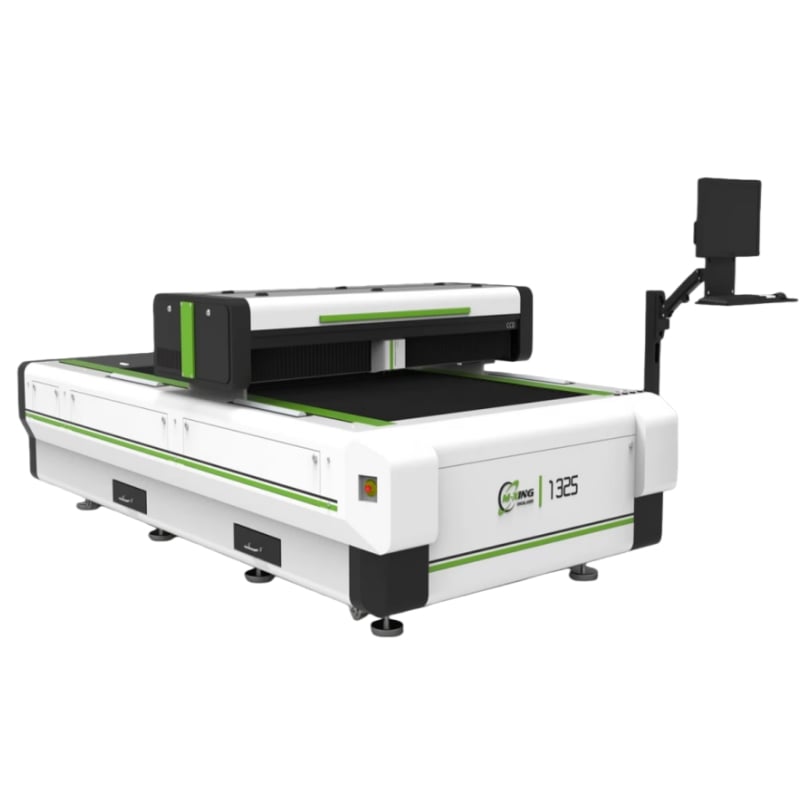
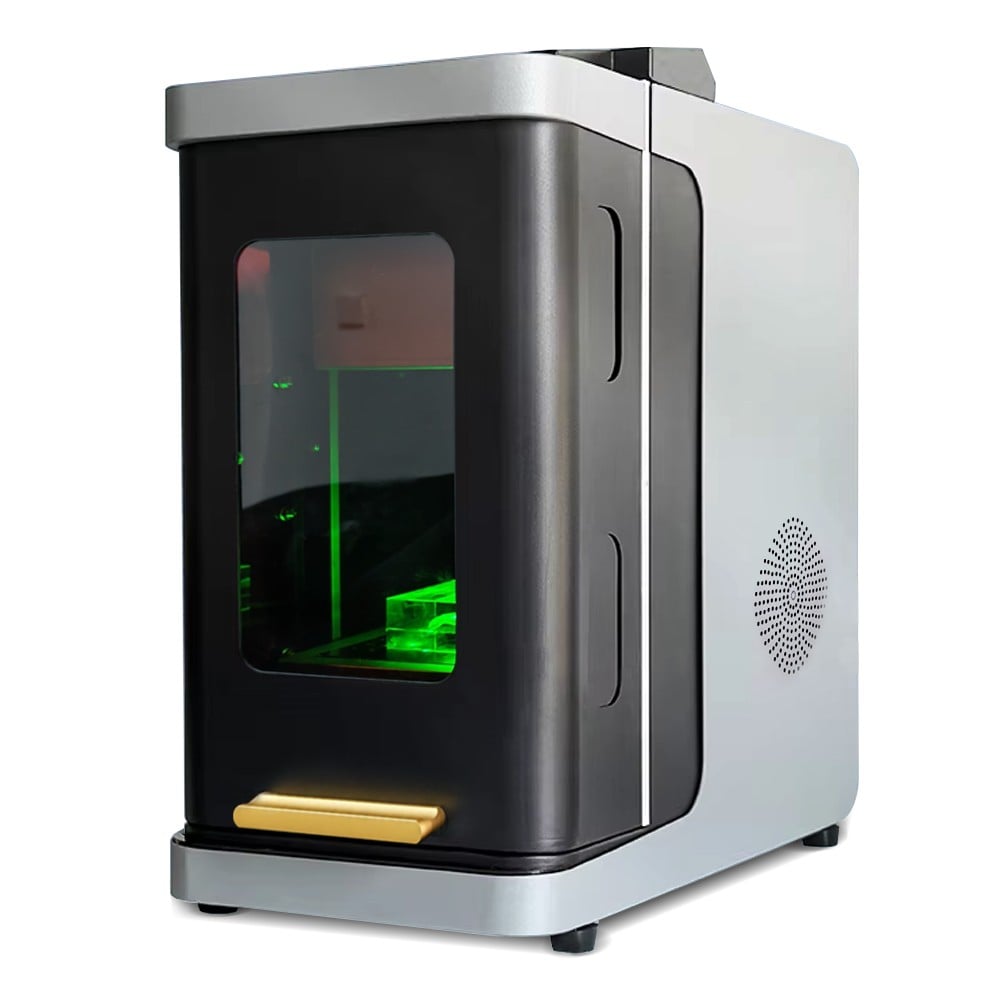
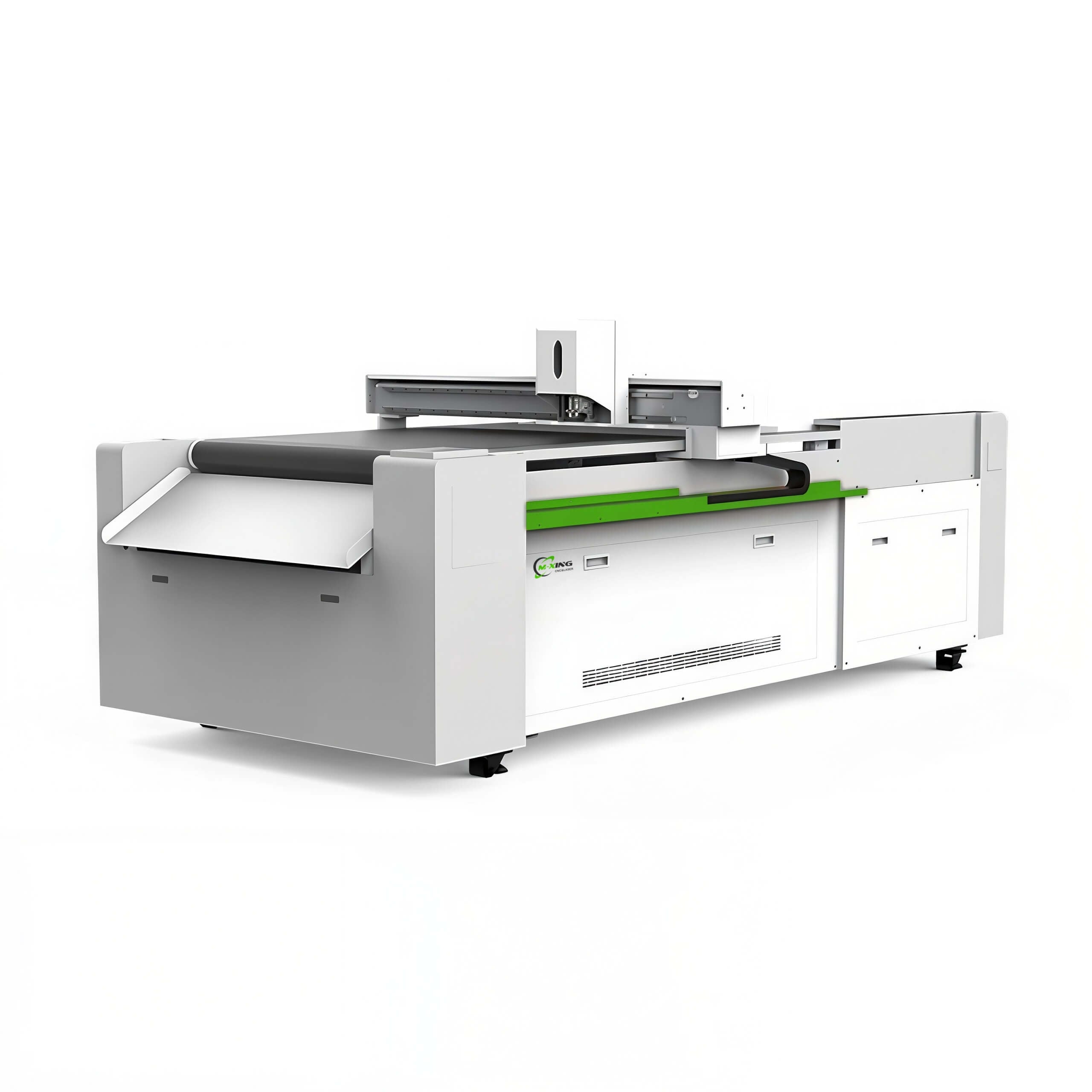
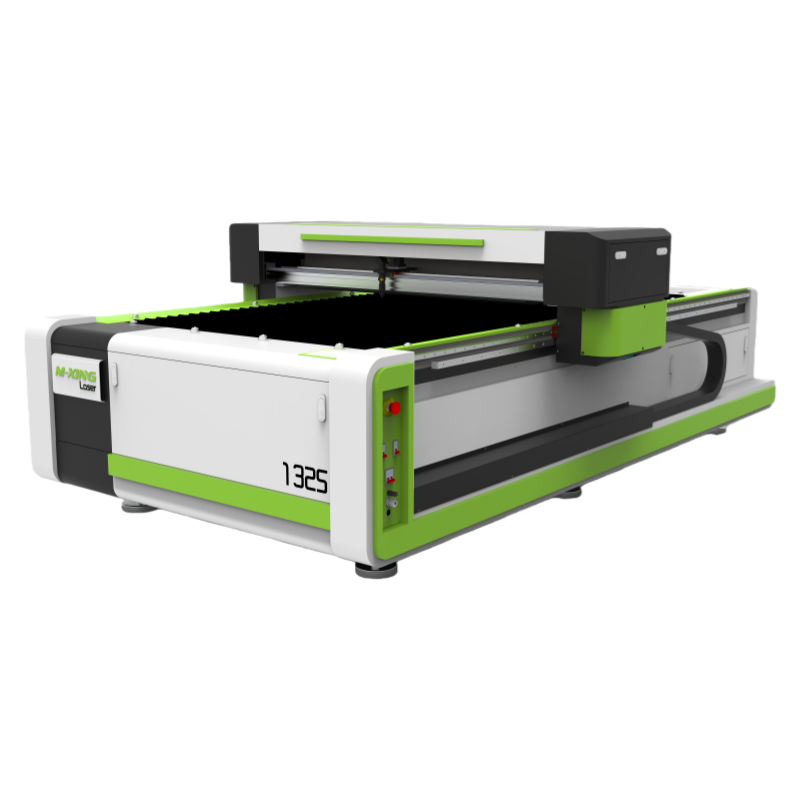
For technical evaluators comparing options for small-batch production, choosing between a CO2 laser engraving machine and a diode system comes down to material range, engraving precision, speed, and long-term operating value. This guide outlines the practical differences that matter most, helping you identify which solution better fits your workflow, application demands, and purchasing priorities.
If you are screening machines for short-run output, custom orders, or mixed-material jobs, the usual mistake is looking only at headline power or purchase price. That is rarely where the decision gets made. In small batch work, the real question is whether the machine stays flexible without creating too much setup drag, material limitation, or rework risk.
A CO2 laser engraving machine and a diode system can both look viable on paper. In practice, they serve different production habits. One is usually chosen because it opens up broader material processing. The other is often chosen because it lowers entry cost for lighter-duty engraving. If your team is evaluating for repeatable commercial output rather than hobby use, use the checklist below to keep the comparison grounded.
This is where most decisions become obvious.
If your small-batch workflow includes acrylic, glass marking with coating, leather, wood, paperboard, rubber, fabric, or nonmetal signage substrates, a CO2 laser engraving machine usually gives you the more realistic production path. CO2 wavelength is widely used for these materials because absorption characteristics are generally favorable across many nonmetals. That matters more than raw wattage when you want stable engraving depth and cleaner cutting edges.
Diode systems can do well on wood, some coated metals, leather, paper, and certain dark materials, but the material window is narrower. Clear acrylic is the classic checkpoint. If clear acrylic is part of your output, many buyers stop the evaluation there because diode systems are often not the practical answer for direct processing. If your samples include transparent or light-colored plastics, test them early instead of assuming software settings will solve it.
That last point should not be treated casually. Material compatibility is not just about whether the beam leaves a mark. It is also about fumes, residue, optics contamination, and operator exposure.
Check whether you are buying an engraving tool or a mixed-use production tool
A lot of diode buyers are not really buying for production breadth. They are buying for selective engraving. That can be perfectly sensible. If your batch work is mostly logos, serials, personalization, and surface graphics on a narrow material set, a diode platform may cover the job with lower initial spend.
But if your operation switches between engraving and cutting, especially on customer-driven runs, CO2 systems usually pull ahead. Small batch work tends to be messy in a very specific way: one day it is engraved wood tags, the next day acrylic display inserts, then short-run packaging prototypes. That is where a CO2 laser engraving machine earns its keep. It reduces the number of times your sales team has to say no.
A simple internal check helps: are you optimizing for low entry cost, or for fewer quoting limitations over the next 12 to 24 months? Different answer, different machine.
Short videos of high-speed raster movement are not production evidence. In small batch work, useful speed is the combination of marking time, cutting time, alignment time, file prep, material loading, and the number of passes needed to get an acceptable result.
CO2 machines often gain time because they can reach the result in fewer passes on common nonmetal materials. Diode systems may still be acceptable for light engraving, but once jobs require deeper marking, denser fills, or cleaner cutting on thicker stock, cycle times can change sharply. That is where an apparently cheaper machine starts costing operator hours.
Ask for sample timing on jobs that resemble your actual order mix:
Without that, “fast” is just a sales adjective.
A one-off sample can tolerate a bit of edge char, minor taper, or inconsistent fill. Batch work cannot, because defects repeat. Technical evaluators should look less at “best possible” output and more at “repeatable acceptable” output.
CO2 platforms are commonly chosen when the requirement includes consistent engraving on coated wood products, cleaner acrylic work, or predictable cutting across varied sheet stock. Diode systems can still produce attractive engraved results, especially for graphics and personalization, but tolerances become more application-dependent.
A good supplier conversation here is very specific. Ask what lens options, focal setup, motion control approach, and cooling configuration are included. Do not rely on “high precision” language by itself. If test files are available, submit artwork with fine text, halftones, sharp corners, and repeated shapes. Those reveal more than a decorative sample ever will.
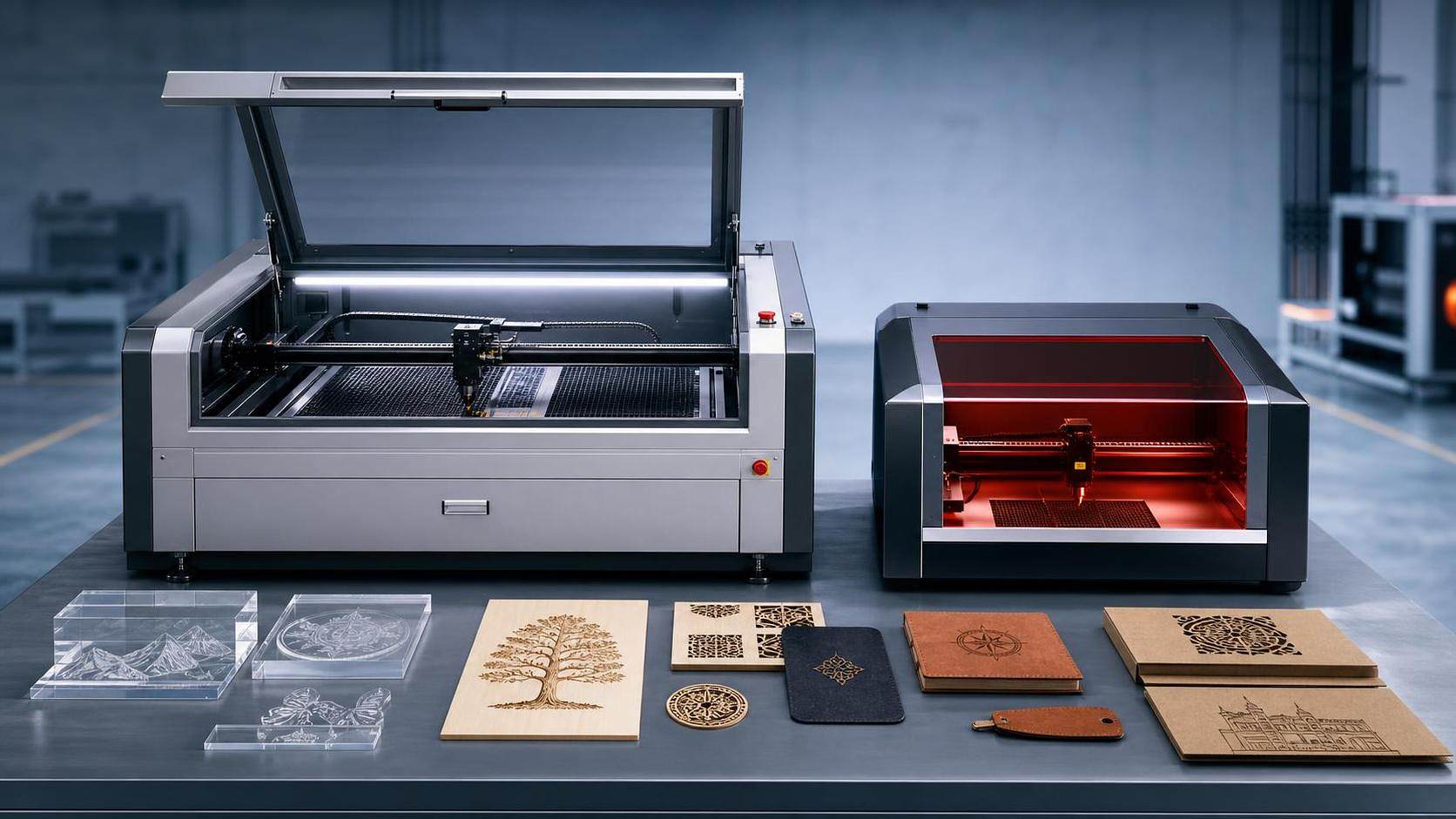
People sometimes compare only the beam source and ignore everything that keeps production stable. In reality, ventilation, air assist, cooling, exhaust routing, optics maintenance, and software compatibility have direct impact on uptime.
For a CO2 laser engraving machine, cooling and optical path maintenance deserve real attention. For diode systems, thermal management and long-run consistency still matter, but the surrounding infrastructure may be lighter depending on the design. The right choice depends partly on whether your site is set up for production equipment or whether this machine will sit in a compact workshop with limited exhaust options.
| Checkpoint | CO2 System | Diode System |
|---|---|---|
| Material range | Usually broader for nonmetal processing | More limited, application dependent |
| Clear acrylic work | Common evaluation strength | Often unsuitable for direct processing |
| Cutting in mixed small batches | Typically stronger | May fit lighter-duty needs only |
| Entry cost | Usually higher | Often lower |
| Production flexibility | Generally better for varied order flow | Better when job scope is tightly defined |
For evaluators, the useful comparison is not cheapest machine versus expensive machine. It is cost per approved part over time.
A lower-priced diode unit may be the right answer if the work is narrow, the quantities are modest, and the team accepts some material boundaries. A CO2 laser engraving machine may cost more upfront but reduce outsourcing, broaden your quoting range, and shorten production on common nonmetal jobs. That tradeoff is often worth more than the sticker difference.
When comparing suppliers, ask for a replacement-parts list, expected maintenance items, controller/software details, and what is actually included in the delivered configuration. “Factory price” means very little if exhaust components, cooling units, rotary attachments, or commissioning support are treated as extras later.
If you are buying from a manufacturer or factory wholesale source, this is also the moment to verify after-sales support structure. Response time, spare parts availability, and remote troubleshooting matter more in batch production than a slightly lower initial quote.
Requirements vary by destination market, facility policy, and final machine configuration, so this part needs document review rather than assumptions. If your organization needs specific electrical standards, enclosure features, emergency stop layout, interlocks, fume extraction measures, or shipping documentation, ask for them before technical approval is signed off.
Do not claim compliance based on a listing page alone. Request the exact documents and verify that they apply to the offered model and configuration. Where certification status is unclear, mark it as 【To be verified】 in the evaluation file and hold the decision until the supplier clarifies it.
Choose a diode system when your small-batch work is mostly surface engraving, your materials are well defined, your budget is tight, and you can live with a narrower application range.
Choose a CO2 laser engraving machine when the order mix changes often, acrylic or other common nonmetals are central to the business, cutting and engraving both matter, and you want a machine that behaves more like a production asset than a limited-entry tool.
If the choice still feels close, do one thing: run the same real job file on both machine types with your actual material list and your actual acceptance standard. That usually ends the debate faster than any feature sheet. For small batch work, fit is less about what the machine can do once, and more about what it can do every day without turning routine orders into exceptions.
 Hot News
2026-02-05
2026-02-03
2025-12-01

Mingxing Laser is a leading China-based laser machine manufacturer offering CO2 laser cutters, fiber laser cutting machines, CNC routers, laser welders & marking machines. OEM/ODM custom solutions available. Get a quote today!
- Company Headquarters: Room 1303, Building 4, UnitedFortune Plaza, High-tech Zone, Jinan City, Shandong Province, China
- Manufacturing Plant: No. 18, Yinhe Road, Jibei Street, Jiyang District, Jinan City, Shandong Province, China
Copyright © 2026 Century Mingxing (jinan) Intelligent Technology Co., Ltd. All rights reserved. Privacy Policy

 EN
EN