Laser engraving for wooden crafts can produce sharp detail, warm contrast, and reliable repeatability when the process matches the material.
The problem is that wood is never fully uniform. Grain direction, resin content, glue layers, moisture, and coating all change how a CO2 laser reacts.
That is why one setup gives smooth lettering on basswood, yet leaves dark halos and rough edges on plywood ornaments from another batch.
In practical production, laser engraving for wooden crafts is less about chasing one perfect parameter and more about judging the real job condition first.
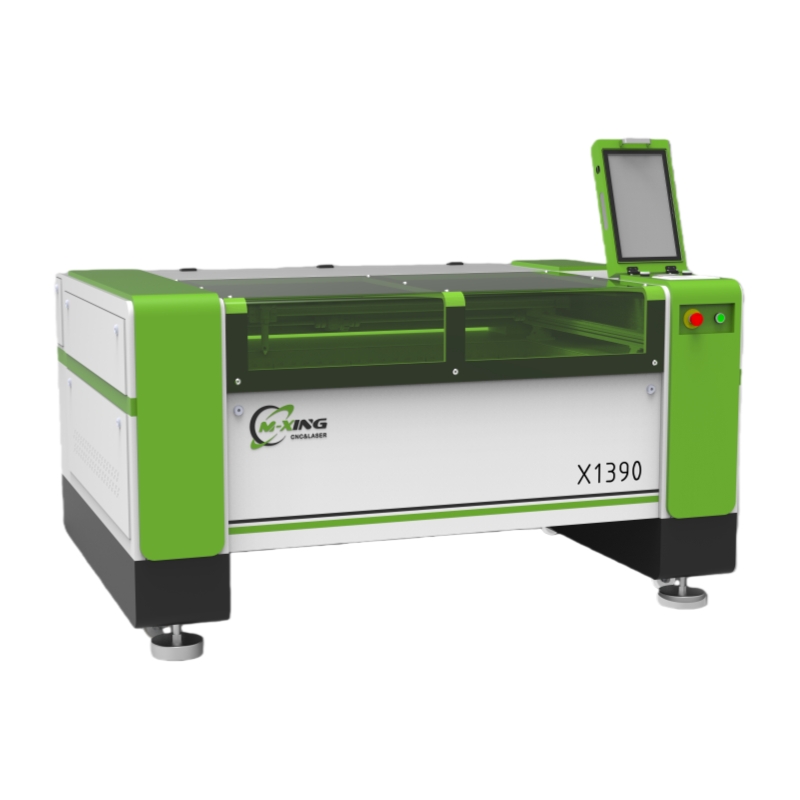
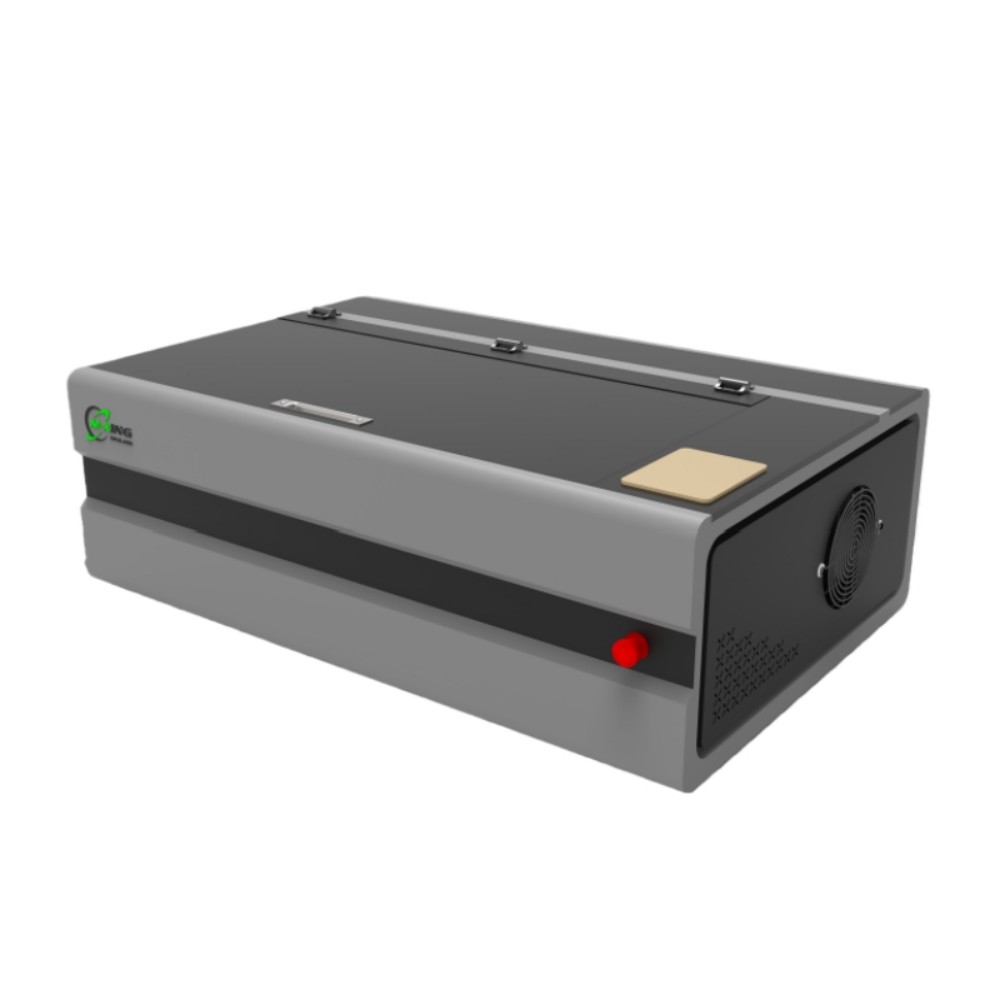
A CNC CO2 laser machine with stable motion, balanced airflow, and consistent beam quality helps, but machine quality alone does not remove burn marks.
The cleaner result usually comes from matching speed, power, focus, masking, and exhaust to the actual surface and edge expectation.
For decorative plaques, small errors show immediately. For toy parts or gift boxes, edge feel matters as much as engraving depth.
This is where laser engraving for wooden crafts becomes a process decision, not only a design decision.
Solid wood usually engraves more naturally than low-grade plywood, but it also shows grain contrast more strongly.
Maple and cherry tend to support cleaner detail. Pine can darken faster because of resin. Oak may create uneven shading across open grain.
Plywood brings another issue. The face veneer may look smooth, while hidden glue pockets char quickly under a CO2 laser engraving machine.
MDF can engrave evenly for painted products, yet it creates more smoke residue and needs stronger extraction.
In laser engraving for wooden crafts, the same artwork behaves differently on unfinished birch tags and lacquered souvenir boxes.
A coated surface may trap smoke, while oil or wax can discolor around the engraved area even when power is not excessive.
Before changing machine settings, it is usually better to confirm four variables: species, board construction, moisture, and surface finish.
| Material condition | Common issue | Better adjustment |
|---|---|---|
| Softwood with resin | Dark burn rings and sticky residue | Higher speed, lower power, stronger air assist |
| Thin birch plywood | Edge soot and glue line charring | Masking film, stable focus, clean nozzle path |
| Hard maple or cherry | Shallow contrast if speed is too high | Moderate power with tight interval control |
| MDF for painted parts | Heavy smoke deposit | Stronger exhaust and post-cleaning allowance |
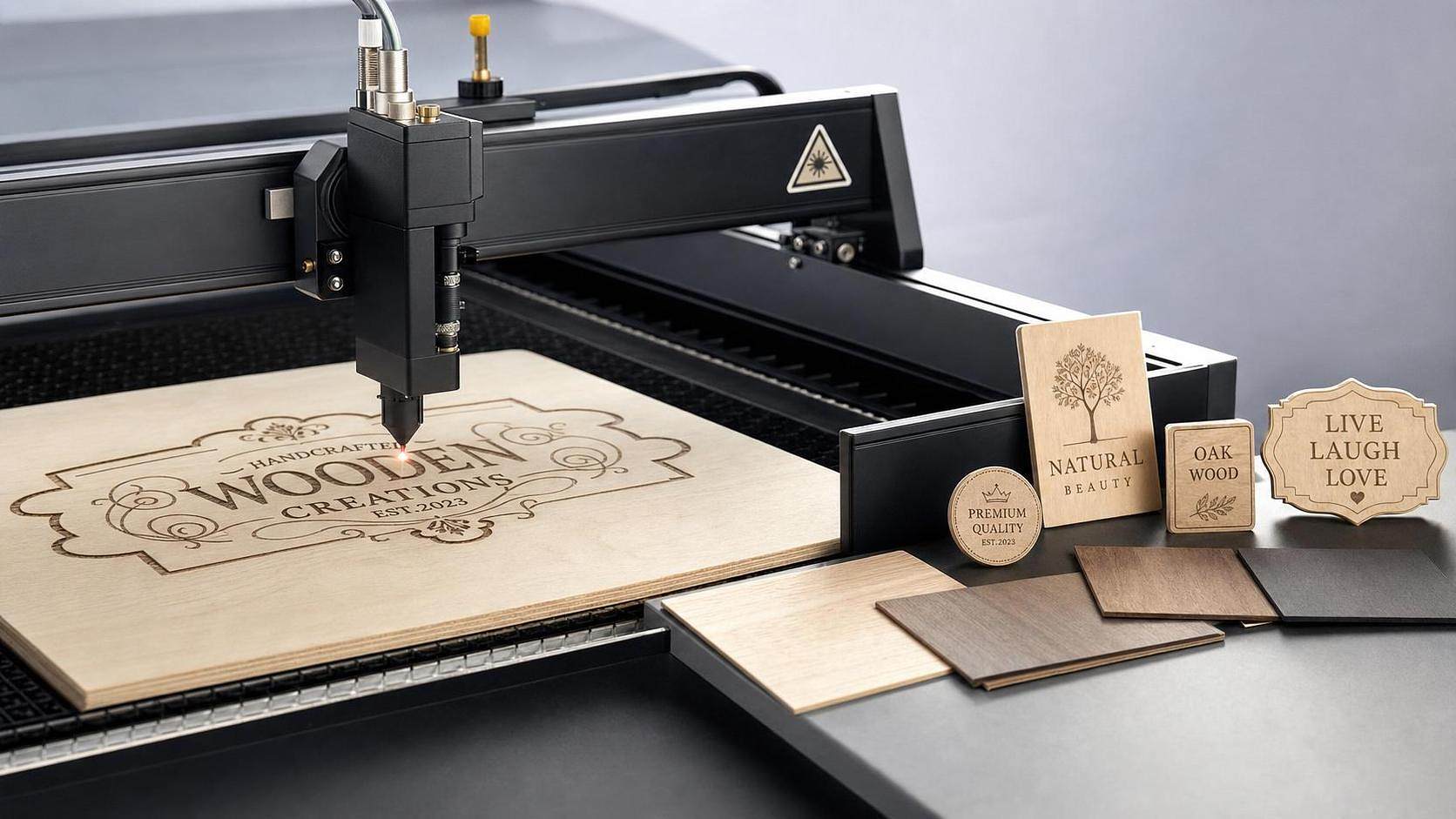
For jewelry boxes, holiday ornaments, and branded gift items, the visual field is small and every scorch mark becomes obvious.
In that setting, laser engraving for wooden crafts should prioritize surface cleanliness over aggressive depth.
A slightly lighter engraving often looks more premium than a deep, dark burn with fuzzy margins.
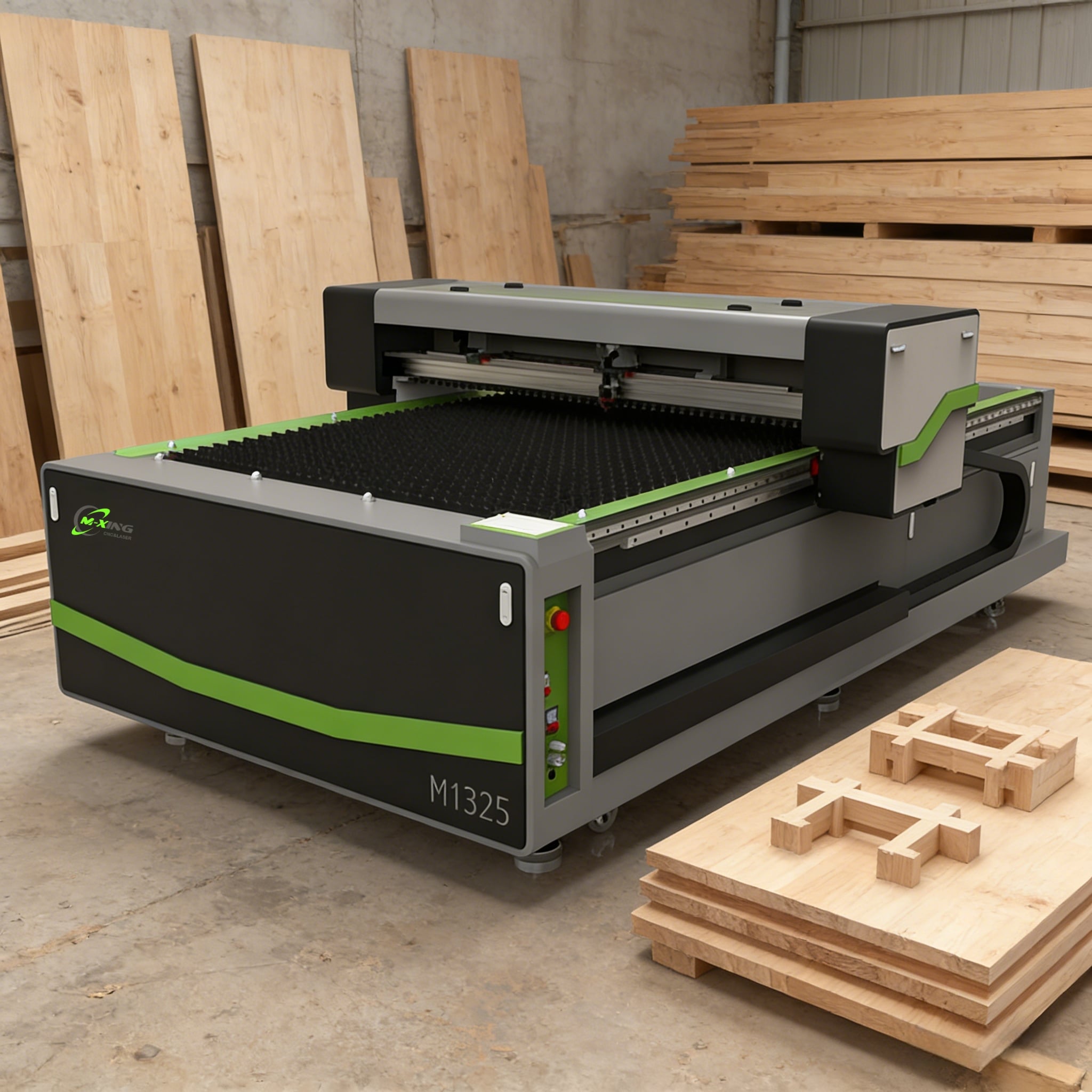
Functional parts are different. Toy components, puzzle pieces, or slotted assembly panels usually tolerate more visible color change.
What matters there is edge quality, fit accuracy, and limited fiber lift after cutting or marking.
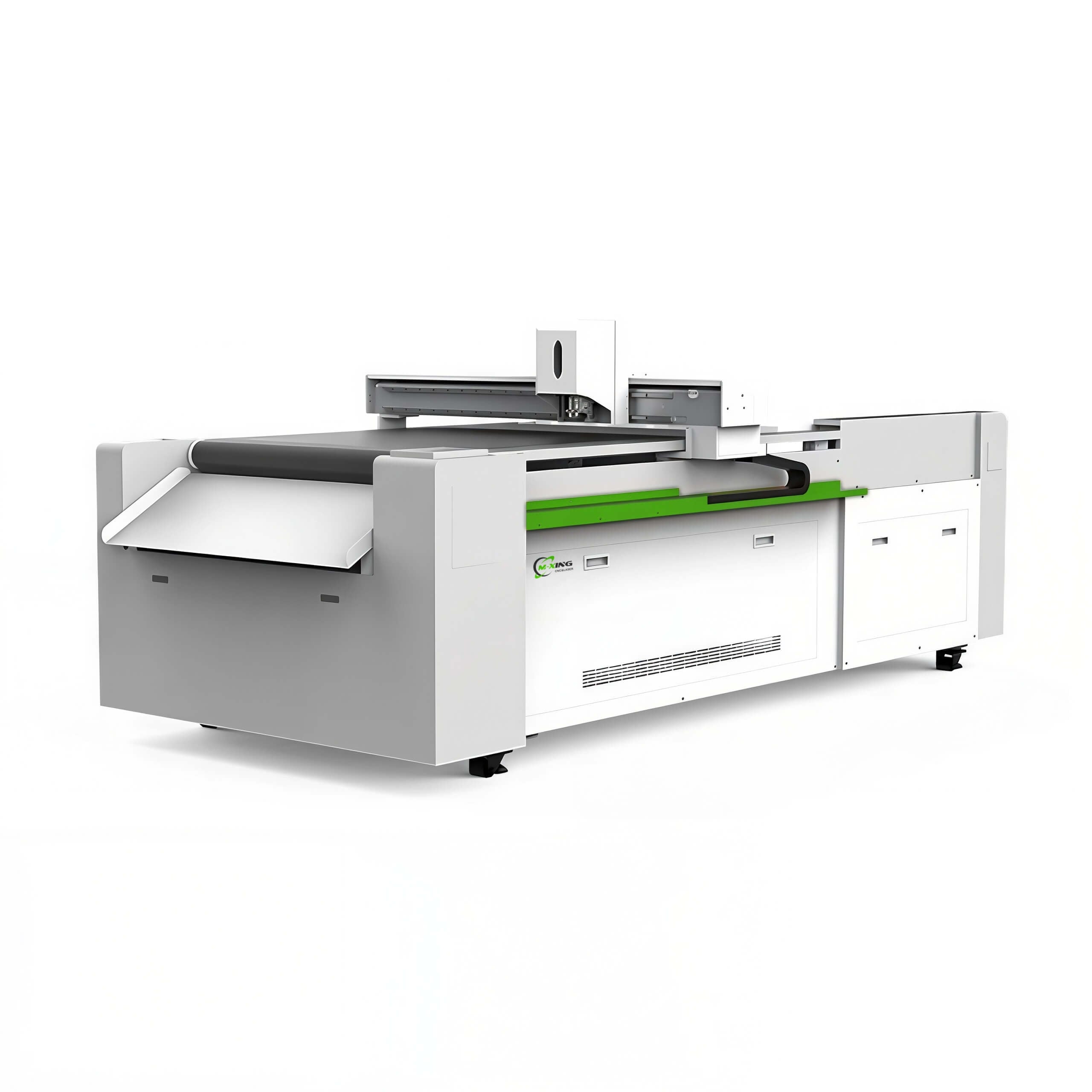
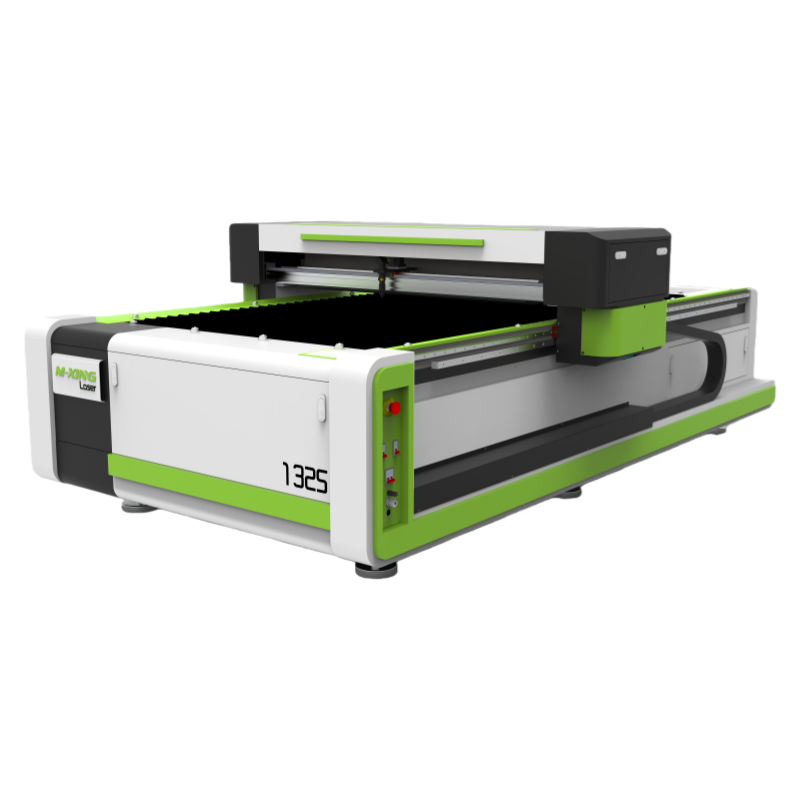
A CO2 laser cutting machine used for mixed engraving and cutting work must switch priorities between appearance and mechanical consistency.
That shift is often missed. Shops keep one universal setup, then wonder why souvenir pieces look smoked while assembly parts still need sanding.
Many operators first reduce power. Sometimes that helps, but persistent burn marks usually point to poor smoke removal around the beam path.
In laser engraving for wooden crafts, smoke that lingers near the surface gets reheated and stains the surrounding grain.
Air assist should be strong enough to clear debris, yet not so aggressive that it spreads ash across light surfaces.
Exhaust flow matters just as much. Weak extraction lets smoke roll back under the head, especially on wider tables.
Focus is another common variable. If the focal point sits too high, heat spreads outward before material removal becomes efficient.
That creates wider burn edges and softer detail. If focus goes too deep, line sharpness can also suffer.
A co2 laser machine with stable Z adjustment and consistent lens condition makes this easier to control across repeated jobs.
Lens contamination is often overlooked. A dirty lens diffuses energy and pushes the process toward heat staining rather than precise engraving.
Short-run customized work usually accepts more parameter tuning per order because designs, wood batches, and finish expectations change frequently.
Here, laser engraving for wooden crafts benefits from a test matrix for each material family rather than a single library value.
High-volume production is different. Repeatability becomes the priority, so material control and machine consistency must tighten.
That often favors dependable CO2 laser engraving machine platforms, fixed nozzle distance, documented airflow levels, and approved board suppliers.
An OEM CO2 laser machine setup can make sense when the process needs matched table size, exhaust routing, and automation rhythm.
The point is not customization for its own sake. It is process stability when the same wooden craft pattern repeats every day.
In mixed production, a fractional laser machine configuration is sometimes evaluated for finer control on delicate marking effects, but the real result still depends on material response and beam management.
One common mistake is trusting supplier labels without testing actual board composition. “Birch plywood” can vary greatly across factories and glue systems.
Another is judging only by machine wattage. More power does not automatically improve laser engraving for wooden crafts.
On thin wooden items, excess power often enlarges the heat-affected zone and creates rougher edges.
Some jobs also ignore storage conditions. Wood that absorbed moisture overnight may engrave darker and less consistently the next morning.
There is also a finishing mistake. Scrubbing soot off soft wood too aggressively can leave a pale halo larger than the original burn mark.
In real operation, prevention is usually cheaper than cleanup. That includes masking, airflow checks, and routine optical maintenance.
| Checkpoint | Why it matters | Practical action |
|---|---|---|
| Wood batch consistency | Directly affects burn tone and edge texture | Keep sample records by supplier and batch |
| Air assist and exhaust balance | Controls smoke staining during engraving | Measure flow performance during real jobs |
| Focus and lens condition | Impacts line sharpness and heat spread | Standardize cleaning and focal checks |
| Post-finish requirement | Changes acceptable residue threshold | Set engraving depth by final finishing method |
Laser engraving for wooden crafts improves fastest when the process is documented by wood type, finish condition, and visual target.
That standard does not need to be complicated. A few controlled test panels often reveal more than broad parameter guessing.
For each common wooden craft job, record speed, power, interval, focus, air setting, and cleanup method.
Then compare not only the engraving color, but also edge feel, smoke spread, and surface recovery after wiping or finishing.
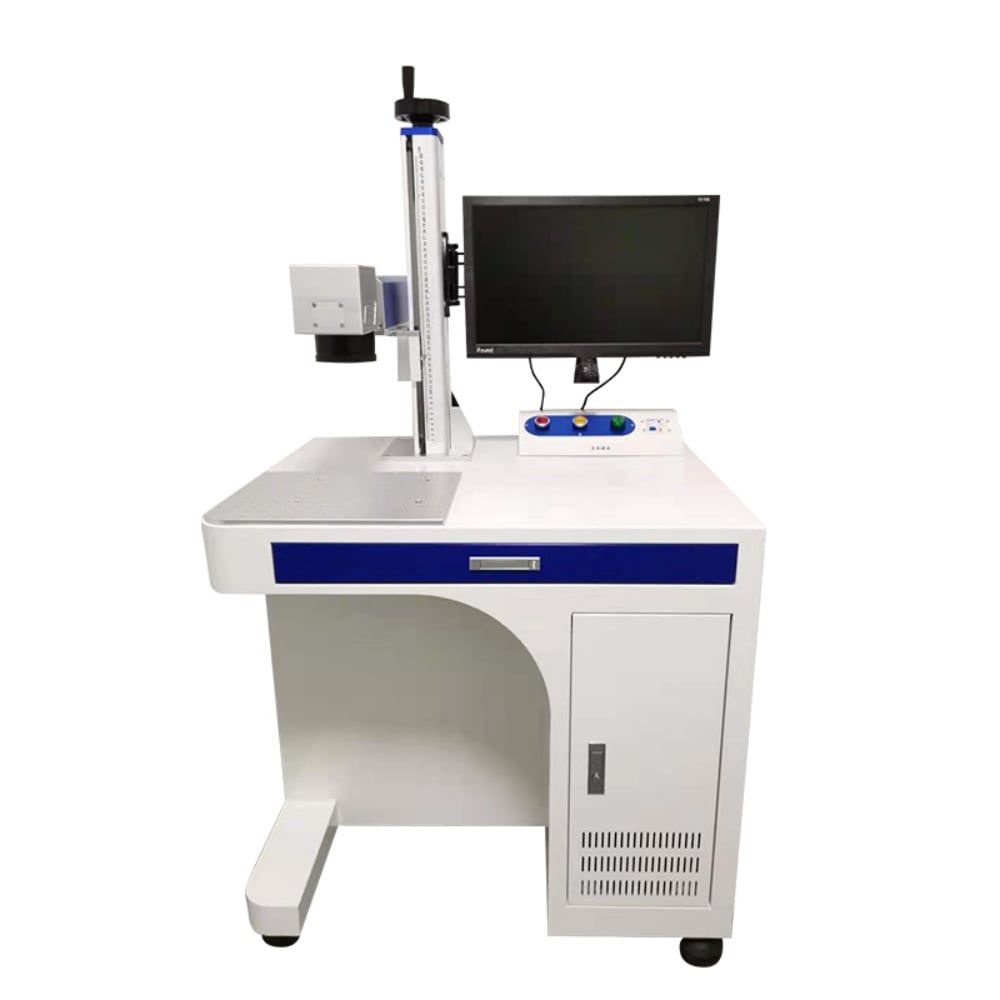
When a CO2 laser marking machine or CO2 laser cutting machine is selected for ongoing wood applications, this process view matters more than headline specifications alone.
The practical goal is simple: match the machine, airflow, and material behavior to the product expectation before defects become routine.
From there, it becomes easier to compare application conditions, confirm maintenance needs, and set a reliable quality benchmark for future wooden craft work.
 Hot News
2026-02-05
2026-02-03
2025-12-01

Mingxing Laser is a leading China-based laser machine manufacturer offering CO2 laser cutters, fiber laser cutting machines, CNC routers, laser welders & marking machines. OEM/ODM custom solutions available. Get a quote today!
- Company Headquarters: Room 1303, Building 4, UnitedFortune Plaza, High-tech Zone, Jinan City, Shandong Province, China
- Manufacturing Plant: No. 18, Yinhe Road, Jibei Street, Jiyang District, Jinan City, Shandong Province, China
Copyright © 2026 Century Mingxing (jinan) Intelligent Technology Co., Ltd. All rights reserved. Privacy Policy

 EN
EN