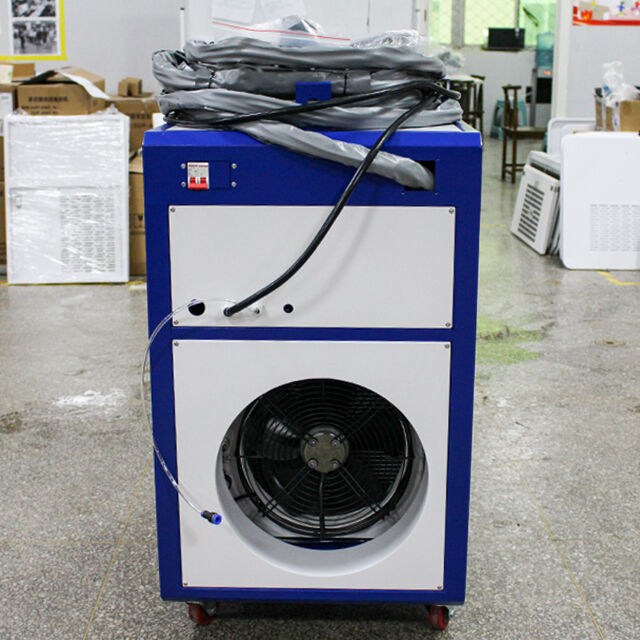
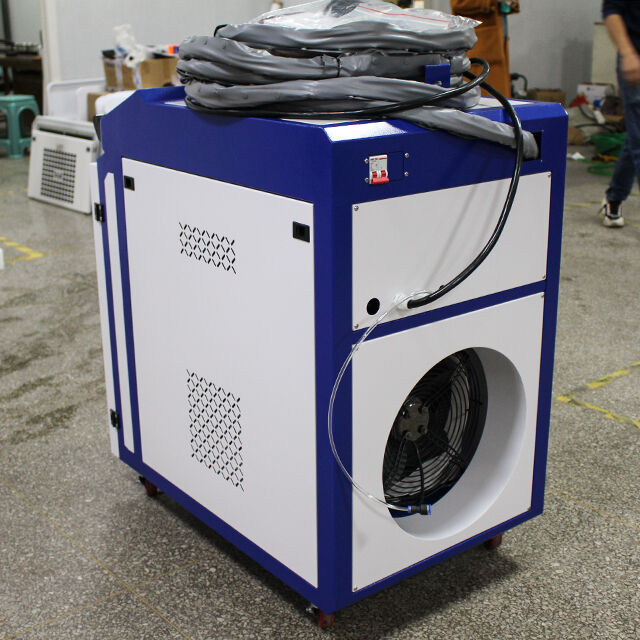
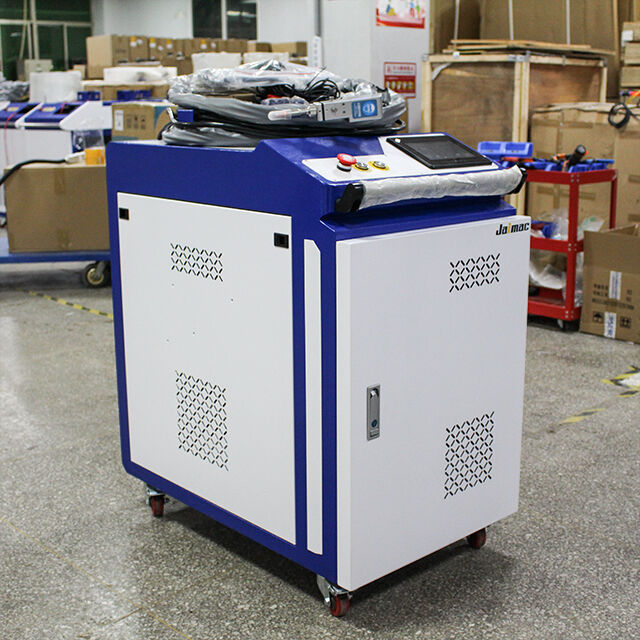
pulse laser cleaner
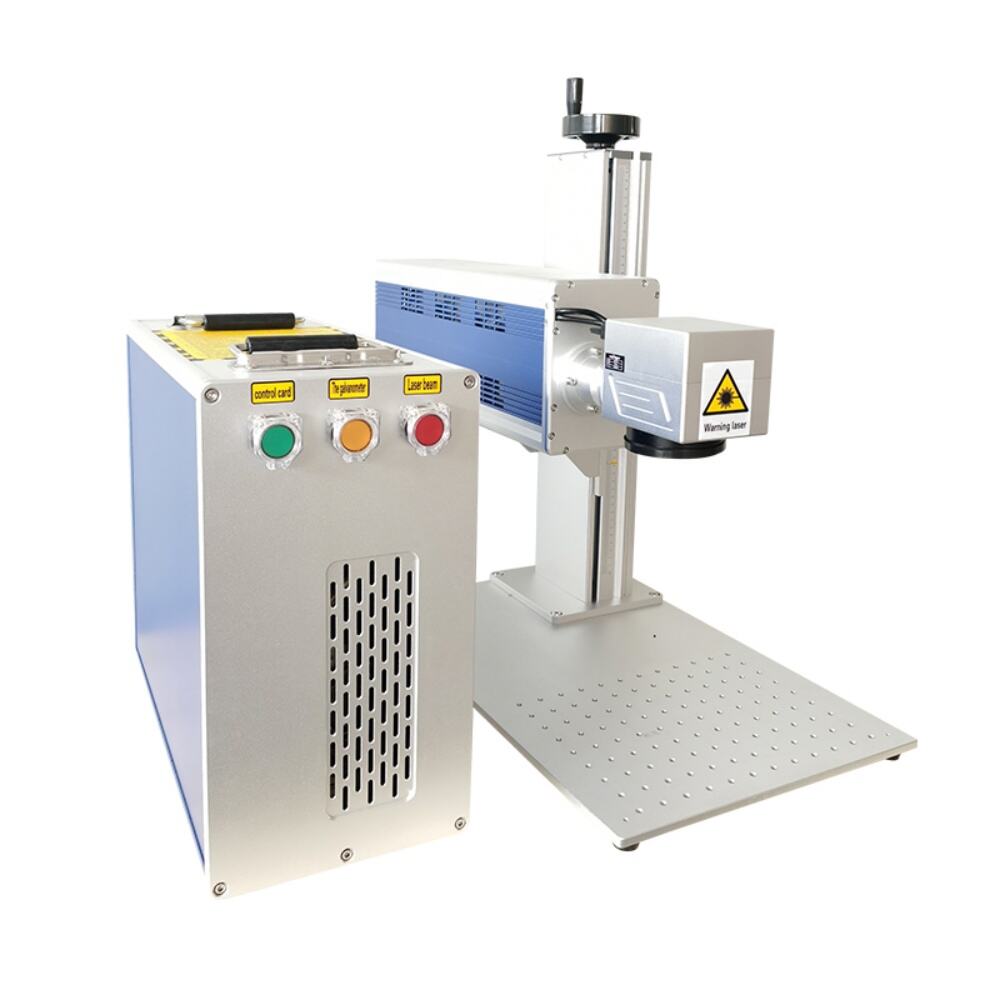
The pulse laser cleaner represents a revolutionary advancement in industrial surface treatment technology, offering unparalleled precision and efficiency for various cleaning applications. This sophisticated device utilizes short-duration, high-intensity laser pulses to remove contaminants, coatings, rust, and unwanted materials from surfaces without causing damage to the underlying substrate. The pulse laser cleaner operates on the principle of selective absorption, where target materials absorb laser energy and undergo rapid thermal expansion, effectively breaking the bond between contaminants and the base material. The system generates ultra-short laser pulses measured in nanoseconds or picoseconds, delivering concentrated energy that vaporizes surface contaminants instantly. This precise control mechanism enables operators to adjust parameters such as pulse frequency, energy density, and beam diameter to accommodate different materials and cleaning requirements. The pulse laser cleaner incorporates advanced beam delivery systems, including fiber optic cables and scanning mirrors, ensuring consistent energy distribution across treated surfaces. Modern pulse laser cleaner units feature automated control systems with programmable settings, allowing users to store and recall specific parameters for different applications. Safety features include protective housing, emission monitoring, and emergency shutdown protocols to ensure operator protection during operation. The technology excels in removing paint, oxide layers, adhesives, and biological contaminants from metals, composites, stones, and other materials. Unlike traditional cleaning methods that rely on chemicals, abrasives, or mechanical action, the pulse laser cleaner achieves superior results without generating secondary waste or requiring extensive post-treatment cleanup. Integration capabilities allow the pulse laser cleaner to work seamlessly with robotic systems and automated production lines, enhancing throughput and consistency. Environmental benefits include elimination of chemical solvents, reduction in waste generation, and minimal energy consumption compared to conventional cleaning methods.
 EN
EN