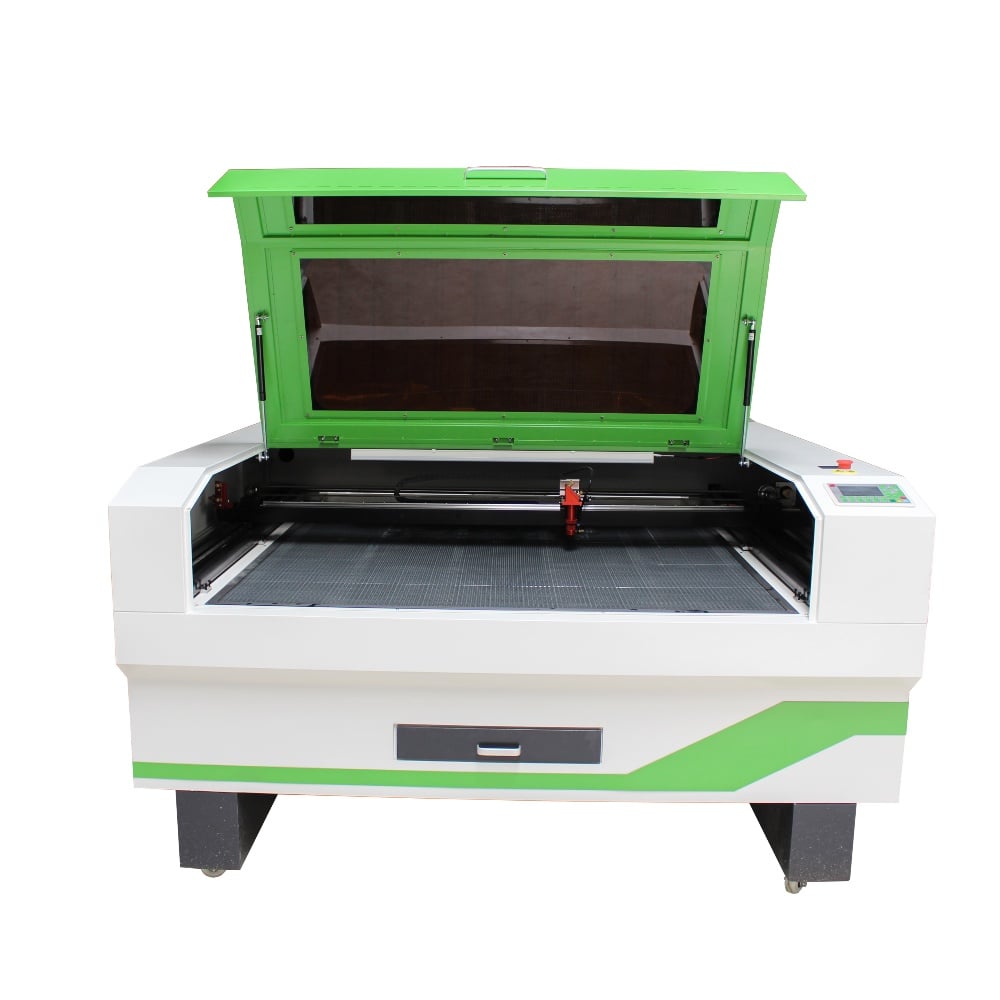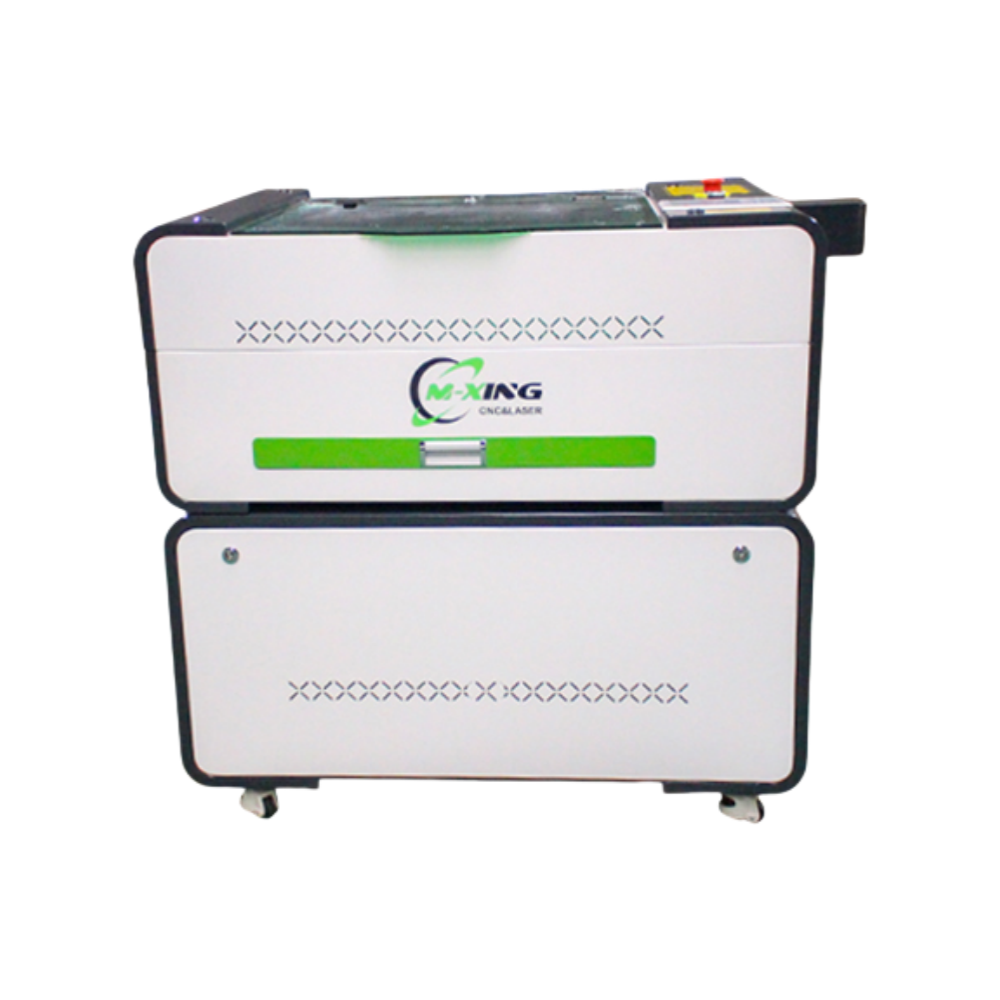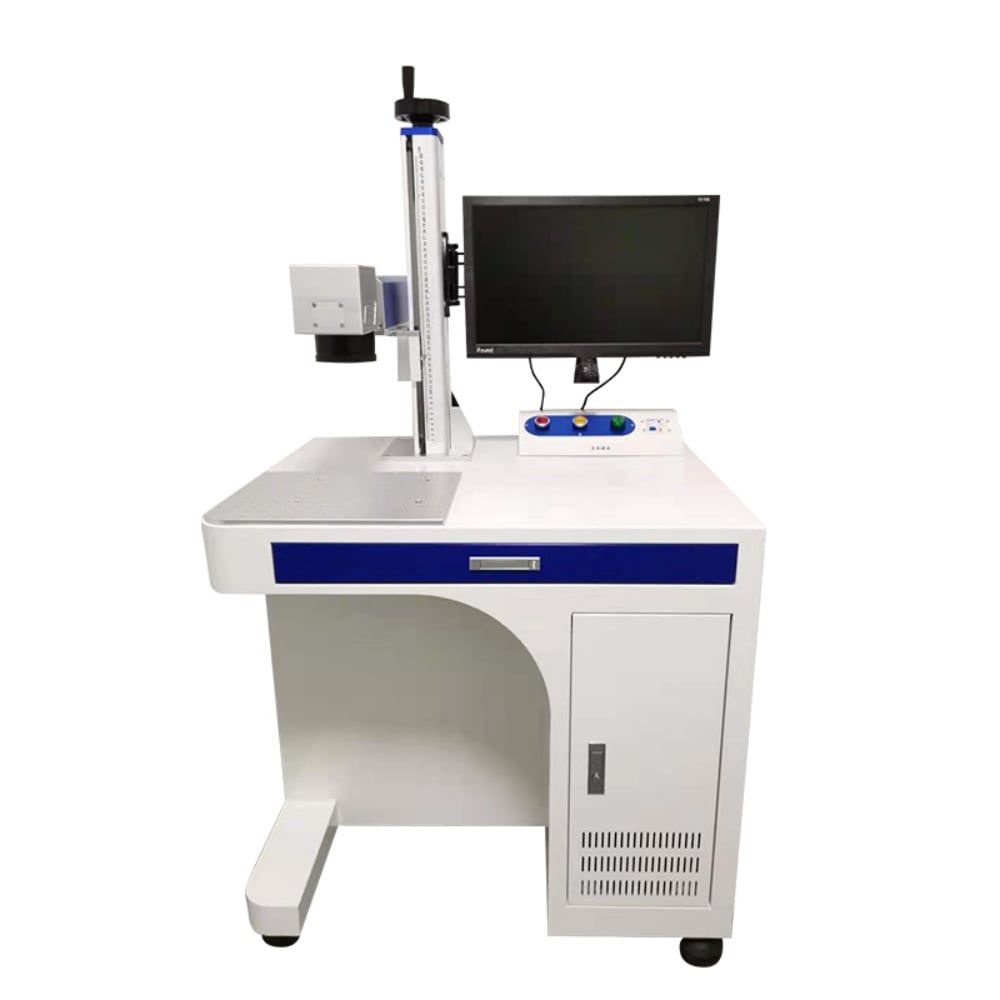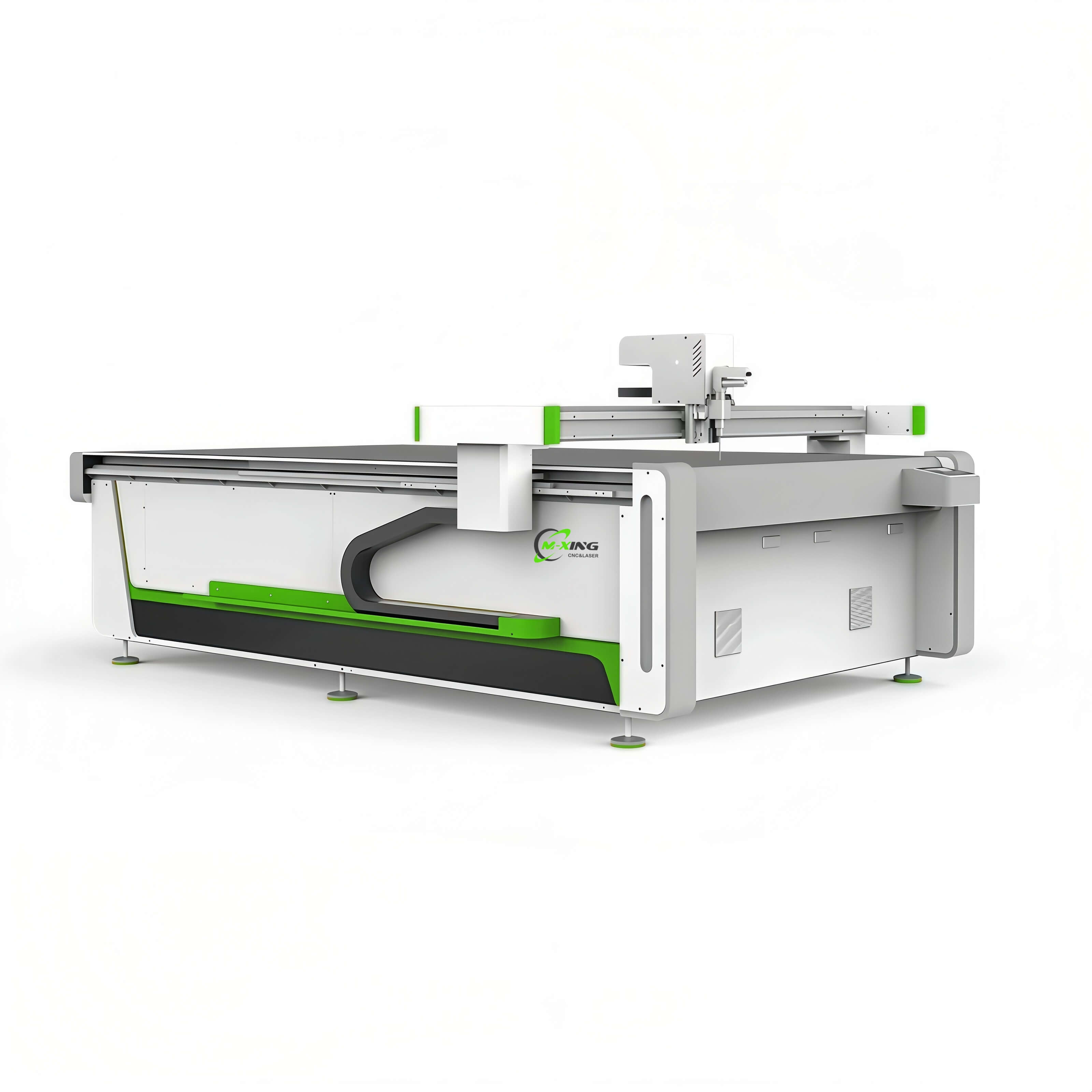
CO2 laser applications in arts and crafts industry now sit between creativity and repeatable production.
Studios, gift brands, workshop lines, and custom décor projects often need precision without losing design flexibility.
That is where CNC CO2 laser cutting, engraving, and marking systems become practical rather than decorative.
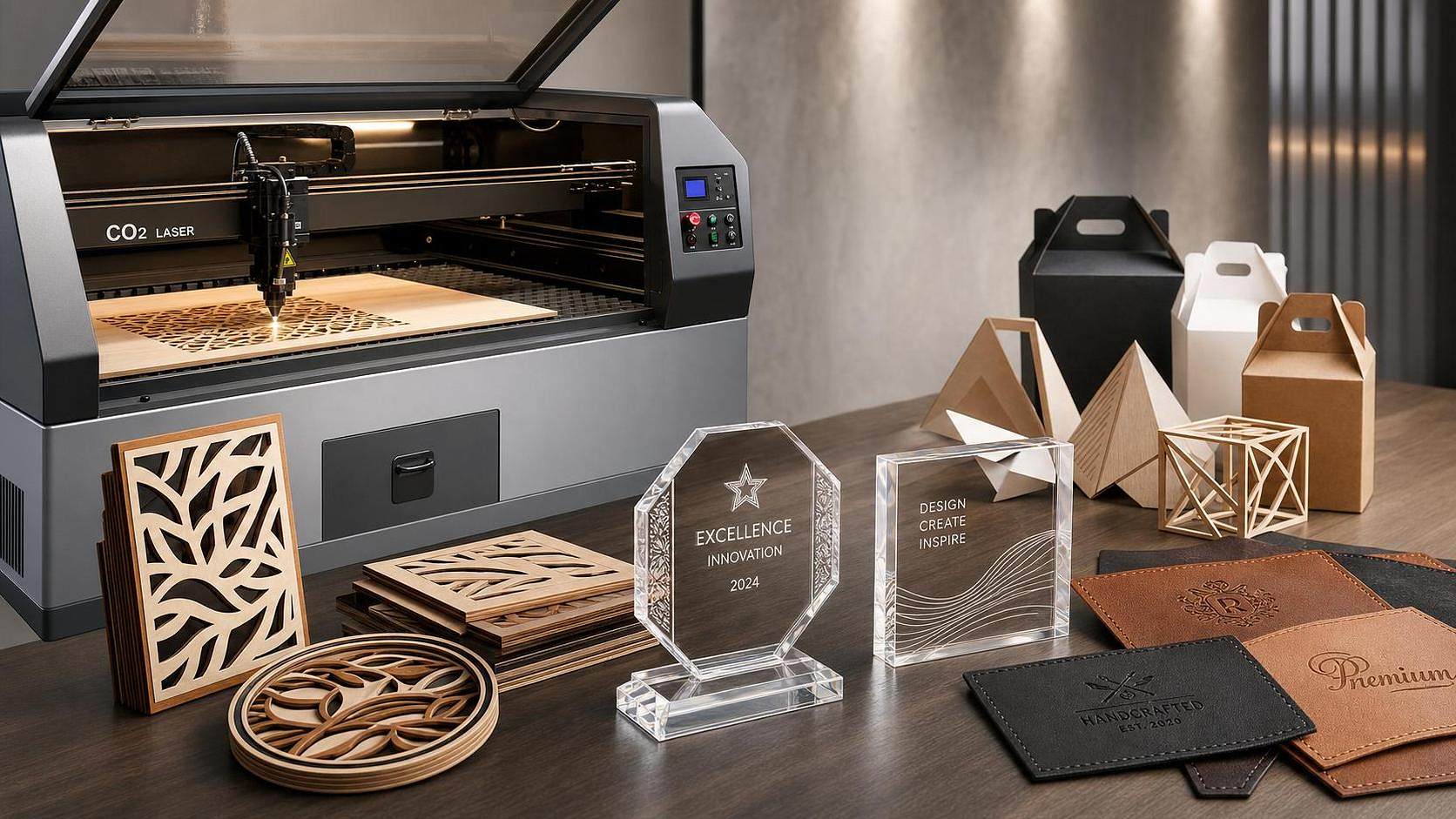
The same machine may cut layered wood signs in the morning and engrave acrylic trophies later.
Still, results depend less on broad machine claims and more on matching power, motion control, and exhaust to material behavior.
In real projects, different materials react very differently to heat, edge exposure, and detail density.
That is why CO2 laser applications in arts and crafts industry should be judged by use case, finish expectations, and workflow rhythm.
People often group arts and crafts jobs by product type.
A better method is to group them by material response and post-processing demand.
For example, plywood, solid wood, MDF, cast acrylic, paperboard, leather, felt, rubber, and coated surfaces each require different settings.
Wood-based items usually tolerate moderate engraving depth and layered cutting.
Acrylic responds beautifully in edge-finished display pieces, but surface haze and flame polishing expectations must be understood.
Paper and cardstock demand speed stability more than raw power.
Leather and fabric need careful airflow, because the wrong balance causes edge darkening or warping.
This is why CO2 laser applications in arts and crafts industry reward detailed material testing before production files are standardized.
| Material | Typical arts and crafts use | What matters most |
|---|---|---|
| Plywood | Signs, ornaments, layered décor | Glue consistency, edge char, flatness |
| MDF | Templates, backing boards, prototypes | Smoke control, fine dust, finish sealing |
| Cast acrylic | Display parts, awards, lighted crafts | Clear edges, scratch protection, clean masking |
| Cardstock and paper | Invitation sets, packaging mockups | Burn prevention, registration accuracy |
| Leather | Patches, journals, accessories | Odor extraction, edge color, texture response |
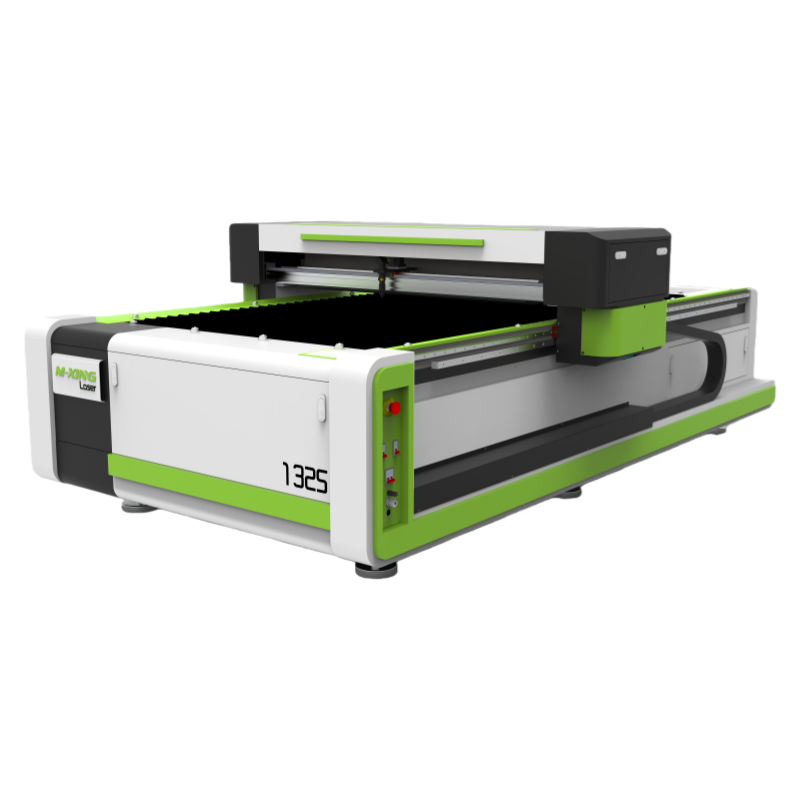
A wholesale CNC CO2 laser machine used for mixed jobs should handle these material shifts without lengthy recalibration.
Wall signs, name plaques, layered quotes, and seasonal decorations are among the most frequent CO2 laser applications in arts and crafts industry.
These jobs look simple, but production pressure appears quickly when designs become personalized.
One-off personalization needs accurate positioning, while small-batch décor needs stable repeatability across many sheets.
In this setting, plywood thickness tolerance and internal glue gaps often affect outcomes more than rated laser wattage.
A CO2 laser cutting machine with smooth motion and dependable air assist reduces rework on small text and tight corners.
Engraving depth also matters when painted fills or stain contrast are part of the final design.
For layered décor, a CO2 laser engraving machine helps maintain clean alignment between backing, decorative frame, and top lettering.
Another strong area for CO2 laser applications in arts and crafts industry is premium customized gifting.
This includes acrylic keepsakes, engraved boxes, branded souvenirs, and decorative display components.
Here, buyers rarely judge only by dimensional accuracy.
They notice frosting quality, edge brightness, engraving contrast, and whether parts feel refined without heavy hand finishing.
Cast acrylic is usually the safer option for cleaner engraving and polished cut edges.
Extruded acrylic can still be used, but finish expectations should be lower and settings must be adjusted carefully.
A CO2 laser marking machine is also useful when the goal is controlled surface branding rather than deep engraving.
This distinction matters in display products where tactile depth is less important than a clean, readable visual layer.
In practical terms, CO2 laser applications in arts and crafts industry succeed here when the machine supports stable low-power detail work.
Light materials change the workflow completely.
Invitation cards, scrapbook elements, felt ornaments, and packaging prototypes need delicate handling more than aggressive cutting force.
The common mistake is selecting a system only for thick-board performance.
That often leads to overburn, edge curl, or tiny bridges breaking during extraction.
For these applications, beam stability, nozzle setup, vacuum hold-down, and software path optimization become central.
A CNC CO2 laser machine with precise acceleration control will usually perform better on intricate paper patterns than a higher-power unit tuned for thick wood.
The same logic applies to felt and fabric accents used in ornaments or mixed-media craft kits.
Edges should seal neatly without excessive discoloration, and repeated motifs should stay dimensionally consistent.
| Application scene | Primary demand | Recommended focus |
|---|---|---|
| Layered wood décor | Clean inner cuts and fit accuracy | Air assist, sheet flatness, nesting efficiency |
| Acrylic gifts and awards | Visual clarity and premium finish | Material grade, masking, low-power detail control |
| Paper and packaging mockups | Fine detail without scorching | Speed tuning, vacuum support, path sequencing |
| Leather and soft craft parts | Controlled edge tone and texture preservation | Exhaust design, test matrix, odor management |
Several mistakes appear repeatedly in CO2 laser applications in arts and crafts industry.
The first is treating similar-looking jobs as technically identical.
A wooden wedding sign and a retail display panel may use the same sheet material, yet their finish tolerance can be very different.
The second is looking only at machine power.
For arts and crafts work, controller stability, optics quality, software compatibility, and maintenance access often influence output more.
The third is ignoring running conditions.
Exhaust capacity, lens cleaning frequency, cooling reliability, and replacement parts availability affect consistency across long runs.
This is where an experienced CO2 laser machine manufacturer or OEM CO2 laser machine supplier can make a difference.
The value is not only the machine frame.
It is the ability to align optics, bed format, and service support with the actual mix of arts and crafts materials.
The best results in CO2 laser applications in arts and crafts industry come from clear scene-based evaluation.
Start by listing the three materials used most often and the finish level each product actually needs.
Then compare whether the work is mainly cutting, engraving, marking, or a shifting mix of all three.
That simple review often reveals whether a standard CO2 laser engraving machine is enough or whether an OEM CNC CO2 laser cutting machine setup makes more sense.
It also helps define bed size, exhaust requirements, motion precision, and expected maintenance rhythm.
When the material map and workflow are clear, equipment selection becomes less about broad claims and more about dependable fit.
That is the most practical way to turn creative demand into stable output with fewer surprises.
 Hot News
2026-02-05
2026-02-03
2025-12-01

Mingxing Laser is a leading China-based laser machine manufacturer offering CO2 laser cutters, fiber laser cutting machines, CNC routers, laser welders & marking machines. OEM/ODM custom solutions available. Get a quote today!
- Company Headquarters: Room 1303, Building 4, UnitedFortune Plaza, High-tech Zone, Jinan City, Shandong Province, China
- Manufacturing Plant: No. 18, Yinhe Road, Jibei Street, Jiyang District, Jinan City, Shandong Province, China
Copyright © 2026 Century Mingxing (jinan) Intelligent Technology Co., Ltd. All rights reserved. Privacy Policy

 EN
EN