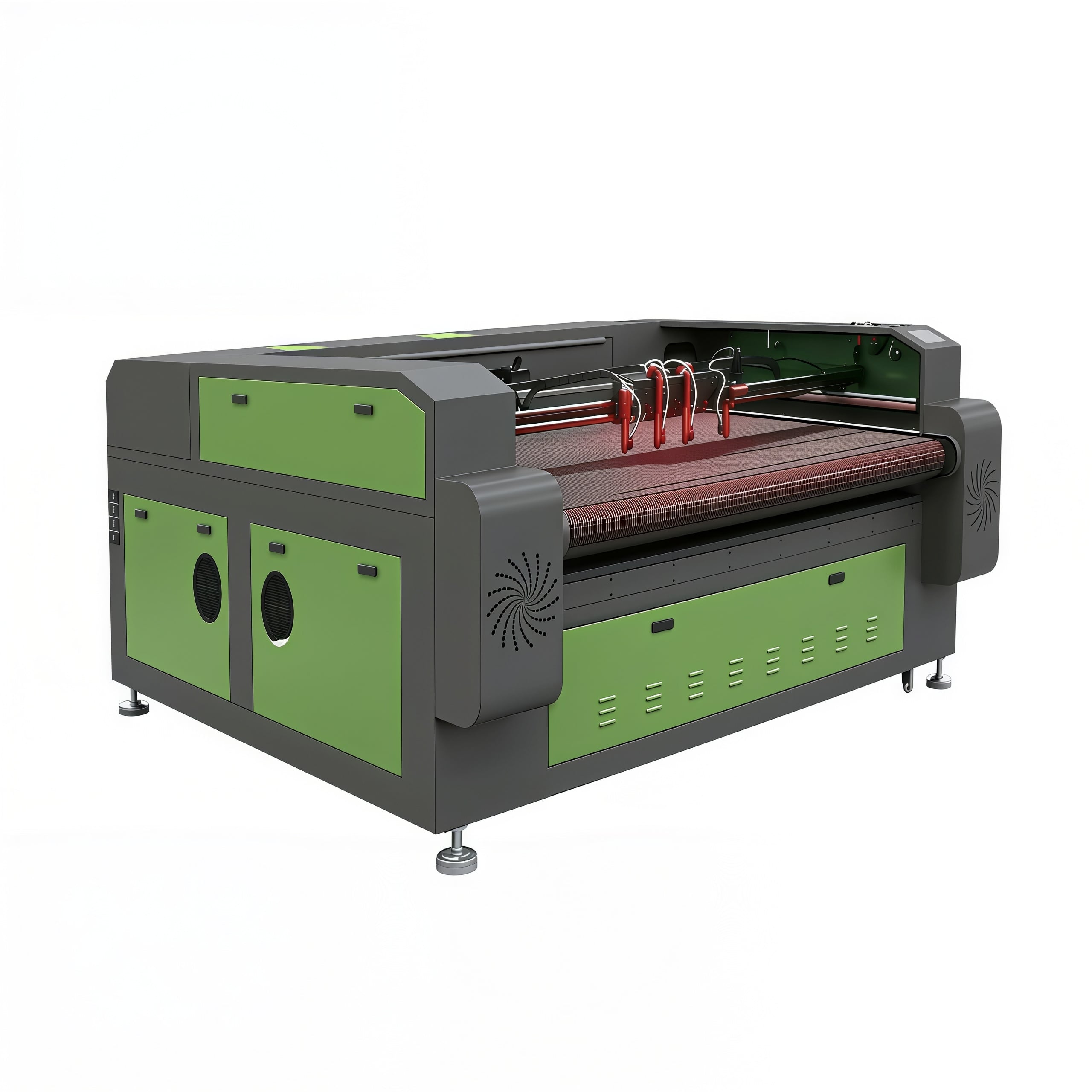
Proper CO2 laser care and cleaning keeps output stable, protects optics, and reduces unplanned stops.
That sounds simple, but maintenance needs shift with how a machine is actually used.
A CNC CO2 laser cutting machine processing acrylic all day builds residue differently from a CO2 laser engraving machine handling wood, leather, or coated materials.
A CO2 laser marking machine with short cycles may look clean outside while mirrors, rails, and extraction paths quietly collect contamination.
In practice, CO2 laser care and cleaning is less about a fixed ritual and more about matching tasks to dust load, smoke level, runtime, and accuracy demands.
That is especially true for wholesale and OEM equipment lines, where machine formats vary, yet the same maintenance logic still applies.
Daily checks matter most where the machine runs continuously or changes materials often.
These environments usually care about repeatable edges, consistent engraving depth, and fewer restarts during a shift.
For acrylic cutting, smoke residue usually reaches optics faster than expected.
For wood engraving, ash and fine dust spread wider across rails and covers.
The key judgment is not whether dirt is visible, but whether contamination has started affecting beam delivery or movement accuracy.
If kerf width changes, corners char more, or engraving loses contrast, daily CO2 laser care and cleaning is already overdue.
Weekly maintenance becomes more important when one machine handles cutting, engraving, and marking in the same week.
Mixed workloads create uneven contamination patterns, so surface cleaning alone is rarely enough.
This is also the right time to compare current output with last week’s sample pieces.
A machine may still run, yet edge yellowing, shallow engraving, or extra flame marks can signal maintenance drift.
For OEM CO2 laser machine setups, weekly checks should also include any custom fixtures, rotary modules, or protective enclosures.
Those additions often change airflow and dust accumulation, which directly affects CO2 laser care and cleaning intervals.
Monthly tasks should go beyond cleaning what looks dirty.
The goal is to catch wear, alignment drift, and cooling issues before they become tube damage or repeat quality loss.
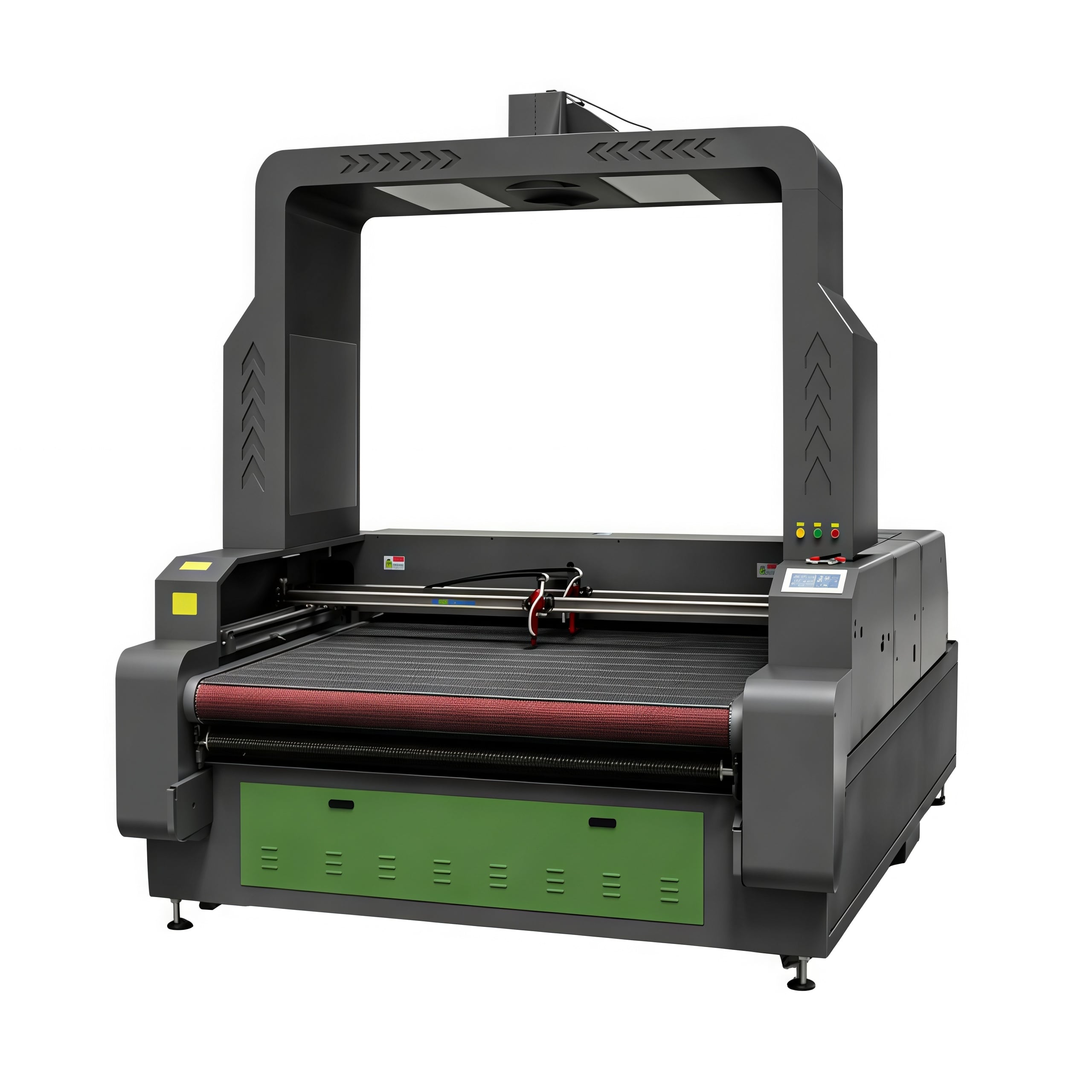
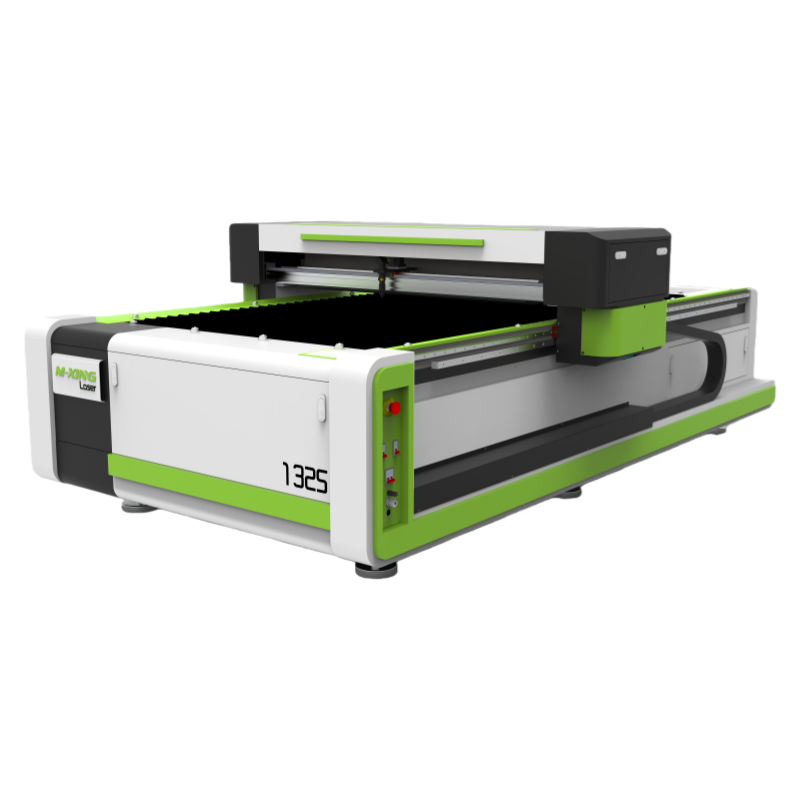
In longer-bed CO2 laser cutting machine models, monthly alignment checks deserve extra attention.
A small mirror shift can appear only at the far corners, which leads to uneven cuts that daily cleaning will never fix.
For compact engraving units, the bigger monthly risk is often airflow neglect rather than alignment loss.
The most useful CO2 laser care and cleaning checklist is one that reflects actual material behavior.
Acrylic, MDF, rubber, fabric, leather, and coated metals do not leave the same residue.
| Application condition | Main maintenance pressure | What to prioritize |
|---|---|---|
| Acrylic cutting | Optics film and exhaust buildup | Daily lens checks, nozzle cleaning, airflow review |
| Wood engraving | Fine ash on rails and bed | Rail cleaning, table clearing, weekly lubrication |
| Rubber marking | Sticky residue and smoke odor | Exhaust path cleaning, filter checks, optics inspection |
| Mixed OEM production | Uneven contamination from varied jobs | Shorter weekly cycles and job-based maintenance logs |
This difference is why one standard checklist often fails across several machines.
A factory running wholesale CNC CO2 laser machine output may need model-specific intervals, even when systems share the same tube power.
A common mistake is treating maintenance as a cosmetic task.
Clean covers do not mean clean optics, stable cooling, or safe exhaust performance.
Another misjudgment is copying the same cycle from a different material or machine size.
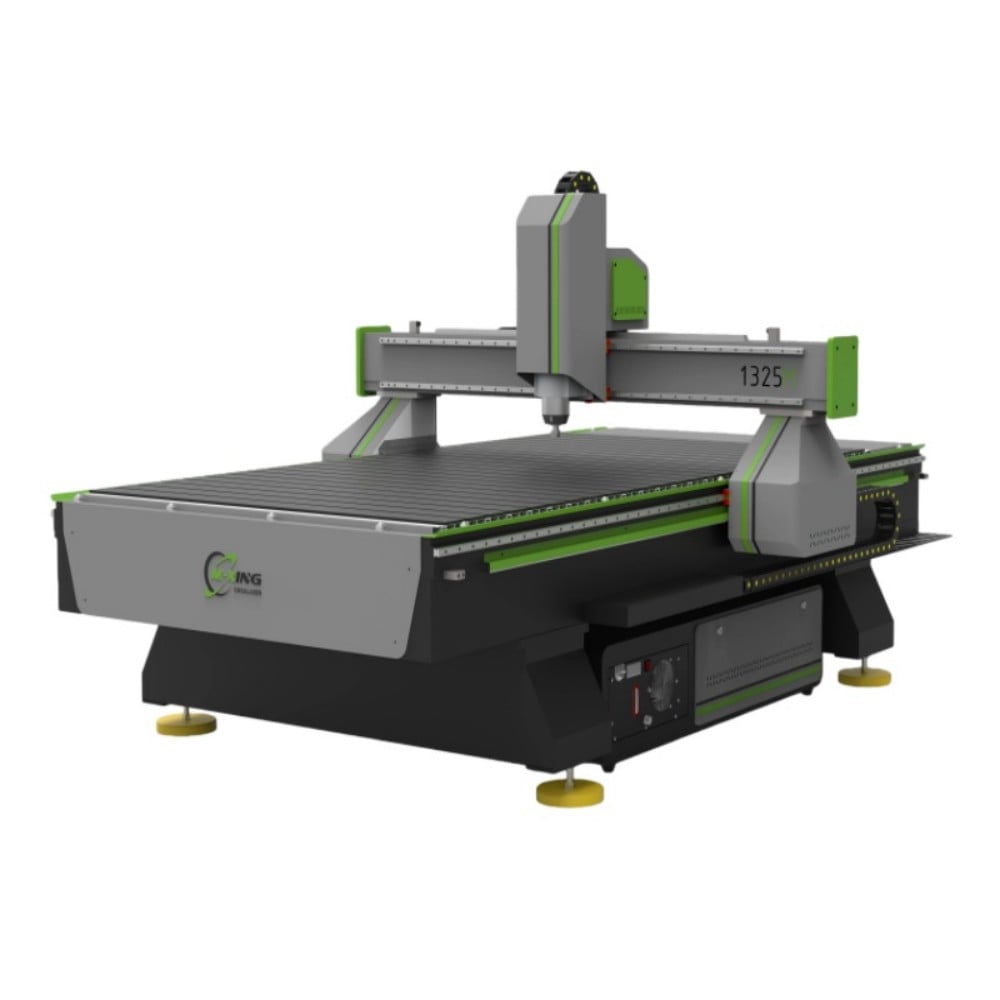
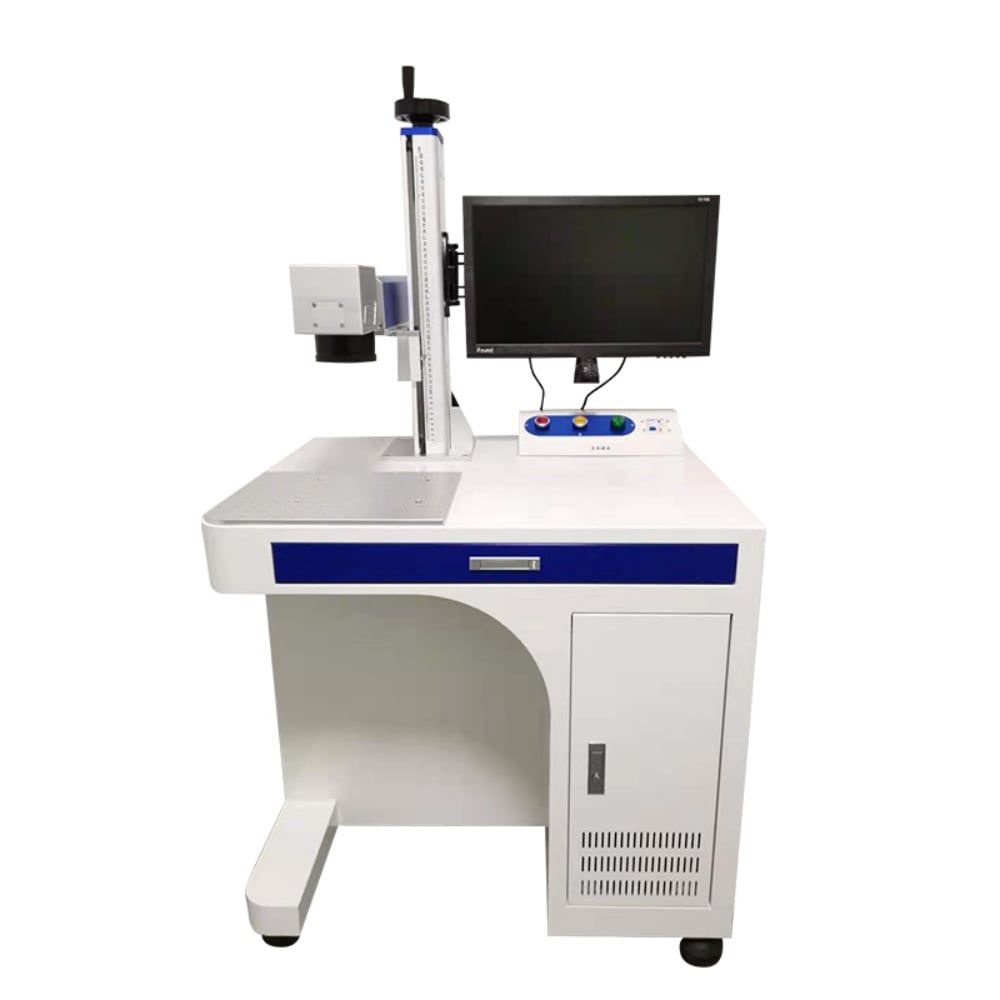
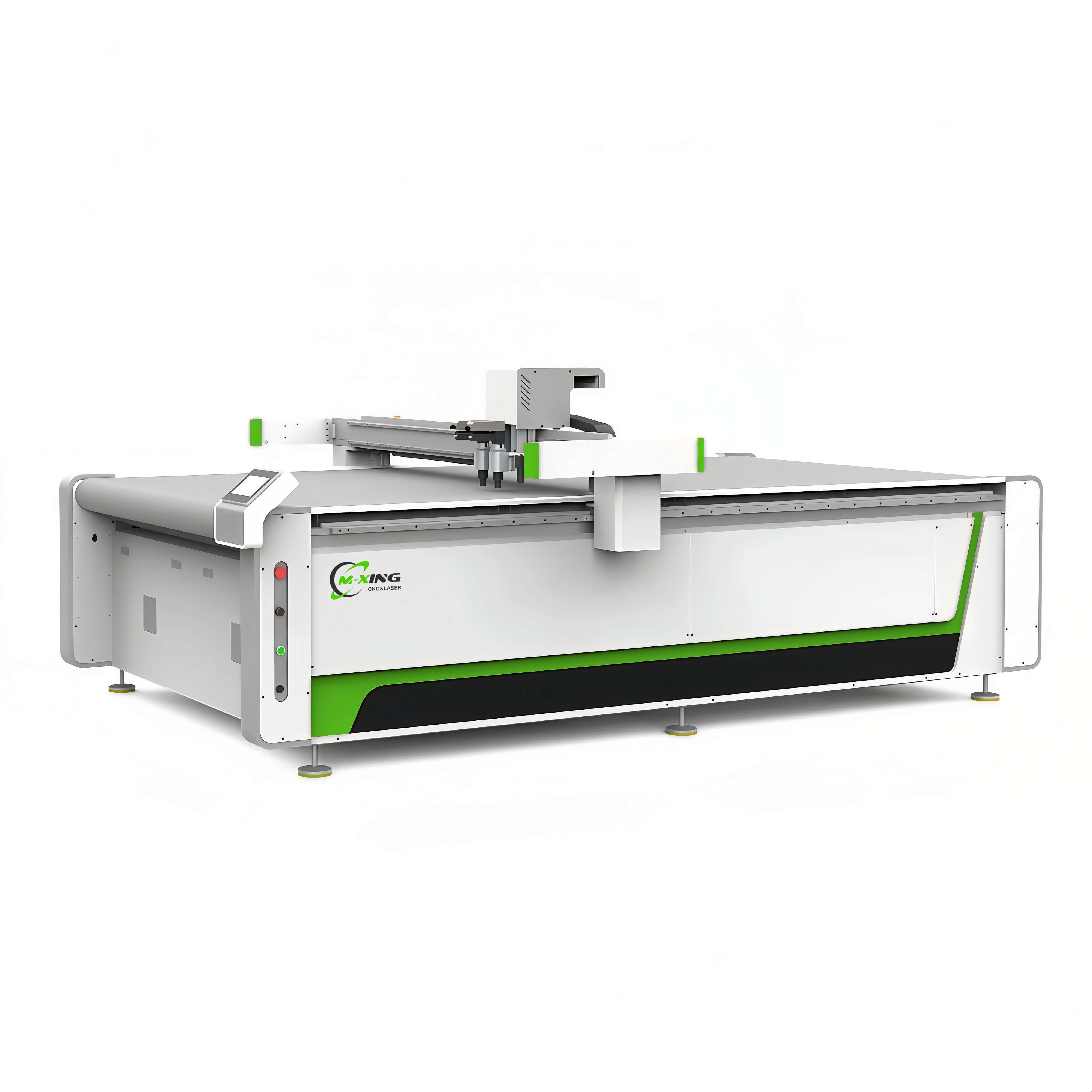
A CO2 fractional laser machine, a marking unit, and a large-format cutting table may all use CO2 technology, yet contamination paths differ.
In actual use, neglected cleaning usually shows up first as unstable results, not immediate failure.
That delay makes CO2 laser care and cleaning easy to postpone, which is exactly why structured intervals matter.
The most workable approach is to link each task to a real trigger.
Use runtime hours, material type, visible residue, and output variation together.
For example, heavy acrylic cutting may need optics checks twice a day.
A lighter CO2 laser engraving machine used for short decorative runs may need less frequent optics cleaning but more bed cleanup between jobs.
When multiple models are in service, keep one shared framework and adjust task frequency by workload.
That method works well for suppliers, factories, and OEM projects where machine configurations differ but uptime expectations stay high.
A good next step is to map each machine by material mix, daily runtime, cooling setup, and exhaust condition.
Then assign daily, weekly, and monthly CO2 laser care and cleaning tasks based on those conditions, not on a generic label.
That gives a clearer standard for maintenance effort, replacement planning, and long-term process stability.
 Hot News
2026-02-05
2026-02-03
2025-12-01

Mingxing Laser is a leading China-based laser machine manufacturer offering CO2 laser cutters, fiber laser cutting machines, CNC routers, laser welders & marking machines. OEM/ODM custom solutions available. Get a quote today!
- Company Headquarters: Room 1303, Building 4, UnitedFortune Plaza, High-tech Zone, Jinan City, Shandong Province, China
- Manufacturing Plant: No. 18, Yinhe Road, Jibei Street, Jiyang District, Jinan City, Shandong Province, China
Copyright © 2026 Century Mingxing (jinan) Intelligent Technology Co., Ltd. All rights reserved. Privacy Policy

 EN
EN