Fiber Laser vs CO2 Laser: Cost and Capability Compared is no longer a narrow technical debate. It sits at the center of equipment planning, material strategy, and long-term operating cost.
In laser cutting machine selection, the Comparison of Fiber Laser Machines and CO₂ Laser Cutting & Engraving Machines helps clarify where each technology creates value and where it creates avoidable expense.
That matters even more when production may involve sheet metal, acrylic, wood, coated surfaces, branded parts, or mixed engraving work across changing order volumes.
A few years ago, many buying decisions were driven mainly by upfront machine price. Today, the discussion is wider. Energy use, maintenance intervals, labor efficiency, and material flexibility all affect the real business case.
The Comparison of Fiber Laser Machines and CO₂ Laser Cutting & Engraving Machines has also become more relevant because production lines are less uniform. One facility may need thin metal cutting, non-metal engraving, custom marking, and short-batch prototyping at the same time.
That is why broad assumptions can be expensive. A lower-cost platform may limit future jobs. A faster platform may underperform if it cannot process the materials that actually drive margin.
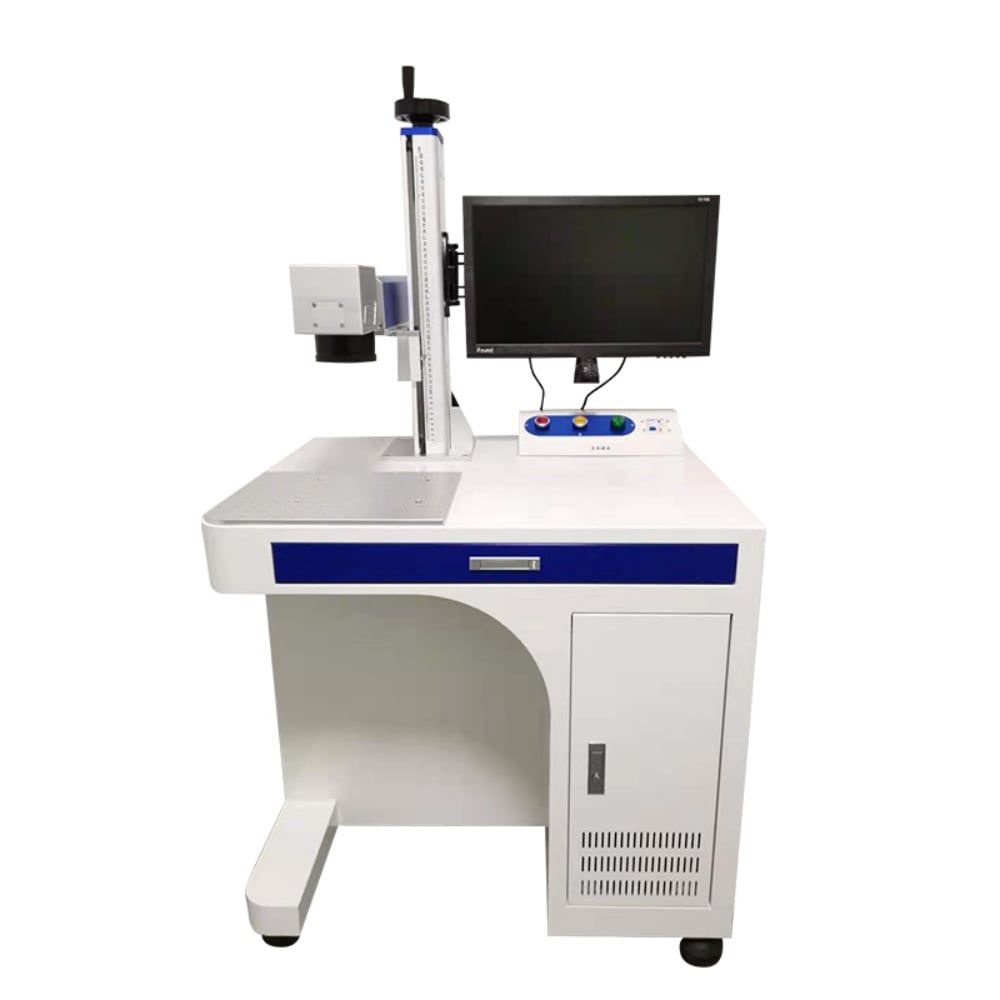
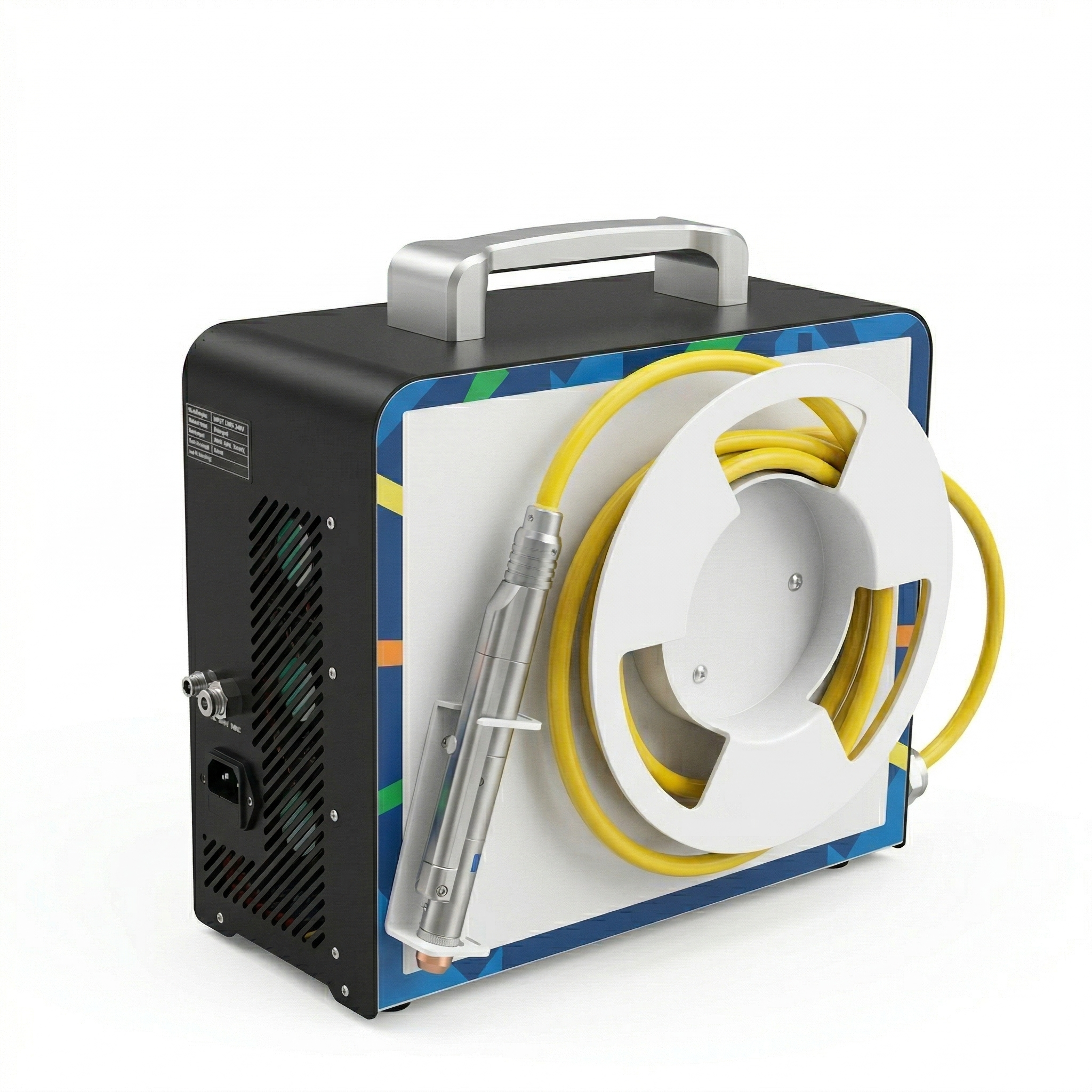
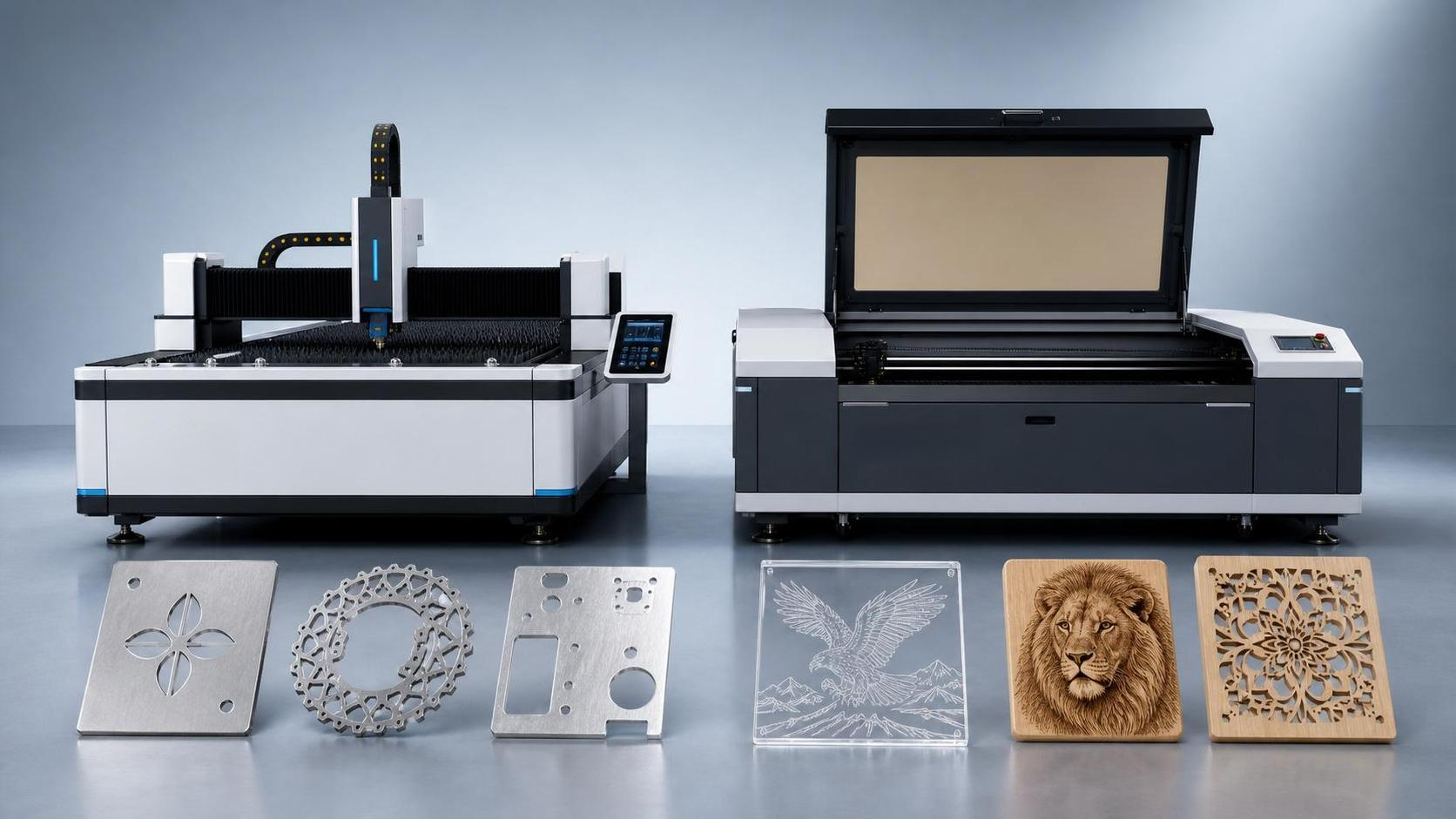
Fiber lasers use a shorter wavelength and are especially effective for metal processing. They are known for high cutting speed on thin to medium metal sheets and strong electrical efficiency.
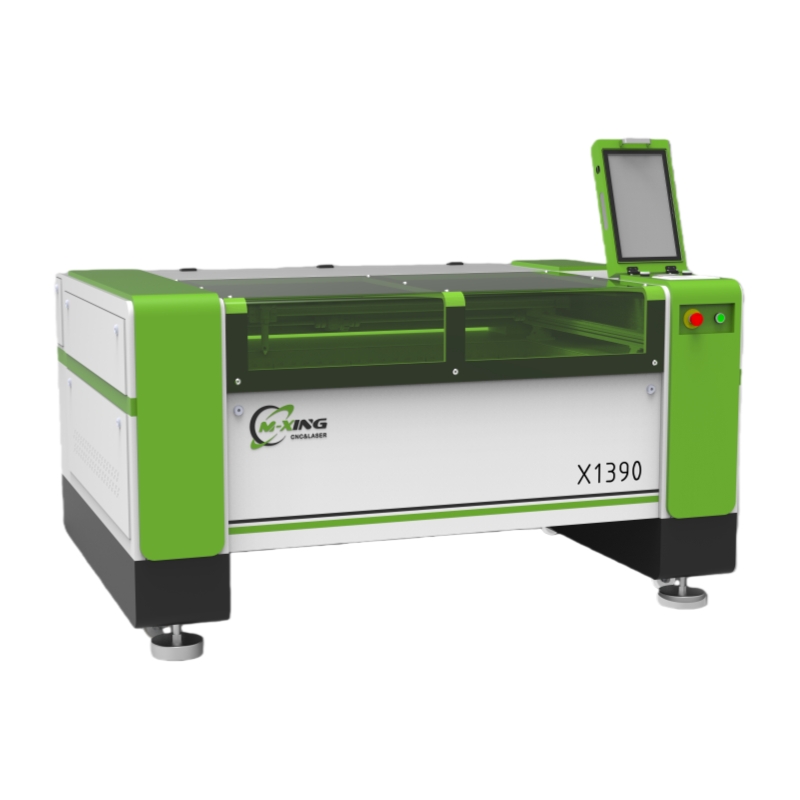
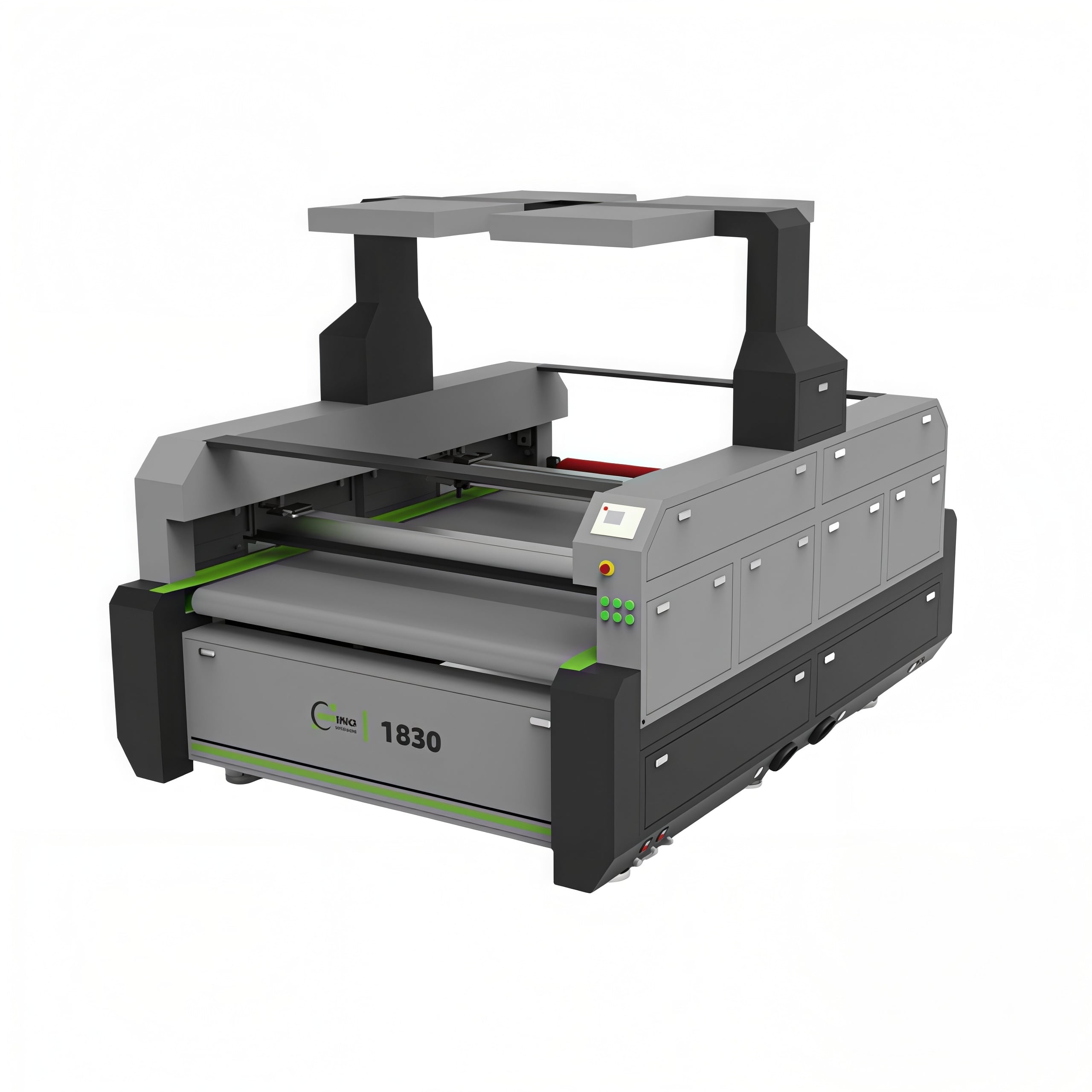
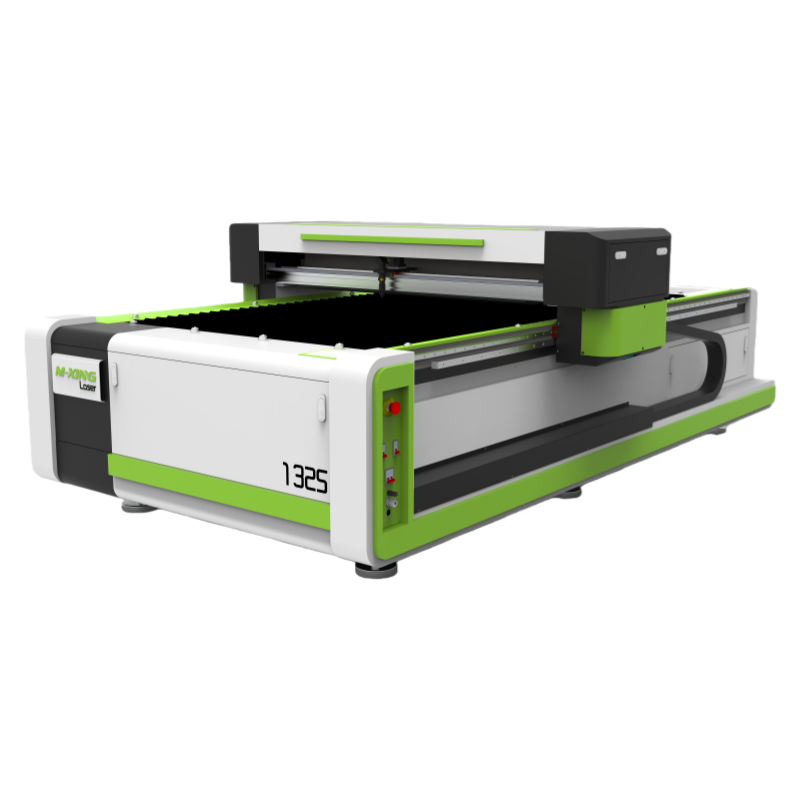
CO₂ lasers operate differently. They are widely used for non-metal cutting, engraving, and marking, especially where smooth edge quality and broad material compatibility are required.
In practical sourcing, this means the Comparison of Fiber Laser Machines and CO₂ Laser Cutting & Engraving Machines is not about picking a winner in the abstract. It is about matching the beam to the workload.
A common mistake is comparing only purchase price. The more useful approach is total cost of ownership across three to five years, including utilities, consumables, service downtime, and job suitability.
Fiber machines often cost more in certain configurations, especially when power level, automation, and enclosed safety structures increase. Yet they may return value quickly in metal-heavy production.
CO₂ equipment can be more economical for businesses centered on non-metal processing, signage, packaging samples, gift products, furniture components, and engraving services.
For buyers working with a CO₂ laser machine manufacturer, supplier, or factory wholesale partner, the real question is whether the machine specification supports the intended product mix without unnecessary overspending.
| Cost factor | Fiber laser | CO₂ laser |
|---|---|---|
| Typical strength | Metal cutting efficiency | Non-metal versatility and engraving |
| Energy profile | Usually lower per output unit | Usually higher than fiber |
| Routine upkeep | Often lighter | Depends on tube, optics, and cooling |
| Material range | Best on metals | Best on non-metals and engraving surfaces |
Speed matters, but only in context. Fiber lasers usually process thin metals faster. That advantage is meaningful when throughput depends on repetitive sheet cutting and fast part turnover.
CO₂ systems may be slower on comparable metal tasks, but that is not their main role. Their strength is broader handling of non-metal materials and high-quality engraving output.
Edge quality, heat effect, engraving contrast, and cut finish can influence rework rates. In many workshops, those details matter more than headline speed figures in a catalog.
This is where the Comparison of Fiber Laser Machines and CO₂ Laser Cutting & Engraving Machines becomes useful at application level, not just technology level.
The market often highlights fiber systems because of metal fabrication growth. Even so, CO₂ technology remains highly relevant where product variety depends on non-metal processing and custom surface work.
A CO₂ laser engraving machine can support signage, packaging mockups, craft production, model making, display fabrication, and branded product finishing. A CO₂ laser marking machine also fits jobs needing clear, controlled surface identification.
For factories offering OEM CO₂ laser machine options or OEM CNC CO₂ laser cutting machine builds, flexibility can be part of the purchasing value. Bed size, feeding method, cooling setup, software compatibility, and enclosure design often shape real usability.
There are also specialized categories, including fractional laser equipment in broader business portfolios. Still, for industrial cutting and engraving evaluation, workload fit should stay at the center of the decision.
Quotes can look similar while the delivered value differs sharply. Machine source, tube or laser source brand, motion components, cooling system, exhaust design, and software support all change actual performance.
When reviewing a Comparison of Fiber Laser Machines and CO₂ Laser Cutting & Engraving Machines, it helps to separate three layers: laser source capability, machine build quality, and supplier support reliability.
The cleanest decision method is to start with jobs, not machines. List the top materials, the common thickness range, the ratio of cutting to engraving, and the expected monthly output.
If metal sheet processing drives revenue, fiber often leads on productivity and operating efficiency. If the workload mixes acrylic, wood, leather, plastic, and detailed engraving, CO₂ usually remains the stronger fit.
Some operations eventually need both. In that case, the Comparison of Fiber Laser Machines and CO₂ Laser Cutting & Engraving Machines should support phased planning rather than a forced single-platform decision.
A grounded next step is to compare sample results, ownership cost, and supplier capability side by side. That produces a better decision than choosing by wattage, marketing language, or base price alone.
 Hot News
2026-02-05
2026-02-03
2025-12-01

Mingxing Laser is a leading China-based laser machine manufacturer offering CO2 laser cutters, fiber laser cutting machines, CNC routers, laser welders & marking machines. OEM/ODM custom solutions available. Get a quote today!
- Company Headquarters: Room 1303, Building 4, UnitedFortune Plaza, High-tech Zone, Jinan City, Shandong Province, China
- Manufacturing Plant: No. 18, Yinhe Road, Jibei Street, Jiyang District, Jinan City, Shandong Province, China
Copyright © 2026 Century Mingxing (jinan) Intelligent Technology Co., Ltd. All rights reserved. Privacy Policy

 EN
EN