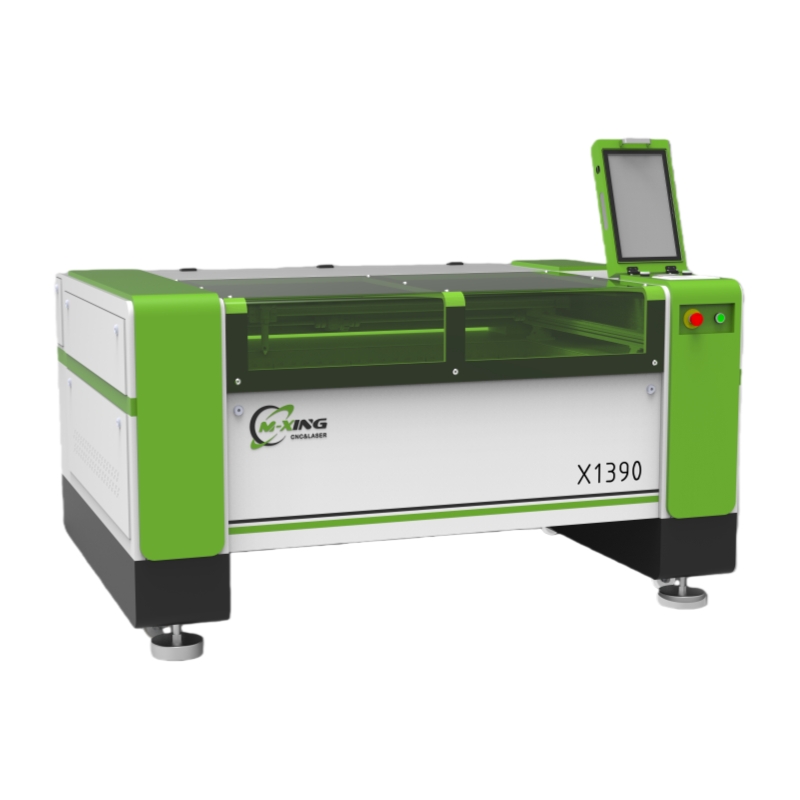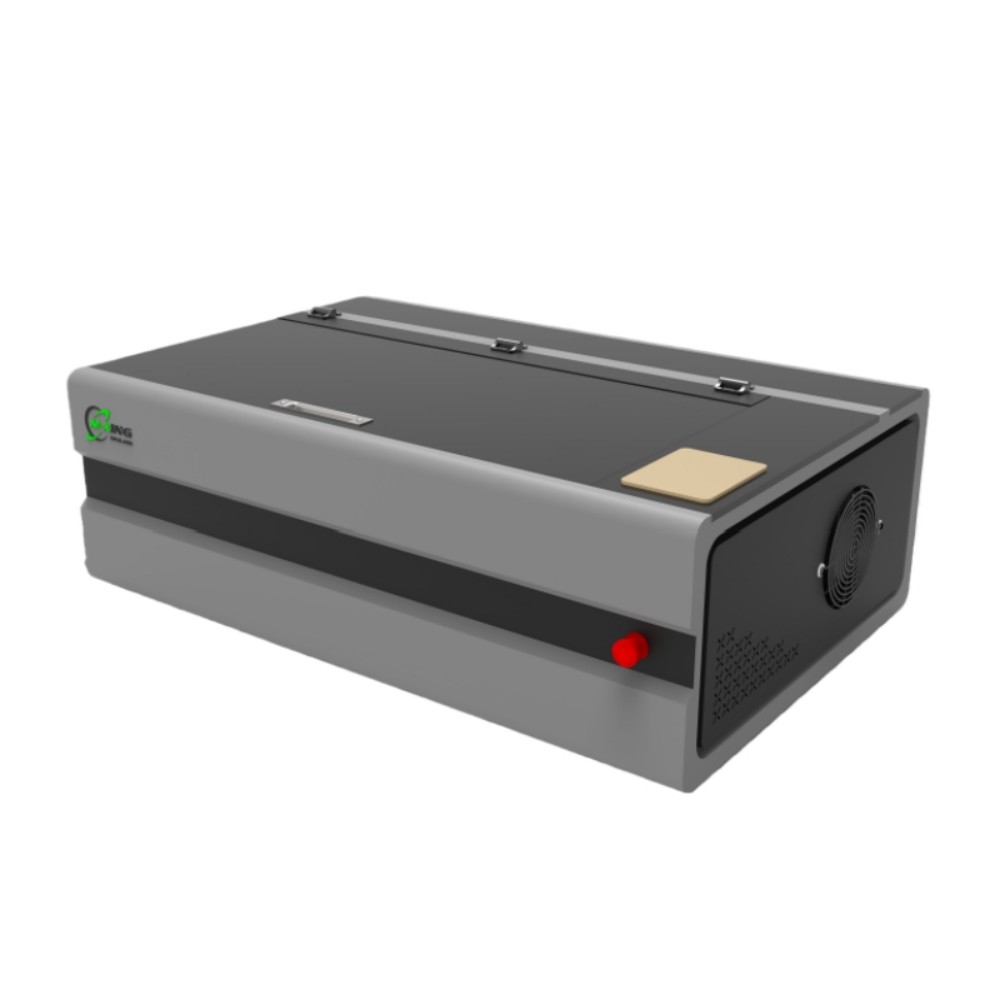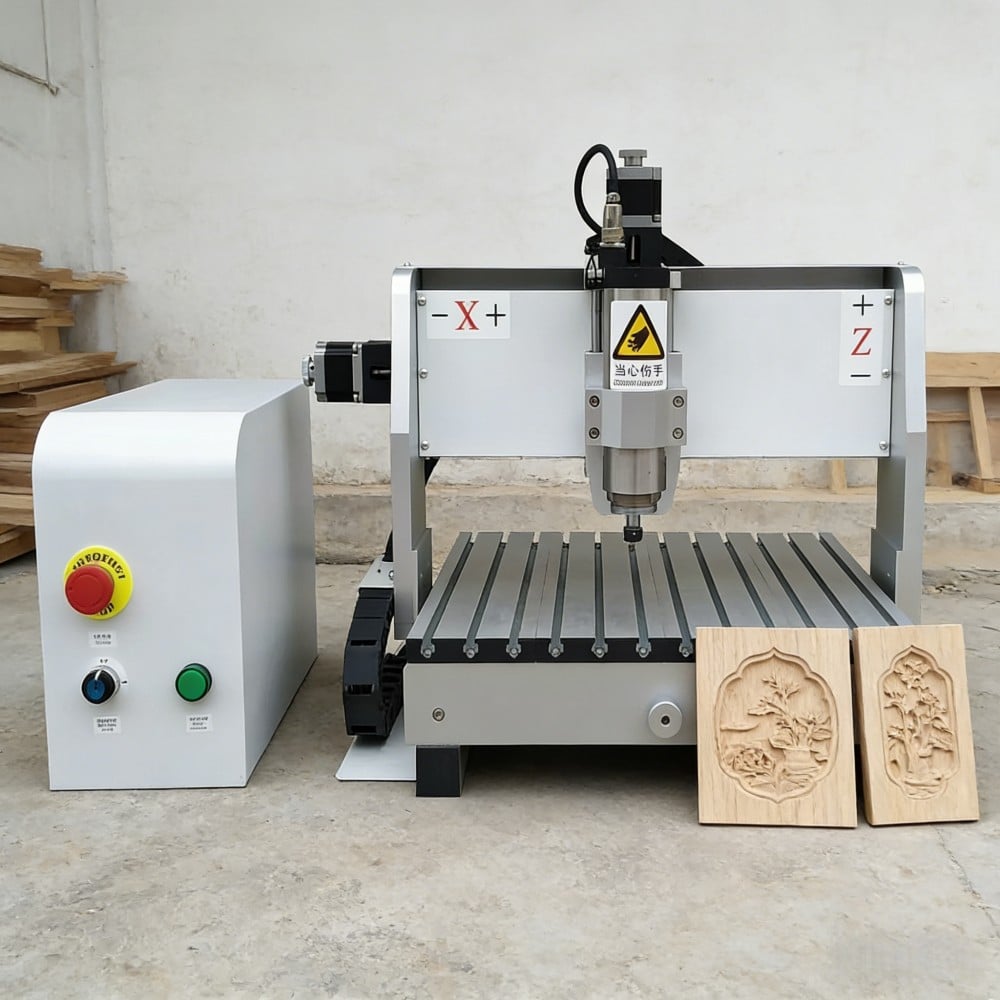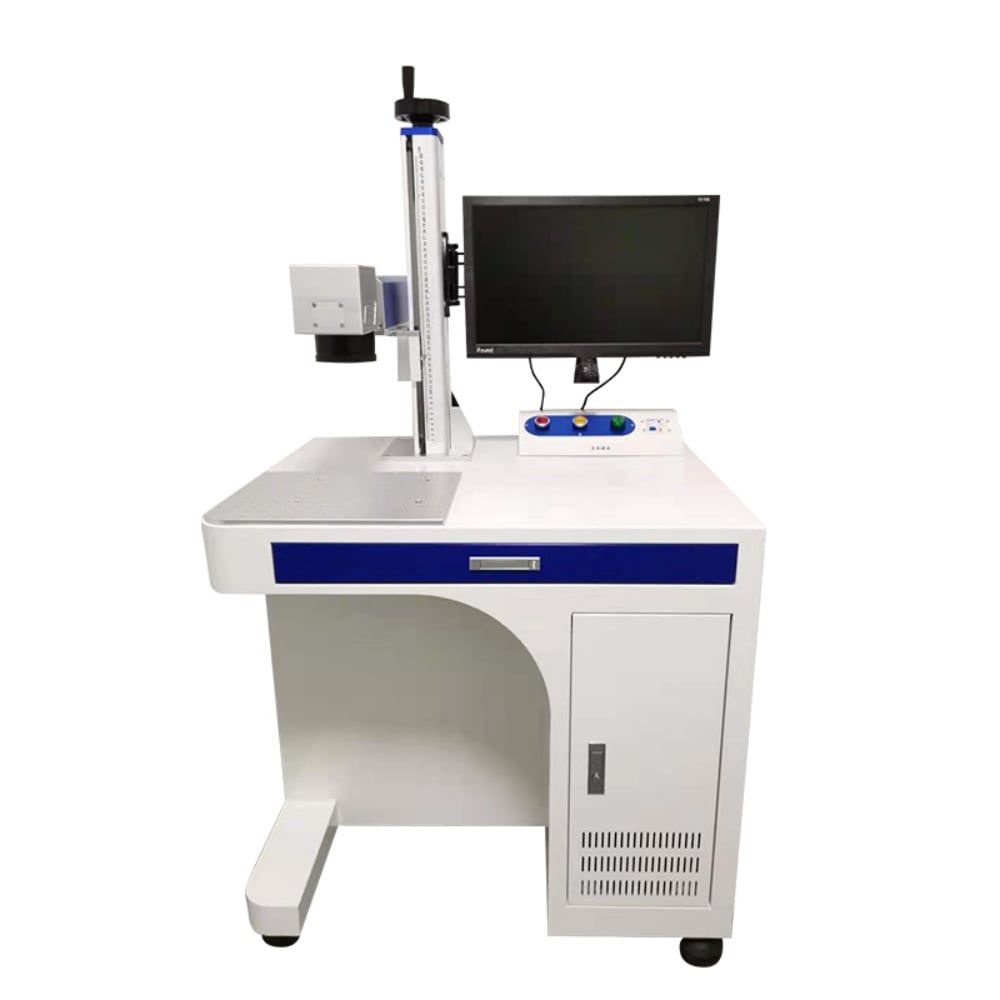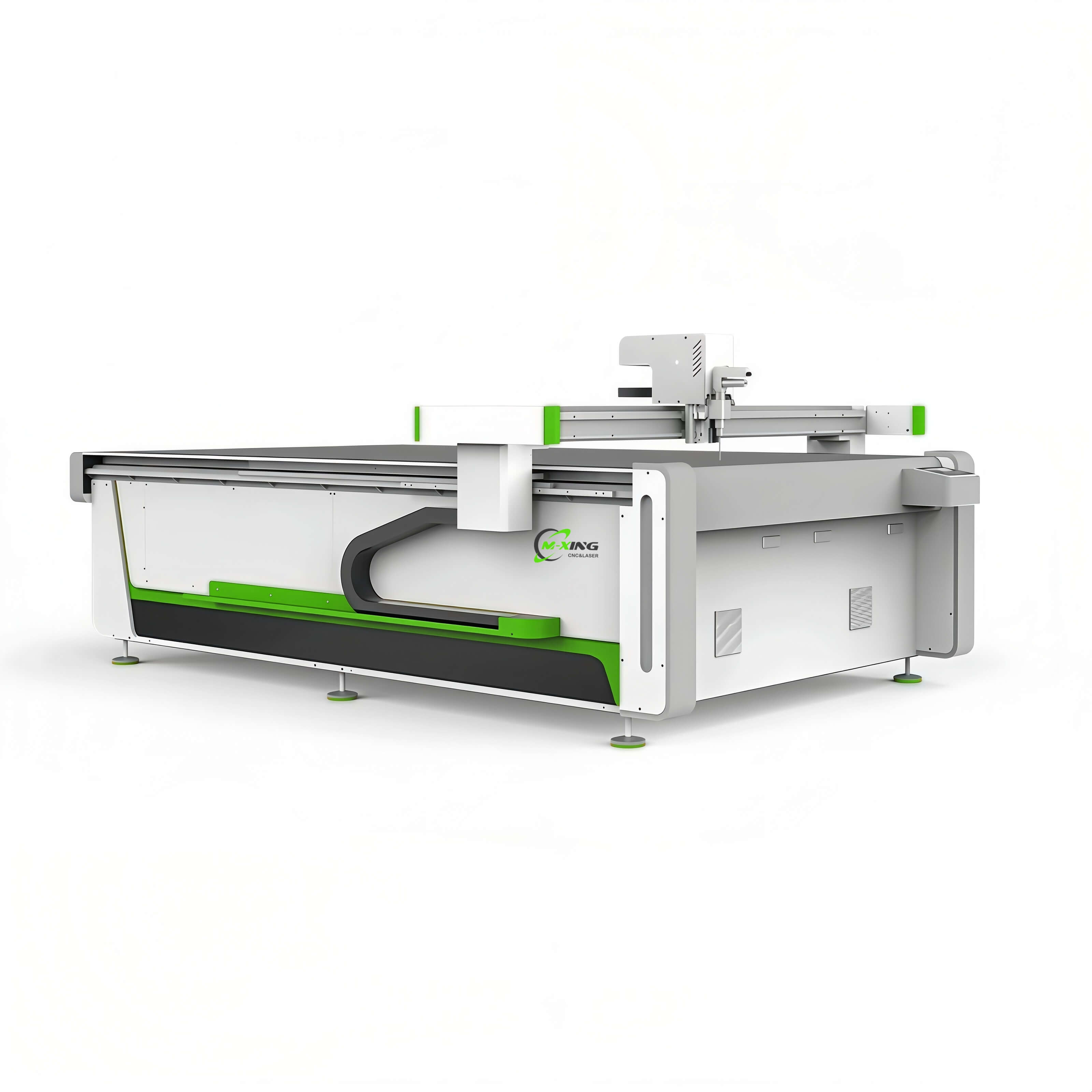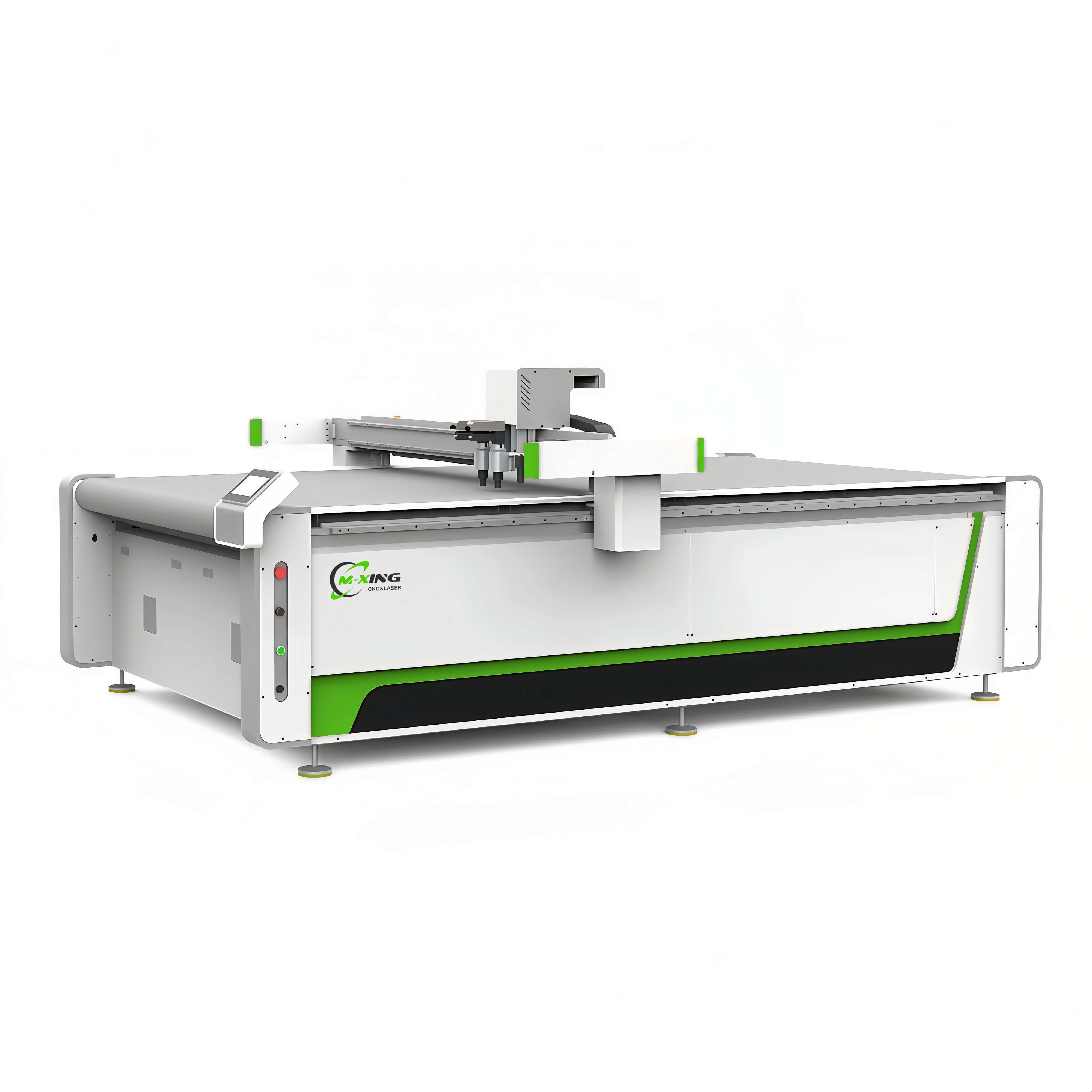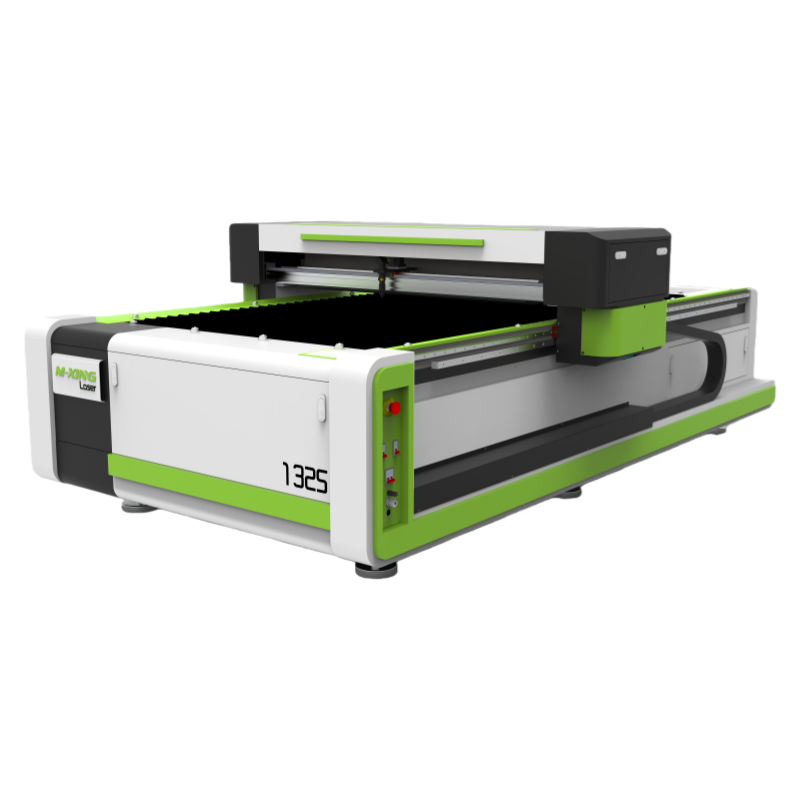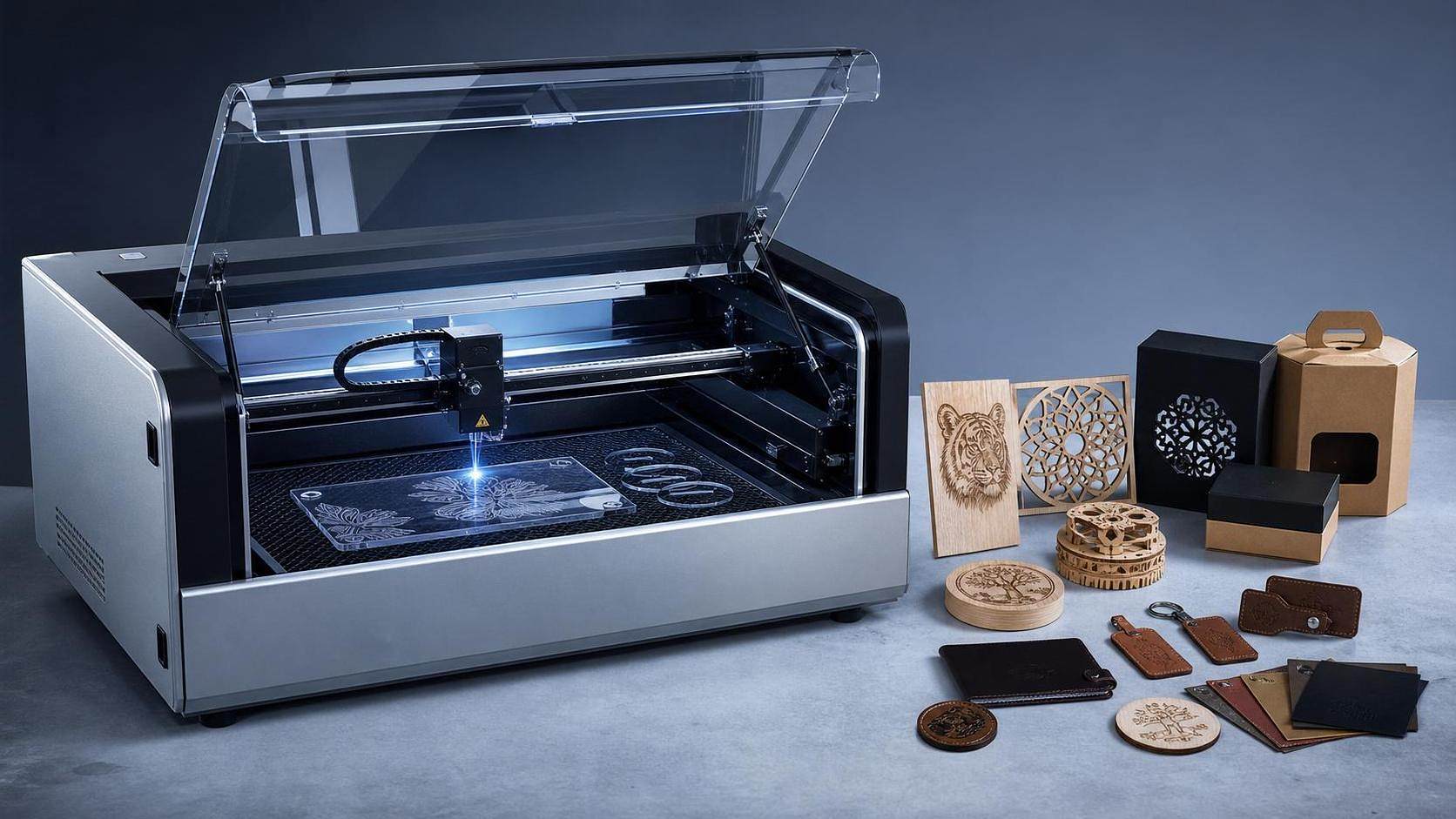
For enterprise decision-makers evaluating production efficiency and long-term ROI, a CO₂ laser marking and cutting integrated solution can be a smart investment.
By combining precise marking and accurate cutting in one system, manufacturers reduce equipment overlap, save floor space, simplify material flow, and improve output consistency.
That sounds straightforward, but the real value depends on product mix, batch size, material range, and workflow design.
In practical terms, the best fit appears when separate marking and cutting steps create avoidable cost, waiting time, or quality variation.
A CO₂ laser marking and cutting integrated solution is not simply about adding features.
It is about building a more efficient production method for non-metal materials, customized parts, branded components, and repeatable finishing tasks.
A traditional setup often uses one machine for engraving or marking and another for profile cutting.
That creates extra loading, unloading, alignment, and transfer steps between processes.
A CO₂ laser marking and cutting integrated solution performs both tasks within one coordinated platform.
The same system can mark logos, serial data, instructions, or decorative details, then cut the final shape with minimal repositioning.
This reduces operator touches and lowers the chance of registration errors.
More importantly, it creates a tighter process window for quality-sensitive products.
From a management view, that combination can make planning easier and capacity more predictable.
The strongest business case usually appears in operations with frequent design changes, mixed SKUs, or high expectations for visual consistency.
It also makes sense when labor cost is rising and floor space is becoming more expensive.
Many products require branding, coding, or decorative engraving before the final contour is cut.
Examples include acrylic displays, wood craft items, leather patches, packaging inserts, textile pieces, and promotional products.
In these cases, a CO₂ laser marking and cutting integrated solution removes unnecessary handling between two related steps.
Short runs benefit from fast job switching more than from highly segmented equipment layouts.
An integrated CO₂ laser machine simplifies setup, especially when operators process varied files throughout the day.
When the mark must align closely with the cut edge, separate machines can introduce small but costly deviations.
This becomes visible on premium consumer goods, branded signage, and custom gift products.
A CO₂ laser marking and cutting integrated solution helps increase capability without installing two standalone machines.
That matters in workshops where utilities, ventilation routes, and operator movement already feel tight.
Upfront price always matters, but the bigger decision often sits in operating economics.
A CO₂ laser marking and cutting integrated solution changes daily production behavior in several useful ways.
Fewer transfers mean fewer opportunities for manual error and less time spent moving semi-finished parts.
A single job file can manage marking sequence and cutting path in one repeatable flow.
That improves consistency across shifts and helps when training new operators.
Work in progress falls when products do not sit between separate workstations.
That also shortens lead time for urgent orders.
When one platform handles both steps, recipe management becomes easier to document and replicate.
A CO₂ laser marking and cutting integrated solution is especially effective for non-metal materials that need both surface treatment and shape processing.
In actual business use, the most common application groups include the following.
| Material | Typical Use | Why Integration Helps |
|---|---|---|
| Acrylic | Displays, signs, branded panels | Supports engraving and clean outline cutting in one setup |
| Wood and MDF | Craft items, décor, packaging components | Improves repeatability on custom and mixed designs |
| Leather and fabric | Patches, labels, fashion accessories | Reduces movement distortion between processes |
| Paperboard and thin composites | Packaging prototypes, inserts, sample runs | Speeds prototyping and short-run conversion |
For manufacturers supplying OEM or custom-branded products, this flexibility is often where the value becomes most visible.
Not every workflow needs integration.
The smarter approach is to test the production logic before comparing machine quotes.
These questions reveal whether a CO₂ laser marking and cutting integrated solution supports strategy, not just equipment replacement.
The concept is strong, but execution still matters.
A weak result usually comes from mismatched applications rather than from the integrated idea itself.
Buying more power or table size than the workload needs can delay ROI.
Match the machine to real materials, part size, and duty cycle.
Laser performance depends on ventilation, debris control, and smooth material loading.
A CO₂ laser marking and cutting integrated solution works best when the surrounding process is equally organized.
Software affects nesting, path order, mark placement, and repeatability.
If job setup feels cumbersome, productivity gains disappear quickly.
A machine supplier should do more than ship hardware.
Application advice, OEM flexibility, sample testing, and after-sales response all affect long-term results.
A realistic ROI review should go beyond simple machine price comparison.
The useful comparison is between current process cost and future process efficiency.
When those numbers are visible, a CO₂ laser marking and cutting integrated solution becomes easier to judge with confidence.
In many factories, the strongest return comes from process simplification rather than from pure speed alone.
A CO₂ laser marking and cutting integrated solution makes the most sense when two linked operations are still handled as separate tasks.
If production depends on flexible materials, frequent design changes, visual precision, and efficient use of space, integration can create clear operational gains.
The key is to evaluate the full workflow, not only the machine specification.
With the right supplier, proper application matching, and realistic ROI analysis, an integrated CO₂ laser machine can support both current production targets and future OEM growth.
If the next step is under review, start with sample materials, actual job files, and a side-by-side process comparison. That is usually where the decision becomes clear.
 Hot News
2026-02-05
2026-02-03
2025-12-01

Mingxing Laser is a leading China-based laser machine manufacturer offering CO2 laser cutters, fiber laser cutting machines, CNC routers, laser welders & marking machines. OEM/ODM custom solutions available. Get a quote today!
- Company Headquarters: Room 1303, Building 4, UnitedFortune Plaza, High-tech Zone, Jinan City, Shandong Province, China
- Manufacturing Plant: No. 18, Yinhe Road, Jibei Street, Jiyang District, Jinan City, Shandong Province, China
Copyright © 2026 Century Mingxing (jinan) Intelligent Technology Co., Ltd. All rights reserved. Privacy Policy

 EN
EN