
 EN
EN
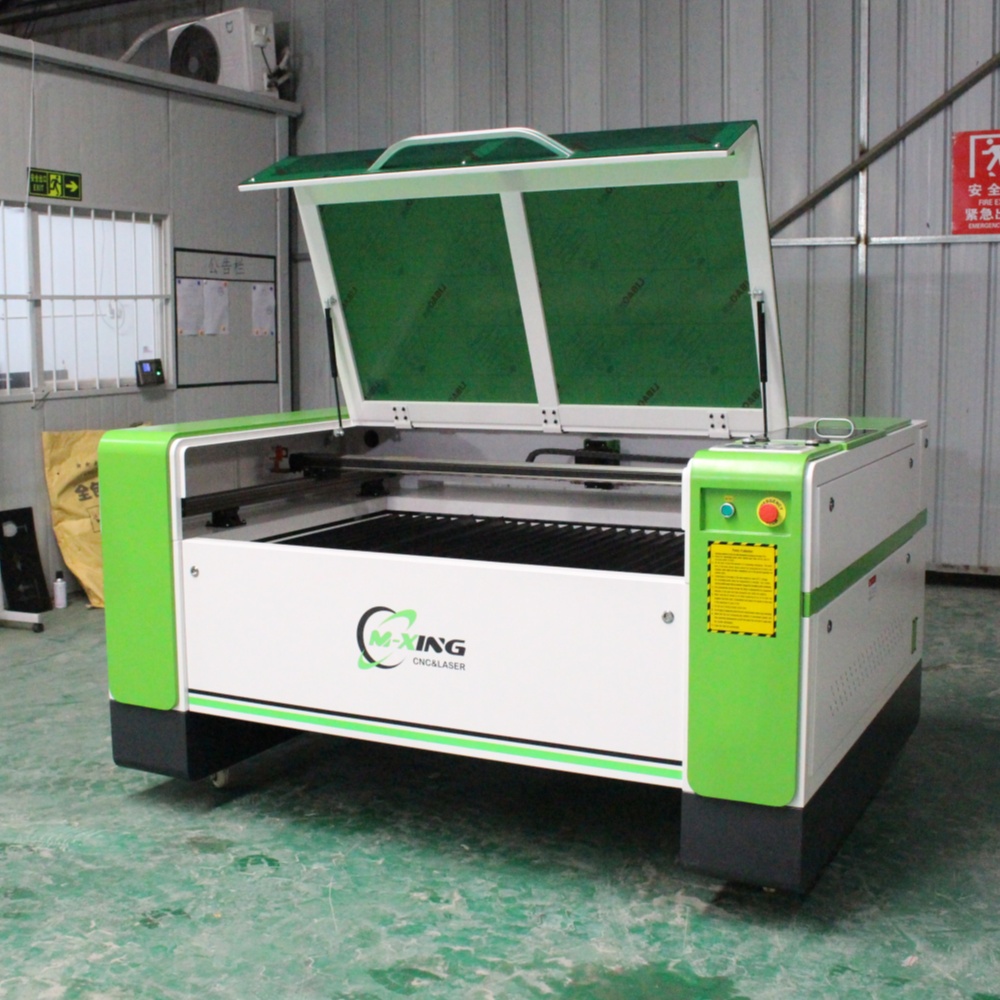
The market for laser engraving equipment has matured considerably, and with that maturity has come a wider spread between machines that genuinely deliver professional results and those that disappoint within months of purchase. If you're evaluating a laser engraving machine in 2026, the challenge isn't finding options — it's knowing which specifications and build characteristics actually translate into reliable, high-quality output in a real production environment. This guide examines the factors that separate capable machines from underperforming ones, so your investment decision is based on what matters rather than what looks impressive in a brochure.
Laser Source Quality: Where Performance Begins
Every other component of a laser engraving machine depends on the quality and consistency of the laser source. A weak, inconsistent, or poorly specified tube or diode produces uneven engraving depth, degraded fine detail, and unpredictable results across different materials — problems that no amount of software adjustment or mechanical tuning can fully compensate for.
For CO2 laser engraving machines, the laser tube is the heart of the system. Quality tubes from established manufacturers maintain consistent power output across their operational lifespan and handle the thermal cycling of production use without rapid degradation. A tube that starts at its rated wattage but drops to 70% output within a year of moderate use is not delivering the value its specifications suggest. When evaluating machines, ask specifically about the tube manufacturer, the rated operational lifespan in hours, and whether the machine's cooling system is sized appropriately to keep the tube within its optimal temperature range during continuous operation.
Power consistency is particularly important for photographic engraving on wood and leather, where subtle tonal gradations require the laser to modulate accurately across a wide power range. A machine with poor power modulation produces flat, washed-out photo engravings regardless of how good the artwork file is.
Motion System Precision and Its Effect on Output Quality
The motion system of a laser engraving machine — the mechanical assembly that moves the laser head across the working surface — has a direct and visible impact on engraving quality. Backlash in the drive components, flex in the beam structure, or inconsistency in the stepper or servo motor response all show up as artifacts in the finished work: misaligned raster lines, jagged curves, and inconsistent spacing in fine text.
A quality laser engraving machine uses precision linear guide rails rather than simple rod-and-bushing assemblies. Linear rails constrain movement to a single axis with minimal play, ensuring that the laser head follows its programmed path accurately at both low and high speeds. The beam or gantry structure carrying the X-axis assembly should be rigid enough to resist deflection under acceleration loads — high-strength aluminum alloy profiles are the standard construction material on well-built machines, offering the right combination of stiffness, low weight, and resistance to resonance at high traverse speeds.
Drive systems using quality timing belts with proper tensioning, or rack-and-pinion systems on larger formats, translate motor movement into head position without the accumulated error that worn or poorly tensioned drive components introduce. On machines where engraving quality is the primary product — personalized gifts, detailed signage artwork, photographic reproductions — the motion system is arguably more important than the laser source specification.
Controller and Software: The Intelligence Behind the Output
A laser engraving machine is only as capable as its ability to interpret complex design files and translate them into precise, coordinated motion and power commands. The controller and its associated software are where this translation happens, and the quality of both determines how efficiently the machine handles real production work.
Modern production-grade controllers support color-layered job processing, which allows a single design file to contain both engraving and cutting operations assigned to different laser parameters — power, speed, passes, and interval — processed automatically in sequence. This capability is essential for production workflows where engraved artwork and cut profiles need to be produced together on the same piece without manual job splitting.
Software compatibility matters as much as controller capability. A laser engraving machine that accepts files from CorelDRAW, Adobe Illustrator, AutoCAD, and Photoshop — in formats including AI, DXF, PLT, BMP, JPG, and PNG — integrates cleanly into existing design workflows without requiring file conversion steps that introduce errors or add time. Support for image dithering algorithms is important for photographic engraving, as the quality of the dithering pattern directly determines how faithfully a grayscale photograph is reproduced on wood or leather.
Quality Indicator Comparison by Machine Grade
| Quality Factor | Entry-Level | Mid-Range Production | Professional Grade |
|---|---|---|---|
| Laser Tube Source | Generic, unbranded | Named manufacturer, rated lifespan | Premium rated tube, high consistency |
| Motion System | Rod and bushing guides | Linear guide rails, aluminum gantry | Precision linear rails, rigid steel/alloy frame |
| Controller | Basic onboard, limited formats | DSP multi-language, offline capable | PC-based or DSP, full parameter control |
| Software Compatibility | Proprietary only | RDWorks / LightBurn compatible | Full CAD/CAM integration, multi-format |
| Cooling System | Basic water circulation | Rated water chiller, flow protection | Industrial chiller, auto temperature control |
| Working Area | Up to 600×400mm | 900×600mm to 1300×900mm | 1300×2500mm and above |
| Power Modulation | Limited range | Good across 10–100% range | Precise across full range, photo-grade |
| After-Sales Support | Minimal | Remote technical support | Dedicated technical team, parts supply |
Cooling System Adequacy: The Overlooked Quality Indicator
The cooling system of a CO2 laser engraving machine is one of the most reliable indicators of whether a manufacturer has built the machine for sustained production use or for demonstration performance. A laser tube operating outside its optimal temperature range — typically due to an undersized or poorly functioning cooling system — produces inconsistent power output, degrades faster, and risks premature failure during production runs.
A quality laser engraving machine pairs its tube with a properly rated water chiller that maintains stable coolant temperature regardless of ambient conditions and operating duration. Flow protection sensors that cut laser power if coolant circulation is interrupted protect the tube from thermal damage during any cooling system fault. Machines that rely on basic reservoir-and-pump cooling without temperature regulation are adequate for light or intermittent use but are not suited to continuous production environments where the tube runs for extended periods without interruption.
Working Area and Format Suitability
The working area of a laser engraving machine determines the maximum size of the piece it can process in a single setup and, by extension, the range of products and order types the machine can handle. Matching working area to your actual production requirements avoids two common mistakes: buying a machine that limits you on larger jobs, and overspending on a large-format machine when your work is primarily small-item personalization.
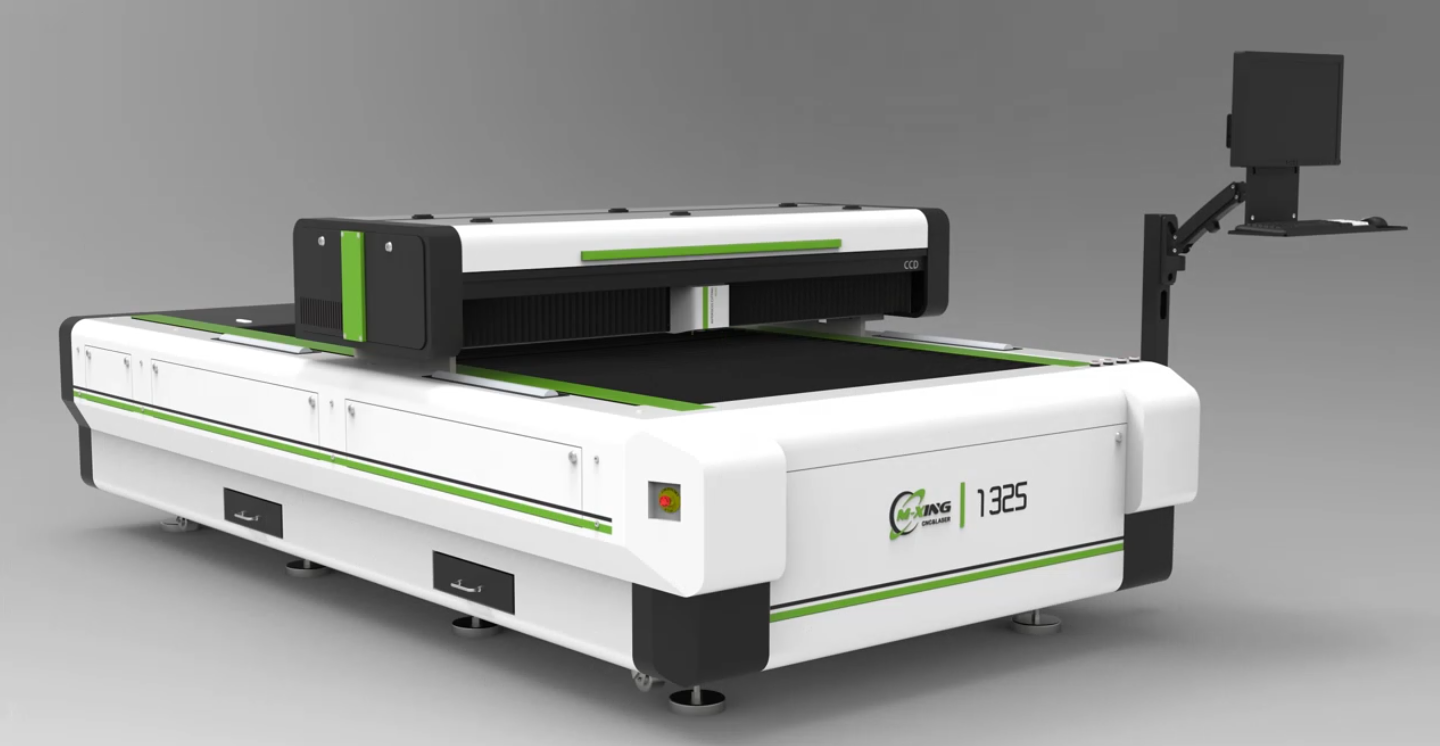
For businesses producing personalized gifts, trophies, and small decorative items, a working area in the 600 × 900mm range covers the vast majority of job sizes comfortably. For advertising, signage, and furniture decoration businesses that regularly process full sheets of acrylic or MDF, the 1,300 × 2,500mm format eliminates the need to cut material down before loading, which saves significant handling time across a production day.
FAQ
What is the most important specification to check on a laser engraving machine? There is no single answer, as it depends on your primary application. For photographic engraving quality, power modulation consistency and motion system precision are the dominant factors. For production throughput, laser power and working area matter most. For longevity and total cost of ownership, laser tube quality and cooling system adequacy are the most reliable predictors of sustained performance.
How do I know if a laser engraving machine's power rating is accurate? Unfortunately, power ratings are not always independently verified in the laser equipment market. The most reliable approach is to ask for the specific laser tube manufacturer and model, research that tube's published specifications independently, and request cutting or engraving samples on your specific materials before committing to a purchase. Machines that cannot produce samples on request are worth approaching with caution.
Can one laser engraving machine handle both engraving and cutting? Yes — CO2 laser engraving machines are fully capable of both operations. The difference between engraving and cutting is purely a matter of power and speed settings rather than hardware configuration. The same machine that engraves detailed artwork on a leather wallet can cut acrylic panels for a display unit, processing both operations from a single job file with color-layered parameter assignments.
How often should the optics on a laser engraving machine be cleaned? This depends on production intensity and the materials being processed. Engraving materials that produce significant smoke or resin — such as MDF, plywood, and some plastics — deposit contamination on the focusing lens and mirrors more rapidly than cleaner materials like acrylic or glass. In a production environment, inspecting and cleaning the focusing lens daily and checking the mirror surfaces weekly is a reasonable baseline. Contaminated optics reduce beam quality, increase the power required to achieve the same result, and accelerate lens coating degradation.
What is a realistic operational lifespan for a quality CO2 laser engraving machine? The frame, motion system, and electronics of a well-built machine can last ten years or more with proper maintenance. The laser tube is the primary consumable, with quality tubes rated for 8,000 to 20,000 hours of operational life. With a replacement tube and periodic maintenance of the motion system and optics, a quality laser engraving machine remains a productive asset well beyond its initial tube lifespan — making build quality a more important long-term investment consideration than initial purchase price alone.
Quality in a laser engraving machine in 2026 is not defined by any single specification but by how well every major system — laser source, motion, controller, cooling, and software — has been engineered to work together under real production conditions. Machines that invest in all of these areas consistently outperform those optimized for specification sheet impressiveness at the expense of the components that matter most when the machine is running twelve hours a day.
