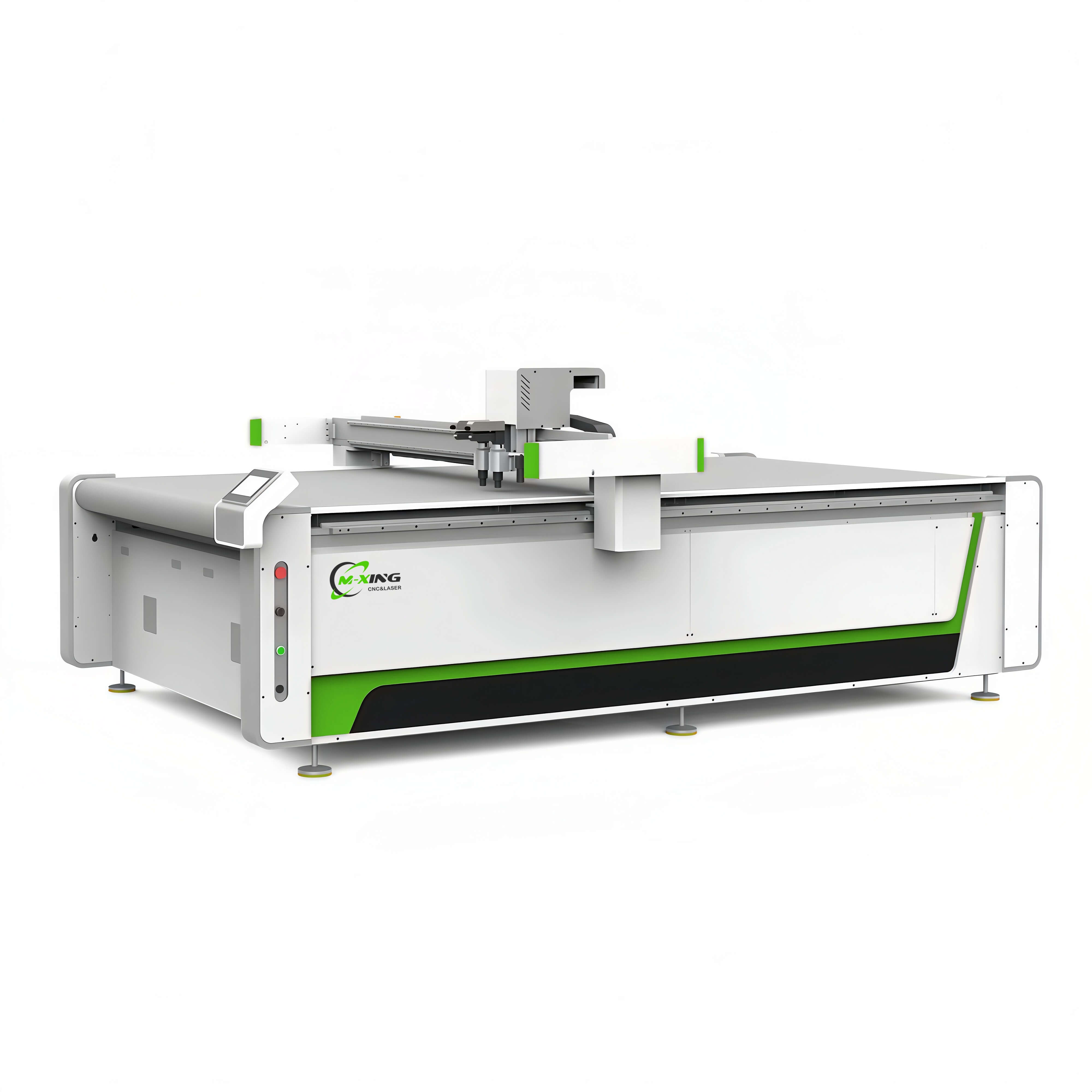
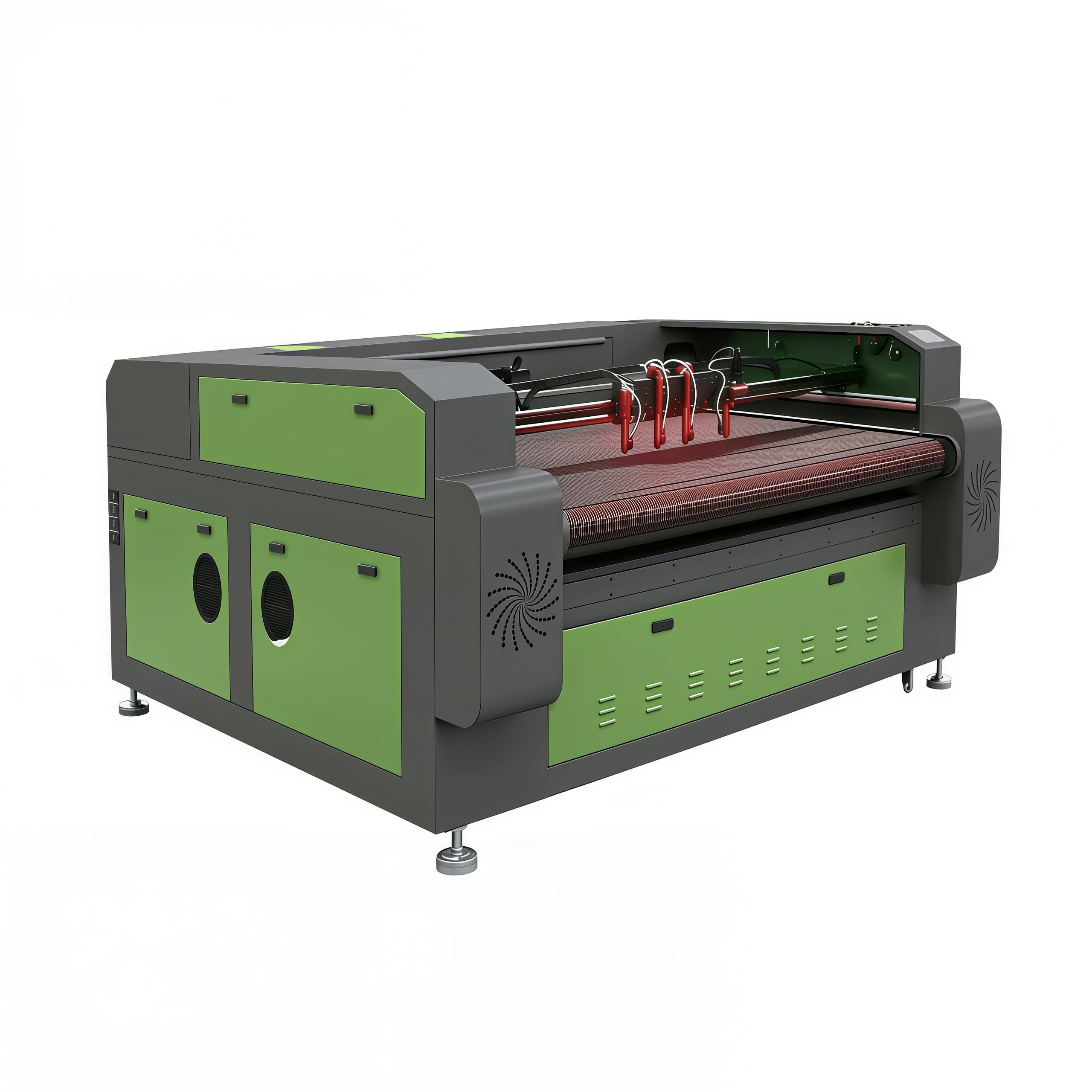
Interroga operatorum ubi incendium laser incipiat, et plerique ad fasciculum digitum porrigent. In praxi, fasciculus raro tota historia est. Incendia quae machinas et aedificia laedunt, saepe ab eo incipiunt quod iam calidum erat, iam fumabat, aut iam in loco inadvisato positum erat.
Quattuor conditiones concurrere debent:
Combustibile. Fragmenta in lecto, pulvis sub favo, carbo in orlo ultimi operis, residuum in effusore, lanugo in ductu.
Calorem. Fasciculus, sed etiam calor in novissimo taglio, in acervo carbonis, vel in filtro quod fumum tota vicis absorpsit.
Oxygeno. Cubiculum. Et, praecipue, systema auxilii aeris et extractionis, quod magnos aeris volumina per eundem locum movet ubi combustibile et calor sunt.
Motus aeris. Eodem aere qui fumum purgat, prunam fulgentem in ductum aut in cistulam filtrorum feret et ibi relinquet.
That fourth one is the part people miss. Air assist is a firefighting tool when it cools a cut and clears debris, and a fire-propagation tool when it lifts an ember off the bed and deposits it somewhere nobody is watching.
The practical consequence is uncomfortable: the highest-risk moment is not while the machine is cutting. It is the twenty minutes after the job looks finished.
Almost every workshop fire can be traced to one of these.
1. Edge smouldering. Cardboard, MDF, paper and some foams keep charring after the head has moved on. The job looks complete. The edge is still reacting.
2. Bed debris. Offcuts, dust and dried residue under the honeycomb catch stray reflections, drips or hot char. Nobody sees it because it is below the workpiece.
3. Duct and filter fires. Embers carried by air assist or extraction land in a duct, in a filter pleat or in a collection bin, and smoulder in a place with plenty of air and no observer.
4. Nozzle and lens residue. Plastic fume and wood tar condense on the nozzle and the lens. A contaminated lens absorbs heat, and a burning flake of residue drops onto the workpiece.
5. Melt drip. Plastics melt before they burn, and the drip carries flame downward, through the bed, onto the floor or into the waste tray.
6. Materials that should not be there. Open-cell polyurethane foam, oiled or waxed leather, solvent-wiped parts, adhesive-backed sheet, aerosols and solvent containers stored within the machine zone.
There is a seventh worth naming separately because it is not a material at all: superficies Reflexivas . Mirror-backed acrylic, polished metal, and foil-faced board can send the beam somewhere the design never intended.
Fire risk is not proportional to how easily a material ignites. It is proportional to how long it stays hot after the beam leaves.
Most of the protection in a well-run shop is procedural, and it costs nothing.
No unattended cutting. Ever. This single rule prevents more damage than any device on the market, because it converts a fire that has been burning for twenty minutes into one that has been burning for twenty seconds.
No overnight queue. A machine that finishes at 2 a.m. and sits until 8 a.m. with a fresh edge in it is the classic loss. If a job must run long, someone stays.
A defined fire watch after each job. Not "have a look" — a set interval during which the bed is checked before the operator moves to something else. For board and foam work this is the habit that catches smouldering.
Waste handling that matches the risk. A metal bin with a lid, emptied at the end of each shift, not at the end of the week. Cardboard offcuts in a cardboard box next to the machine is a fuel package with a lid that does not close.
A clear bed between jobs. Not at the end of the day. Residue from the previous job is the fuel for the next one.
Nothing flammable in the machine zone. Solvents, adhesives, aerosols, spare foam, packaging film. Compressed air should not be used to blow dust around the room, because it puts the fuel into the air.
Duct and filter discipline. Inspect on a schedule, not when smoke appears. A duct with a visible coating inside is a fire path along its whole length.
Devices are worth buying when they shorten the gap between ignition and response. That usually means four things.
Detection close to the risk. Un detector de fumus in camera responde cum camera iam impletur. Detectio in clausura machinae, et optime in ductu extractionis, responde cum ignis adhuc parvus est.
Un clausor isolationis in ductu. Hoc est instrumentum quod impedit ut ignis in ductu evadat ignis aedificii: claudit viam, privavit ignem fluxu aeris qui eum aluit, et tenet ignem extra bancum filtrorum et reliquam aedificii.
Suppressio aptata ad materiam comburendam. CO2 est optio practica pro apparatibus electricis et pro ignibus intra machinam, quia nihil residuum relinquit. Pallium igniferum tractat parvos ignes superficiales in lecto. Nebula aquae refrigurat et efficax est in papyro et tabulis, sed debet applicari ab eo qui scit quid sit excitatum. Pulvis siccus operatur, sed perdit electronica et optica.
Extinctorem notum, ad quem pervenire licet, et inspectum. In vero incidente, il guaio piú comune non é l’uso di un estintore sbagliato, ma un estintore nascosto dietro una pila di materiale o scaricato tre anni fa.
Da controllare anche: se la macchina dispone dell’opzione di interblocco rilevamento incendio, se l’involucro é in metallo anziché in plastica, e se l’arresto di emergenza e il sezionatore principale sono raggiungibili senza dover scavalcare materiale.
Il primo minuto decide se questo sará un incidente oppure una perdita.
Post quemlibet ignem machina non solum tergi necessitat: optica, conductores, cingula et systema extractionis ante proximum opus inspicienda sunt.
Fire safety is partly a purchasing decision, and it is worth asking about explicitly rather than assuming.
The questions that change outcomes: does the machine offer fire detection with an interlock that stops the job? Is the enclosure metal, and is the viewing window rated for it? Is the bed accessible for cleaning without dismantling anything? What is the extraction port size, and does the recommended duct design include a damper? Is the emergency stop reachable from the operating position?
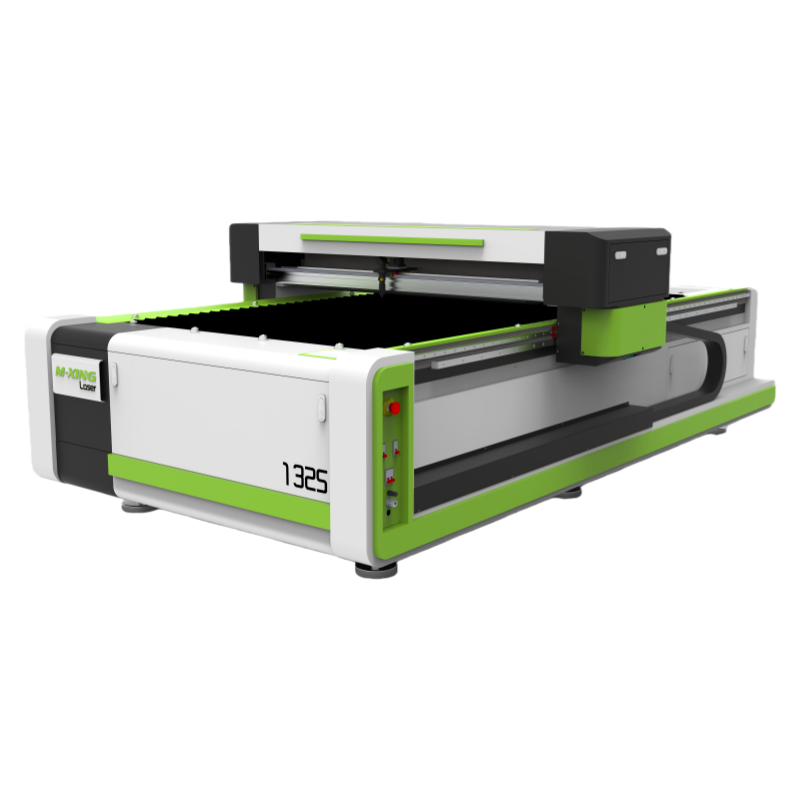
Format matters too. On a 1300 x 2500 mm bed, there is simply more area to keep clean and more material in the machine at any moment, so housekeeping discipline matters more than on a 6090 — not because the machine is less safe, but because the fuel load is larger. On large-format work, zoning the cut sequence and clearing the bed between sheets is the practical equivalent of a smaller machine's easier housekeeping.
Incendia laser raro sunt spectacula in initio. Illa incipiunt ut limbus lucens, ut area calida pulveris, aut ut prunus quae longius processit quam quisquam expectaverat, et graviora fiunt tempore quo nemo aspexit.
Protectio quae operatur est non spectaculosa: numquam reliquere machinam, observare limbum post opus, tenere lectum et canalem mundos, tenere materiam combustibilem a machina remota, et scire exacte quid facies in primo minuto. Officina quae has habet consuetudines et unum examinatum extinctorem est securior quam officina quae systema suppressionis habet et quaestum nocturnum.
 Nuntii Calidi
2026-02-05
2026-02-03
2025-12-01

Mingxing Laser est praecipuus fabricator machinarum laser e Sinis, qui offert incisores laser CO₂, machinas laser ad secandum fibrosas, machinas CNC, machinas laser ad soldandum et ad notandum. Solutiones ad usum specialem (OEM/ODM) paratae sunt. Petite hodie consilium!
- Company Headquarters: Room 1303, Building 4, UnitedFortune Plaza, High-tech Zone, Jinan City, Shandong Province, China
- Manufacturing Plant: No. 18, Yinhe Road, Jibei Street, Jiyang District, Jinan City, Shandong Province, China
Copyright © 2026 Century Mingxing (jinan) Intelligent Technology Co., Ltd. All rights reserved. POLITICA PRIVATATIS

 EN