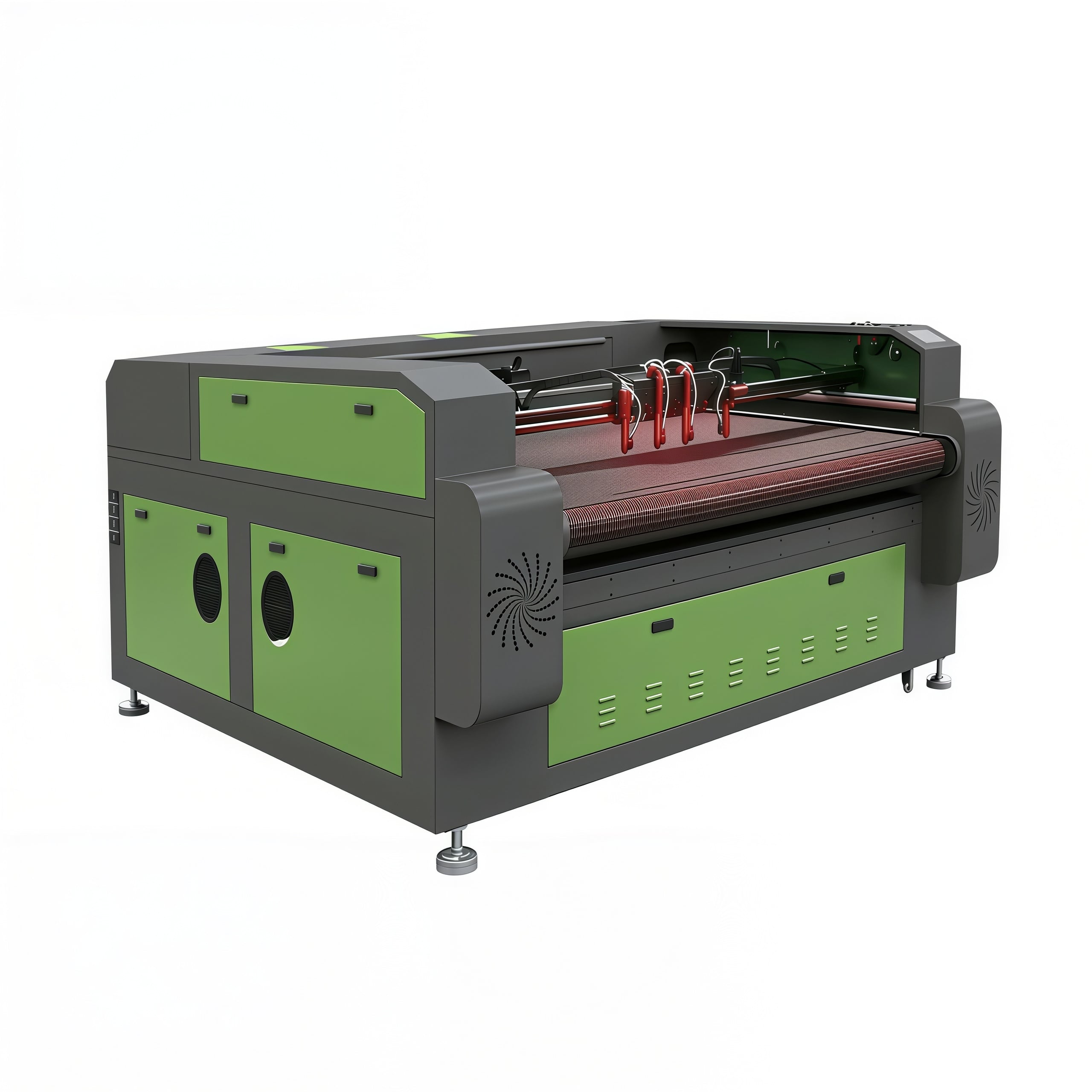
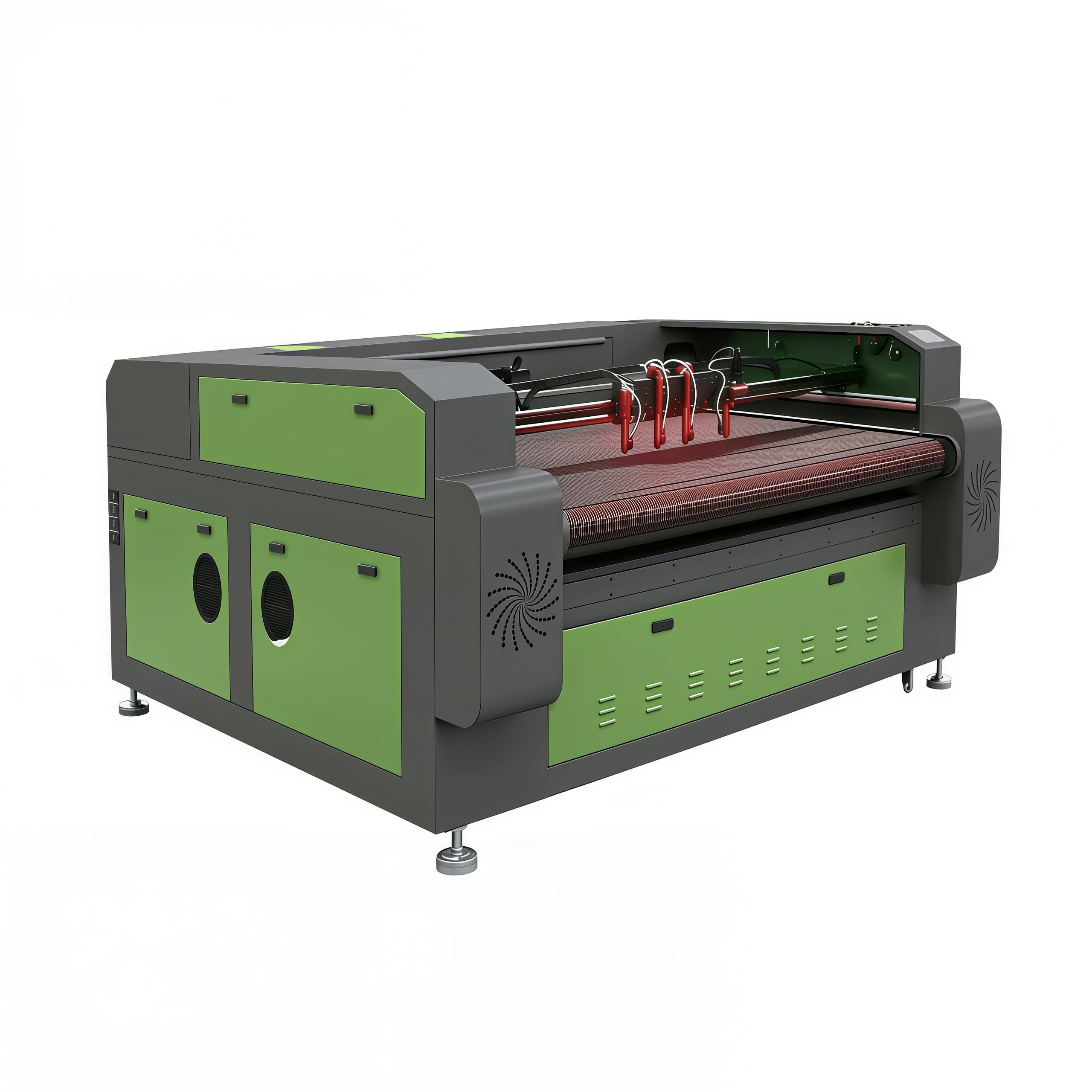
Fabricae mobilium quae laserem emunt, sperantes eum locum segatoris tabularum occupaturum, saepe intra mensem deficiunt. In sectionibus rectilineis tabularum melaminatarum, segator fasciculi celerior est, marginem mundiorem praebet, et sectionem quadratam producit, quae praedictabiliter marginem adnectit. Rotor nidificans eandem habet praerogativam in partibus formatis, postquam volumen tempus instrumentorum iustificat.
Itaque quaestio sincera non est "num laser mobilium tabulas secare possit" — quod plane potest — sed quas partes producti mobilis laser secare debeat .
Responsum angustius est quam plerique sermones venditionis suggerunt, et lucrativius quam plerique fabricae exspectant:
A factory that reads this table correctly stops trying to win straight cuts with a laser and starts quoting work it previously refused: shaped components in small batches, engraved feature panels, curved elements, and quick prototypes for customers who cannot wait for tooling.
A curved furniture component is a tooling problem for every other process. A shaped chair back, an organic shelf profile, a curved apron: on a router it needs a template or a nested program; on a saw it needs a jig; on a die it needs a die.
On a laser it needs a vector. That single fact changes the economics of shaped work, and it changes the sales conversation — a factory can offer five variations of a shaped component without five tooling orders, and can revise a curve the same afternoon the designer changes it.
Three practical notes on shaped work:
Nesting discipline decides the yield. Curved parts waste more sheet than rectangular ones, and the waste is where the margin goes. Nesting shaped parts across the full sheet, including into the offcuts of previous jobs, is the difference between a profitable shaped component and a decorative loss.
Curve quality is a drawing issue before it is a machine issue. Small radii, tight internal corners and long shallow arcs all behave differently — a corner that is drawn as a sharp internal angle becomes a slightly rounded one after kerf, and a design that relies on a crisp point will show it. Draw the radius the process can produce.
Grain and face direction still apply. A curved part with the grain running the wrong way will be weak where it is loaded and will finish unevenly. The laser reproduces the file; the file has to carry the material knowledge.
Hoc est unicum res maxime importantis quam fabbrica mobilium scire debet antequam laser in productionem mittitur, et fere numquam in citatione machinae commemoratur.
Ordo ab incendio factus in MDF vel tabula particulae est ustus . Habet tenuem stratum materiae carbonizatae in superficie secta. Hic stratus tres distinctos problemas posteros creat.
Adhaesivum non adhaeret ad carbonem ustum. Glutinum pro ordo marginis adhaeret ad fibras ligni, non ad carbonem. Ordo marginis ab incendio factus est manifeste infirmior quam ordo marginis ab secatore facto, et defectus postea apparet — in loco clientis, ut ordo elevatus.
Linea nigra per tenue ordo marginis apparet. Cum tenue ordo marginis ex ABS vel melaminio utitur, linea usti retro eum ut linea nigra in omni orde videtur. In tabula clara hoc statim visibile est, et est defectus quem clientes photographant.
Ordo ante applicationem ordo marginis praeparandus est. In praxi hoc significat limare aut radere marginem sectum ad fibras puras antequam limator marginum operetur — operatio addita, quae conturbare potest contornum tabulae si manu fiat.
Conclusio strategica non est quod lasers ad mobilia inutilia sunt. Sed quod laser debet partes possidere quarum margines visibiles, incisi, aut formati sunt — et sega radius vel router debet partes possidere quae cinguntur. Fabrica quae opus secundum hanc lineam distribuit habet cingulationem nitidam et componentes formosos; quae vero non sic facit, suos reditus in opus repetendum consumit.
Curvatio per kerf est praxis secandi seriem scissurarum prope sibi invicem sitarum partim per tabulam, ut haec in curvam flectatur. Scissurae rigiditatem in una facie tollunt, alteram integram relinquunt, et effectus est tabula curva e materia plana sine prelo, sine vapore, sine forma.
Haec est una ex paucis technicis mobilium ubi laser non modo aemulus est sed instrumentum naturale, quia paternitas scissurarum, profunditas, et interstitium exacte sunt variabiles quas laser precise regit.
Quattro fattori determinano se un pezzo piegato con scanalature è vendibile.
La pelle deve resistere. La piegatura con scanalature funziona lasciando intatta la pelle esterna. Se si taglia troppo in profondità, tale pelle cede nella zona di curvatura, solitamente come una fessura visibile sulla faccia rivolta verso il cliente.
L’interno della curvatura necessita di supporto. A kerf-bent panel is strong along the bend and weak in the other direction; furniture that loads the curve needs ribs, a frame, or a laminated backing.
Finishing is the hard part. Slots on the inside of the curve are visible unless capped. Most production kerf-bent furniture either laminates over the slots, fills them, or designs them as a visible feature.
It is a prototyping and short-run technique that can become a product. The same property that makes it useful for a one-off also makes it a genuine product family — curved shelving, seating shells, acoustic forms — which is worth knowing when quoting.
Furniture engraving is not decoration added at the end; it is a way to make a standard product into a differentiated one without new tooling.
Feature panels. Un patern incizat pe usa unui garderob, pe o spaliera sau pe o masa transforma un panou obisnuit intr-un element de design. Limitarea este expunerea materialului: incizarea in melamina taie prin stratul decorativ si dezvaluie nucleul, motiv pentru care incizarea se face de obicei pe finisaj din lemn masiv, lemn solid, MDF vopsit sau pana la un insert de contrast.
Recesuri pentru insertii. Taierea unei cavitati pentru a accepta un material de contrast — un alt tip de lemn, o banda metalica, o umplutura din rasina — este unde adancimea constanta a laserului ofera avantaj. Un reces cu adancime variabila produce o insertie care iese in evidenta intr-un loc si se scufunda in altul, iar aceasta nu poate fi corectata dupa lipire.
Detalii pe margini. Mici detalii incizate sau taiate pe margini, picioare si manere adauga valoare percepita aproape fara cost suplimentar de material, iar acest tip de lucrare este imposibil de cotat competitiv daca trebuie executat manual.
The commercial point is that engraved and inlaid furniture sells at a premium that is not proportional to the machine time. That is the opposite of the straight-cut panel business, where the price is set by the board.
Knock-down furniture runs on holes: dowels, cam fittings, shelf pins, hinge cups. It is tempting to assume the laser can cut a hole as easily as it cuts an outline. It cannot do it well, and the reason is geometric rather than a matter of settings.
A laser hole is tapered and charred. The beam converges, so a cut hole is slightly wider at the top than at the bottom, and the wall is carbonised. A dowel needs a parallel, clean bore to hold; a cam fitting needs a precise depth and a flat floor.
Deep holes are worse than shallow ones. As depth increases, the beam defocuses inside the hole and the cut quality falls away. Blind holes — which is what furniture fittings need — are the hardest case of all.
The tolerance that matters is stack-up. A cabinet is assembled from panels whose holes must align across a joint. A few tenths of error in each panel accumulates, and the furniture does not go together. A boring machine is built for exactly this problem.
The practical division of labour is clean: the laser cuts outlines, shapes, engraving and inlay pockets; a boring machine or CNC drill makes the fitting holes. A factory that tries to consolidate both onto the laser will lose more time to rework than it saves on handling.
There is one exception worth noting: through-holes for decorative or ventilation purposes , where a slightly tapered, charred hole is acceptable or even desirable. Those are not fittings, and they cut perfectly well.
Ultima linea est versionem specialem mobiliorum disciplinae generalis: ordo repetitus debet ex nido congelato et ex archivo congelato procedere. Fabbrica quae singulos fasciculos pro reditu renestat tandem duos fasciculos producet qui non coaptantur.
Plures fabricae mobiliorum quae laserem addunt nihil substituunt; sed lacunam implent quae antea subcontrahenda erat aut recusabatur.
Ultima linea subaestimata est. Fabricae quae archiva servare solent pro omnibus rebus quas fecerunt, postulata pro partibus substitutivis implere possunt modis quibus aemuli non possunt — et in mobiliis contractus, hoc servitium saepe est quod proximum opus vincit.
Opus mobiliarum est opus tabularum cum magna parte partium formarum et insculptarum, itaque prioritates ab utroque signorum et fabricationis generalis differunt.
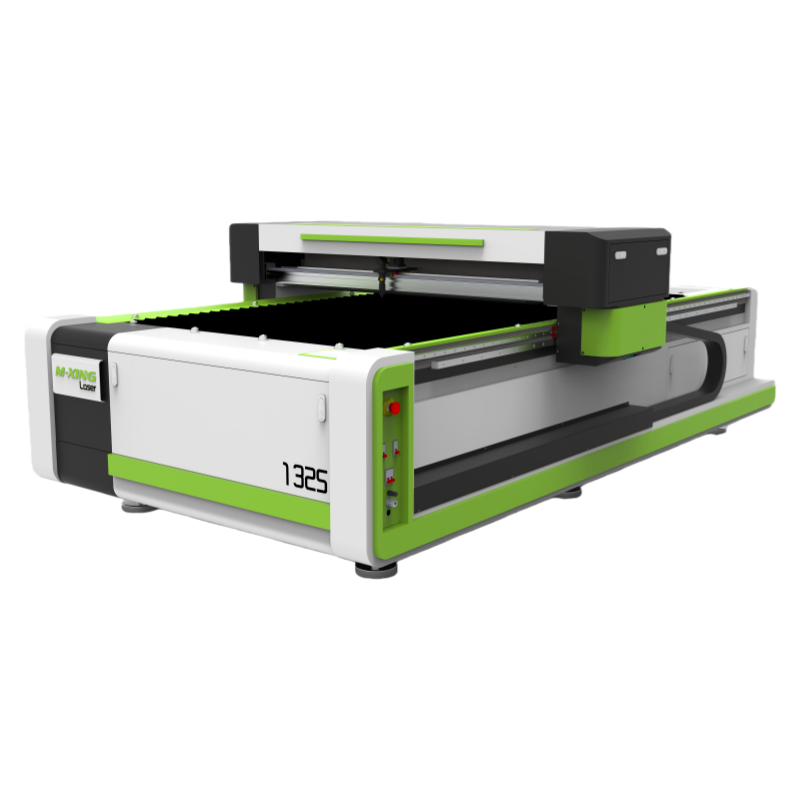
Magnitudo lecti debet tabulam accipere quam supplicator adfert. Magnitudines tabularum mobiliarum normalium sunt unitas pretii; lectus qui tabulam integram accipit sine praecisione antequam ad fabricam veniat, redditur redditus et tractatio in favorem fabricae. Forma 1325 tabulas integras amplectitur; 1390 et 1610 ad partes componentium et ostiorum conveniunt; 6090 ad exemplaria, inlayes et parvas partes ornamentales.
Potentia sequi debet crassissimum componentem routine. Curvatura kerf et partes decorativae crassae plus potentiae postulant quam tabulae ostii. Machina tantum pro tabulis tenuibus dimensionata aut opus curvaturae kerf recusabit aut marginem producet qui multum finitionis postulat.
Extrahere debet adhesiva, non solum lignum. Melaminum, lineae glutinis venarii et ligans MDF filtrum aliter onerant quam lignum solidum, et officina mobilium materias mixtas tota die tractat.
Positio camerae consideranda est si inlaida aut strata impressa in consilio sunt. Adaptatio tasculi ad figuram impressam vel venariam unica est operatio mobilium ubi registratio pretium suum meretur.
Capita duplex et alimentatio automatica apta sunt ad partiales tabulas decorativas — incisiones identicae repetitae, componentes formae identicae. Pro singulis opusculis personalibus vix aliquid addunt.
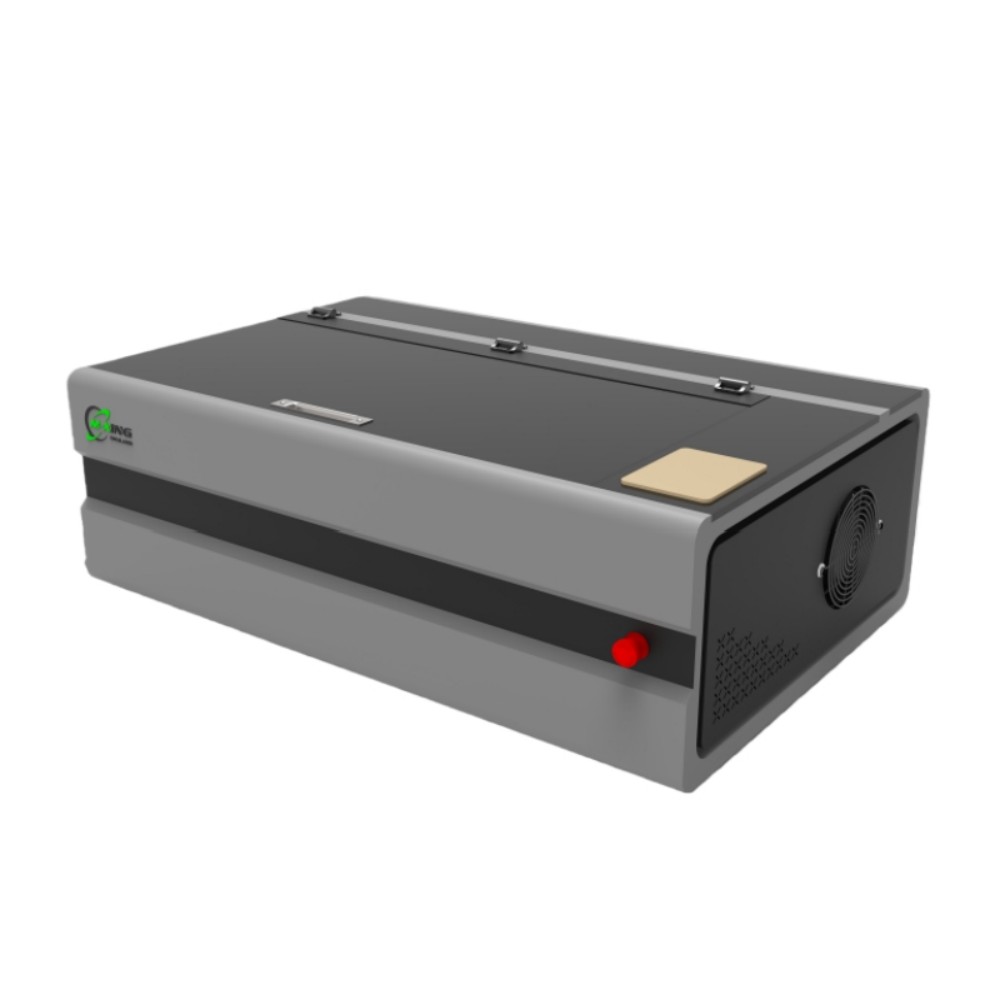
Mingxing Laser's CO2 range covers these formats with camera, dual-head and auto-feeding options. The advice for a furniture factory is more specific than for other industries: buy the machine for the shaped, engraved and curved work that you currently outsource or refuse, and leave the straight banded panels on the saw. Configured that way, it pays back on work that did not previously exist in the order book.
Furniture is one of the industries where a laser's value is most often misjudged in both directions — dismissed by factories that only see it as a slow saw, and oversold to factories that expect it to band edges and bore fittings.
The realistic picture is this. The laser owns curves, shapes, engraving, inlays, kerf-bent components, templates and prototypes. It does not own straight banded panels, and it does not own fitting holes. Factories that draw that line get the margin from the first group without paying for rework in the second.
Et primus grex est ubi nunc differentiatio mobilium habitat: mercatus qui commoditavit arcam rectangularem praemiat fabricam quae figuram, patternum aut curvam producere potest sine ordine utensilium.
 Nuntii Calidi
2026-02-05
2026-02-03
2025-12-01

Mingxing Laser est praecipuus fabricator machinarum laser e Sinis, qui offert incisores laser CO₂, machinas laser ad secandum fibrosas, machinas CNC, machinas laser ad soldandum et ad notandum. Solutiones ad usum specialem (OEM/ODM) paratae sunt. Petite hodie consilium!
- Company Headquarters: Room 1303, Building 4, UnitedFortune Plaza, High-tech Zone, Jinan City, Shandong Province, China
- Manufacturing Plant: No. 18, Yinhe Road, Jibei Street, Jiyang District, Jinan City, Shandong Province, China
Copyright © 2026 Century Mingxing (jinan) Intelligent Technology Co., Ltd. All rights reserved. POLITICA PRIVATATIS

 EN