
 EN
EN
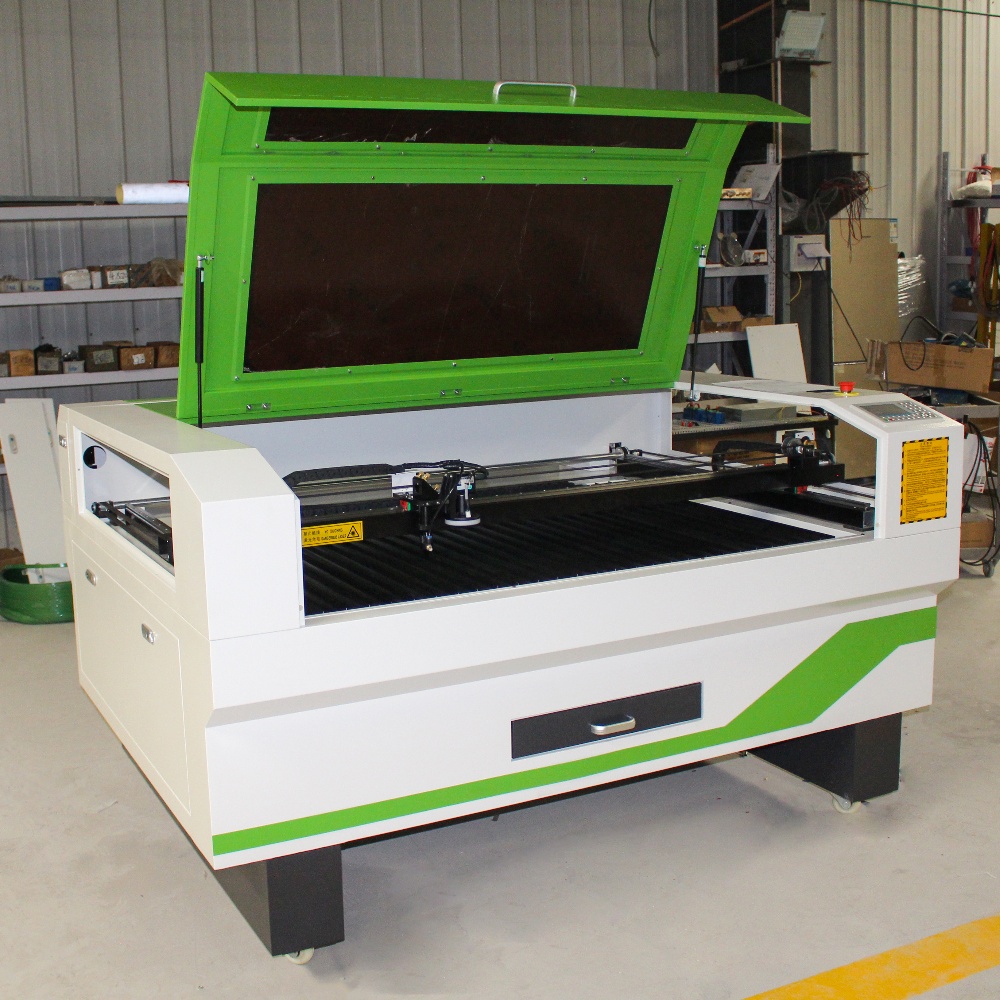
Precision marking, decorative surface work, and detailed personalization have all been transformed by one technology above most others: the laser engraver. Whether you encounter it in a custom gift shop producing personalized wooden keepsakes, a signage studio etching acrylic display panels, or a manufacturing facility marking serial numbers onto components, the underlying technology is the same. In 2026, laser engraving systems are more capable, more accessible, and more deeply integrated into production workflows than at any previous point. This article explains what a laser engraver is, how it works mechanically and optically, and where it delivers the most value across different industries.
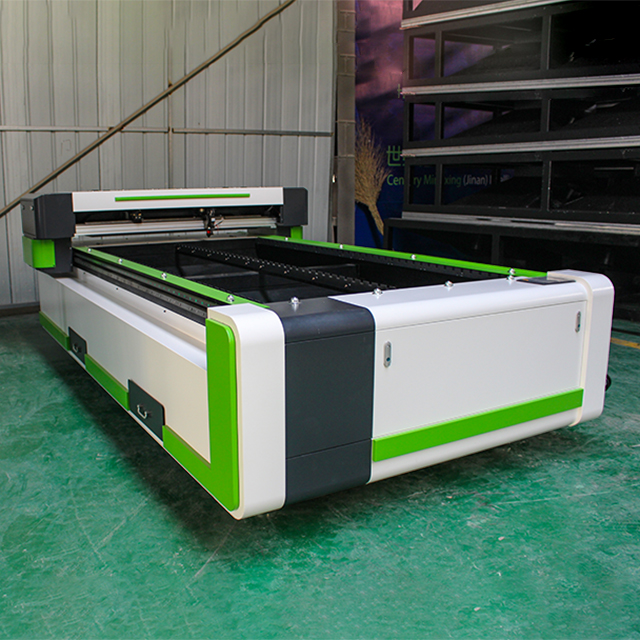
The Basic Operating Principle
A laser engraver works by directing a focused beam of light onto a material surface with enough intensity to alter that surface — either by vaporizing a thin layer of material, burning away a coating, or chemically changing the surface color through localized heat. The key distinction between engraving and cutting is depth and intent: engraving removes or modifies only the surface layer or a shallow depth, creating a visible mark without cutting through the material entirely. Cutting, by contrast, passes the beam completely through the workpiece.
The beam is generated by a laser source — most commonly a CO2 gas laser for non-metallic materials, or a fiber laser for metal marking applications — and directed to the working surface through a system of mirrors and a focusing lens. The focusing lens concentrates the beam to a very small spot diameter, typically less than 0.1mm, which is what allows fine detail to be reproduced faithfully. The machine moves this focused spot across the material surface in a programmed pattern, line by line for filled engraving areas or along vector paths for outline work, controlled entirely by the CNC motion system and the job file loaded into the controller.
CO2 vs Fiber: Choosing the Right Laser Engraver Technology
The two dominant laser engraver technologies in 2026 serve different material ranges, and choosing between them is the first decision any buyer needs to make clearly.
CO2 laser engravers operate at a 10,640nm wavelength, which is highly absorbed by organic and non-metallic materials. This makes them the standard choice for engraving wood, bamboo, acrylic, MDF, leather, fabric, paper, glass, coated metals, crystal, and rubber. The CO2 platform is uniquely versatile in that it handles both engraving and cutting in the same machine — the same job file can include both engraved artwork and cut profile lines, processed in a single setup. This dual capability makes it particularly valuable for businesses producing items like engraved wooden plaques with cut-out shapes, acrylic awards with detailed surface artwork, or leather goods with both engraved decoration and cut panels.
Fiber laser engravers operate at a 1,064nm wavelength, which metals absorb far more efficiently. They are the correct choice for permanent marking on stainless steel, aluminum, brass, copper, and titanium — applications such as industrial part marking, jewelry engraving, and tool identification. Fiber systems do not perform well on non-metallic materials and are not designed for cutting operations.
For businesses whose work is primarily non-metallic — crafts, gifts, signage, decoration, and similar — a CO2 laser engraver covers the full range of required operations in a single platform.
How the Motion System Controls Engraving Quality
The quality of the output from a laser engraver is determined not only by the laser source but equally by the precision and speed of the motion system moving the beam across the material. Most CO2 laser engravers use a flying optics design, in which the laser source and mirrors move while the worktable remains stationary. This approach allows for high-speed motion without the inertia penalty of moving a heavy workpiece, which is critical for engraving fine detail at practical production speeds.
The motion system typically consists of two servo or stepper motor-driven axes — X for horizontal travel and Y for vertical — running on precision linear guide rails. The controller coordinates these axes to follow the raster scan pattern used for filled engravings or the vector paths used for outline engraving and cutting. Modern controllers with DSP or PC-based architecture support high-speed processing of complex artwork files, ensuring that intricate designs with thousands of path segments are executed smoothly without speed fluctuations that would produce uneven engraving depth.
Materials, Applications, and Expected Results
| Material | Engraving Result | Cutting Capable | Typical Industries |
|---|---|---|---|
| Acrylic | Frosted, matte finish on clear; clean contrast | Yes | Signage, awards, display, retail |
| Wood / Bamboo | Natural brown char, high contrast | Yes (up to rated depth) | Gifts, crafts, furniture, decoration |
| MDF | Dark engraved surface, smooth finish | Yes | Furniture panels, architectural models |
| Leather | Precise surface marking, no fraying | Yes | Bags, accessories, personalized goods |
| Glass | Frosted white surface mark | No | Awards, drinkware, architectural glass |
| Coated Metal | Removes coating to reveal base metal | No (CO2) | Industrial marking, signage, panels |
| Fabric / Felt | Clean surface mark or light ablation | Yes | Textile, apparel, soft furnishings |
| Paper / Card | Fine detail burn mark | Yes | Packaging, stationery, invitations |
| Crystal | Internal or surface frosting | No | Awards, decorative gifts |
| Rubber | Deep clean engraved marks | Yes | Stamps, industrial gaskets |
The Role of Software in a Laser Engraver Workflow
The software workflow of a laser engraver is where the gap between a productive machine and a frustrating one most often appears. The typical process begins in a design application — CorelDRAW, Adobe Illustrator, AutoCAD, or Photoshop depending on the job type — where the artwork is created or imported. That file is then transferred to the laser control software, such as RDWorks or LightBurn, which translates the design into the motion and power commands the machine executes.
Control software in 2026 handles considerably more than simple file translation. Modern platforms support color-layered processing, where different colors in the design file are assigned different laser parameters — power, speed, and pass count — allowing engraving and cutting operations to be defined separately within a single file and processed in sequence automatically. They also support image dithering algorithms for photographic engraving, which convert grayscale photographs into dot patterns the laser can reproduce as tonal engravings on wood or leather. File format compatibility is broad, typically including AI, DXF, PLT, BMP, JPG, PNG, SVG, and DWG, which means design files from virtually any software environment can be processed without conversion issues.
FAQ
What materials can a CO2 laser engraver not process? CO2 laser engravers are not effective on bare metals such as stainless steel, aluminum, or copper, as these materials reflect rather than absorb the CO2 wavelength. They are also not suitable for PVC or chlorine-containing plastics, which release toxic fumes when laser processed. For bare metal marking, a fiber laser engraver is the appropriate technology.
How fine a detail can a laser engraver reproduce? With a properly focused beam and a high-quality motion system, a CO2 laser engraver can reproduce details as fine as 0.1mm in engraving mode. In practice, the achievable detail is also influenced by material surface texture and color contrast. Smooth, light-colored materials like light wood and clear acrylic show finer detail than rough or dark-colored substrates.
Can a laser engraver also cut materials? Yes — CO2 laser engravers are fully capable of cutting as well as engraving, and most production machines are designed with both operations in mind. The same machine that engraves detailed artwork on an acrylic panel can cut that panel to its final shape in the same job. The distinction between engraving and cutting is simply a matter of laser power and speed settings rather than any fundamental hardware difference.
How long does laser engraving take on a typical job? Job time depends on the engraved area, the resolution setting, and the machine's motion speed. A small engraved logo on a wooden gift item might take 2–5 minutes. A full-panel engraving covering a large portion of a 600 × 900mm sheet at high resolution could take 30–60 minutes or more. Vector outline engraving is considerably faster than raster fill engraving of equivalent size, as the beam traces lines rather than scanning the entire surface row by row.
What maintenance does a laser engraver require? The primary maintenance tasks are cleaning the focusing lens and mirror surfaces regularly to prevent contamination that degrades beam quality, checking and refilling the water cooling system for CO2 tube-based machines, cleaning the exhaust system and filters to maintain effective fume extraction, and lubricating the linear guide rails and motion system components. CO2 laser tubes are consumables with a finite operational lifespan and will eventually require replacement, though proper maintenance and avoiding sustained operation at maximum power extend their service life significantly.
Is a laser engraver suitable for a home-based business? Compact CO2 laser engravers with smaller working areas are used successfully in home-based custom gift and personalization businesses. The key practical requirements are adequate ventilation or a standalone fume extraction system, a stable electrical supply, and a dedicated workspace where the machine can operate safely. For serious production volume, a larger-format machine in a dedicated workshop environment provides more practical throughput.
The laser engraver has earned its place as one of the most commercially versatile production tools available to businesses of almost any size in 2026. Its ability to reproduce precise, permanent, high-contrast marks across a wide range of materials — combined with the flexibility to handle both engraving and cutting in a single platform — makes it a uniquely productive asset for any operation where surface quality, detail accuracy, and material versatility matter.
