
 EN
EN
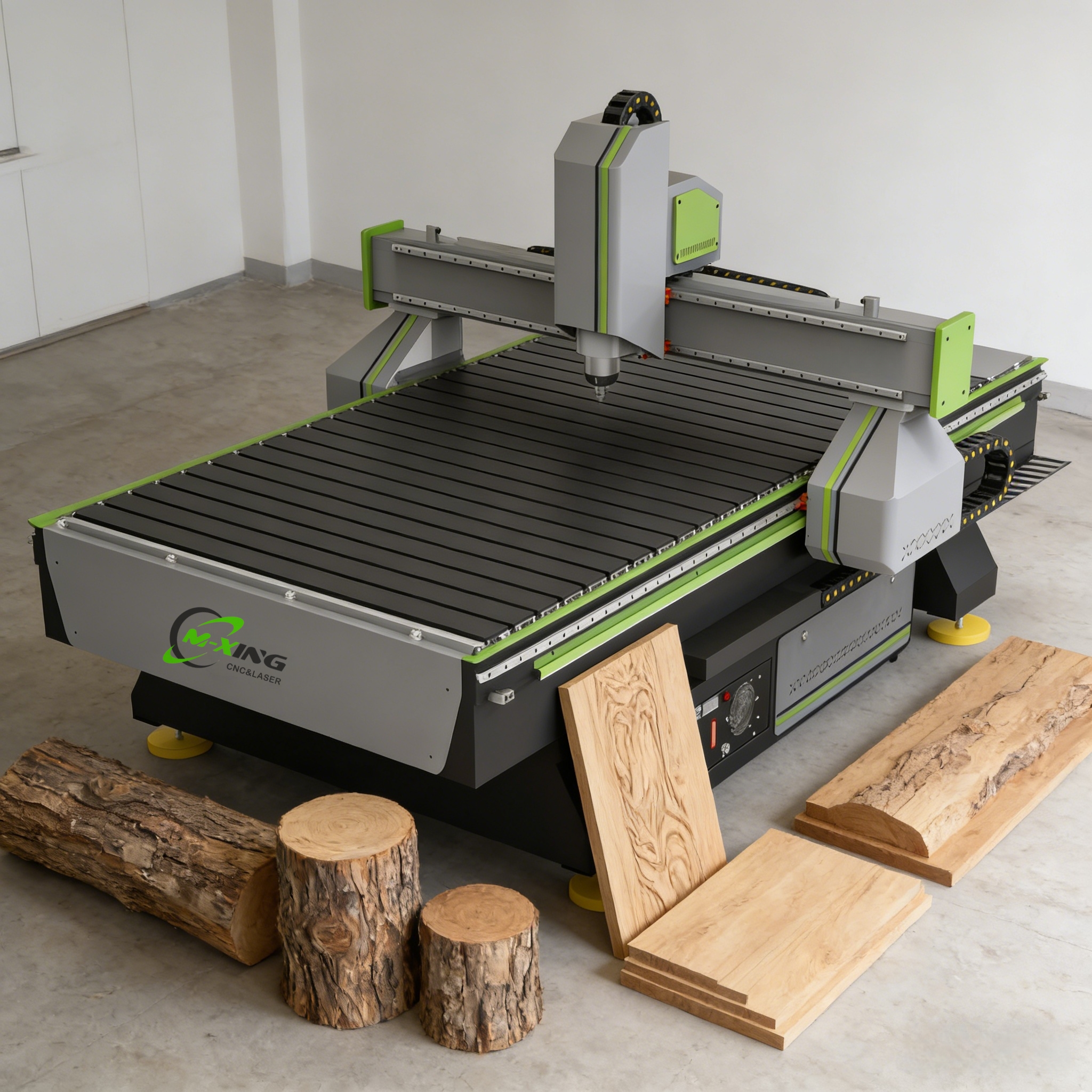
Whether you're outfitting a fabrication workshop, a sign-making studio, or an industrial production floor, choosing the right CNC cutting machine is one of the most consequential equipment decisions you'll make. The market offers a wide range of options — from entry-level desktop units to heavy-duty industrial systems — and the differences between them go far beyond price. This guide walks you through the key features that genuinely separate a capable machine from one that will frustrate your workflow within months.
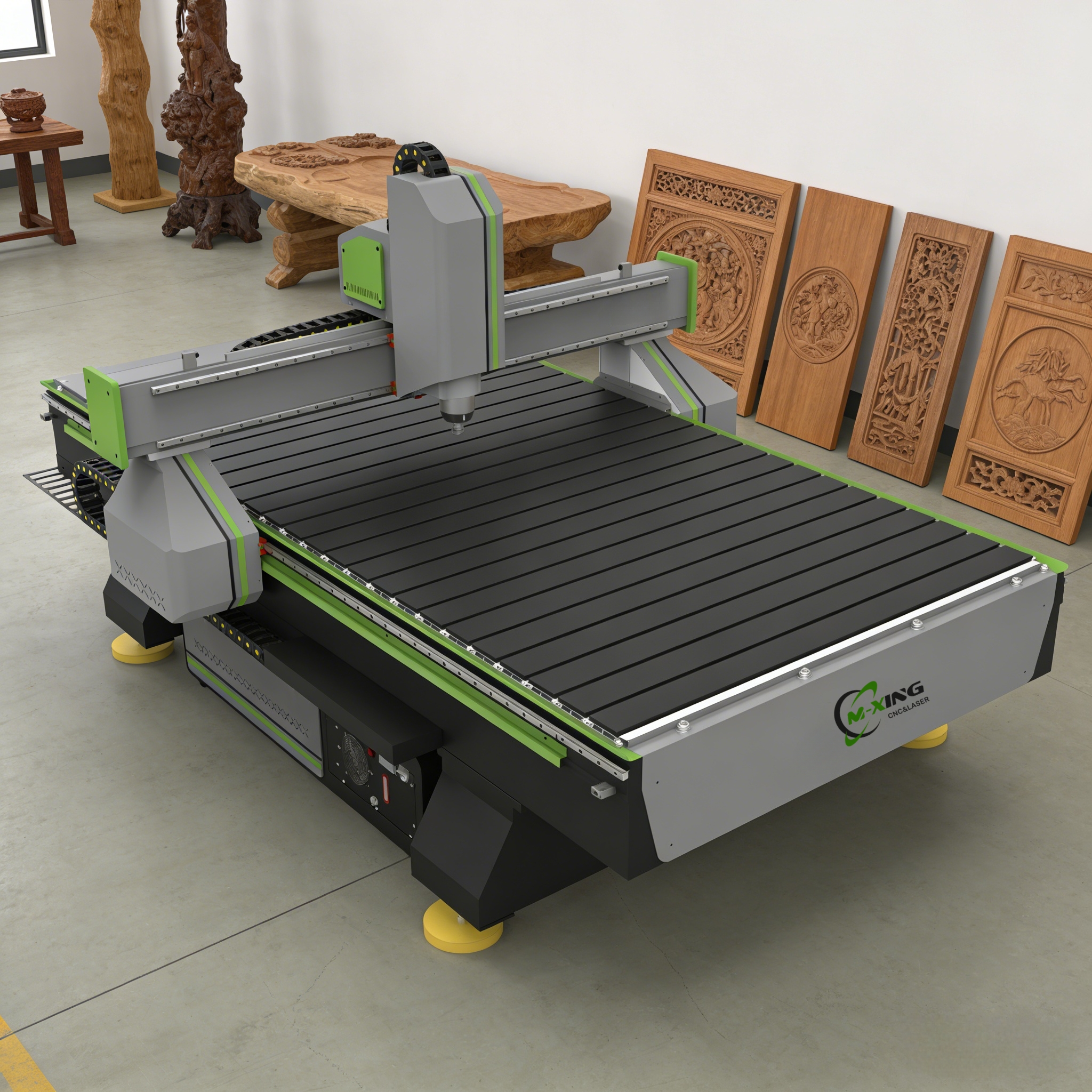
Cutting Technology: Matching the Method to the Material
The first decision is the type of cutting technology the machine uses, because this dictates which materials it can handle, how clean the cut will be, and what your ongoing operating costs look like.
Laser cutting machines excel at precision work on wood, acrylic, fabric, leather, and thin metals. They deliver smooth edges with minimal post-processing and are well-suited to detailed engraving alongside cutting. Plasma cutting machines are built for speed through conductive metals such as steel, aluminum, and copper — a workhorse choice for metal fabrication shops that prioritize throughput. Waterjet cutting machines use a high-pressure stream of water mixed with abrasive particles, making them unique in their ability to cut virtually any material without heat-affected zones, which is critical for heat-sensitive materials like composites or hardened steel. Router-based CNC cutting machines use rotating bits and are ideal for wood, foam, plastics, and softer metals.
Understanding what you'll be cutting the majority of the time should drive this first decision before you consider anything else.
Work Area and Table Size
The working area of a CNC cutting machine determines the maximum size of the material it can process in a single pass. This is a straightforward but frequently underestimated factor. Buying a machine with a work area that's only slightly larger than your current job sizes leaves no room to grow — and upgrading later is expensive.
Consider not just the XY dimensions but also the Z-axis clearance, which determines the maximum thickness of material the machine can accommodate. For three-dimensional routing work, adequate Z-axis travel is as important as the table footprint.
Cutting Speed and Precision
These two specifications are often in tension with each other, and the right balance depends on your production priorities.
Cutting speed is measured in millimeters or inches per minute and affects how many parts you can produce per hour. Higher speed matters most in high-volume production environments. Precision — typically expressed as positional accuracy or repeatability in microns or thousandths of an inch — matters more in applications where tight tolerances are non-negotiable, such as aerospace components, intricate signage, or custom joinery.
A quality CNC cutting machine will specify both figures clearly. Be skeptical of machines that advertise impressive speeds without publishing accuracy tolerances, as the two numbers together tell the real story.
Key Specification Comparison Table
| Feature | Entry-Level | Mid-Range | Industrial |
|---|---|---|---|
| Work Area | Up to 600×900 mm | 1200×2400 mm | 2000×4000 mm+ |
| Positional Accuracy | ±0.2 mm | ±0.05 mm | ±0.01 mm |
| Cutting Speed | 3,000–6,000 mm/min | 8,000–15,000 mm/min | 20,000+ mm/min |
| Controller Type | Basic onboard | DSP / PC-based | Industrial CNC (FANUC, Siemens) |
| Software Compatibility | Proprietary only | Multiple CAD/CAM | Full integration |
| Support & Warranty | 1 year basic | 2 years + remote | Full service contract |
Controller and Software Compatibility
The controller is the brain of the machine — it interprets G-code or other toolpath files and translates them into precise motor movements. A well-designed controller makes setup faster, reduces errors, and allows for on-the-fly adjustments during a job.
Equally important is software compatibility. A CNC cutting machine that only works with its proprietary software creates a locked ecosystem. Look for machines that accept standard G-code and are compatible with widely used CAD/CAM platforms such as AutoCAD, Fusion 360, LightBurn (for laser systems), or Mach3/Mach4. This flexibility saves time when importing customer files and reduces your team's learning curve.
Build Quality and Drive System
The mechanical build of a CNC cutting machine has a direct impact on long-term accuracy and maintenance costs. Machines built on heavy steel frames with precision-ground linear rails hold their calibration far longer than those built on aluminum extrusions. The drive system — whether ball screw, rack and pinion, or belt-driven — also affects how the machine performs under load.
Ball screw drives offer the highest positional accuracy and are preferred for precision machining. Rack-and-pinion systems handle larger tables well and are common on plasma and router machines. Belt drives are typically found on entry-level machines where cost is the primary constraint.
Dust Collection and Fume Management
This feature is often treated as an afterthought, but it directly affects operator safety, machine longevity, and cut quality. Routing and plasma cutting generate significant particulate and fume byproducts. A CNC cutting machine without adequate provisions for dust collection or fume extraction will coat its own components in debris, shortening the lifespan of linear rails, bearings, and electronics.
Look for integrated dust shoe connections on router machines and downdraft tables or water tables on plasma systems. For laser machines, an enclosed cutting chamber with an exhaust fan and appropriate filtration is the baseline standard.
FAQ
What is the most important specification to check when buying a CNC cutting machine? There's no single answer — it depends on your application. For high-tolerance work, positional accuracy is paramount. For production environments, cutting speed and work area size matter most. In most cases, matching the cutting technology to your primary material is the correct starting point before comparing any other specs.
Can one CNC cutting machine handle multiple materials? Some machines are more versatile than others. Waterjet systems are the most universally adaptable in terms of material range. Router-based machines handle wood, foam, soft metals, and plastics well but are not suitable for thick steel. For shops that work across diverse materials, it's sometimes more practical to have two specialized machines rather than one compromise solution.
How important is software when evaluating a CNC cutting machine? Extremely important, and often underweighted by buyers focused on hardware specs. The software governs how efficiently you can import designs, generate toolpaths, and run jobs. A machine with excellent hardware but limited or proprietary-only software will slow your workflow more than a slightly slower machine with excellent software integration.
What does repeatability mean, and why does it matter? Repeatability refers to the machine's ability to return to the same position consistently across multiple operations. In production runs where you're cutting dozens or hundreds of identical parts, high repeatability ensures uniformity across the entire batch — which is often more critical than absolute positional accuracy.
Is a more expensive CNC cutting machine always better? Not necessarily. A high-end industrial machine offers capabilities and durability that are genuinely valuable in continuous-production settings — but that same machine would be overkill for a low-volume custom shop. The best CNC cutting machine is one whose specifications closely match your actual production volume, material requirements, and precision needs, without paying for capacity you won't use.
Investing the time to evaluate these features carefully before purchasing will pay dividends in productivity, reduced downtime, and lower total cost of ownership over the life of the machine.
