
 EN
EN
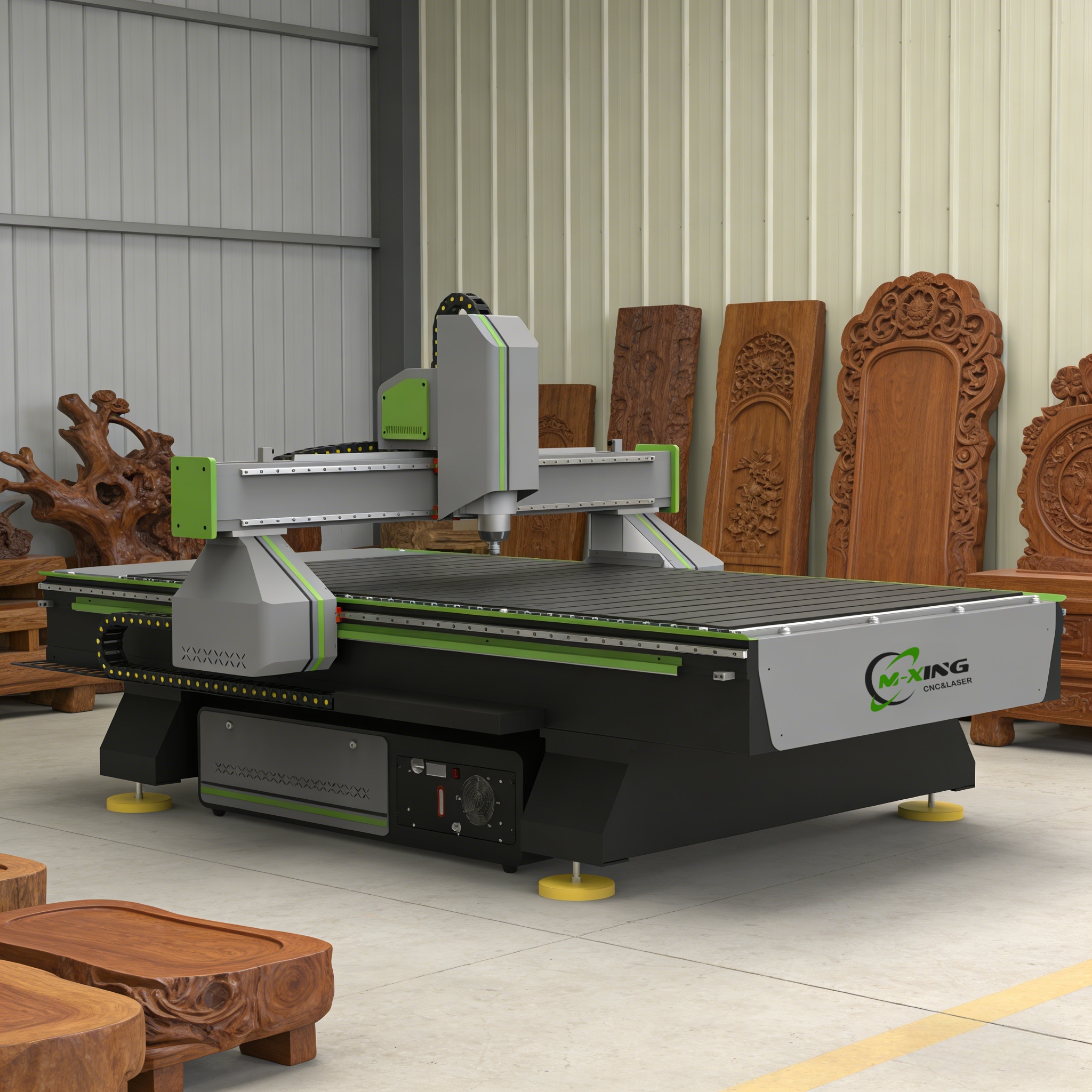
Selecting the appropriate CNC cutting machine for your workshop represents a critical investment decision that directly impacts production capacity, operational efficiency, and long-term profitability. Many shop owners struggle with this choice because the market offers diverse machine configurations, each designed for specific material types, production volumes, and precision requirements. Understanding how to evaluate key technical specifications, match machine capabilities to your actual fabrication needs, and balance budget constraints with performance expectations will determine whether your CNC cutting machine becomes a revenue-generating asset or an underutilized expense.
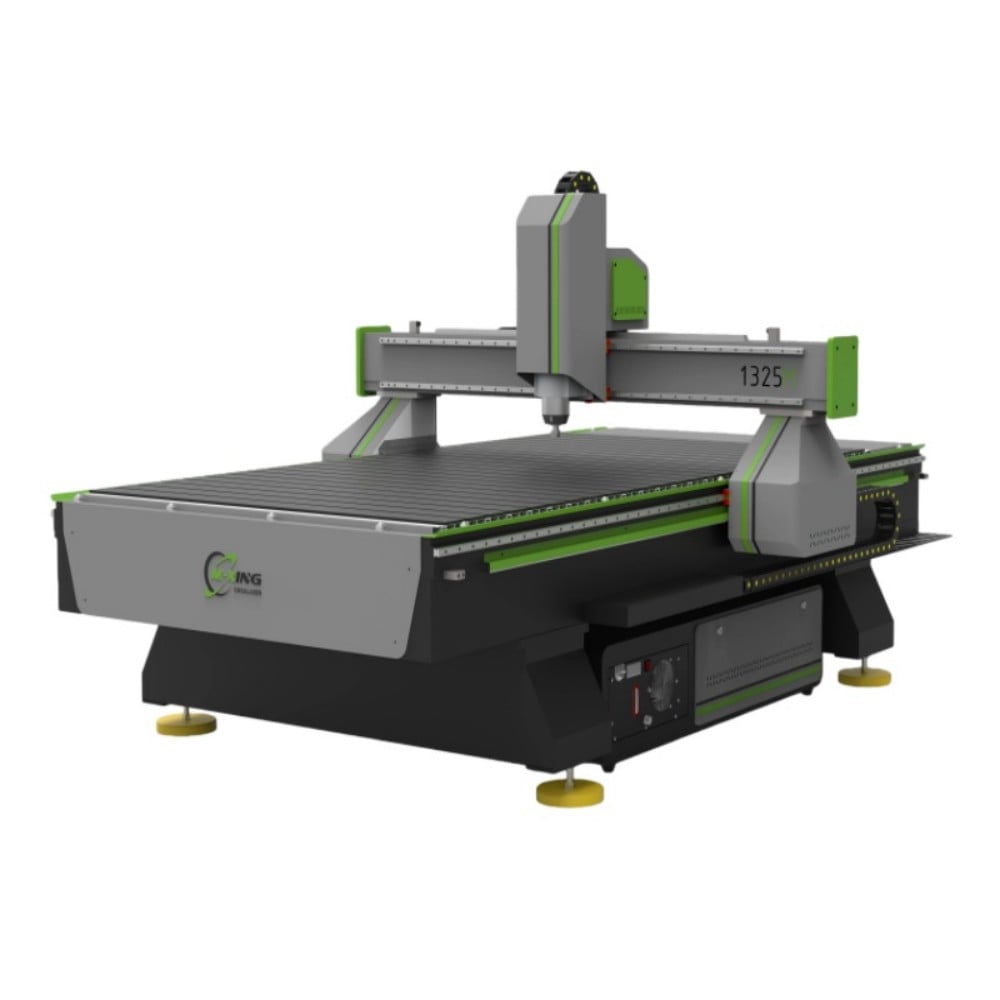
The process of choosing the right CNC cutting machine requires a systematic approach that begins with analyzing your current and projected workload, identifying the materials you process most frequently, and determining the dimensional tolerances your clients demand. This decision extends beyond comparing machine specifications on paper, as factors such as available floor space, electrical infrastructure, operator skill levels, and post-sale technical support all influence whether a particular machine will successfully integrate into your production environment. This guide walks you through the essential evaluation criteria, decision-making frameworks, and practical considerations that separate a well-matched CNC cutting machine from an expensive misstep.
Understanding Your Material Processing Requirements
Primary Material Types and Thickness Ranges
The materials you process most frequently should dictate which CNC cutting machine technology you prioritize. Router-based CNC cutting machines excel at processing wood, acrylic, MDF, and softer non-ferrous materials, delivering clean edge quality on materials ranging from thin veneers to panels exceeding two inches in thickness. Plasma-based systems handle conductive metals including steel, stainless steel, and aluminum with thickness capabilities extending from thin gauge sheet metal to plates over one inch thick. Laser CNC cutting machines provide exceptional precision on both metals and non-metals, though maximum cutting thickness varies significantly based on laser power output, with typical ranges from paper-thin materials to half-inch steel plate depending on wattage configuration.
Your material mix directly influences required spindle power, cutting speed capabilities, and tooling considerations. Shops processing predominantly hardwoods need higher torque spindles compared to facilities cutting foam or soft plastics. Similarly, facilities working with abrasive materials like fiberglass composites require CNC cutting machines with enhanced bearing protection and more frequent maintenance intervals. Evaluating your material breakdown by volume percentage over the past twelve months provides the clearest picture of which machine capabilities matter most for your specific application, preventing the common mistake of overemphasizing occasional specialty jobs at the expense of daily production efficiency.
Dimensional Specifications and Workpiece Size
The physical dimensions of parts you fabricate determine the minimum working envelope your CNC cutting machine must accommodate. Measure not only your typical part sizes but also the largest components you process quarterly, as undersizing the work area forces costly workarounds including multiple setups, material sectioning, or outsourcing larger projects. Standard CNC cutting machine configurations range from compact benchtop units with 2x3 foot cutting areas suitable for signage and small component work, to industrial gantry systems offering 5x10 foot or larger envelopes for architectural panels, furniture components, and structural fabrication.
Beyond the XY cutting area, Z-axis clearance proves equally important for shops processing varied material thicknesses or using rotary attachments. Insufficient vertical clearance restricts your ability to accommodate thicker stock or implement fixtures that improve production efficiency. Additionally, consider whether your work requires through-cutting or if controlled depth engraving and pocketing operations constitute a significant portion of your projects, as this influences the precision requirements for Z-axis positioning and the necessity for floating head designs that maintain consistent cutting depth across warped materials.
Production Volume and Throughput Expectations
Your daily production requirements fundamentally shape which CNC cutting machine configuration delivers acceptable return on investment. Entry-level hobby-grade machines operating at slower traverse speeds may suffice for prototype shops or low-volume custom fabricators producing fewer than twenty parts weekly, but these systems create bottlenecks in production environments requiring consistent daily output. Industrial CNC cutting machines featuring higher rapid traverse rates, automatic tool changers, and optimized acceleration profiles dramatically reduce cycle times, making them essential for shops processing dozens or hundreds of parts daily.
Calculate your required throughput by multiplying average parts per day by anticipated cutting time per part, then factor in setup time, material loading, and tool changes. This analysis reveals whether a single machine meets capacity demands or if your operation requires multiple units or shifts. Many shops discover that investing in a faster, more capable CNC cutting machine with automation features proves more economical than purchasing multiple slower machines, as the single advanced unit often delivers higher throughput while requiring only one operator and occupying less floor space.
Evaluating Technical Specifications and Performance Capabilities
Drive System Architecture and Motion Control
The drive system powering your CNC cutting machine directly determines positioning accuracy, repeatability, and operational longevity. Belt-driven systems offer economical entry points with acceptable precision for many wood and plastic applications, typically achieving positioning accuracy within 0.005 inches. Rack-and-pinion drives provide improved rigidity and higher load capacity, making them suitable for larger gantry configurations while maintaining precision in the 0.003-inch range. Ball screw and linear rail combinations deliver the highest precision, with positioning repeatability often exceeding 0.001 inches, making them necessary for applications requiring tight tolerances such as aerospace components, precision fixtures, or mold-making.
Motion control capabilities extend beyond basic positioning accuracy to include factors like maximum traverse speed, acceleration rates, and cornering performance. A CNC cutting machine capable of 1000 inches per minute rapid traverse with aggressive acceleration profiles completes jobs significantly faster than units limited to 400 inches per minute, particularly on parts featuring numerous short moves and frequent direction changes. Evaluate whether the controller supports look-ahead functionality that optimizes motion paths and maintains cutting speed through curves, as this feature substantially reduces cycle times on complex geometries compared to controllers that decelerate at every directional change.
Spindle Power and Tooling Flexibility
Spindle specifications represent perhaps the most critical performance parameter for router-based CNC cutting machines, as inadequate power limits material compatibility and cutting speeds. Air-cooled spindles ranging from 1.5 to 3 horsepower handle most wood and plastic applications adequately, while water-cooled spindles delivering 5 to 9 horsepower become necessary for sustained production in hardwoods, aluminum, and composite materials. Higher power enables increased material removal rates, supports larger diameter tooling, and maintains cutting performance during extended operations without thermal-related spindle shutdown.
Tool holding systems influence both operational efficiency and achievable precision on your CNC cutting machine. Manual tool change systems suffice for shops running long production batches with infrequent tool changes, but facilities processing diverse parts benefit enormously from automatic tool changer configurations that eliminate manual intervention and maintain consistent tool length offsets. Collet systems should match your existing tooling inventory, with common options including ER collets offering broad size range flexibility and dedicated precision collets providing enhanced runout performance for demanding applications. Verify that spindle speed range accommodates both large diameter surfacing bits requiring lower RPMs and small engraving tools demanding higher rotational speeds for optimal surface finish.
Control System and Software Integration
The controller and software ecosystem governing your CNC cutting machine determines operational ease, programming flexibility, and integration with existing design workflows. Entry-level controllers running open-source firmware like GRBL provide basic G-code execution suitable for simple cutting operations but lack advanced features such as automatic tool length compensation, probing routines, and network connectivity. Industrial controllers featuring dedicated motion processors, expanded memory capacity, and comprehensive safety interlocks support more sophisticated operations including synchronized multi-axis movements, complex macro programming, and real-time feed rate optimization based on cutting load.
Software compatibility shapes daily operational efficiency more than many buyers anticipate when selecting a CNC cutting machine. Verify that your preferred CAM software generates compatible post-processors or that the machine includes proven CAM solutions suited to your application. Shops using popular design packages like AutoCAD, SolidWorks, or Adobe Illustrator require seamless file format support and intuitive toolpath generation that doesn't demand extensive CAM expertise. Consider whether the control system supports conversational programming for simple operations, allowing operators to create basic programs directly at the machine without returning to CAD workstations, substantially reducing setup time for routine jobs.
Assessing Build Quality and Structural Considerations
Frame Construction and Mechanical Rigidity
The structural foundation of your cnc cutting machine determines long-term dimensional stability, vibration resistance, and ultimate precision capabilities. Welded steel tube frames provide adequate rigidity for light-duty applications but may exhibit deflection under heavy cutting loads or when equipped with larger spindles. Heavy-wall steel fabrications with reinforced gantry construction maintain geometric accuracy under production conditions, minimizing deflection that translates into dimensional errors in finished parts. Cast iron or granite composite bases offer superior vibration damping compared to fabricated steel, proving particularly beneficial for precision engraving operations and applications where surface finish quality directly impacts product value.
Examine how the machine manufacturer addresses thermal expansion, as temperature variations throughout the workday cause dimensional changes in structural components. Quality CNC cutting machines incorporate design features that accommodate thermal growth without introducing positioning errors, such as kinematic mounting schemes that constrain expansion to non-critical axes. Additionally, assess the working surface design, as T-slot tables provide maximum fixturing flexibility while vacuum hold-down systems dramatically reduce setup time for flat sheet goods, though they limit thickness capacity and require sealed material edges for effective holding force.
Component Quality and Expected Service Life
The quality of motion components, bearings, and mechanical assemblies in your CNC cutting machine directly correlates with maintenance requirements and operational lifespan. Linear guides using recirculating bearing blocks offer extended service life with minimal maintenance compared to V-wheel systems that require periodic adjustment and more frequent replacement. Ball screws with proper preload and sealing maintain positioning accuracy over millions of cycles, while lead screws exhibit accelerated wear patterns under continuous production loads. Investigate whether critical wear components like bearings and drive elements are standard industrial items available from multiple suppliers or proprietary designs that lock you into single-source replacement parts at premium pricing.
Electrical and electronic component selection reveals manufacturer commitment to reliability versus cost minimization. Name-brand servo drives, power supplies, and contactors from established industrial automation suppliers generally provide superior reliability and global service availability compared to unbranded components. The controller should feature industrial-grade construction with proper electromagnetic interference shielding, particularly important in shops with welding equipment or other electrical noise sources. Wiring methods matter significantly, as individual wire runs in cable carriers with proper strain relief outlast bundled cables zip-tied to moving structures, which develop fatigue failures after thousands of motion cycles.
Safety Features and Compliance Standards
A properly specified CNC cutting machine incorporates comprehensive safety systems protecting operators from mechanical hazards, flying debris, and electrical dangers. Full machine enclosures with interlocked access doors prevent accidental contact with moving components during operation, while proper guarding around drive mechanisms protects maintenance personnel during service procedures. Emergency stop buttons should be positioned at multiple locations around the machine perimeter, providing immediate shutdown capability regardless of operator position. Verify that dust collection ports are appropriately sized and positioned for effective chip extraction, as accumulated debris presents fire hazards and respiratory concerns in addition to compromising part quality.
Understanding applicable regulatory standards helps ensure your CNC cutting machine complies with workplace safety requirements and insurance provisions. Machines operating in North American facilities should meet relevant OSHA requirements and ideally carry certification from recognized testing laboratories. European markets require CE marking demonstrating conformity with machinery directives, while operations subject to ISO quality systems may need machines with documented compliance to specific manufacturing standards. Clarify whether the machine manufacturer provides safety documentation, risk assessments, and operator training materials necessary for workplace compliance, as developing these internally after purchase adds unexpected cost and delays production startup.
Practical Implementation and Operational Factors
Facility Requirements and Installation Planning
Successfully integrating a CNC cutting machine into your shop requires careful facility planning beyond simply measuring available floor space. Calculate total footprint including required clearances for material loading, operator access, maintenance activities, and chip collection equipment, as inadequate space planning creates workflow bottlenecks and safety hazards. Verify that floor loading capacity supports the combined weight of the machine, cutting table, and maximum material load, particularly important for larger gantry systems that may exceed 5000 pounds. Concrete floors should be level within manufacturer specifications, typically 0.005 inches per foot, as excessive slope introduces geometric errors requiring complex tramming procedures or shim-based leveling that complicates future relocation.
Electrical infrastructure must supply adequate power with appropriate voltage and phase configuration for your CNC cutting machine. Single-phase 220-volt service suffices for smaller machines with spindles below 5 horsepower, while larger industrial units require three-phase power ranging from 220 to 480 volts depending on spindle ratings and auxiliary equipment. Consult with licensed electricians regarding panel capacity, circuit protection requirements, and proper grounding, as electrical deficiencies cause nuisance shutdowns, damage sensitive electronics, and create safety hazards. If your facility lacks appropriate power infrastructure, budget for electrical upgrades that can range from a few hundred dollars for basic circuits to several thousand for three-phase service installation or panel upgrades.
Operator Training and Skill Development
The sophistication of your CNC cutting machine should align with available operator expertise or your willingness to invest in training programs. User-friendly controllers with graphical interfaces, conversational programming, and comprehensive simulation features reduce the learning curve for operators transitioning from manual equipment or basic CNC experience. However, maximizing productivity from advanced CNC cutting machines requires understanding of feeds and speeds optimization, fixture design, tool selection, and CAM software proficiency that develops over months rather than days. Assess whether the machine supplier provides structured training programs, detailed documentation, and ongoing technical support, or if you must develop internal expertise through trial and error.
Consider the broader skill ecosystem beyond basic machine operation, as effective CNC cutting machine utilization requires competencies spanning CAD design, CAM programming, tooling selection, quality inspection, and preventive maintenance. Shops with existing design and engineering staff adapt more quickly to CNC technology than those requiring operators to manage all functions. Many successful implementations pair CNC cutting machines with third-party training programs, online learning resources, or consulting services that accelerate capability development. Building internal expertise reduces dependence on external programming services and enables rapid response to customer requests, but requires sustained investment in personnel development beyond the initial equipment purchase.
Maintenance Requirements and Ongoing Costs
Understanding the total cost of ownership for your CNC cutting machine extends beyond the purchase price to encompass tooling, maintenance supplies, consumable parts, and periodic service requirements. Router-based machines require regular replacement of cutting tools that wear through normal operation, with costs varying from a few dollars for basic bits to several hundred dollars for specialized tooling. Establish clear maintenance schedules addressing lubrication intervals, bearing inspection, belt tensioning, and accuracy verification to prevent unexpected downtime and preserve long-term precision. Quality machines include lubrication systems that reduce manual maintenance burden, while economy units may require daily attention to multiple grease points.
Budget for consumable items including vacuum pump oil, spindle cooling fluid, dust collection filters, and replacement wearing components like brushes for older spindle designs. Many shops underestimate the ongoing cost of proper dust collection, which requires periodic filter replacement and eventual blower maintenance to maintain effective chip extraction. Factor in annual costs for software updates, technical support subscriptions, and calibration equipment necessary to maintain machine accuracy over time. Machines backed by responsive technical support and readily available spare parts minimize production interruptions, while unsupported equipment can strand your operation during failures if replacement components require international shipping or custom fabrication.
Budget Considerations and Value Assessment
Price Ranges and Equipment Categories
CNC cutting machine pricing spans an enormous range reflecting fundamental differences in construction quality, performance capabilities, and intended application. Hobby-grade machines targeting makers and educational users start below five thousand dollars but feature limited cutting areas, lower precision, and reduced structural rigidity unsuitable for production environments. Entry-level production machines ranging from fifteen to thirty-five thousand dollars provide acceptable performance for small shops processing wood, plastics, and aluminum, incorporating industrial-grade components and proper safety systems. Mid-range industrial CNC cutting machines between forty and eighty thousand dollars offer enhanced precision, higher cutting speeds, automatic tool changers, and robust construction supporting continuous production demands.
Premium machines exceeding one hundred thousand dollars deliver capabilities justified only by specific application requirements such as aerospace-grade precision, large-format processing, or specialized material handling. When comparing CNC cutting machine options across price categories, evaluate what performance differences justify cost premiums rather than assuming higher prices automatically indicate better value. Sometimes mid-range machines provide all capabilities your application requires, making premium features simply expensive excess capacity. Conversely, attempting to economize with undersized equipment creates false economy when limited capabilities restrict job opportunities or require costly workarounds that eliminate initial savings.
Return on Investment Analysis
Justifying CNC cutting machine acquisition requires realistic financial modeling that accounts for increased production capacity, reduced labor costs, improved product quality, and new market opportunities the equipment enables. Calculate payback periods based on conservative productivity estimates rather than theoretical maximum capabilities, as real-world utilization accounts for setup time, programming, maintenance, and the learning curve during initial implementation. Shops replacing manual processes should measure current labor hours per part and estimate CNC cycle times including setup, recognizing that complex manual operations often see dramatic time reductions while simple tasks show modest improvements.
Consider how a CNC cutting machine expands your service offerings beyond direct efficiency gains on existing work. Precision capabilities enable tighter tolerances that qualify your shop for higher-value contracts, while consistent repeatability supports production runs previously beyond your capacity. Some shops find the most significant value in eliminated outsourcing costs, as bringing previously subcontracted operations in-house improves project margins and timeline control. Build financial models incorporating both direct cost savings and revenue growth from expanded capabilities, but validate assumptions against actual market demand rather than hypothetical opportunities that may not materialize.
Financing Options and Procurement Strategies
Various financing mechanisms help distribute CNC cutting machine costs across the equipment's productive life rather than requiring full capital outlay upfront. Traditional equipment loans through banks or credit unions typically offer competitive interest rates for creditworthy businesses, with terms extending from three to seven years depending on equipment value and borrower qualifications. Equipment leasing provides alternative structures including capital leases that build ownership equity and operating leases that preserve balance sheet flexibility while potentially offering tax advantages, though total costs typically exceed conventional financing.
Many CNC cutting machine manufacturers offer vendor financing programs with promotional terms such as deferred payments or reduced rates, though careful comparison shopping often reveals third-party lenders provide better overall value. Government-backed loan programs like SBA lending can facilitate equipment acquisition for qualifying small businesses, sometimes with advantageous terms for startups or businesses in economically disadvantaged areas. When evaluating financing proposals, calculate total cost including interest and fees rather than focusing solely on monthly payments, as extended terms with attractive monthly obligations can substantially increase the total amount paid over the loan period.
FAQ
What is the minimum shop size needed to operate a CNC cutting machine?
The minimum shop size depends on the specific CNC cutting machine dimensions, but generally requires at least eight feet of clearance beyond the machine footprint on the loading side and four feet on remaining sides for operator access and maintenance. A compact CNC cutting machine with a 4x4 foot cutting area typically needs approximately 250 to 300 square feet of dedicated floor space when accounting for material staging, computer workstation, and chip collection equipment. Larger industrial machines with 5x10 foot tables require 500 to 700 square feet minimum, though production efficiency improves significantly with additional space for organized material storage and finished part accumulation. Beyond floor area, verify ceiling height accommodates the machine with adequate clearance for overhead dust collection ducting and potential future addition of overhead gantry cranes for material handling.
How long does it take to become proficient at operating a CNC cutting machine?
Basic operational competency including machine startup, file loading, tool installation, and running pre-programmed jobs typically develops within two to four weeks of regular use for individuals with general manufacturing experience. Achieving intermediate proficiency that encompasses CAM programming, toolpath optimization, fixture design, and troubleshooting common issues generally requires three to six months of consistent operation across diverse project types. Advanced expertise including custom macro programming, complex multi-sided machining, sophisticated workholding design, and complete process optimization may take one to two years to develop fully. The learning timeline varies significantly based on prior CNC experience, available training resources, project complexity, and how frequently the operator works with the equipment, with daily users progressing much faster than those operating machines only occasionally.
Can a CNC cutting machine process both wood and metal materials?
Router-based CNC cutting machines designed primarily for wood can process soft non-ferrous metals like aluminum and brass using appropriate tooling, reduced feed rates, and proper chip evacuation, though this represents secondary capability rather than optimal application. These machines typically lack the structural rigidity, spindle power, and cooling systems that dedicated metal-cutting CNC machines provide for efficient metal processing. Conversely, CNC cutting machines designed specifically for metal fabrication generally cannot process wood effectively, as their design priorities fundamentally differ from wood-optimized equipment. Shops requiring substantial capability in both materials typically invest in dedicated machines for each category or select industrial-grade CNC cutting machines explicitly designed as multi-material platforms, which incorporate enhanced rigidity, variable speed spindles, and comprehensive coolant systems supporting diverse material requirements at the cost of premium pricing.
What warranty coverage should I expect when purchasing a CNC cutting machine?
Standard warranty coverage for quality CNC cutting machines typically includes one to two years on mechanical components and structural elements, with electronics and control systems often carrying similar terms. Wear items such as cutting tools, belts, and bearing seals are generally excluded from warranty coverage as consumables requiring periodic replacement during normal operation. Premium manufacturers sometimes offer extended warranties covering three to five years on major assemblies, though these extended terms may exclude certain components or require adherence to specific maintenance schedules. Clarify warranty terms regarding parts and labor coverage, response time commitments, whether on-site service is included or requires additional fees, and any maintenance documentation requirements necessary to preserve warranty validity, as ambiguous warranty language can lead to coverage disputes when issues arise.
