 EN
EN
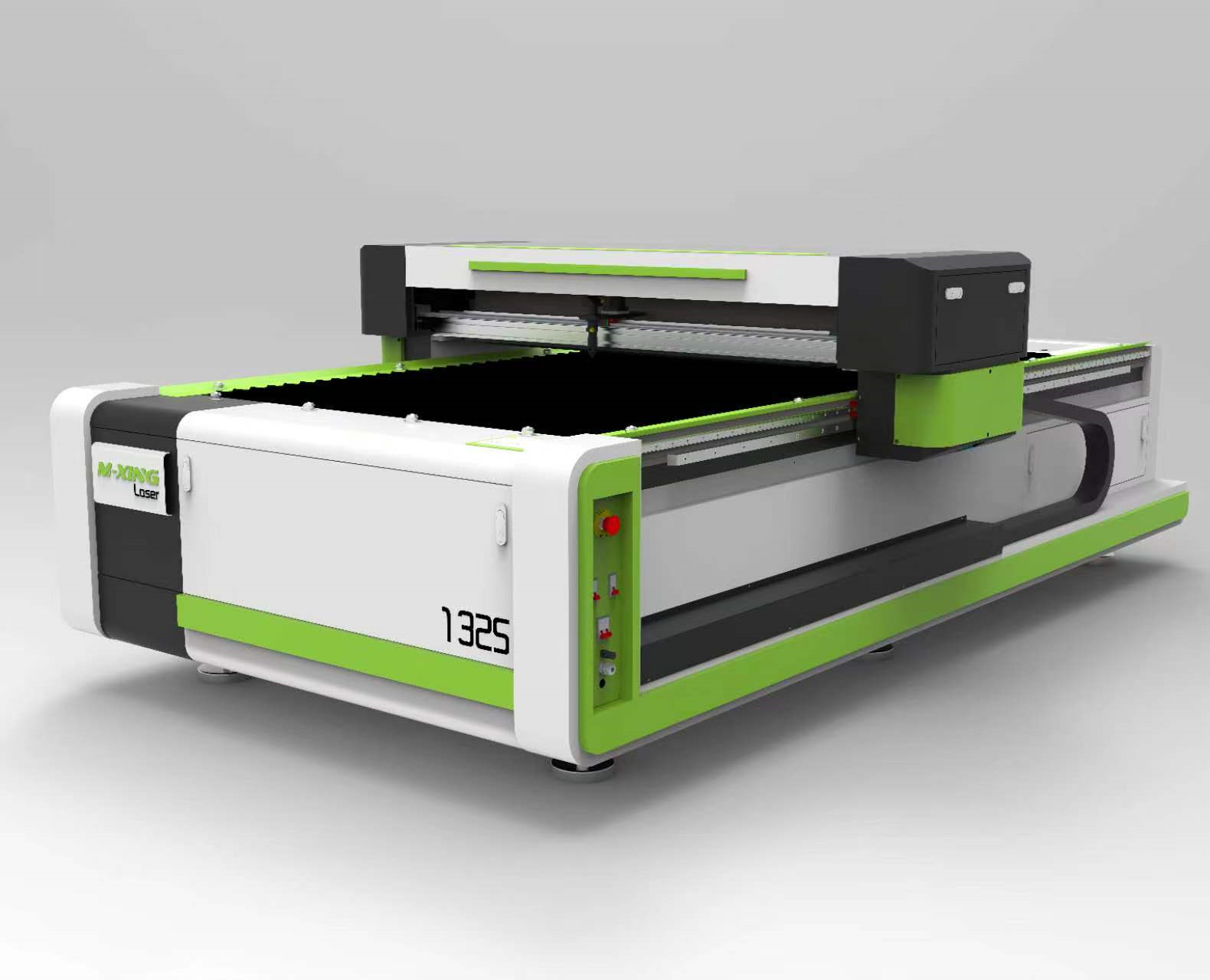
Selecting the appropriate wattage for a Laser Cutting Machine is perhaps the most critical technical decision a manufacturer will face. The power of the laser source directly dictates the thickness of the material you can cut, the speed of your production line, and the overall quality of the finished edge. In an industrial landscape where efficiency is the primary driver of profitability, overestimating your power needs can lead to unnecessary capital expenditure, while underestimating them can result in sluggish production and poor edge quality.
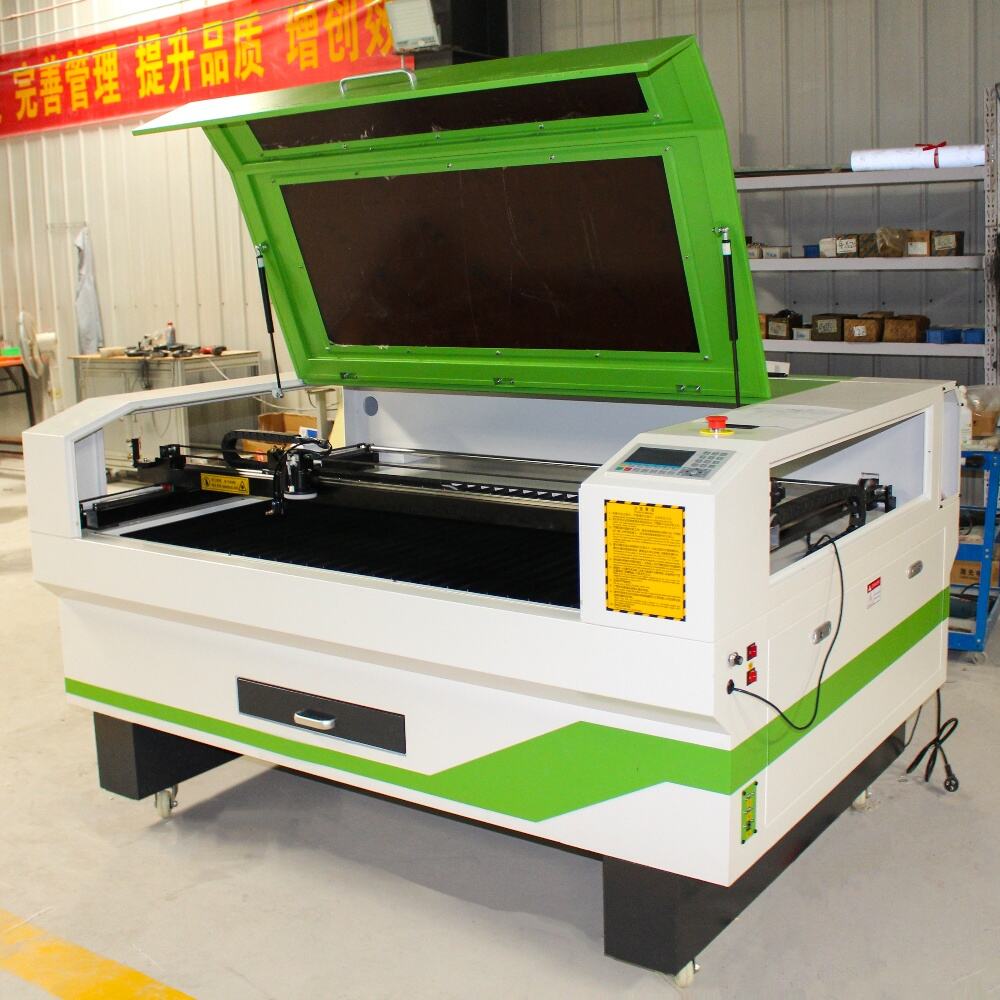
The evolution of fiber laser technology has expanded the possibilities for metal fabrication, offering power ranges from 1,000W to over 30,000W. However, "more power" does not always equate to "better results" for every shop. Choosing the right Laser Cutting Machine power requires a deep understanding of your primary material types, the average thickness of your daily workpieces, and your long-term output goals.
Matching Laser Power to Material Thickness
The relationship between laser power and material thickness is the foundation of the selection process. A lower-power Laser Cutting Machine, such as a 1,000W or 2,000W model, is exceptionally efficient at processing thin sheets of carbon steel and stainless steel, often providing a cleaner cut on materials under 4mm than a high-power machine might. These units are staples in industries like electronics, kitchenware, and small precision parts manufacturing where thin-gauge precision is paramount.
As you move into heavy industrial applications—such as shipbuilding, agricultural machinery, or structural steel—the demand for high-power sources increases. A 6,000W or 12,000W Laser Cutting Machine can slice through thick plates that would be impossible for a lower-wattage system to penetrate. Furthermore, higher power allows for the use of compressed air or nitrogen as an assistant gas on thicker materials, which maintains a bright, oxidation-free edge and eliminates the need for secondary grinding or finishing.
Technical Specifications: Power vs. Cutting Capacity
To help you visualize the capabilities of different power levels, the following table provides a general guideline for the maximum cutting thickness and optimal production thickness for standard fiber Laser Cutting Machine models.
| Laser Power | Max Carbon Steel (mm) | Max Stainless Steel (mm) | Optimal Speed Range (mm) | Key Application Scenario |
| 1,000W | 10mm - 12mm | 4mm - 5mm | 1mm - 3mm | Advertising, thin sheet metal |
| 3,000W | 18mm - 20mm | 8mm - 10mm | 3mm - 6mm | Cabinetry, automotive parts |
| 6,000W | 25mm - 28mm | 16mm - 20mm | 6mm - 12mm | Heavy machinery, job shops |
| 12,000W+ | 40mm - 50mm | 40mm - 50mm | 12mm - 25mm | Shipbuilding, aerospace |
Impact of Power on Cutting Speed and Efficiency
While maximum thickness is a vital metric, cutting speed is what truly defines a shop's return on investment. A higher-wattage Laser Cutting Machine isn't just for cutting thicker materials; it is also for cutting thin materials significantly faster. For example, a 6,000W laser will process 2mm stainless steel at a much higher velocity than a 2,000W laser, drastically reducing the cycle time per part.
This increase in speed reduces the cost per part by spreading fixed overhead costs—like labor and facility rent—across a higher volume of finished goods. However, there is a point of diminishing returns. If your operators cannot load material or unload finished parts fast enough to keep up with a ultra-high-power laser, the machine will sit idle, wasting the potential of the expensive power source. Therefore, manufacturers must ensure their material handling automation is scaled to match the speed of the laser source they choose.
Edge Quality and the Heat-Affected Zone (HAZ)
The power level also influences the metallurgical integrity of the cut. Laser cutting is a thermal process, meaning it generates heat that can alter the properties of the material at the edge. A Laser Cutting Machine with insufficient power for a specific thickness will move slowly, allowing more heat to conduct into the surrounding material. This results in a larger "Heat-Affected Zone" (HAZ), which can lead to warping, dross (slag) buildup on the bottom of the cut, and potential issues during subsequent welding or painting processes.
Conversely, a properly powered laser moves quickly enough that the heat is concentrated strictly at the kerf, resulting in a narrow, precise cut with minimal thermal distortion. For high-precision industries like medical device manufacturing or aerospace, maintaining a small HAZ is non-negotiable. By choosing a power level that allows for high-speed processing of your most common materials, you ensure a superior surface finish and dimensional accuracy that meets the most stringent industrial standards.
Frequently Asked Questions (FAQ)
Can a high-power laser cut thin materials effectively?
Yes, high-power lasers are excellent for thin materials, but they require precise parameter tuning. If the power is too high and the speed is too low, the laser may melt the material rather than cutting it. Modern CNC controllers usually have "power ramping" features that automatically adjust the wattage based on the cutting speed, especially when navigating tight corners or intricate details.
How does assistant gas affect the power requirements?
Assistant gases like Oxygen, Nitrogen, and Compressed Air play a huge role. Oxygen creates an exothermic reaction that actually helps the laser cut through thick carbon steel, meaning you can cut thicker material with less laser power. Nitrogen, however, relies purely on the laser's energy to melt the metal, so you typically need higher laser power to cut the same thickness with Nitrogen than you would with Oxygen.
Is it worth buying a 12kW laser if my thickest material is only 10mm?
It depends on your volume. If you are a high-production job shop, a 12kW laser will cut that 10mm material much faster than a 3kW or 6kW machine, potentially doubling your daily output. However, if your production volume is low, the significantly higher initial cost of the 12kW source may not be justified by the time saved.
What is the expected lifespan of a fiber laser source?
Most industrial fiber laser sources are rated for approximately 100,000 hours of operation. This longevity is one of the reasons fiber lasers have overtaken CO2 lasers. However, to reach this lifespan, the machine must be kept in a clean, temperature-controlled environment with a high-quality water chilling system to prevent the laser diodes from overheating.
Strategic Conclusion for Power Selection
Choosing the right power for your Laser Cutting Machine is a strategic balance between today’s needs and tomorrow’s growth. A common industry rule of thumb is to identify your "sweet spot"—the material thickness that makes up 80% of your work—and choose a power level that processes that thickness at high speed and with high quality. Then, ensure the "maximum capacity" of that power level covers the remaining 20% of your thicker, occasional projects. By following this data-driven approach, you ensure that your facility remains competitive, efficient, and capable of delivering the precision your clients demand.