 EN
EN
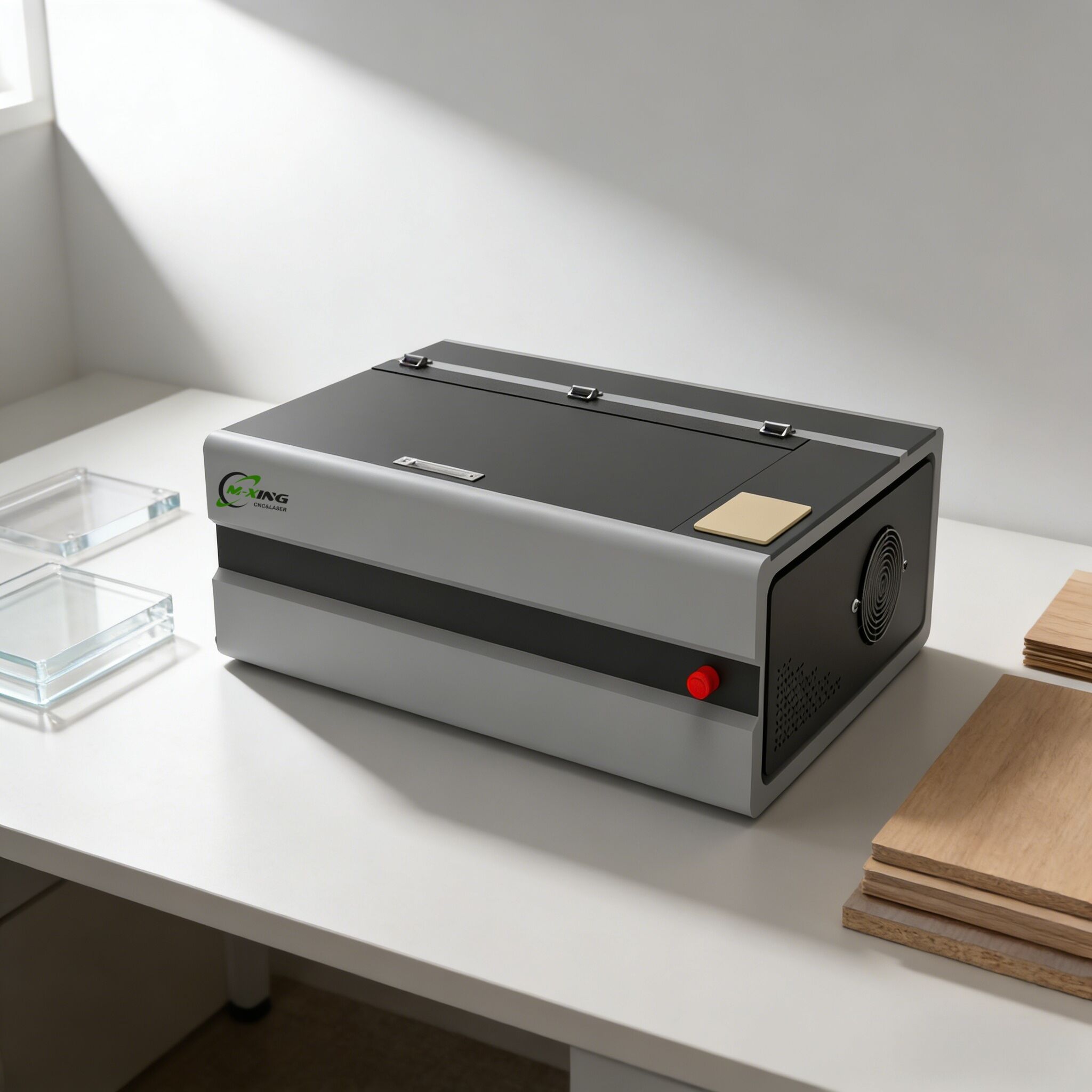
Choosing the right laser cutting machine for your business requires careful evaluation of your specific operational needs, material requirements, and production goals. The decision between different laser cutting machine types can significantly impact your manufacturing efficiency, product quality, and overall profitability. Understanding the core differences between CO2, fiber, and crystal laser systems will help you make an informed investment that aligns with your business objectives.
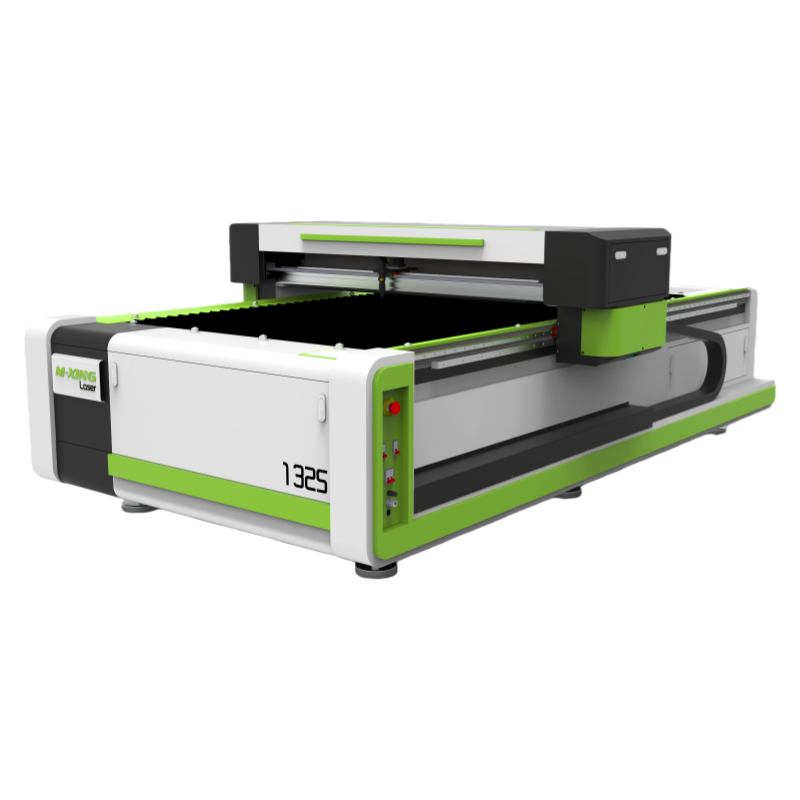
Each laser cutting machine type offers distinct advantages depending on your material focus, thickness requirements, and production volume expectations. The selection process involves analyzing your current workflow, anticipating future growth, and understanding how different laser technologies perform with your specific material portfolio. This comprehensive evaluation ensures your laser cutting machine investment delivers optimal return while meeting both immediate and long-term manufacturing demands.
Understanding Core Laser Cutting Technologies
CO2 Laser Cutting Systems
CO2 laser cutting machine technology utilizes a gas mixture to generate infrared laser beams, making it exceptionally well-suited for processing organic materials like wood, acrylic, leather, fabric, and paper products. These systems excel in applications requiring intricate detail work and smooth edge finishes on non-metallic materials. The wavelength characteristics of CO2 lasers provide superior absorption rates in organic compounds, resulting in clean cuts with minimal heat-affected zones.
The versatility of CO2 laser cutting machine systems extends beyond cutting to include engraving and marking applications, making them ideal for businesses requiring multi-functional capabilities. Industries such as signage production, architectural model making, packaging prototypes, and decorative arts frequently rely on CO2 technology for its precision and reliability. The relatively lower operating costs and straightforward maintenance requirements make CO2 systems attractive for small to medium-sized operations.
Power output options for CO2 laser cutting machine models typically range from 40 watts for light-duty applications to over 400 watts for industrial production environments. The scalability of CO2 technology allows businesses to start with modest power requirements and upgrade as production demands increase. This flexibility makes CO2 systems particularly suitable for growing businesses that need adaptable manufacturing capabilities.
Fiber Laser Cutting Technology
Fiber laser cutting machine technology represents the most advanced solution for metal processing applications, utilizing solid-state laser generation to achieve exceptional cutting speeds and precision on ferrous and non-ferrous metals. The concentrated beam quality and high power density of fiber lasers enable efficient processing of stainless steel, aluminum, brass, copper, and various alloy materials. These systems deliver superior energy efficiency compared to traditional CO2 systems when working with metal substrates.
The maintenance advantages of fiber laser cutting machine systems stem from their solid-state design, which eliminates the need for gas refills, mirror alignments, and resonator maintenance associated with CO2 technology. This translates to reduced operating costs and increased uptime for production-focused businesses. The beam delivery system in fiber lasers maintains consistent quality over time without the degradation issues common in gas laser systems.
Processing capabilities of fiber laser cutting machine models extend to thicker metal sections while maintaining high-speed operation, making them essential for automotive, aerospace, electronics, and heavy machinery manufacturing sectors. The precision achievable with fiber technology enables tight tolerance work and complex geometries that would be challenging with conventional cutting methods. Energy consumption efficiency often results in 30-50% lower operating costs compared to equivalent CO2 systems when processing metals.
Crystal and Hybrid Laser Solutions
Crystal laser cutting machine technology, including YAG and vanadate systems, offers specialized capabilities for applications requiring extreme precision or unique material compatibility. These systems bridge the gap between CO2 and fiber technologies, providing metal processing capabilities with different beam characteristics that suit specific industrial requirements. Crystal lasers often serve niche applications where standard fiber or CO2 systems cannot achieve desired results.
Hybrid laser cutting machine configurations combine multiple laser technologies within single platforms, enabling businesses to process diverse material portfolios without maintaining separate systems. These advanced solutions typically feature automatic switching between laser sources based on material detection or operator selection. The investment in hybrid technology often proves cost-effective for businesses requiring both metal and non-metal processing capabilities.
The specialized nature of crystal and hybrid laser cutting machine systems makes them suitable for research facilities, prototyping operations, and high-end manufacturing where material versatility and precision requirements justify the additional complexity and investment. Understanding these advanced options helps businesses evaluate whether standard CO2 or fiber systems meet their needs or if specialized technology provides better long-term value.
Material Compatibility and Application Analysis
Non-Metallic Material Processing
When your business primarily works with wood, acrylic, cardboard, leather, fabric, or composite materials, a CO2 laser cutting machine provides optimal performance and cost-effectiveness. The 10.6-micron wavelength of CO2 lasers achieves excellent absorption in organic materials, resulting in clean edges with minimal thermal damage. This makes CO2 technology ideal for industries such as furniture manufacturing, architectural modeling, packaging design, and textile production.
Thickness capabilities vary significantly across different CO2 laser cutting machine power levels, with entry-level systems handling materials up to 10mm thick, while industrial units process materials exceeding 25mm thickness. The quality of cut edges on non-metallic materials often eliminates the need for secondary finishing operations, reducing production time and costs. Understanding your maximum thickness requirements helps determine the appropriate power level for your laser cutting machine investment.
Engraving and marking capabilities integrated into most CO2 laser cutting machine systems add significant value for businesses requiring product customization, branding, or detailed surface texturing. The ability to switch between cutting and engraving operations within the same setup increases operational efficiency and expands service offerings. This versatility often justifies CO2 technology selection even when metal processing might be occasionally required.
Metal Processing Requirements
Businesses focused on metal fabrication, automotive parts, electronics components, or industrial equipment manufacturing require fiber laser cutting machine technology to achieve optimal results. The 1-micron wavelength of fiber lasers provides superior absorption in metallic materials, enabling efficient processing of stainless steel, aluminum, brass, copper, and various specialized alloys. The precision and speed advantages of fiber technology directly impact production costs and delivery schedules.
Thickness processing capabilities of fiber laser cutting machine systems extend well beyond what CO2 technology can achieve with metals, with high-powered units cutting stainless steel sections over 50mm thick while maintaining acceptable edge quality. The speed advantages become particularly pronounced on thinner materials, where fiber systems often operate 3-5 times faster than equivalent CO2 units. This productivity difference significantly impacts the economics of high-volume production operations.
Reflective metal processing presents unique challenges that fiber laser cutting machine technology handles more effectively than CO2 systems. Materials like copper, brass, and polished aluminum that traditionally caused problems with CO2 lasers can be processed reliably with fiber technology. Understanding these material-specific advantages helps businesses avoid costly mistakes when selecting laser cutting equipment for metal-focused operations.
Mixed Material Production Environments
Operations requiring both metal and non-metal processing capabilities face complex decisions regarding laser cutting machine technology selection. The traditional approach involves maintaining separate CO2 and fiber systems, which increases equipment costs but provides optimal performance for each material category. This strategy works well for larger operations with sufficient volume to justify multiple systems and dedicated operators.
Hybrid laser cutting machine solutions offer single-platform versatility but typically involve compromises in performance or significantly higher initial investments. Evaluating the frequency and importance of each material type in your production mix helps determine whether specialized systems or hybrid solutions provide better long-term value. Consider future growth plans and potential changes in your material portfolio when making this assessment.
Some businesses successfully utilize CO2 laser cutting machine systems for occasional thin metal work, accepting reduced efficiency for operational simplicity. This approach works when metal processing represents a small percentage of total production and thickness requirements remain under 3mm for stainless steel or 2mm for aluminum. Understanding these limitations helps set realistic expectations and avoid frustration with cross-material applications.
Production Volume and Efficiency Considerations
High-Volume Manufacturing Requirements
High-volume production environments demand laser cutting machine systems optimized for speed, reliability, and consistent quality output. Fiber laser technology typically provides superior throughput for metal processing applications due to faster cutting speeds and reduced maintenance downtime. The solid-state nature of fiber systems contributes to extended operational periods without intervention, critical for continuous production schedules.
Automation integration capabilities become increasingly important as production volumes rise, making laser cutting machine selection dependent on compatibility with material handling systems, part sorting equipment, and quality control integration. Advanced systems offer automated nesting optimization, real-time monitoring, and predictive maintenance features that minimize operator intervention and maximize productive uptime. These features often justify higher initial investments through labor cost savings and improved efficiency.
Energy consumption patterns significantly impact operating costs in high-volume production, where laser cutting machine systems may operate continuously for extended periods. Fiber lasers typically consume 30-50% less energy than equivalent CO2 systems when processing metals, while CO2 systems often prove more efficient for non-metallic materials. Calculating projected energy costs over the equipment lifecycle helps justify technology selection and predict long-term operational expenses.
Low to Medium Volume Operations
Smaller production runs and custom fabrication work often benefit from the versatility and lower initial investment associated with CO2 laser cutting machine technology. The ability to process diverse materials within a single system reduces setup time and eliminates the need for multiple pieces of equipment. This flexibility proves particularly valuable for job shops, prototyping operations, and businesses serving varied customer requirements.
Setup and changeover time between different jobs becomes more critical in lower-volume operations, where laser cutting machine systems must accommodate frequent material and thickness changes. CO2 systems typically offer simpler parameter adjustment and more forgiving setup procedures for operators with varying skill levels. The learning curve for CO2 technology often proves gentler for businesses new to laser processing.
Cost per part calculations in low-volume production must account for setup time, material waste, and operator skill requirements rather than focusing solely on cutting speed. A laser cutting machine optimized for quick setup and material versatility may prove more economical than faster systems requiring longer preparation times. Understanding your typical job characteristics helps identify the most suitable technology for your production profile.
Scalability and Future Growth Planning
Business growth projections significantly influence laser cutting machine selection, as expanding operations may shift material focus, volume requirements, or precision demands. Choosing systems with upgrade paths or modular capabilities provides flexibility as business needs evolve. Consider whether your current material mix might change as you acquire new customers or enter different market segments.
The resale value and technology evolution trends affect the long-term economics of laser cutting machine investments. Fiber laser technology continues advancing rapidly, with newer generations offering improved performance and reduced costs. CO2 technology has reached maturity with stable performance characteristics and well-established service networks. Understanding these technology trajectories helps inform replacement timing and upgrade strategies.
Facility expansion capabilities should align with laser cutting machine selection, considering power requirements, ventilation needs, and space utilization efficiency. Planning for potential system additions or upgrades ensures your facility infrastructure can support business growth without major modifications. This forward-thinking approach prevents costly infrastructure changes when adding capacity becomes necessary.
Budget Analysis and Return on Investment
Initial Investment Comparison
Entry-level CO2 laser cutting machine systems typically require lower initial investments compared to fiber laser systems of equivalent cutting area, making them attractive for businesses with limited capital budgets. However, the total cost analysis must include installation, training, and initial tooling expenses that can add significantly to the base equipment price. Understanding all associated costs prevents budget surprises and ensures adequate capital allocation for complete system implementation.
Fiber laser cutting machine systems command higher initial investments but often provide better long-term value through reduced operating costs and higher productivity on metal materials. The premium for fiber technology typically ranges from 40-80% above equivalent CO2 systems, but energy savings and reduced maintenance can recover this difference within 2-3 years for metal-focused operations. Accurate cost projections require detailed analysis of your expected material mix and production volume.
Financing options and lease arrangements can significantly impact the effective cost of laser cutting machine acquisition, with some manufacturers offering attractive terms for qualified buyers. Understanding available financing structures helps businesses access more capable equipment without depleting working capital. Consider the tax implications of purchase versus lease arrangements when evaluating total investment costs.
Operating Cost Analysis
Consumable costs vary dramatically between different laser cutting machine technologies, with CO2 systems requiring periodic gas refills, mirror cleaning, and tube replacement, while fiber systems primarily require protective window replacement and occasional fiber connector maintenance. Creating accurate operating cost projections requires understanding consumption rates for your expected production volume and material mix.
Energy consumption represents a significant portion of laser cutting machine operating costs, particularly for businesses running extended production schedules. Fiber systems typically demonstrate superior energy efficiency for metal cutting applications, while CO2 systems often prove more efficient for non-metallic materials. Calculating projected energy costs based on local utility rates and expected operating hours provides realistic operational budgets.
Labor costs associated with different laser cutting machine technologies include operator training requirements, maintenance skill levels, and setup time variations. Fiber systems often require less day-to-day maintenance but may need more specialized technical support for repairs. CO2 systems typically offer simpler troubleshooting but require more frequent routine maintenance. Understanding these labor implications helps predict staffing requirements and skill development needs.
Productivity and Revenue Impact
Cutting speed differences between laser cutting machine technologies directly impact production capacity and revenue potential. Fiber lasers often achieve 3-5 times faster cutting speeds on thin metals compared to CO2 systems, enabling higher throughput and faster customer deliveries. This productivity advantage can justify higher equipment costs through increased revenue capacity and improved customer satisfaction.
Quality consistency affects both production efficiency and customer retention, with superior laser cutting machine performance reducing secondary operations and rework costs. The precision capabilities of different technologies impact the types of work you can accept and the prices you can command. Understanding how equipment capabilities translate to market opportunities helps quantify the business impact of technology selection.
Market positioning advantages often result from laser cutting machine capabilities that enable new service offerings or superior quality standards. Businesses equipped with appropriate technology can pursue higher-value applications and command premium pricing for specialized capabilities. This strategic advantage should be factored into return on investment calculations beyond simple productivity metrics.
FAQ
What factors determine whether a CO2 or fiber laser cutting machine is better for my business?
The primary determining factors include your material focus, with CO2 systems excelling at non-metallic materials like wood and acrylic, while fiber systems optimize metal processing. Consider your production volume, budget constraints, and future growth plans. If you primarily cut organic materials under 20mm thickness, CO2 technology offers excellent value. For metal fabrication or mixed metal/non-metal production with emphasis on metals, fiber technology typically provides better long-term returns despite higher initial costs.
How do I calculate the return on investment for different laser cutting machine types?
Calculate ROI by comparing total ownership costs including purchase price, installation, training, consumables, energy, and maintenance against projected revenue increases and cost savings. Factor in productivity gains, quality improvements, and new service capabilities enabled by the equipment. For metal-focused operations, fiber systems often recover their price premium within 24-36 months through energy savings and higher throughput. CO2 systems typically show faster payback for non-metal applications due to lower initial investment and operating costs.
Can I process both metals and non-metals effectively with a single laser cutting machine?
While possible, single-system approaches involve compromises. CO2 systems can cut thin metals but with reduced speed and thickness capability compared to fiber systems. Fiber lasers struggle with organic materials and cannot process materials like wood or acrylic effectively. Hybrid systems exist but typically cost significantly more than separate specialized systems. For businesses with substantial volumes of both material types, maintaining dedicated CO2 and fiber systems often provides better overall performance and cost-effectiveness.
What ongoing maintenance requirements should I expect with different laser cutting machine technologies?
CO2 laser systems require regular gas refills, mirror cleaning and alignment, resonator maintenance, and periodic laser tube replacement. Typical maintenance cycles range from weekly mirror cleaning to annual tube replacement depending on usage. Fiber laser systems need primarily protective window cleaning, occasional fiber connector inspection, and cooling system maintenance. Fiber systems generally require less frequent maintenance but may need more specialized technical support when issues arise. Factor these maintenance requirements into your operating budget and staffing plans.
Table of Contents
- Understanding Core Laser Cutting Technologies
- Material Compatibility and Application Analysis
- Production Volume and Efficiency Considerations
- Budget Analysis and Return on Investment
-
FAQ
- What factors determine whether a CO2 or fiber laser cutting machine is better for my business?
- How do I calculate the return on investment for different laser cutting machine types?
- Can I process both metals and non-metals effectively with a single laser cutting machine?
- What ongoing maintenance requirements should I expect with different laser cutting machine technologies?