
 EN
EN
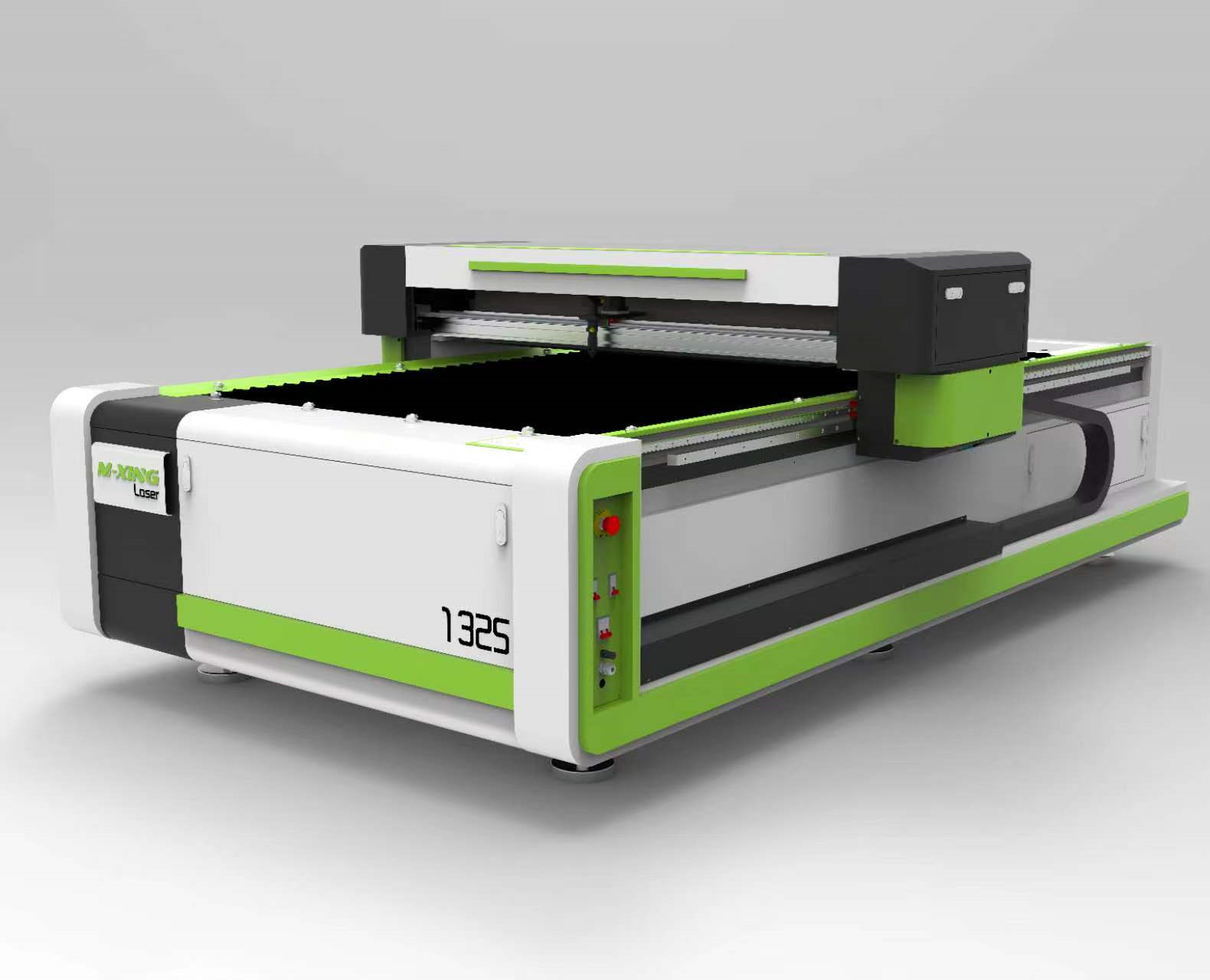
Selecting the appropriate power rating for a laser cutting machine is one of the most critical decisions any fabricator, manufacturer, or workshop owner will face. The power level directly influences cutting speed, material thickness capacity, edge quality, and operational costs. An underpowered laser cutting machine will struggle with thicker materials and result in slow production cycles, while an overpowered unit may lead to unnecessary capital expenditure and higher energy consumption without proportional benefit. Understanding how to match laser power to your specific application requirements ensures optimal return on investment and operational efficiency.
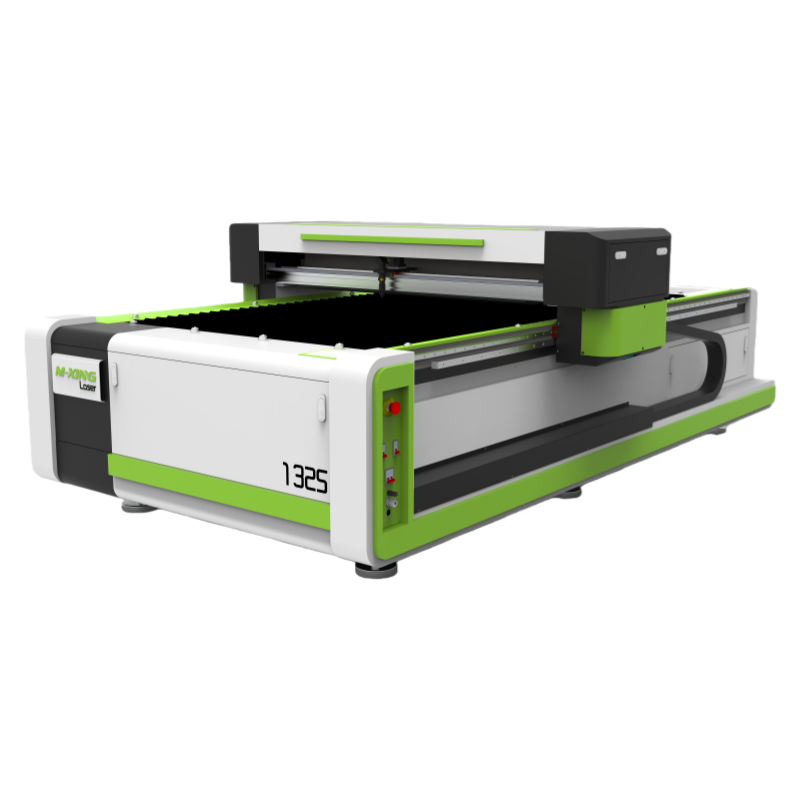
This decision becomes even more nuanced when you consider the variety of materials processed, production volume demands, and budget constraints. Different industries require different power thresholds, and the relationship between wattage and cutting capability is not always linear. Whether you are cutting thin acrylic sheets for signage, processing medium-density fiberboard for furniture components, or handling wood veneer for decorative applications, the laser power must align with your material profile and throughput goals. This comprehensive guide walks through the essential factors, technical considerations, and practical decision frameworks to help you choose the right laser cutting machine power for your operational needs.
Understanding Laser Power and Its Impact on Cutting Performance
What Laser Power Actually Represents
Laser power, measured in watts, indicates the energy output of the laser source. In CO2 laser cutting systems, common power ratings range from 40W for light engraving tasks to 300W or higher for cutting thicker non-metal materials. The power rating determines the laser beam's ability to heat and vaporize material at the focal point. Higher wattage delivers more energy per unit time, enabling faster cutting speeds and the capacity to penetrate thicker substrates. However, power alone does not define cutting quality; beam quality, focal spot size, and machine precision also play crucial roles in achieving clean edges and dimensional accuracy.
When evaluating a laser cutting machine, understand that the stated power refers to the maximum continuous output the laser tube can sustain. Actual cutting performance depends on how efficiently this power is delivered to the workpiece, which involves the quality of the optical path, the condition of mirrors and lenses, and the focusing system. A well-maintained 100W laser cutting machine can outperform a poorly maintained 150W system. Therefore, when choosing laser power, factor in not just the wattage specification but also the manufacturer's engineering quality and the machine's overall optical design.
The Relationship Between Power and Material Thickness
Material thickness is the primary determinant of required laser power. For acrylic sheets, a 60W laser cutting machine can typically handle up to 6mm thickness, while 100W systems extend this capability to approximately 10mm. Wood and MDF have different absorption characteristics; a 100W CO2 laser can cut through 8mm plywood, whereas 150W to 180W units are more suitable for 12mm to 15mm wood panels. As material thickness increases, the laser must maintain sufficient energy density throughout the cutting depth to achieve complete penetration without excessive charring or melting along the kerf edges.
Beyond thickness, material density and thermal conductivity affect power requirements. Dense hardwoods demand more power than softer pine or balsa. Similarly, laser-grade acrylic cuts more cleanly than cast acrylic at equivalent power levels due to differences in molecular structure and light transmission properties. When selecting laser cutting machine power, compile a comprehensive list of the thickest and most challenging materials you intend to process regularly. Add a safety margin of at least 20% to 30% above the minimum power requirement to ensure consistent cutting speed and edge quality across production batches.
Cutting Speed and Production Throughput Considerations
Higher laser power translates directly into faster cutting speeds for a given material thickness. A 150W laser cutting machine can cut 5mm acrylic at approximately twice the speed of a 80W unit, significantly impacting production throughput and labor costs. For businesses with high-volume production demands, investing in higher power systems reduces per-part cycle time, increases daily output, and improves delivery timelines. This speed advantage becomes especially valuable when processing large batches of identical components or when operating under tight production schedules.
However, speed gains are not infinite. Beyond a certain power threshold, further increases yield diminishing returns due to material thermal limits and beam absorption characteristics. Extremely high cutting speeds can also compromise edge quality, introducing micro-melting or excessive heat-affected zones. The optimal laser cutting machine power balances speed with quality requirements. For precision applications where edge finish and dimensional tolerance are critical, moderate power with controlled feed rates often produces superior results compared to maximum power settings. Evaluate your production priorities carefully; if throughput is paramount and edge finish is secondary, lean toward higher power. If precision and finish quality define your competitive advantage, select power levels that allow controlled, stable cutting without thermal distortion.
Matching Laser Power to Material Types and Application Scenarios
Acrylic and Plastic Sheet Cutting Requirements
Acrylic is one of the most commonly processed materials on CO2 laser cutting machines due to its excellent cutting characteristics and flame-polished edge finish. For acrylic sheets up to 3mm thick, a 60W to 80W laser cutting machine provides adequate performance for most signage and display applications. When working with 5mm to 8mm cast acrylic, power requirements increase to the 100W to 130W range to maintain reasonable cutting speeds without excessive melting. For thicker 10mm to 12mm acrylic panels, 150W to 180W systems become necessary to achieve clean cuts without charring or excessive heat buildup along the edges.
Other plastics such as polycarbonate, PET, and POM have different cutting behaviors. Polycarbonate tends to discolor and produce rough edges when cut with lasers, requiring higher power and faster speeds to minimize thermal damage. POM cuts cleanly but releases formaldehyde gas, necessitating robust ventilation systems regardless of power level. When your material portfolio includes diverse plastics, choose a laser cutting machine power level that handles the most demanding material in your mix. A 130W to 150W system offers versatility across most plastic types while maintaining production efficiency and edge quality standards.
Wood and MDF Processing Power Guidelines
Wood cutting on laser systems presents unique challenges due to material density variation, grain direction, and moisture content. For thin plywood and veneer up to 4mm thick, an 80W laser cutting machine delivers satisfactory results for craft applications and model making. Medium-thickness plywood ranging from 6mm to 10mm typically requires 100W to 150W power to achieve consistent cutting without excessive charring or incomplete penetration. When processing dense hardwoods or thick MDF panels from 12mm to 18mm, laser power in the 180W to 300W range becomes necessary to maintain acceptable cutting speeds and edge finish.
MDF presents particular considerations due to its homogeneous density and adhesive content. The resin binders in MDF require higher energy to vaporize compared to natural wood fibers, often necessitating 20% to 30% more power than equivalent solid wood thickness. A 150W laser cutting machine handles 12mm MDF effectively for furniture components and architectural models, while 200W to 250W systems are preferred for production environments processing 15mm to 18mm MDF sheets. Consider the edge quality requirements as well; darker, more charred edges may be acceptable for hidden joints but unacceptable for visible furniture faces, influencing whether you prioritize higher power for speed or moderate power with multiple passes for cleaner edges.
Specialized Materials and Multi-Material Environments
Fabrication shops serving diverse markets often process leather, cardboard, rubber, fabric, and composite materials in addition to standard plastics and wood. Each material exhibits unique laser absorption characteristics and thermal response behaviors. Leather cuts easily even at 40W to 60W power levels but requires careful speed and power tuning to avoid scorching. Cardboard and paper products need minimal power, typically 40W to 80W, but demand precise focus and high speeds to prevent ignition. Natural rubber and silicone gaskets require 80W to 120W depending on thickness and formulation.
In multi-material production environments, selecting laser cutting machine power becomes a balancing act. A 120W to 150W system offers the widest operational window, providing sufficient power for moderately thick acrylic and wood while remaining controllable for thin, heat-sensitive materials through power modulation and speed adjustment. This power range enables job shops and custom fabricators to accept diverse projects without maintaining multiple specialized systems. However, if your business focuses predominantly on one material family, optimize your power selection for that specific application rather than seeking universal capability. Specialization often yields better performance and lower operational costs than compromise solutions.
Economic and Operational Factors in Power Selection
Initial Investment and Total Cost of Ownership
Laser cutting machine purchase price increases with power rating, though not always proportionally. A 100W CO2 laser system might cost 40% to 60% more than a 60W equivalent, while a 180W machine may command a 100% to 150% premium over the 100W model. Beyond the initial capital outlay, consider the laser tube replacement cost, which also scales with power. Higher wattage tubes are more expensive and typically have shorter service lives measured in operating hours. A 150W CO2 laser tube might require replacement after 3000 to 5000 hours of operation, representing a significant recurring expense for high-utilization shops.
Energy consumption follows power rating directly; a 200W laser cutting machine consumes approximately twice the electricity of a 100W unit during operation. For businesses operating multiple shifts or running continuous production, energy costs become substantial over the equipment lifetime. Calculate the annual energy expense based on your expected utilization rate and local electricity costs. Factor in cooling system requirements as well; higher power lasers generate more waste heat, often necessitating larger chillers or more robust cooling infrastructure. The true cost comparison must encompass purchase price, tube replacement intervals, energy consumption, and cooling system demands to determine which power level offers the best long-term value for your specific production volume and material mix.
Maintenance Requirements and Operational Complexity
Higher power laser cutting machines typically require more frequent maintenance attention. The increased thermal stress on optical components accelerates mirror coating degradation and lens contamination. A 180W system may need lens cleaning every 40 to 60 operating hours compared to every 80 to 100 hours for a 100W machine, depending on material processed and extraction system efficiency. Mirror alignment becomes more critical at higher powers; even slight misalignment causes focal point shift and cutting performance degradation. Shops lacking experienced laser technicians may struggle with the precision maintenance requirements of high-power systems.
Laser tube longevity is another maintenance consideration. While a 60W CO2 laser tube might deliver 8000 to 10000 operating hours under proper conditions, a 150W tube often reaches end-of-life between 3000 and 5000 hours. This reduced lifespan translates to more frequent tube replacements and associated downtime. When choosing laser cutting machine power, honestly assess your internal technical capabilities and maintenance discipline. A moderately powered, well-maintained system often outperforms a high-power machine receiving inadequate maintenance. If your operation lacks dedicated technical staff, consider staying within the 100W to 130W range where maintenance demands remain manageable while still providing reasonable material processing capability.
Future Scalability and Application Expansion
Business growth and evolving customer demands should influence power selection strategy. A startup focusing initially on thin acrylic signage might select an 80W laser cutting machine to minimize initial investment. However, if market opportunities emerge for thicker materials or faster production cycles, this system becomes a constraint requiring premature replacement or expensive upgrades. Conversely, purchasing a 200W system for an uncertain market represents financial risk if projected growth fails to materialize. The optimal approach balances current needs with realistic growth projections over a three to five year horizon.
Consider modular or upgradeable platforms if available. Some laser cutting machine manufacturers offer systems with replaceable laser sources, allowing power upgrades without replacing the entire machine platform. This flexibility provides a cost-effective growth path as your business expands. Evaluate the incremental cost of purchasing higher power initially versus upgrading later. Often, the premium for higher initial power is lower than the combined cost of starting small and upgrading within two to three years. However, if your market is truly uncertain, starting with adequate but not excessive power minimizes stranded capital if business assumptions prove incorrect. Match your power selection to your business risk tolerance and growth confidence level.
Technical Specifications and Decision-Making Framework
Beam Quality and Power Density Considerations
Raw power numbers provide only part of the performance picture. Beam quality, expressed as the M² factor or TEM mode, determines how tightly the laser energy can be focused and how uniformly it distributes across the focal spot. A 100W laser with excellent beam quality can outperform a 130W system with inferior beam characteristics in precision cutting applications. High-quality CO2 laser cutting machines maintain TEM00 or near-TEM00 mode, delivering a Gaussian energy distribution that concentrates maximum power at the focal point center while minimizing peripheral heat spread.
Power density, measured in watts per square millimeter at the focal point, drives actual cutting performance more accurately than absolute power. A laser cutting machine with 150W power focused to a 0.1mm spot diameter achieves dramatically higher power density than the same wattage spread across a 0.3mm spot. When evaluating systems, inquire about focal spot size and optical design quality, not just headline wattage specifications. Superior optics, precision focusing mechanisms, and well-engineered beam paths can deliver performance equivalent to 20% to 30% higher nominal power. This distinction becomes critical when comparing laser cutting machines from different manufacturers at similar price points but varying power ratings.
Duty Cycle and Continuous Operation Capability
Laser tube duty cycle defines how continuously the system can operate at full power without overheating or performance degradation. Professional-grade laser cutting machines support 100% duty cycle operation, enabling continuous production across full shifts. Entry-level systems may specify lower duty cycles, requiring periodic cooling intervals during extended cutting sessions. A 100W laser rated for 100% duty cycle provides more effective capacity than a 120W system limited to 70% duty cycle when calculated across full production days.
Cooling system capacity directly influences duty cycle capability. Higher power laser cutting machines generate proportionally more waste heat requiring removal through water chillers or heat exchangers. Insufficient cooling capacity leads to thermal rollback where the laser automatically reduces power output to prevent tube damage, effectively negating the advantage of higher nominal wattage. When comparing systems, verify that cooling capacity matches laser power appropriately. A properly specified 130W laser cutting machine with adequate cooling maintains stable output throughout production shifts, while an undercooled 150W system might throttle down to 120W effective power during extended operation, making the lower-powered but properly cooled system the better practical choice.
Control System Integration and Power Modulation
Modern laser cutting machines employ sophisticated control systems that modulate power output dynamically based on cutting path geometry, material properties, and speed variations. Precise power control enables corner compensation, where power reduces during directional changes to prevent overburn, and gradient power ramping for optimal pierce quality. These control capabilities become increasingly important at higher power levels where excess energy during corners or piercing creates more pronounced quality defects.
When evaluating laser cutting machine power options, assess the control system's power modulation resolution and response speed. Systems offering 1% power adjustment increments and millisecond-level response times provide superior cutting quality across diverse geometries compared to systems with coarse 5% or 10% power steps. This control precision matters more as you move into higher power ranges where the absolute energy difference between power steps increases. A 5% power change on a 60W laser represents only 3W variation, while the same percentage on a 180W system means 9W difference, sufficient to cause visible quality variations in sensitive materials. Choose combinations of laser power and control sophistication that match your quality requirements and application complexity.
Practical Testing and Validation Methods
Material Sample Testing Protocols
Before committing to a specific laser cutting machine power level, conduct thorough testing with representative material samples spanning your entire application range. Request demonstration cuts from equipment suppliers using your actual materials at various thicknesses. Evaluate not only whether the system cuts through the material but also edge quality, cutting speed, heat-affected zone width, and dimensional accuracy. Compare results across different power levels to identify the minimum power that meets your quality standards with acceptable throughput.
Develop a standardized test protocol including straight cuts, tight radius curves, sharp corners, and detailed engraving elements. This comprehensive evaluation reveals how the laser cutting machine handles diverse cutting challenges beyond simple straight-line performance. Pay particular attention to corner quality and small feature resolution, as these often expose limitations in power control and beam quality that straight cuts might mask. Document cutting parameters including power percentage, speed, frequency, and air assist pressure for each successful test. This parameter library becomes invaluable for production setup and provides realistic expectations for achievable throughput rates at different power levels.
Production Volume Simulation
Translate demonstration cutting results into production capacity projections. Calculate how many parts per hour each power level can produce for your typical job mix. Factor in not just cutting time but also loading, positioning, and unloading cycles. A laser cutting machine that cuts twice as fast but costs 50% more may justify the premium if your production volume is high enough to amortize the additional investment across sufficient parts. Conversely, if your volume is modest or highly variable, the lower-powered, less expensive system might deliver better return on investment despite slower cutting speeds.
Run cost-per-part calculations incorporating machine depreciation, energy consumption, consumables, and labor time for different power scenarios. Often this analysis reveals that mid-range power levels provide the optimal economic balance. For example, a 130W to 150W laser cutting machine might deliver 80% of the speed of a 200W system at 60% of the capital cost and operating expense, making it the financially superior choice unless your production volume absolutely requires maximum throughput. Build spreadsheet models that allow you to adjust volume assumptions and see how the economic optimum shifts, providing confidence that your power selection remains valid across reasonable business scenarios.
Consulting with Application Engineers
Engage with laser cutting machine manufacturers' application engineers who possess extensive experience matching power levels to specific applications. Provide detailed information about your material types, thickness ranges, quality requirements, production volumes, and budget constraints. Experienced application engineers can often identify power recommendations based on thousands of similar installations, helping you avoid both under-specification that limits capability and over-specification that wastes capital.
Request case studies or reference customers operating similar applications. Speaking directly with existing users provides unfiltered insights into real-world performance, maintenance requirements, and whether the selected power level proved adequate as their business evolved. Ask specifically about situations where they wished they had chosen different power levels, learning from others' experiences rather than your own costly mistakes. This due diligence investment before purchase prevents expensive regrets after installation when changing power levels requires major capital expenditure or system replacement.
FAQ
What is the minimum laser power needed to cut 10mm acrylic cleanly?
For cutting 10mm acrylic with clean, flame-polished edges, a minimum of 100W to 130W laser power is recommended. While lower power systems might eventually cut through with very slow speeds and multiple passes, they often produce excessive melting and poor edge quality. A 130W laser cutting machine provides sufficient energy density to cut 10mm cast acrylic at practical speeds of 8 to 12 millimeters per second while maintaining the characteristic clear, polished edge that makes laser-cut acrylic attractive for displays and signage. For production environments requiring consistent quality across multiple sheets, consider 150W systems that offer additional power headroom and faster processing.
Can a high-power laser cutting machine be used for thin materials without damage?
Yes, high-power laser cutting machines can process thin materials effectively when equipped with proper power modulation controls. Modern control systems allow operators to reduce power output to as low as 10% to 20% of maximum rating, making a 150W system function equivalently to a 30W laser for delicate materials. The key advantage is versatility; a single higher-power machine handles both thick production materials and thin specialty substrates. However, extremely high-power systems above 200W may struggle with very thin materials below 1mm thickness due to minimum stable power limitations and beam characteristics optimized for thick material penetration rather than surface precision. For mixed-use environments, laser cutting machines in the 100W to 150W range typically offer the best balance between thin-material control and thick-material capability.
How does laser power affect operating costs beyond electricity consumption?
Higher laser power increases operating costs through multiple channels beyond direct energy use. Laser tube lifespan decreases with power rating; a 180W tube typically requires replacement every 3000 to 4000 operating hours compared to 6000 to 8000 hours for an 80W tube, doubling replacement frequency and cost. Optical components including focusing lenses and mirrors degrade faster under higher power operation due to increased thermal stress and contamination buildup, necessitating more frequent cleaning and replacement. Cooling system capacity requirements scale with power, increasing chiller maintenance and coolant costs. Extraction and filtration systems must handle greater volumes of vaporized material, accelerating filter replacement cycles. When evaluating laser cutting machine power options, calculate total ownership costs including these consumable and maintenance factors rather than focusing solely on purchase price and electricity expenses.
What power level is best for a small business starting in laser cutting services?
For small businesses beginning laser cutting operations, a 100W to 130W CO2 laser cutting machine typically represents the optimal starting point. This power range handles the most common materials including acrylic up to 10mm, plywood up to 10mm, and MDF up to 12mm, covering approximately 80% of typical job shop applications. The investment remains moderate, typically ranging from mid-tier to professional-grade equipment pricing, while maintenance requirements stay manageable for operators without extensive laser experience. This power level provides room for business growth without excessive initial capital commitment. As the business matures and specific high-volume applications emerge, you can make informed decisions about adding specialized higher-power or lower-power systems based on actual production data rather than speculation. Starting with proven, versatile mid-range power minimizes both technical and financial risk during the critical early business phases.
Table of Contents
- Understanding Laser Power and Its Impact on Cutting Performance
- Matching Laser Power to Material Types and Application Scenarios
- Economic and Operational Factors in Power Selection
- Technical Specifications and Decision-Making Framework
- Practical Testing and Validation Methods
-
FAQ
- What is the minimum laser power needed to cut 10mm acrylic cleanly?
- Can a high-power laser cutting machine be used for thin materials without damage?
- How does laser power affect operating costs beyond electricity consumption?
- What power level is best for a small business starting in laser cutting services?
