
 EN
EN
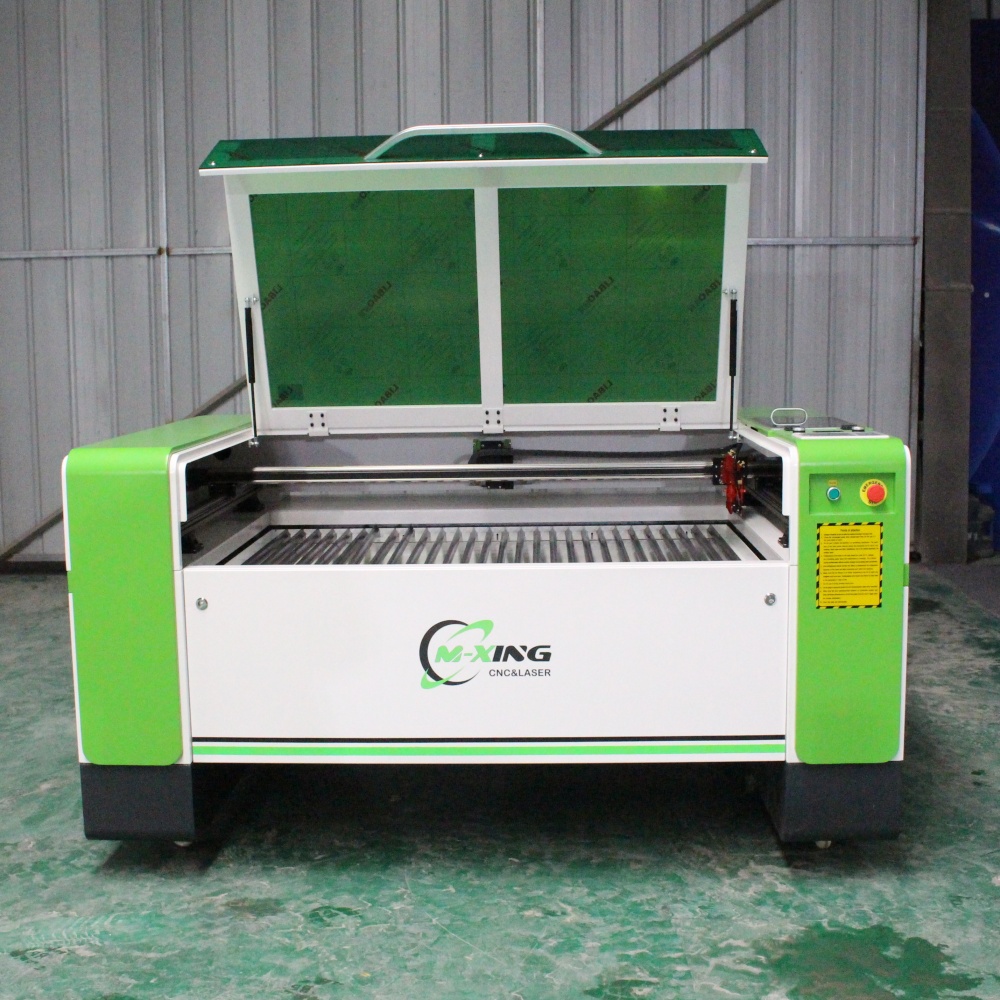
Choosing the right laser cutting machine is rarely as simple as picking the most powerful or most affordable option on the market. The right choice depends on what you make, what materials you process, the scale of your production, and how much versatility your workflow demands. This guide cuts through the noise and matches the main machine types to the businesses that will actually benefit from them — with a close look at what the 1325 CO2 format, as offered by Mingxing Laser, delivers for non-metal focused operations.
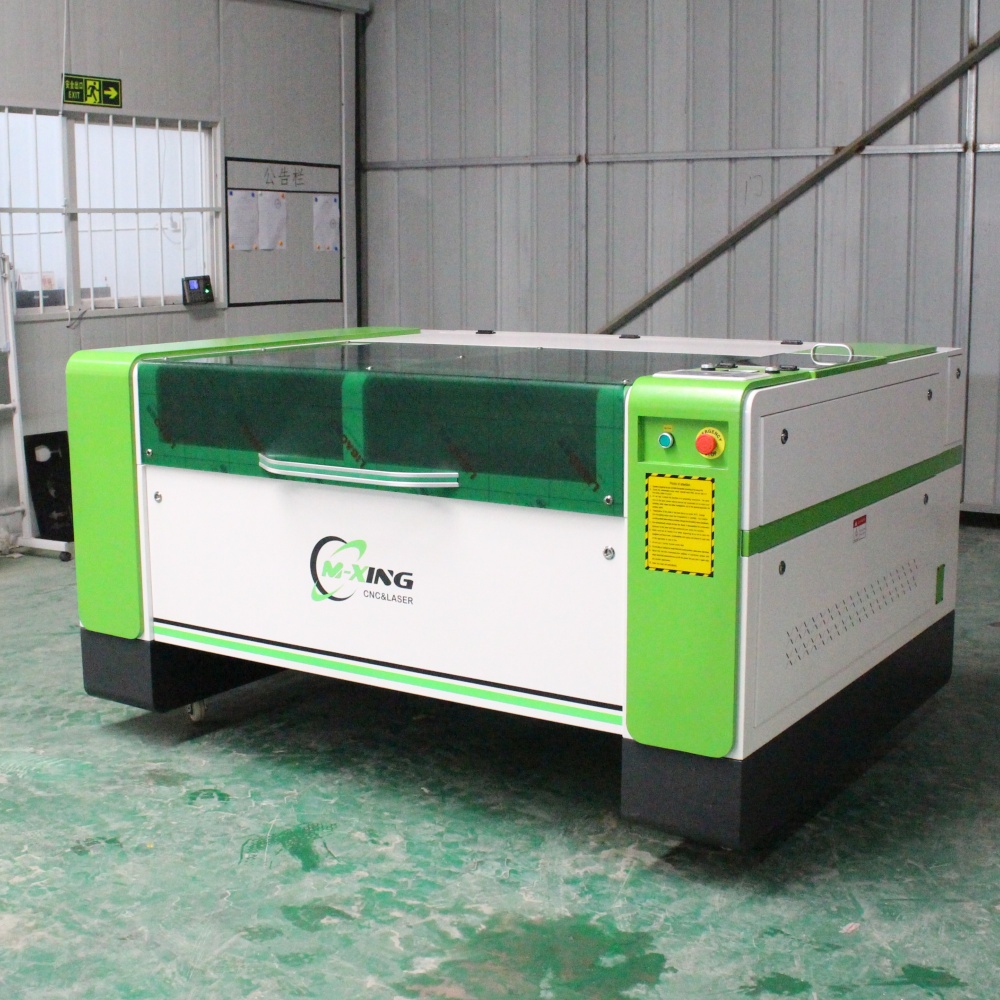
Understanding the Two Main Categories: CO2 vs Fiber
Before comparing individual machines, it helps to understand that most laser cutting machine options on the market fall into one of two technology families: CO2 and fiber. Each operates on a different wavelength and is engineered with a different primary use case in mind.
CO2 laser machines generate their beam through an electrically stimulated gas mixture and operate at a 10,640nm wavelength. This wavelength is highly absorbed by organic and non-metallic materials, which is why CO2 systems dominate in industries working with wood, acrylic, MDF, leather, fabric, paper, and similar substrates. The 1325 model from Mingxing Laser — available in 150W and 300W configurations — is a strong representative of this category, with a generous 1,300 × 2,500mm working area that accommodates full sheets of MDF and acrylic without requiring the material to be cut down first.
Fiber laser machines, by contrast, generate a 1,064nm beam through a doped fiber optic amplifier. This shorter wavelength is far more efficiently absorbed by metals, making fiber systems the preferred tool for steel, aluminum, copper, and brass fabrication. They are not effective on non-metallic materials and are typically positioned at a higher price point than comparable CO2 systems.
The decision between these two is, in most cases, straightforward: if your business cuts non-metals, CO2 is your category. If you cut metal sheet or tube, fiber is the appropriate technology.
Who the CO2 1325 Format Is Built For
The 1325 CO2 laser cutting machine is one of the most widely adopted formats in the industry, and for good reason. Its 1,300 × 2,500mm bed size matches the standard sheet dimensions used across advertising, signage, furniture, packaging, and craft manufacturing — meaning you can load a full sheet and process it without manual repositioning.
The Mingxing 1325 model is equipped with a high-speed DSP control system, supports dual-platform operation with both blade and honeycomb worktables, and uses a water-cooling system to protect the laser tube during extended production runs. The 150W configuration handles acrylic up to 20mm thick and wood up to 12mm cleanly, while the 300W variant extends those capabilities to 30mm acrylic and 20mm wood, with the additional ability to score thin metals including mild steel and stainless steel at shallow depths.
This machine is a practical fit for advertising and signage companies cutting acrylic lettering and display boards, woodworking and furniture workshops producing decorative panels and inlays, craft and gift manufacturers working with bamboo, MDF, and leather, and packaging or printing businesses that need clean die-cut results on paper and card stock.
Power Level Comparison: 150W vs 300W
| Specification | 150W Configuration | 300W Configuration |
|---|---|---|
| Max Acrylic Cutting Depth | 20 mm | 30 mm |
| Max Wood / MDF Cutting Depth | 12 mm | 20 mm |
| Thin Metal Scoring | Limited (surface only) | Light gauge carbon steel / stainless |
| Cutting Speed | Standard production | Higher throughput on thick material |
| Best For | Signage, crafts, light fabrication | Furniture, thick MDF, mixed production |
| Cooling System | Water cooling | Water cooling |
| Working Area | 1,300 × 2,500 mm | 1,300 × 2,500 mm |
Selecting between the two power options is largely a question of your typical material thickness. For businesses primarily cutting acrylic signage and thin wood, 150W provides clean results without the additional investment of the 300W system. For furniture makers and workshops regularly processing thick MDF boards or structural wood components, the 300W option pays back through faster cycle times and cleaner edges on heavier stock.
Control System and Software Compatibility
One of the practical strengths of the Mingxing 1325 platform is its use of the Ruida DSP control system, which is a widely supported, multilingual controller that works offline and supports simultaneous engraving and cutting operations. The controller is compatible with RDWorks software, which in turn accepts a broad range of design file formats including AI, DXF, PLT, BMP, JPG, PNG, and DWG.
This compatibility matters for day-to-day production because it means design files created in CorelDRAW, Adobe Illustrator, AutoCAD, or Photoshop can be imported and processed without conversion headaches. For small business environments where the operator may also be the designer, a smooth software workflow reduces friction and error significantly.
Industries and Applications at a Glance
The 1325 CO2 laser cutting machine from Mingxing is certified across a specific and well-defined range of applications. Businesses in the following sectors consistently get strong return from this format: advertising and sign-making studios, architectural model-making workshops, wedding and event stationery producers, leather goods manufacturers, arts and crafts suppliers, decoration and interior panel fabricators, and packaging and printing houses that require precision die-cut output.
It is worth being direct about what this machine is not designed for: high-volume metal sheet cutting, tube processing, or industrial metalwork. Those applications require a fiber laser system, and no amount of power adjustment on a CO2 platform will match a dedicated fiber machine for metal throughput and edge quality.
FAQ
Can the Mingxing 1325 CO2 laser cut metal? The 300W configuration can score and lightly cut thin mild steel and stainless steel, but this machine is fundamentally designed for non-metallic materials. For regular metal cutting in any meaningful thickness or volume, a dedicated fiber laser system is the more appropriate and cost-effective choice.
What is the working area of the 1325 model? The working area is 1,300 × 2,500mm, which corresponds to standard full-sheet dimensions for acrylic and MDF. This allows a full sheet to be processed in a single setup, which is a significant advantage for production efficiency compared to smaller bed formats.
What software does this laser cutting machine use? The machine runs on the Ruida DSP control system and uses RDWorks software, which supports over 15 languages and is compatible with file formats from CorelDRAW, AutoCAD, Adobe Illustrator, and Photoshop, among others.
How thick a material can the 150W version cut cleanly? The 150W configuration cuts acrylic up to 20mm and wood or MDF up to 12mm. For clean edge quality, staying within these recommended thresholds and ensuring proper focus and assist air pressure delivers the best results.
What kind of after-sales support does Mingxing Laser provide? Mingxing Laser offers 24-hour online technical support, remote guidance via Skype, WhatsApp, and other channels, consumable parts supply, and pre-shipment machine tuning with operation manuals and software installation media included with each unit.
Is this machine suitable for a small business or startup? Yes. The 1325 format is widely used by small to mid-size operations in signage, crafts, and light manufacturing. The combination of a large working area, accessible software, and dual worktable configuration makes it practical for varied production without requiring a dedicated technical team to operate.
Matching your business to the right laser cutting machine comes down to an honest assessment of your materials, your typical job sizes, and your production volume. The Mingxing 1325 CO2 platform is a well-proven choice for non-metal focused businesses that need a large working area, reliable performance, and flexible software integration — without the complexity and cost of industrial fiber systems.
