
 EN
EN

Manufacturing competitiveness increasingly depends on the precision, speed, and reliability of production equipment, making the decision to upgrade a cnc cutting machine one of the most consequential capital investments a facility can make. While older machines may still operate, incremental declines in accuracy, throughput, and maintenance costs often accumulate silently until they significantly erode profitability. Understanding the optimal timing for equipment replacement requires careful analysis of performance metrics, production demands, and total cost of ownership rather than waiting for catastrophic failure. Manufacturers who proactively assess upgrade indicators can avoid costly downtime, maintain quality standards, and position themselves strategically against competitors still relying on outdated technology.
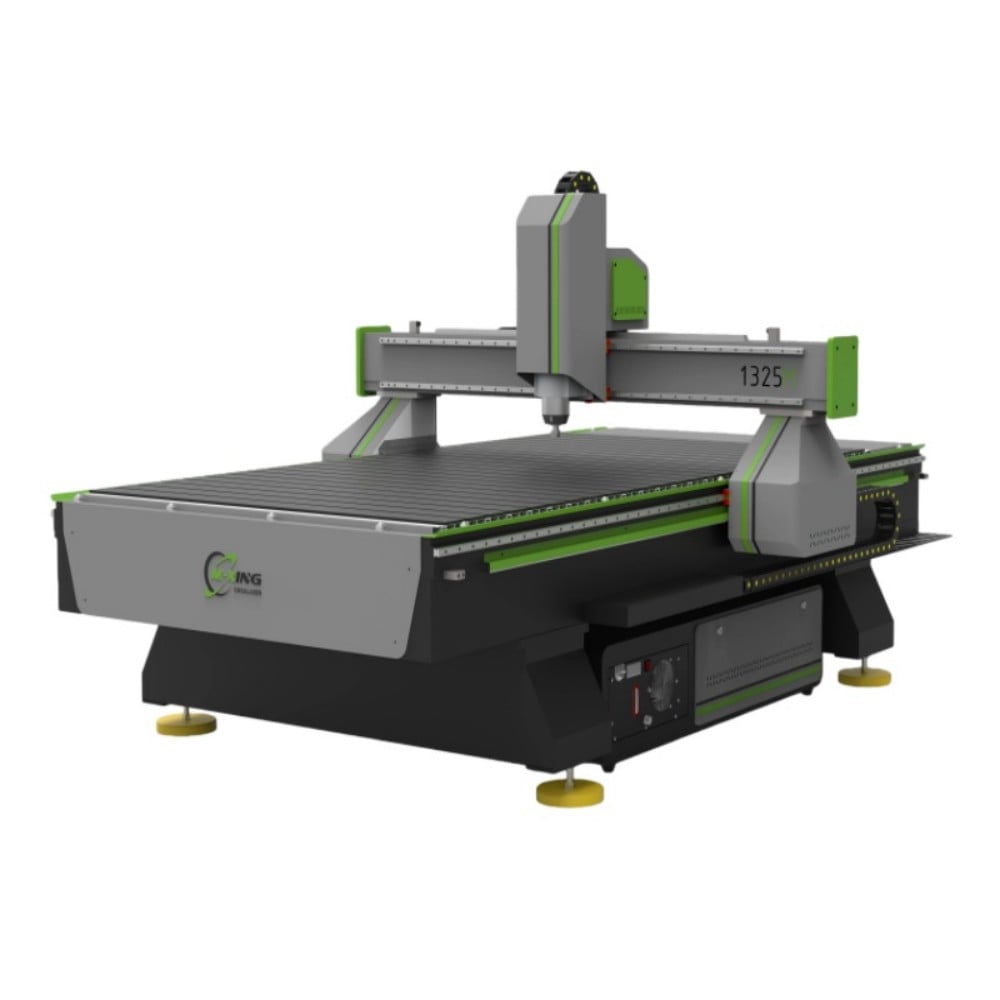
Recognizing the precise moment to upgrade involves monitoring multiple operational and financial signals that collectively indicate when current equipment can no longer support business objectives efficiently. Production managers face the challenge of balancing continued investment in maintenance against the strategic advantages of modern automation, software integration, and enhanced cutting capabilities. This decision becomes particularly critical when order volumes increase, product complexity grows, or quality rejection rates begin trending upward despite consistent maintenance schedules. The timing of upgrading a cnc cutting machine directly impacts manufacturing capacity, product quality consistency, labor efficiency, and ultimately the ability to fulfill customer commitments profitably and predictably.
Performance Degradation Indicators
Declining Accuracy and Precision
When dimensional tolerances begin to drift outside acceptable specification ranges despite regular calibration, this signals fundamental wear in critical machine components that may no longer justify repair costs. Older cnc cutting machine systems often experience gradual degradation in positioning accuracy due to worn ball screws, bearing play, or frame flexing under operational loads. Manufacturers should track dimensional inspection data systematically to identify trends showing increased variation in cut dimensions, edge quality, or hole positioning. If rework rates or scrap percentages increase even marginally over several months, the cumulative cost often exceeds the depreciated value of continuing with aging equipment.
Precision degradation manifests not only in dimensional accuracy but also in surface finish quality, with older machines producing rougher edges, visible tool marks, or inconsistent depth profiles. These quality issues become especially problematic when producing components for industries with stringent tolerances such as aerospace, medical devices, or precision electronics. Modern cnc cutting machine technology incorporates advanced feedback systems, thermal compensation algorithms, and rigid gantry designs that maintain micron-level accuracy across extended production runs. When quality control inspections reveal patterns of declining precision that cannot be resolved through standard maintenance, upgrade timing has likely arrived.
Increased Downtime and Maintenance Frequency
Escalating maintenance intervals and growing unscheduled downtime represent clear economic signals that equipment has entered the steep portion of its lifecycle cost curve. A cnc cutting machine requiring monthly service calls, frequent component replacements, or increasingly longer repair durations diverts both capital and technical resources away from productive activities. Maintenance logs should be analyzed to calculate mean time between failures and compare actual maintenance costs against original equipment projections. When annual maintenance expenditures approach or exceed thirty percent of replacement value, financial analysis typically favors upgrading to newer equipment with comprehensive warranty coverage and modern reliability engineering.
Beyond direct repair costs, downtime impacts cascade through production schedules, creating delayed deliveries, expedited shipping charges, and potential penalty clauses in customer contracts. Older machines often require specialized replacement parts with extended lead times, compounding the impact of each breakdown. Additionally, technicians familiar with legacy control systems become increasingly scarce as manufacturers discontinue support for outdated platforms. The total cost of ownership calculation must include these indirect costs, opportunity losses from reduced capacity, and the strategic risk of being unable to meet contractual obligations during critical production periods.
Inability to Process New Materials
Market evolution frequently demands working with advanced materials that exceed the capabilities of older cnc cutting machine systems, creating competitive disadvantages for manufacturers unable to adapt. Composite materials, hardened alloys, specialized plastics, and multi-layer substrates each present distinct cutting challenges requiring specific spindle speeds, torque characteristics, and cooling systems. Legacy equipment designed for traditional materials often lacks the power density, thermal management, or control sophistication necessary to process these materials efficiently. When customer specifications begin requiring materials your current equipment cannot handle properly, upgrade timing becomes strategically urgent rather than merely economically advantageous.
Modern cnc cutting machine designs incorporate variable frequency drives, high-torque spindles, and advanced toolpath optimization specifically engineered for contemporary material science developments. Attempting to force older machines to cut materials beyond their design parameters accelerates wear, increases tool breakage, and produces substandard edge quality. Manufacturers pursuing contracts in emerging sectors or attempting to diversify their customer base often discover that material capability gaps represent the most immediate barrier to growth, making equipment upgrade timing coincide directly with market opportunity windows.
Production Capacity Constraints
Throughput Limitations Affecting Order Fulfillment
When production backlogs consistently extend beyond acceptable lead times despite full equipment utilization, capacity constraints begin limiting revenue growth and customer satisfaction. An older cnc cutting machine operating at design capacity but producing half the parts per hour compared to modern equivalents creates a measurable economic disadvantage. Manufacturers should calculate actual cycle times, setup durations, and changeover periods then benchmark these metrics against current industry standards. Significant performance gaps indicate that upgrading could effectively double production capacity without requiring additional floor space or proportional labor increases.
Throughput limitations become particularly costly when manufacturers must decline orders or subcontract work to competitors due to capacity constraints. The opportunity cost of lost revenue combined with the strategic risk of customers establishing relationships with alternative suppliers often exceeds the capital investment required for equipment upgrade. Modern cnc cutting machine systems achieve higher throughput through faster rapid traverse rates, reduced acceleration/deceleration times, more efficient toolpath algorithms, and minimized non-cutting movements. When capacity analysis reveals that current equipment prevents accepting profitable work, upgrade timing directly correlates with strategic business growth objectives.
Inflexibility in Product Mix and Complexity
Manufacturing environments increasingly demand rapid changeovers between diverse product types, geometries, and material specifications that older machines handle inefficiently. A cnc cutting machine with limited tool storage, slow automatic tool changers, or primitive control systems requires extensive manual intervention for product transitions. This inflexibility manifests as extended setup times, increased programming complexity, and higher labor costs per part for small batch production. When customer demand shifts toward customized products, shorter production runs, or rapid prototyping requirements, equipment lacking modern flexibility becomes a bottleneck constraining business model adaptation.
Contemporary cnc cutting machine platforms incorporate automated tool management, parametric programming capabilities, and network connectivity enabling rapid job transitions with minimal operator intervention. The ability to switch between cutting wood, acrylic, aluminum, and composite materials within the same production shift requires sophisticated dust collection, variable cutting parameters, and intelligent material sensing. Manufacturers serving diverse industries or pursuing mass customization strategies find that older equipment designed for high-volume single-product runs cannot economically support the required flexibility, making upgrade timing coincide with business model evolution toward greater product diversity.
Technological Obsolescence Factors
Incompatibility with Modern Software Systems
Integration with contemporary manufacturing execution systems, computer-aided manufacturing software, and enterprise resource planning platforms becomes increasingly difficult as cnc cutting machine control systems age beyond vendor support lifecycles. Older machines operating on proprietary or outdated communication protocols cannot seamlessly exchange production data, limiting real-time monitoring, automated scheduling, and quality tracking capabilities. This technological isolation prevents manufacturers from implementing Industry 4.0 initiatives, predictive maintenance algorithms, or comprehensive production analytics that competitors leverage for continuous improvement.
Modern cnc cutting machine systems feature standardized network connectivity, cloud-compatible data interfaces, and open architecture controls that integrate directly with PLM, MES, and ERP platforms. The inability to automatically capture cycle times, tool wear patterns, energy consumption, and quality metrics represents a significant competitive disadvantage in data-driven manufacturing environments. When IT infrastructure upgrades cannot accommodate legacy equipment or when business intelligence initiatives exclude production equipment due to connectivity limitations, upgrade timing should coincide with digital transformation objectives to maximize return on both technology investments.
Lack of Advanced Automation Features
Labor costs constitute an increasing proportion of manufacturing expenses, making automation capabilities a critical factor in maintaining competitive pricing structures. Older cnc cutting machine models typically lack automated material handling, robotic loading systems, or conveyor integration that modern facilities use to reduce direct labor requirements. Manual material positioning, part removal, and quality inspection processes that older equipment necessitates create labor bottlenecks and limit lights-out manufacturing potential. When competitors achieve significantly lower labor costs per part through automated production cells, manufacturers with manually-intensive processes face price pressure that erodes margins.
Advanced cnc cutting machine platforms now incorporate vision systems for automated edge finding, vacuum tables with zone control for secure material holding, and integrated labeling systems for part identification. These automation features not only reduce labor costs but also minimize human error, improve consistency, and enable extended unmanned operation during second and third shifts. Manufacturers struggling to find skilled operators or facing rising labor costs should evaluate upgrade timing based on payback calculations showing how automation features offset investment through reduced staffing requirements and increased effective production hours.
Energy Efficiency and Operating Cost Differentials
Older cnc cutting machine systems generally consume substantially more electrical power while delivering less actual cutting performance compared to contemporary designs optimized for energy efficiency. Legacy machines often use outdated drive systems, inefficient cooling mechanisms, and continuous hydraulic pumps that operate regardless of actual cutting requirements. Energy audits comparing kilowatt-hour consumption per part between aging equipment and modern alternatives frequently reveal twenty to forty percent efficiency improvements. With energy costs representing a significant ongoing operational expense, the cumulative savings from more efficient equipment can substantially shorten payback periods.
Modern cnc cutting machine designs incorporate regenerative braking, variable speed drives, optimized vacuum systems, and intelligent power management that reduces electricity consumption during idle periods and non-cutting movements. Beyond direct energy savings, newer equipment often qualifies for utility rebates, tax incentives, or green manufacturing certifications that provide additional financial benefits. Environmental regulations increasingly penalize energy-intensive operations, making equipment efficiency both an economic consideration and a compliance factor. When utility costs analysis reveals that operational expense savings could fund a significant portion of equipment financing, upgrade timing becomes economically compelling independent of other performance factors.
Financial and Strategic Considerations
Total Cost of Ownership Analysis
Comprehensive financial evaluation must extend beyond initial purchase price to encompass maintenance costs, downtime losses, energy consumption, labor efficiency, and residual value across the complete equipment lifecycle. A thorough total cost of ownership calculation for a cnc cutting machine should project all expenses over a five to seven year period, including consumables, service contracts, insurance, and the opportunity cost of capacity constraints. Older machines may appear financially advantageous when evaluated solely on book value, but hidden costs accumulating through reduced productivity, higher reject rates, and increased maintenance often reverse this apparent advantage.
Financial modeling should incorporate realistic assumptions about production volume growth, product mix evolution, and competitive pricing pressure to determine whether current equipment can support projected business requirements. Many manufacturers discover that postponing upgrades creates a compounding disadvantage as competitors with newer equipment capture market share through superior pricing, faster delivery, or enhanced capabilities. The analysis should also consider financing options, tax depreciation benefits, and potential trade-in value of existing equipment. When total cost projections show that continuing with current equipment costs more over a three-year horizon than upgrading immediately, timing decisions become straightforward from a purely financial perspective.
Competitive Positioning and Market Requirements
Market competitiveness increasingly depends on demonstrating advanced manufacturing capabilities that reassure customers about quality consistency, delivery reliability, and technological sophistication. Customers conducting supplier audits frequently evaluate equipment age, automation levels, and quality control capabilities as indicators of manufacturing competence. Operating noticeably outdated cnc cutting machine systems can create perception problems that influence contract awards independent of actual production capabilities. Strategic upgrade timing often aligns with major customer qualification cycles, industry certification renewals, or competitive bid opportunities where demonstrating modern capabilities provides tangible advantages.
Certain industries impose specific equipment requirements or capability standards that older machines cannot meet, effectively excluding manufacturers from entire market segments. Aerospace suppliers, medical device manufacturers, and automotive tier suppliers often mandate specific control system versions, statistical process control integration, or traceability features that legacy equipment lacks. When market access depends on demonstrating particular technical capabilities, upgrade timing becomes strategically imperative rather than optional. The competitive analysis should identify whether equipment limitations are causing lost opportunities and quantify the revenue impact of being unable to pursue specific customer segments or application areas.
Availability of Capital and Financing Conditions
Optimal upgrade timing frequently depends on favorable financing conditions, equipment availability, and capital allocation priorities within the broader business context. Interest rates, equipment lease terms, and manufacturer incentive programs fluctuate significantly, creating windows where acquisition costs effectively decrease. Many cnc cutting machine manufacturers offer promotional financing, extended warranties, or bundled training during specific periods that substantially improve investment economics. Strategic timing should consider these external factors alongside internal operational indicators to maximize financial efficiency.
Capital availability considerations must balance equipment investment against competing priorities such as facility expansion, workforce development, or working capital requirements. Manufacturers should develop multi-year capital equipment plans that sequence investments according to strategic impact and operational necessity. When business conditions provide strong cash flow, favorable credit terms, or specific tax advantages for capital investment, advancing upgrade timing can provide long-term benefits even if immediate operational necessity appears modest. Conversely, during periods of market uncertainty or constrained capital access, extending existing equipment life through targeted maintenance investments may represent the prudent path until conditions improve.
Implementation and Transition Planning
Minimizing Production Disruption
Successfully upgrading a cnc cutting machine requires careful planning to maintain production continuity, fulfill customer commitments, and manage the learning curve associated with new equipment. Manufacturers should develop detailed transition schedules that account for equipment delivery lead times, installation requirements, operator training periods, and process validation before decommissioning existing machines. Running new equipment in parallel with legacy systems during the validation period minimizes risk while allowing gradual operator familiarization and process refinement. The transition plan should identify critical production periods when installation would be most disruptive and schedule implementation during lower-demand intervals.
Comprehensive operator training represents a critical success factor often underestimated in upgrade planning, particularly when transitioning to significantly more sophisticated control systems or automation features. Modern cnc cutting machine platforms offer capabilities that require understanding advanced programming techniques, diagnostic procedures, and maintenance protocols substantially different from older equipment. Allocating adequate time and resources for training ensures operators can fully utilize new capabilities rather than operating advanced equipment in simplified modes that fail to realize productivity improvements. The implementation plan should also address tooling standardization, fixture adaptation, and program migration to ensure seamless continuation of existing production alongside exploration of enhanced capabilities.
Technology Selection and Vendor Evaluation
Selecting appropriate replacement equipment requires systematic evaluation of technical specifications, vendor support capabilities, and alignment with long-term production strategies. A cnc cutting machine purchase should be based on detailed requirements analysis encompassing material types, part sizes, production volumes, accuracy requirements, and integration needs rather than simply replacing existing equipment with equivalent specifications. Technology has advanced substantially even over five-year periods, making thorough market research essential to avoid inadvertently selecting equipment that while newer, still lacks capabilities competitors are already deploying.
Vendor evaluation should extend beyond equipment specifications to assess service network quality, spare parts availability, control system longevity, and the manufacturer's financial stability and market presence. Long-term support quality often matters more than modest specification differences or initial price variations. Manufacturers should request customer references, conduct site visits to existing installations, and evaluate training program quality before finalizing equipment selection. The decision process should also consider whether standardizing on particular control systems, drive technologies, or software platforms across multiple machines provides operational advantages through common spare parts inventory, interchangeable operator skills, and simplified programming procedures.
FAQ
How do I calculate the remaining useful life of my current cnc cutting machine?
Remaining useful life calculation should combine multiple factors including equipment age relative to typical industry lifecycles, cumulative operating hours compared to manufacturer design specifications, maintenance history trends showing increasing failure frequency, and performance metrics demonstrating declining accuracy or throughput. Conduct a comprehensive assessment examining structural components for wear, control system obsolescence relative to vendor support timelines, and availability of replacement parts. Compare current performance against original specifications and industry benchmarks to determine functional degradation percentage. Most industrial cnc cutting machine systems reach economic obsolescence between ten and fifteen years depending on utilization intensity and maintenance quality, though technological obsolescence often occurs earlier when integration requirements or capability gaps emerge.
Can upgrading just the control system extend my cnc cutting machine lifespan effectively?
Control system retrofits can provide meaningful life extension for mechanically sound machines whose primary limitations involve software capabilities, connectivity, or user interface obsolescence rather than fundamental structural or motion system degradation. This approach works best when the existing frame, drive systems, and motion components remain within specification but the control platform prevents integration with modern software or lacks required features. However, control retrofits rarely address underlying mechanical wear, precision degradation, or power system limitations. Comprehensive evaluation should determine whether mechanical refurbishment costs combined with control upgrade investment approaches or exceeds the cost of complete equipment replacement. In many cases, partial upgrades provide temporary relief but delay inevitable replacement while failing to capture the full productivity and capability improvements modern integrated systems deliver.
What performance metrics should I track to identify optimal upgrade timing?
Establish systematic monitoring of dimensional accuracy through statistical process control, tracking tolerance drift over time across representative part features. Document cycle time trends comparing actual production rates against historical baselines and equipment specifications. Maintain detailed maintenance logs recording repair frequency, parts costs, and downtime duration to calculate mean time between failures and total maintenance expense as percentage of replacement value. Monitor quality metrics including scrap rates, rework percentages, and customer rejection trends. Track energy consumption per operating hour to identify efficiency degradation. Calculate overall equipment effectiveness combining availability, performance, and quality factors into a single metric revealing total productivity trends. When multiple metrics show consistent negative trends despite maintenance efforts, or when OEE falls below seventy percent, equipment has likely reached the point where upgrade timing should be seriously evaluated.
Should I upgrade proactively or wait until equipment failure forces replacement?
Proactive upgrade strategies consistently deliver superior financial and operational outcomes compared to reactive replacement following catastrophic failure. Planned upgrades allow optimizing timing around production schedules, capital availability, and vendor incentive programs while emergency replacements force accepting whatever equipment is immediately available regardless of specifications or pricing. Proactive approaches enable parallel operation during transition, comprehensive training, and process validation before decommissioning existing equipment. Emergency replacements typically incur premium pricing, expedited delivery charges, and extended production disruptions while customers experience delivery delays. Additionally, proactive upgrading enables trading in or selling existing equipment while it retains residual value rather than scrapping failed machines. Financial modeling consistently shows that upgrading when equipment reaches seventy to eighty percent of expected lifecycle provides optimal balance between maximizing existing investment and avoiding the escalating costs and risks of operating beyond economic service life.
Table of Contents
- Performance Degradation Indicators
- Production Capacity Constraints
- Technological Obsolescence Factors
- Financial and Strategic Considerations
- Implementation and Transition Planning
-
FAQ
- How do I calculate the remaining useful life of my current cnc cutting machine?
- Can upgrading just the control system extend my cnc cutting machine lifespan effectively?
- What performance metrics should I track to identify optimal upgrade timing?
- Should I upgrade proactively or wait until equipment failure forces replacement?
