 EN
EN
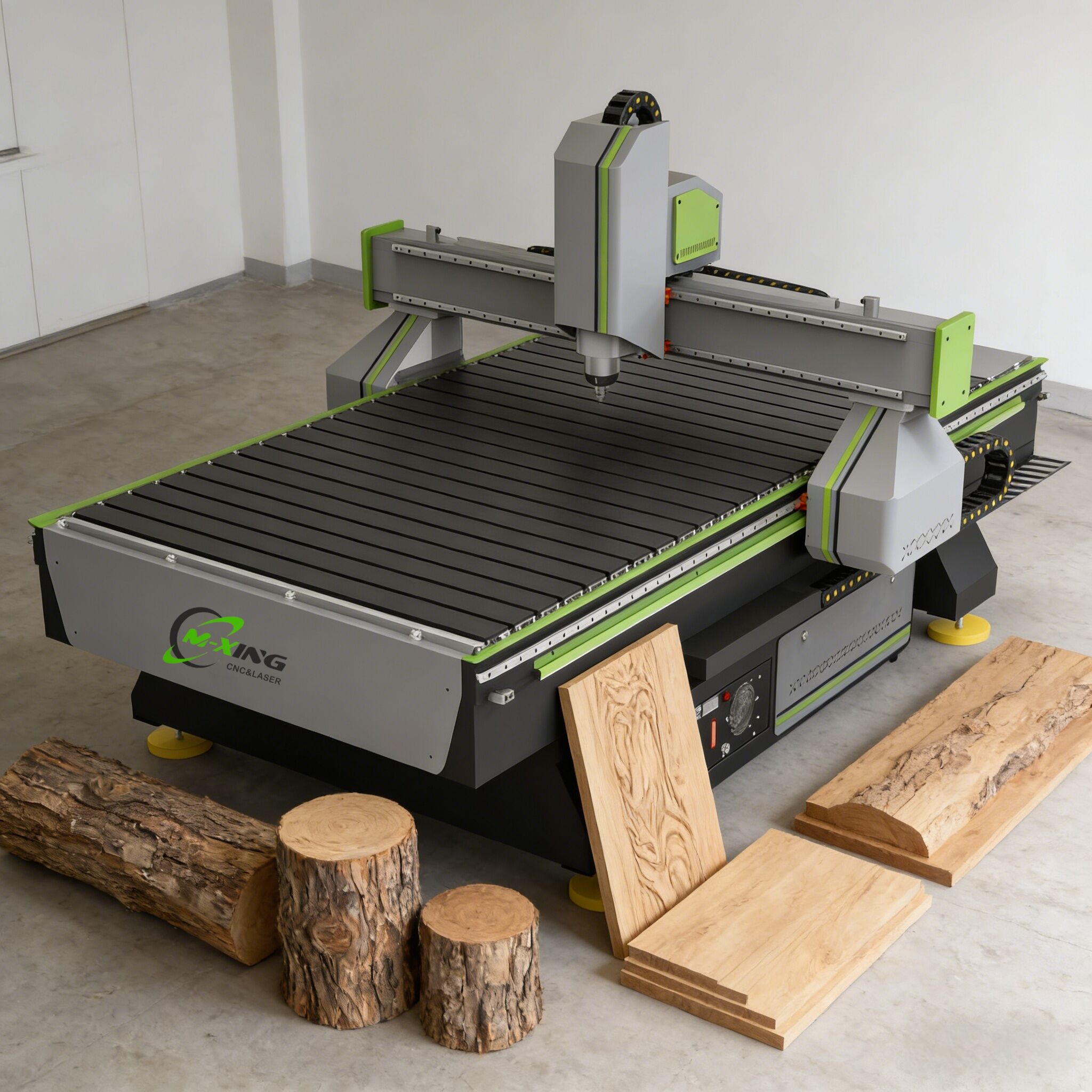
CNC cutting machine technology has revolutionized modern manufacturing by introducing unprecedented precision, efficiency, and automation capabilities to production processes. These advanced systems utilize computer-controlled mechanisms to execute cutting operations with remarkable accuracy, eliminating human error while significantly increasing throughput rates across diverse manufacturing sectors.
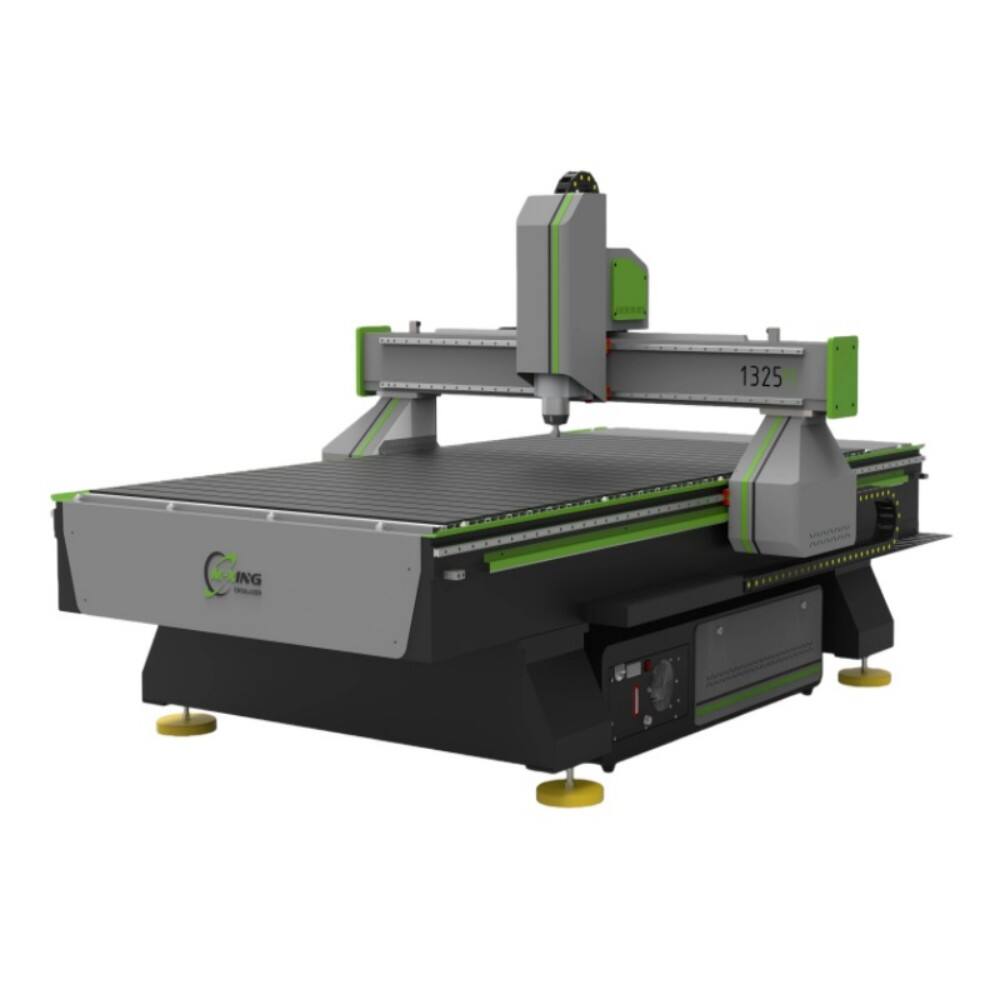
The transformative impact of CNC cutting machine systems extends far beyond simple automation, fundamentally changing how manufacturers approach design complexity, material utilization, and production scalability. From automotive components to aerospace parts, furniture manufacturing to electronic enclosures, these sophisticated machines deliver consistent results that traditional cutting methods simply cannot match in terms of repeatability and dimensional accuracy.
Enhanced Precision and Quality Control
Dimensional Accuracy Advantages
CNC cutting machine technology delivers exceptional dimensional accuracy that surpasses traditional manual cutting methods by orders of magnitude. Modern systems achieve tolerances as tight as ±0.001 inches, ensuring that every part meets exact specifications consistently across large production runs. This level of precision eliminates the variability inherent in manual operations, where operator skill and fatigue can significantly impact quality outcomes.
The computer-controlled nature of CNC cutting machine operations means that once a program is validated, it will produce identical results indefinitely. This consistency proves invaluable for manufacturers producing critical components where dimensional variations can lead to assembly problems, performance issues, or safety concerns. Industries such as medical device manufacturing, aerospace, and precision instrumentation rely heavily on this capability.
Advanced CNC cutting machine systems incorporate real-time monitoring and feedback mechanisms that continuously verify cutting parameters and make micro-adjustments as needed. These intelligent systems can detect tool wear, material variations, and environmental changes, automatically compensating to maintain optimal cutting conditions throughout the production process.
Surface Finish Quality
The controlled cutting environment provided by CNC cutting machine technology results in superior surface finish quality compared to conventional cutting methods. Computer-controlled feed rates, spindle speeds, and tool paths eliminate the irregular marks and inconsistencies associated with manual operations, producing smooth, uniform surfaces that often require minimal or no secondary finishing operations.
This improved surface quality translates directly into cost savings and improved product performance. Manufacturers can reduce or eliminate expensive finishing processes such as grinding, polishing, or deburring, while achieving better fit and finish characteristics that enhance product aesthetics and functionality. The consistent surface quality also improves coating adhesion and reduces assembly friction in moving parts.
Operational Efficiency and Productivity Gains
Automated Production Capabilities
CNC cutting machine systems excel at running unattended operations, allowing manufacturers to maximize equipment utilization and extend productive hours beyond traditional work shifts. Once properly programmed and set up, these machines can operate continuously with minimal supervision, producing parts around the clock while maintaining consistent quality standards.
The automation capabilities of modern CNC cutting machine technology include automatic tool changes, part positioning, and material handling integration. These features minimize setup times between jobs and reduce the manual labor required for production operations. Manufacturers report productivity increases of 30-50% when transitioning from conventional cutting methods to CNC systems.
Advanced CNC cutting machine installations can integrate with robotic loading systems, conveyor networks, and automated storage solutions to create fully lights-out manufacturing cells. These integrated systems can process hundreds of parts with minimal human intervention, dramatically improving throughput while reducing labor costs and the potential for human error.
Reduced Setup and Changeover Times
Modern CNC cutting machine systems significantly reduce the time required for job changeovers compared to conventional cutting equipment. Digital program storage and recall capabilities mean that switching between different part programs requires only minutes rather than hours of manual setup and adjustment. This flexibility enables manufacturers to respond quickly to changing production requirements and customer demands.
The standardized tooling and work holding systems used in CNC cutting machine operations further streamline changeover processes. Preset tooling systems allow operators to prepare cutting tools offline while the machine continues production, minimizing downtime when switching between jobs. Quick-change work holding fixtures enable rapid part positioning and clamping without complex manual adjustments.
Material Utilization and Waste Reduction
Optimized Cutting Patterns
CNC cutting machine technology enables sophisticated nesting and optimization algorithms that maximize material utilization while minimizing waste. Computer-aided manufacturing software can analyze part geometries and automatically arrange components on raw material sheets to achieve optimal material usage, often improving yield rates by 15-25% compared to manual layout methods.
The precise control offered by CNC cutting machine systems allows for tighter spacing between parts and more efficient use of remnant materials. Advanced nesting software considers cutting tool paths, lead-in requirements, and material grain direction to create optimized cutting patterns that reduce both material waste and machining time.
Manufacturers using cnc cutting machine systems for sheet metal fabrication, woodworking, and composite manufacturing report significant reductions in material costs through improved utilization rates and reduced scrap generation. These savings compound over time, contributing substantially to improved profitability and environmental sustainability.
Consistent Kerf Management
CNC cutting machine operations maintain consistent kerf widths throughout the cutting process, enabling more accurate material calculations and tighter part nesting. Unlike manual cutting methods where kerf width can vary based on operator technique and tool condition, computer-controlled systems maintain predetermined cutting parameters that ensure uniform material removal.
This consistency in kerf management allows manufacturers to plan material usage more accurately and reduce safety margins traditionally built into manual cutting operations. The predictable nature of CNC cutting machine processes enables lean manufacturing approaches with reduced inventory requirements and improved cash flow management.
Scalability and Production Flexibility
Rapid Prototyping and Design Iteration
CNC cutting machine technology facilitates rapid prototyping capabilities that accelerate product development cycles and reduce time-to-market for new products. Engineers can quickly translate digital designs into physical prototypes without the need for expensive tooling or extensive setup procedures, enabling faster design validation and iteration.
The programmable nature of CNC cutting machine systems means that design modifications can be implemented immediately through software changes rather than requiring physical tool modifications or operator retraining. This flexibility proves invaluable during product development phases where design changes are frequent and rapid feedback is essential.
Manufacturers utilizing CNC cutting machine technology for prototyping report significant reductions in development costs and timeline compression of 40-60% compared to traditional prototyping methods. This advantage becomes particularly pronounced when working with complex geometries or exotic materials that would be difficult or expensive to cut using conventional methods.
Scalable Production Volumes
CNC cutting machine systems provide exceptional scalability, efficiently handling production volumes ranging from single prototypes to high-volume manufacturing runs without requiring significant process changes. The same program and setup procedures work effectively whether producing one part or one thousand parts, providing manufacturers with unprecedented flexibility in meeting varying customer demands.
This scalability advantage allows manufacturers to accept orders of varying sizes without the economic penalties typically associated with low-volume production. CNC cutting machine operations eliminate many of the fixed costs associated with traditional manufacturing methods, making small-batch production economically viable while maintaining the efficiency needed for high-volume runs.
Cost Reduction and Return on Investment
Labor Cost Optimization
CNC cutting machine technology significantly reduces labor requirements for cutting operations while simultaneously improving output quality and consistency. A single operator can typically oversee multiple CNC cutting machine systems simultaneously, dramatically improving labor productivity compared to conventional cutting methods that require dedicated operators for each machine.
The skill requirements for CNC cutting machine operators, while specialized, are more standardized and trainable than the craftsmanship required for manual cutting operations. This standardization reduces dependency on highly skilled manual operators and provides more predictable labor costs and scheduling flexibility.
Advanced CNC cutting machine installations with automated material handling and part removal systems can operate with minimal supervision, further reducing direct labor costs while enabling extended operating hours. These systems often pay for themselves through labor savings alone within 18-24 months of installation.
Quality-Related Cost Savings
The superior quality and consistency achieved through CNC cutting machine operations translate into substantial cost savings through reduced scrap rates, rework requirements, and customer returns. The elimination of human variability in critical cutting operations dramatically reduces quality-related costs that can significantly impact profitability in traditional manufacturing environments.
CNC cutting machine systems also reduce inspection requirements through their inherent process capability and statistical process control integration. The consistent nature of computer-controlled operations enables statistical sampling approaches rather than 100% inspection, reducing quality control costs while maintaining or improving quality assurance levels.
FAQ
What types of materials can CNC cutting machines process effectively?
CNC cutting machines can process a wide variety of materials including metals (steel, aluminum, stainless steel, titanium), plastics, composites, wood products, foam, rubber, and advanced materials like carbon fiber. The specific material compatibility depends on the cutting method employed, such as plasma, laser, waterjet, or mechanical cutting tools.
How long does it typically take to see return on investment from CNC cutting machine implementation?
Most manufacturers see return on investment from CNC cutting machine systems within 12-36 months, depending on production volume, labor costs, and material savings achieved. Higher-volume operations typically see faster payback periods due to increased labor productivity and reduced per-part costs, while lower-volume operations benefit more from improved quality and reduced setup times.
What training requirements exist for CNC cutting machine operators?
CNC cutting machine operators typically require 40-120 hours of initial training covering machine operation, programming basics, safety procedures, and quality control methods. The exact training duration depends on the complexity of the system and the operator's prior experience with manufacturing equipment. Most manufacturers provide ongoing training to keep operators current with software updates and advanced techniques.
Can CNC cutting machines integrate with existing manufacturing systems and workflows?
Modern CNC cutting machines offer extensive integration capabilities with existing manufacturing execution systems, enterprise resource planning software, and computer-aided design platforms. These systems can automatically receive job orders, download cutting programs, and report production status in real-time, seamlessly fitting into established manufacturing workflows and quality management systems.
Table of Contents
- Enhanced Precision and Quality Control
- Operational Efficiency and Productivity Gains
- Material Utilization and Waste Reduction
- Scalability and Production Flexibility
- Cost Reduction and Return on Investment
-
FAQ
- What types of materials can CNC cutting machines process effectively?
- How long does it typically take to see return on investment from CNC cutting machine implementation?
- What training requirements exist for CNC cutting machine operators?
- Can CNC cutting machines integrate with existing manufacturing systems and workflows?