
 EN
EN
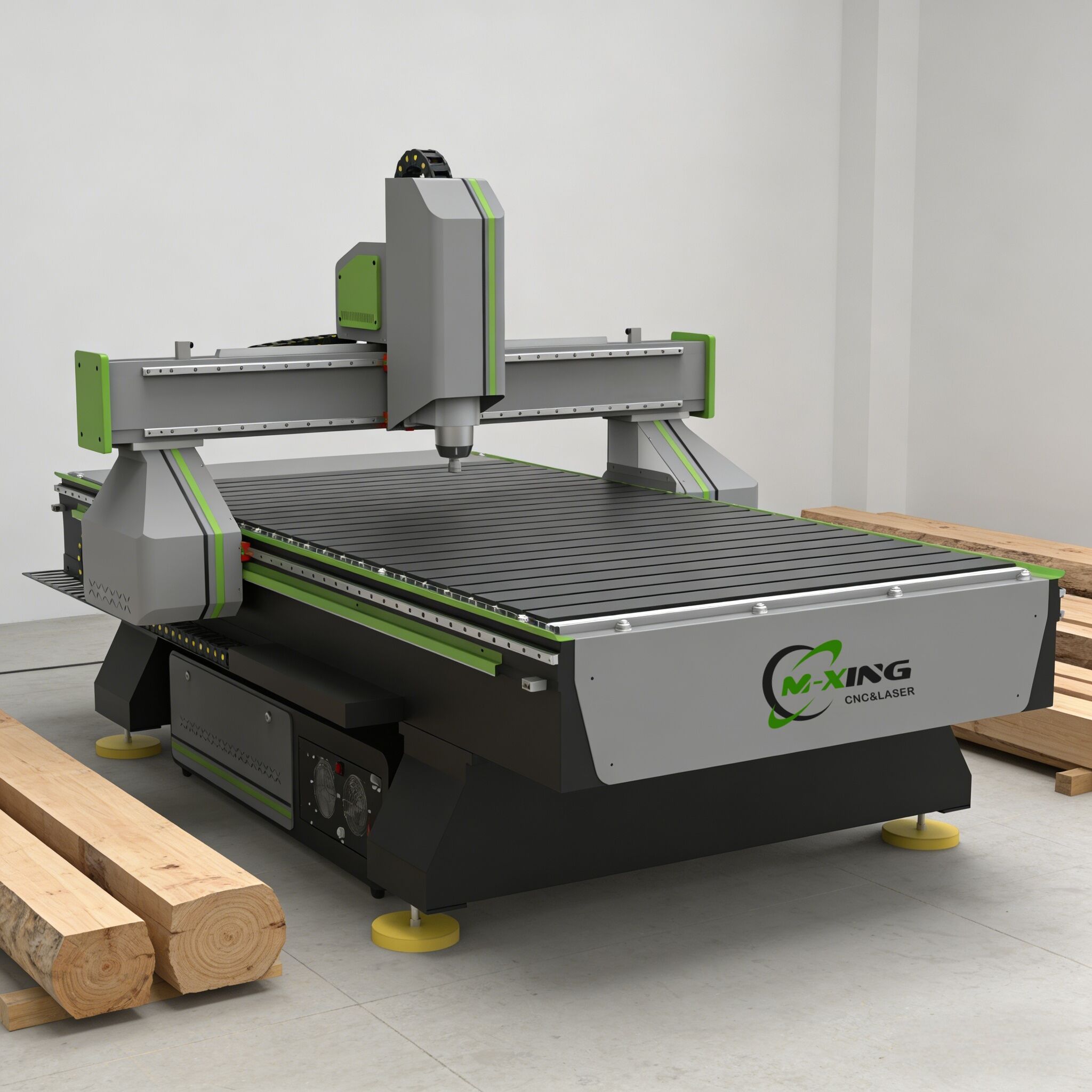
As manufacturing technology continues to evolve rapidly, determining what makes a cnc router worth purchasing in 2026 requires careful evaluation of emerging capabilities, technological advancements, and changing industrial demands. The modern cnc router market has transformed significantly, with new features, enhanced precision, and improved automation capabilities that directly impact return on investment for businesses across various sectors.
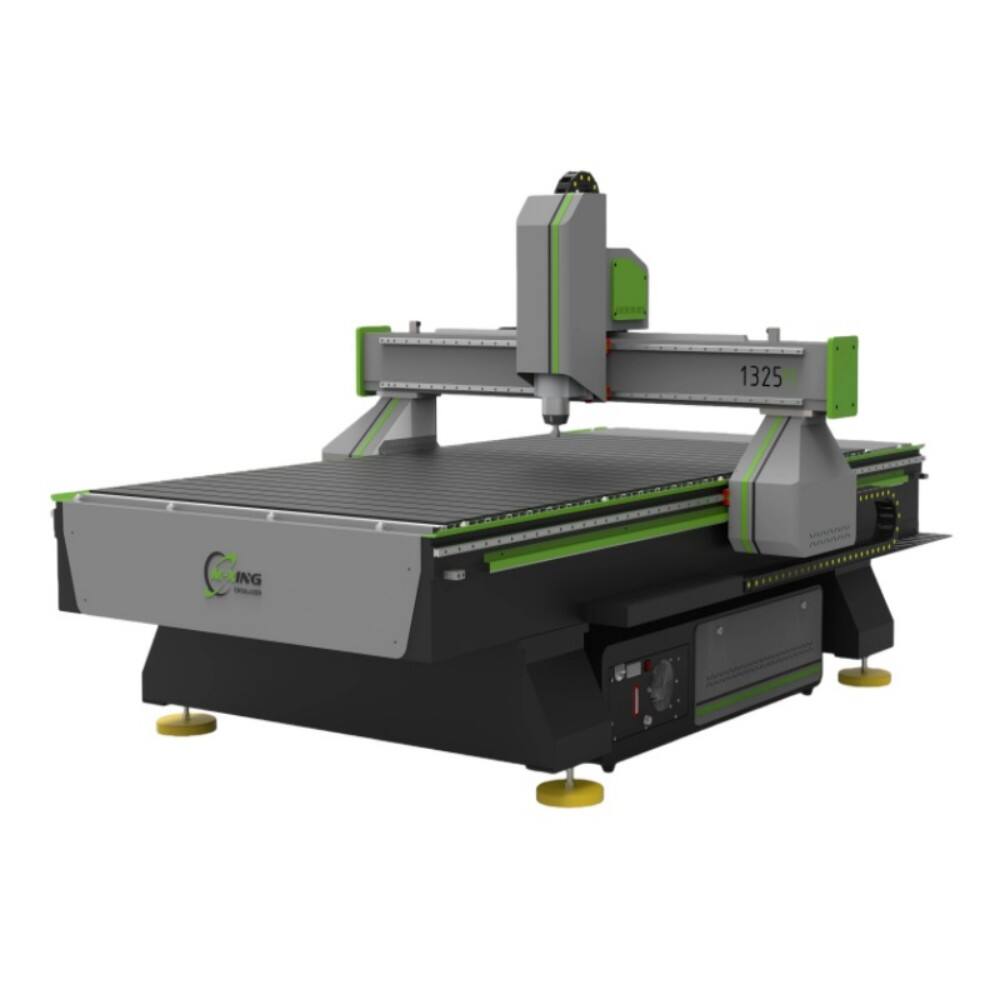
The value proposition of a cnc router in 2026 extends far beyond basic cutting and engraving capabilities. Today's worthwhile systems integrate advanced control software, predictive maintenance features, energy efficiency improvements, and compatibility with Industry 4.0 protocols that enable seamless integration into smart manufacturing environments. Understanding these value drivers helps businesses make informed decisions about which cnc router configurations deliver the strongest long-term benefits.
Advanced Control Systems and Precision Engineering
Next-Generation Motion Control Technology
The most valuable cnc router systems in 2026 incorporate sophisticated motion control algorithms that deliver unprecedented precision and repeatability. Modern servo motors with integrated encoders provide closed-loop feedback systems that maintain accuracy within micron tolerances, even during extended production runs. These advanced control systems automatically compensate for mechanical wear, temperature fluctuations, and material variations that could affect cutting quality.
High-performance cnc router controllers now feature multi-core processors capable of executing complex toolpath calculations in real-time while simultaneously monitoring dozens of system parameters. This computational power enables smooth acceleration and deceleration profiles that minimize vibration and extend tool life, ultimately reducing operating costs and improving surface finish quality across diverse materials.
The integration of artificial intelligence within cnc router control systems represents a significant advancement that makes these machines worth the investment. AI-powered adaptive machining algorithms analyze cutting forces, spindle load, and material response to automatically optimize feed rates, spindle speeds, and cutting depths for maximum efficiency and quality output.
Enhanced Spindle Technology and Tool Management
Premium cnc router systems feature high-frequency spindles with advanced bearing systems that maintain consistent performance across extended operational periods. These spindles incorporate automatic tool changing capabilities with tool length measurement systems that eliminate manual setup time and reduce the potential for human error during production changeovers.
Modern tool management systems track tool usage, monitor wear patterns, and predict replacement schedules to prevent unexpected tool failures that could damage workpieces or interrupt production schedules. The most valuable cnc router configurations include tool libraries with barcode scanning and RFID tracking that automatically load appropriate cutting parameters based on tool identification.
Variable frequency drive technology in contemporary cnc router spindles provides precise speed control across the entire operating range, enabling optimal cutting conditions for different materials and applications. This capability is particularly valuable when processing composite materials, exotic woods, or advanced plastics that require specific spindle speeds for optimal results.
Automation Integration and Production Efficiency
Smart Manufacturing Connectivity
A cnc router worth buying in 2026 must seamlessly integrate with existing manufacturing execution systems and enterprise resource planning software. Modern machines feature Ethernet connectivity, cloud-based monitoring capabilities, and standardized communication protocols that enable real-time production tracking and remote diagnostics.
Advanced cnc router systems provide comprehensive data logging capabilities that track machine utilization, cycle times, tool usage, and quality metrics. This information enables manufacturers to identify bottlenecks, optimize production schedules, and implement predictive maintenance strategies that minimize unplanned downtime.
The most valuable systems include mobile device compatibility that allows operators and managers to monitor machine status, receive alerts, and access production data from anywhere within the facility. This connectivity enhances responsiveness to production issues and enables faster decision-making when adjusting manufacturing schedules or priorities.
Automated Material Handling and Workflow Optimization
Contemporary cnc router systems incorporate sophisticated material handling solutions that reduce manual labor requirements and improve production consistency. Automated loading systems, vacuum hold-down tables with zone control, and integrated part removal mechanisms minimize operator intervention while maintaining high throughput rates.
Nesting software integration allows the cnc router to automatically optimize material usage by arranging multiple parts within sheet goods to minimize waste. Advanced systems include remnant tracking capabilities that maintain databases of available material pieces for future projects, further improving material utilization efficiency.
Dust collection and chip evacuation systems have evolved significantly, with intelligent suction control that adjusts vacuum levels based on cutting operations and material types. Effective debris management not only improves cut quality but also extends tool life and reduces maintenance requirements, contributing to the overall value proposition of modern cnc router systems.
Material Versatility and Application Flexibility
Multi-Material Processing Capabilities
The most worthwhile cnc router investments in 2026 offer exceptional versatility in material processing capabilities. Modern systems handle traditional materials like wood, MDF, and plywood while also processing advanced composites, aluminum sheet goods, plastics, and foam materials with equal precision and efficiency.
Advanced cnc router configurations include material-specific cutting libraries that automatically adjust parameters based on workpiece identification systems. Optical sensors and material recognition software eliminate guesswork in parameter selection, ensuring optimal results regardless of operator experience level.
The ability to process mixed materials within single projects adds significant value for manufacturers serving diverse markets. Contemporary cnc router systems maintain consistent quality standards whether cutting intricate wood inlays, machining aluminum components, or shaping plastic enclosures, making them suitable for prototyping and production environments.
Scalable Production Capabilities
Valuable cnc router systems provide scalability options that allow manufacturers to expand capabilities as business requirements evolve. Modular designs enable the addition of extra spindles, extended work areas, or specialized tooling systems without requiring complete machine replacement.
Modern cnc router platforms support multiple fixture systems and workholding solutions that accommodate various project sizes and production volumes. Quick-change fixturing systems minimize setup times when transitioning between different product lines or customer requirements.
The most forward-thinking cnc router manufacturers offer upgrade paths that incorporate emerging technologies as they become available. This future-proofing approach protects the initial investment while ensuring continued competitiveness as manufacturing requirements evolve.
Energy Efficiency and Environmental Considerations
Power Management and Consumption Optimization
Energy efficiency has become a critical factor in determining cnc router value, with utility costs representing a significant portion of operational expenses. Modern systems incorporate regenerative braking systems that capture energy during deceleration phases and feed it back into the electrical grid, reducing overall power consumption.
Smart power management systems automatically adjust energy consumption based on operational requirements, shutting down non-essential systems during idle periods while maintaining readiness for immediate production restart. These features can reduce energy costs by twenty to thirty percent compared to conventional cnc router designs.
Variable frequency drives and high-efficiency motors work together to optimize power usage across different cutting operations. The most advanced cnc router systems provide real-time energy monitoring that helps operators identify opportunities for further efficiency improvements and track the environmental impact of manufacturing operations.
Sustainable Manufacturing Features
Contemporary cnc router systems incorporate design features that support sustainable manufacturing practices and regulatory compliance. Advanced dust collection systems with filtration capabilities ensure clean air discharge while recovering valuable material for recycling or reuse applications.
Precision cutting capabilities minimize material waste, while advanced nesting algorithms maximize yield from sheet goods and reduce the overall environmental footprint of manufacturing operations. These efficiency improvements translate directly into cost savings that improve the return on investment for cnc router purchases.
The most environmentally conscious cnc router designs utilize recyclable materials in construction and incorporate features that facilitate end-of-life recycling. Manufacturers increasingly value equipment suppliers who demonstrate commitment to sustainable practices throughout the product lifecycle.
Return on Investment and Total Cost of Ownership
Financial Performance Metrics
Evaluating cnc router worth requires comprehensive analysis of total cost of ownership rather than focusing solely on initial purchase price. Modern systems deliver value through reduced labor costs, improved material utilization, enhanced quality consistency, and decreased maintenance requirements that collectively impact profitability.
The most valuable cnc router investments provide clear payback periods through quantifiable improvements in production efficiency, reduced scrap rates, and enhanced capability to serve premium market segments. Advanced systems enable manufacturers to accept projects that were previously outsourced, capturing additional profit margins.
Financing options and lease programs make high-performance cnc router systems accessible to smaller manufacturers who might otherwise be unable to justify the capital investment. These arrangements often include maintenance packages and upgrade options that further improve the value proposition.
Maintenance and Support Considerations
The most worthwhile cnc router purchases include comprehensive support packages that minimize downtime and ensure consistent performance throughout the equipment lifecycle. Predictive maintenance capabilities reduce unexpected failures while extending component life through optimal operating practices.
Remote diagnostic capabilities enable support technicians to identify and resolve issues quickly, often without requiring on-site visits. This responsiveness is particularly valuable for manufacturers operating in remote locations or requiring 24/7 production capabilities.
Training programs and ongoing education opportunities ensure operators can fully utilize cnc router capabilities while maintaining safety standards. The most valuable equipment suppliers provide comprehensive training materials, simulation software, and certification programs that maximize the return on equipment investment.
FAQ
What is the typical payback period for a cnc router investment in 2026?
The payback period for a cnc router typically ranges from 12 to 36 months, depending on utilization rates, material costs savings, and labor reduction benefits. High-volume manufacturers often see payback within 18 months through improved efficiency and reduced outsourcing costs, while smaller operations may require 24 to 36 months to realize full return on investment.
How do modern cnc router systems justify their higher initial costs?
Modern cnc router systems justify higher costs through advanced automation features, improved precision, reduced maintenance requirements, and enhanced energy efficiency. These systems typically reduce operating costs by 20-40% compared to basic models while providing superior quality output and greater production flexibility that enables access to premium market segments.
What maintenance requirements should be expected with a 2026 cnc router purchase?
Contemporary cnc router systems require minimal routine maintenance due to advanced bearing systems, automatic lubrication, and predictive monitoring capabilities. Typical maintenance includes weekly cleaning, monthly calibration checks, and quarterly spindle servicing. Most systems provide 2000+ hours of operation between major maintenance intervals, significantly reducing downtime compared to older equipment generations.
Can a cnc router handle multiple materials without requiring significant setup changes?
Yes, modern cnc router systems excel at multi-material processing through automated parameter libraries, tool recognition systems, and adaptive cutting algorithms. Material changeovers typically require only tool changes and fixture adjustments, with the control system automatically loading appropriate cutting parameters. This versatility makes cnc router systems particularly valuable for job shops and manufacturers serving diverse markets.
Table of Contents
- Advanced Control Systems and Precision Engineering
- Automation Integration and Production Efficiency
- Material Versatility and Application Flexibility
- Energy Efficiency and Environmental Considerations
- Return on Investment and Total Cost of Ownership
-
FAQ
- What is the typical payback period for a cnc router investment in 2026?
- How do modern cnc router systems justify their higher initial costs?
- What maintenance requirements should be expected with a 2026 cnc router purchase?
- Can a cnc router handle multiple materials without requiring significant setup changes?