
 EN
EN
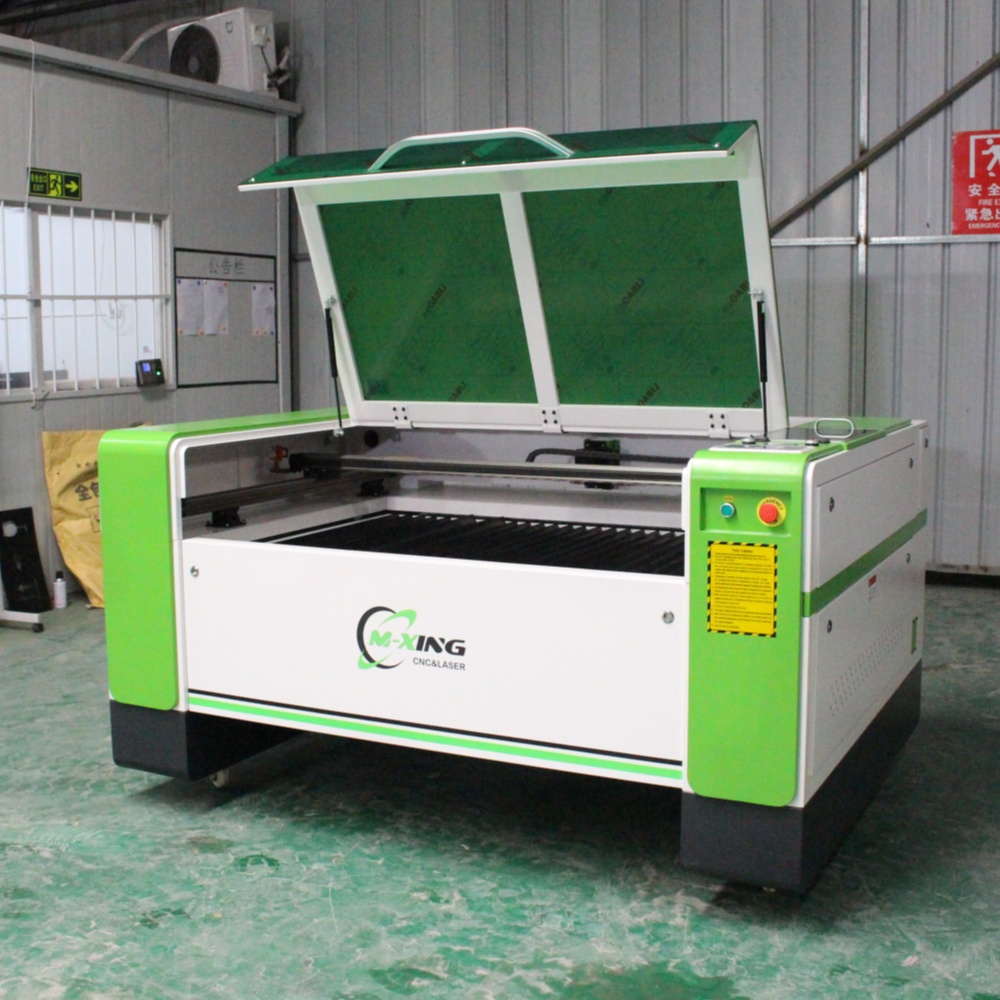
When selecting a tool for wood engraving and cutting, professionals and hobbyists alike face a wide range of options, from mechanical routers to chemical etching. Yet the co2 laser engraver for wood consistently stands out as the preferred choice across industries. Understanding why requires a close look at how this technology compares to traditional and alternative methods in real working conditions.
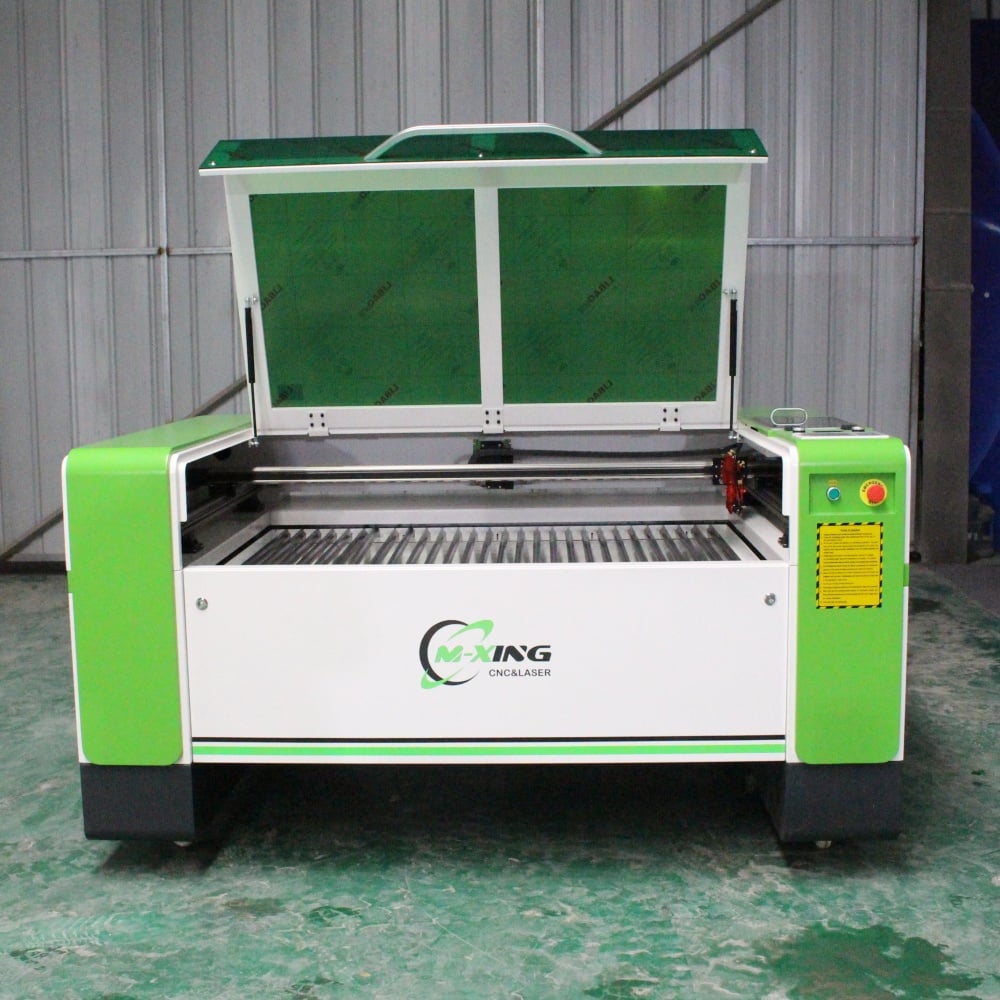
The co2 laser engraver for wood uses an infrared laser beam generated through a carbon dioxide gas medium to vaporize wood material with exceptional control. This non-contact process eliminates mechanical stress on the workpiece, preserves fine wood grain, and enables complex designs that would be nearly impossible to achieve with conventional tools. As demand for precision craftsmanship grows, the co2 laser engraver for wood has become a cornerstone technology in workshops, manufacturing floors, and creative studios worldwide.
Precision and Detail That Other Methods Cannot Match
Micron-Level Accuracy on Natural Wood
The co2 laser engraver for wood delivers engraving resolution that mechanical tools simply cannot replicate. A CNC router uses a spinning bit that physically removes material, which introduces vibration, bit deflection, and edge roughness at tight tolerances. The co2 laser engraver for wood, by contrast, focuses a beam to a spot size as small as 0.1 mm, allowing intricate lettering, detailed portraits, and fine decorative patterns to be reproduced consistently across production runs. This level of accuracy is critical for personalized gifts, signage, and architectural woodwork.
Consistency Across Repeated Jobs
Repeatability is a major advantage of the co2 laser engraver for wood. Once a design file is set, the co2 laser engraver for wood reproduces the same result on every piece without operator-dependent variation. Mechanical methods such as hand routing or stamp burning depend heavily on operator skill and physical tool wear. The co2 laser engraver for wood maintains its beam characteristics over thousands of cycles, making it ideal for batch production where uniformity is non-negotiable. Businesses that rely on consistent output find the co2 laser engraver for wood reduces rework and material waste significantly.
Speed, Versatility, and Workflow Efficiency
Processing Speed Compared to Traditional Methods
One of the clearest reasons to choose a co2 laser engraver for wood is processing speed. Chemical etching on wood requires masking, applying agents, waiting for reactions, and cleanup — a multi-hour process for complex designs. The co2 laser engraver for wood completes the same design digitally in minutes. Even compared to a CNC router, the co2 laser engraver for wood handles intricate fills and fine line work faster because there is no need for multiple tool passes or bit changes. In commercial environments where throughput directly affects revenue, the co2 laser engraver for wood delivers a measurable competitive advantage.
Multi-Material Flexibility on the Same Platform
The co2 laser engraver for wood is not limited to solid timber alone. The same co2 laser engraver for wood machine handles plywood, MDF, bamboo, veneer, cork, and even acrylic or leather with parameter adjustments. This versatility means a single co2 laser engraver for wood investment supports a diverse product catalog. Workshops do not need separate machines for different substrate types, which reduces capital expenditure and floor space requirements. The co2 laser engraver for wood adapts to new materials as a business evolves, making it a future-proof tool for growing operations.
Clean Results, Low Maintenance, and Operational Safety
Non-Contact Processing Preserves Wood Integrity
Because the co2 laser engraver for wood never physically touches the workpiece, it eliminates the risk of mechanical damage, surface scratches, and material distortion caused by clamping pressure or bit contact. Delicate wood pieces, thin veneers, and fragile assembled components can be engraved with the co2 laser engraver for wood without fixturing stress. This is a significant advantage over sandblasting or mechanical carving, both of which can damage surface finishes and require additional post-processing to restore quality. The co2 laser engraver for wood leaves clean edges that often require no sanding or finishing.
Simplified Maintenance and Long-Term Reliability
Compared to CNC routers that require regular bit replacement, spindle servicing, and chip management, the co2 laser engraver for wood has fewer consumable components. The laser tube, mirrors, and focusing lens are the primary maintenance points, and with proper care, the co2 laser engraver for wood delivers thousands of operating hours before major service is needed. Fume extraction is the primary operational requirement, and modern co2 laser engraver for wood systems integrate exhaust and filtration as standard features. This lower maintenance burden translates directly to reduced operating costs and higher machine availability.
FAQ
Is a co2 laser engraver for wood suitable for thick hardwood cutting?
Yes, the co2 laser engraver for wood can cut through hardwood, though cutting depth depends on machine wattage. Higher-power co2 laser engraver for wood systems, typically 80W to 150W, handle thicker hardwood slabs effectively. For very thick stock above 20 mm, multiple passes may be required, but the co2 laser engraver for wood still delivers cleaner cut edges than many mechanical alternatives.
How does the co2 laser engraver for wood compare to a diode laser for wood projects?
A diode laser can engrave wood at the hobbyist level, but the co2 laser engraver for wood offers superior beam quality, faster engraving speeds, and better cutting performance on thicker material. The co2 laser engraver for wood also produces finer detail and more consistent results across a wider range of wood species and finishes, making it the preferred choice for professional and production-scale work.
What file formats does a co2 laser engraver for wood typically support?
Most co2 laser engraver for wood systems support common vector and raster formats including SVG, DXF, AI, BMP, PNG, and JPG. This compatibility allows designers to work in standard software and send jobs directly to the co2 laser engraver for wood without complex file conversion. Many co2 laser engraver for wood controllers also include built-in design tools for simple jobs, making the workflow highly accessible for new users.
