
 EN
EN
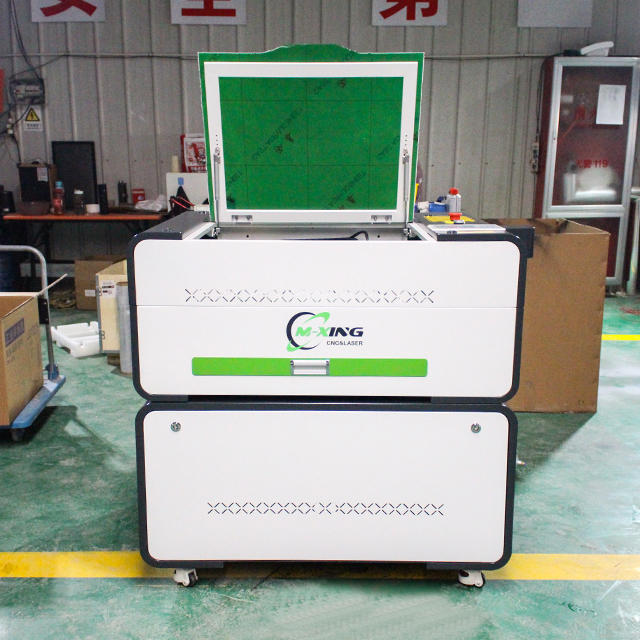
Choosing between a CO2 and a fiber laser cutter is one of the most consequential equipment decisions a fabrication shop, manufacturer, or industrial buyer will face. The two technologies share the same fundamental principle — using a focused beam of light to cut through material — but they diverge sharply in terms of wavelength, efficiency, material compatibility, operating cost, and long-term return on investment. Making the wrong choice can mean years of suboptimal throughput, excessive maintenance costs, or an inability to process the materials your customers actually need.
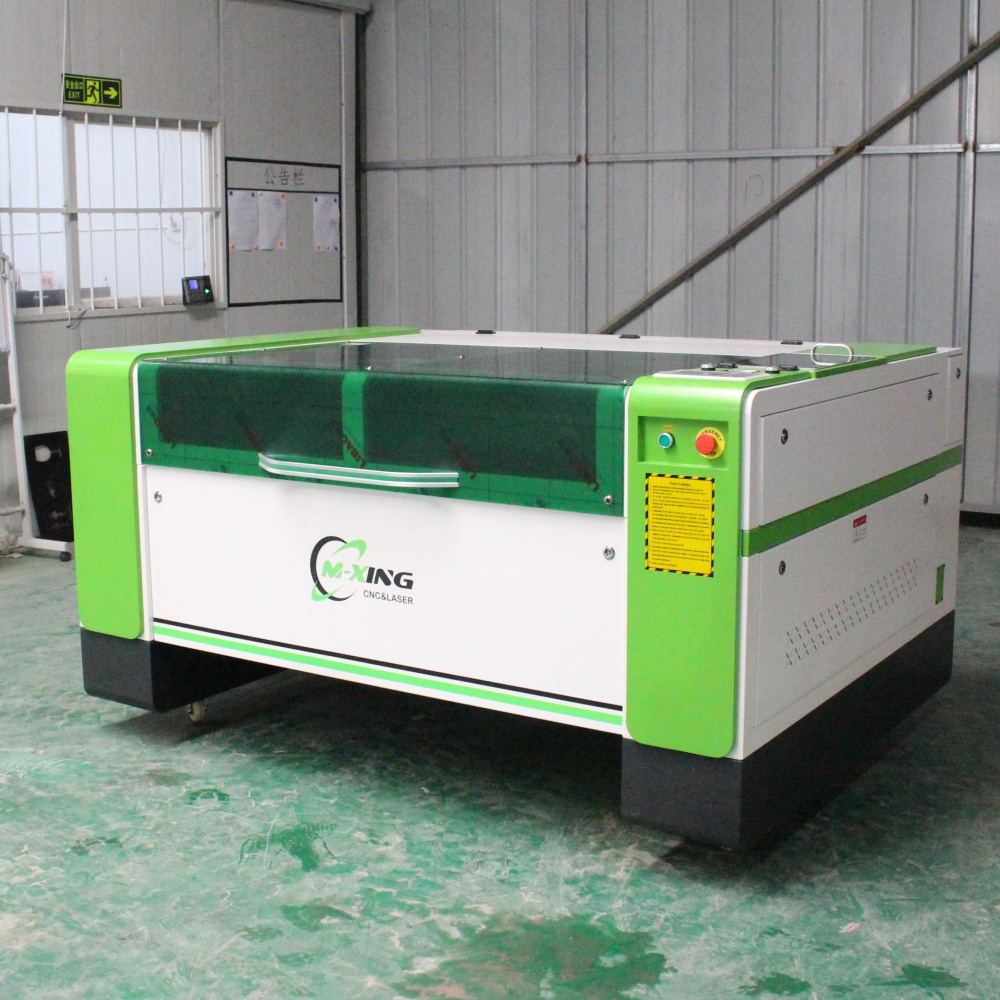
This article is designed to help you make that decision with clarity. Rather than offering a generic technology overview, it walks through the specific conditions, material requirements, production volumes, and business contexts that make one laser cutter type a better fit than the other. Whether you are setting up a new production line, upgrading aging equipment, or expanding into new material categories, understanding when each technology is the right call will save you significant time and capital.
Understanding the Core Technology Difference
How CO2 Laser Cutters Generate and Deliver Their Beam
A CO2 laser cutter generates its beam by exciting a gas mixture — primarily carbon dioxide — using electrical discharge. The resulting beam operates at a wavelength of around 10.6 micrometers, which places it in the far-infrared spectrum. This wavelength is highly absorbed by organic and non-metallic materials, which is precisely why CO2 systems have dominated industries like signage, woodworking, acrylic fabrication, and textile cutting for decades.
The beam in a CO2 laser cutter is delivered through a series of mirrors and a focusing lens. This reflective beam path requires regular alignment and is sensitive to contamination, which contributes to higher maintenance demands compared to fiber systems. The resonator itself — the gas tube — has a finite lifespan and must eventually be replaced or recharged, adding a predictable but significant long-term cost to ownership.
Despite these maintenance considerations, CO2 technology remains highly capable for its target applications. The beam quality on thick non-metallic materials is difficult to match, and the cut edge finish on materials like wood, acrylic, and leather is often smoother than what a fiber laser cutter can achieve on the same substrates.
How Fiber Laser Cutters Work and Why They Excel on Metal
A fiber laser cutter generates its beam by passing light through a doped optical fiber, typically using ytterbium as the active medium. The resulting wavelength is approximately 1.06 micrometers — roughly ten times shorter than a CO2 beam. This shorter wavelength is far more readily absorbed by metals, which is the foundational reason fiber systems have become the dominant laser cutter technology in metal fabrication over the past decade.
Because the beam is delivered through a flexible fiber optic cable rather than a mirror-based path, fiber laser cutters require significantly less optical alignment and maintenance. There is no gas tube to replace, no mirror cleaning schedule to maintain, and the overall system architecture is more robust in demanding industrial environments. Wall-plug efficiency is also substantially higher — fiber systems typically convert electrical energy to laser output at two to three times the efficiency of CO2 systems.
On reflective metals like copper, brass, and aluminum, the fiber laser cutter's shorter wavelength provides a decisive advantage. CO2 beams are largely reflected by these surfaces, making cutting difficult and potentially damaging to the optics. Fiber systems cut through these materials cleanly and at high speed, opening up application categories that are simply not viable with CO2 technology.
When CO2 Is the Right Laser Cutter for Your Application
Non-Metallic and Organic Material Processing
If your primary production involves non-metallic materials — wood, MDF, acrylic, rubber, foam, fabric, leather, or paper — a CO2 laser cutter is almost always the more appropriate choice. The 10.6-micrometer wavelength is optimally absorbed by these materials, producing clean cuts, smooth edges, and precise engraving without the charring or rough finish that can occur when using a fiber system on the same substrates.
For industries like custom signage, architectural model making, furniture manufacturing, and promotional product fabrication, the CO2 laser cutter has decades of proven performance. The ability to engrave as well as cut — and to do so with fine detail on organic surfaces — makes it a versatile workhorse for shops that deal primarily in non-metal materials.
Thin non-metallic materials in particular benefit from CO2 processing. Acrylic sheets, for example, achieve a flame-polished edge quality when cut with a CO2 laser cutter that is highly valued in display and retail fixture manufacturing. This edge quality is a direct result of the wavelength interaction with the material and is not replicable with a fiber system.
Mixed-Material Shops with Limited Metal Volume
A CO2 laser cutter can cut thin mild steel and stainless steel when equipped with an assist gas system, though it does so less efficiently than a fiber system on the same gauges. For shops that process predominantly non-metallic materials but occasionally need to cut thin sheet metal, a CO2 system may offer sufficient metal-cutting capability without requiring a second machine investment.
The decision threshold here is volume and thickness. If metal cutting represents a small fraction of your workload and you are working with gauges under approximately 3mm, a CO2 laser cutter may handle the full range of your production needs. Once metal volume grows or thickness requirements increase, the efficiency gap with fiber technology becomes too large to ignore.
When Fiber Is the Right Laser Cutter for Your Application
High-Volume Metal Fabrication
For any operation where metal cutting is the primary or significant secondary activity, a fiber laser cutter is the correct choice in virtually every scenario. The speed advantage over CO2 on metals is substantial — fiber systems can cut thin sheet metal at speeds several times faster than equivalent-wattage CO2 machines. This translates directly into higher throughput, lower cost per part, and greater capacity utilization.
As material thickness increases, the fiber laser cutter's advantage becomes even more pronounced. High-power fiber systems — in the 6kW, 10kW, 15kW, and higher ranges — can cut through thick structural steel, stainless, and aluminum at speeds and quality levels that CO2 technology cannot approach. For job shops, contract manufacturers, and OEM fabricators working with a broad range of metal gauges, fiber is the only technology that scales effectively.
Operating cost is another decisive factor. The higher wall-plug efficiency of a fiber laser cutter means lower electricity consumption per unit of output. Combined with the elimination of gas tube replacement costs and reduced optical maintenance, the total cost of ownership over a five-to-ten-year horizon is substantially lower than a comparable CO2 system used for metal cutting.
Reflective Metals and Specialty Alloys
Copper, brass, and aluminum are highly reflective at the CO2 wavelength, making them problematic — and in some cases dangerous — to process with a CO2 laser cutter. The reflected energy can damage the machine's optics and resonator. Fiber technology, with its shorter wavelength, is absorbed efficiently by these materials, enabling clean, high-speed cutting without the reflectivity risk.
For manufacturers working in HVAC, electrical components, decorative metalwork, or precision engineering where copper and brass are common materials, a fiber laser cutter is not just preferable — it is essentially mandatory. Attempting to process these materials on a CO2 system is a reliability and safety concern that no production environment should accept.
Specialty alloys used in aerospace, medical device manufacturing, and automotive applications also tend to respond better to fiber processing. The precision, speed, and heat-affected zone characteristics of a fiber laser cutter align well with the tight tolerances and material integrity requirements of these industries.
Decision Factors Beyond Material Type
Production Volume and Shift Utilization
Even when material type points toward one technology, production volume can shift the calculus. A low-volume custom shop cutting acrylic and wood may find that a CO2 laser cutter meets all its needs comfortably. But a high-volume operation cutting the same materials on multiple shifts may find that the faster processing speeds and lower downtime of a modern fiber laser cutter — even on non-metallic materials — justify the investment.
Fiber laser cutters have expanded their non-metal capabilities in recent years, and some configurations can process certain non-metallic materials adequately. However, for most non-metal applications, CO2 remains the benchmark for quality. The volume question is really about whether the operational advantages of fiber — uptime, efficiency, lower maintenance interruptions — outweigh the edge quality advantage of CO2 for your specific production context.
Total Cost of Ownership Over the Equipment Lifecycle
Purchase price is only one component of the laser cutter investment decision. Maintenance costs, consumable costs, energy consumption, and expected uptime all factor into the true cost of ownership. CO2 systems typically have higher ongoing maintenance costs due to the gas tube lifecycle, mirror alignment requirements, and more complex optical path. Fiber systems have a higher initial price point in many configurations but lower ongoing costs.
For a metal-focused operation running a laser cutter on two or three shifts, the energy savings alone from switching to fiber can be significant over a five-year period. Factoring in reduced maintenance labor and consumable costs, the total cost of ownership calculation often favors fiber even when the upfront capital outlay is higher. Buyers should model both scenarios over a realistic equipment lifecycle before making a final decision.
Resale value and technology longevity are also worth considering. Fiber laser cutter technology has seen rapid advancement and strong market adoption, which supports healthy resale values and a robust ecosystem of service providers, spare parts, and software integration options. This ecosystem maturity reduces long-term operational risk for buyers committing to fiber technology.
FAQ
Can a fiber laser cutter replace a CO2 laser cutter for all applications?
Not entirely. A fiber laser cutter excels on metals and is the clear choice for metal fabrication, but it does not replicate the edge quality that a CO2 system achieves on materials like acrylic, wood, and leather. For shops working exclusively or primarily with non-metallic materials, a CO2 laser cutter remains the more appropriate tool. Mixed-material operations may need to evaluate whether one technology can cover enough of their workload or whether two machines are justified.
What thickness of metal can a CO2 laser cutter handle compared to fiber?
A CO2 laser cutter can cut mild steel up to approximately 20–25mm with sufficient power, but it does so at slower speeds and higher operating costs than a fiber system. On thin sheet metal under 3mm, the speed gap between CO2 and fiber is already significant. As thickness increases, fiber's advantage grows further. For most metal fabrication applications, fiber is the more efficient and cost-effective laser cutter choice across the full thickness range.
Is a fiber laser cutter more expensive to purchase than a CO2 system?
Entry-level CO2 laser cutter systems can be less expensive upfront, particularly for smaller format machines used in craft and light industrial applications. However, industrial-grade fiber laser cutter systems have become increasingly competitive in price as the technology has matured. When total cost of ownership is considered — including energy, maintenance, and consumables over the equipment lifecycle — fiber systems often prove more economical for metal-focused operations despite a potentially higher initial investment.
How do I decide if my shop needs a CO2 or fiber laser cutter?
Start with your material mix. If more than 50% of your cutting volume involves metals, a fiber laser cutter is almost certainly the right choice. If your work is predominantly non-metallic, CO2 is likely the better fit. Then factor in production volume, shift utilization, and your five-year cost of ownership projection. For operations on the boundary — cutting both metals and non-metals in significant volumes — consulting with a laser cutter specialist to model both scenarios against your actual production data is the most reliable path to a sound decision.
