 EN
EN
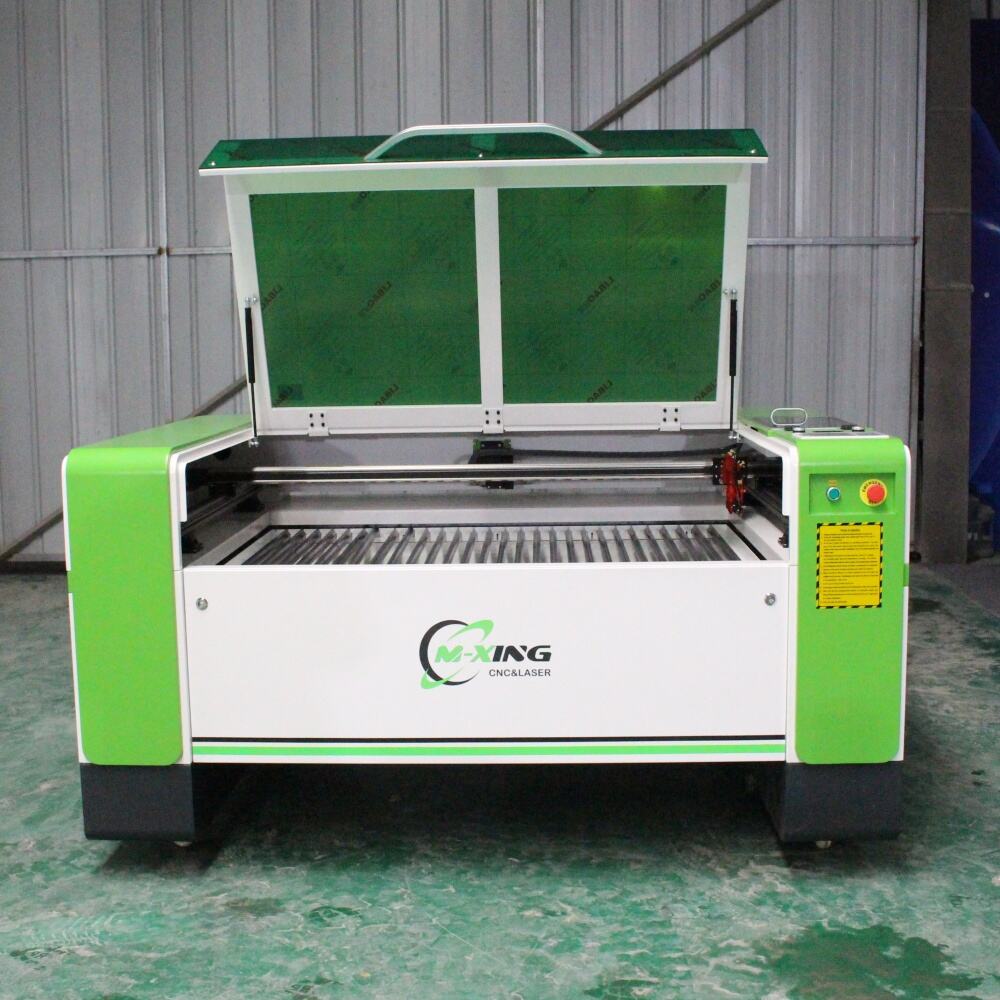
Deciding when to invest in a laser cutting machine requires careful evaluation of business conditions, market trends, and operational readiness. The year 2026 presents unique timing considerations shaped by evolving technology standards, fluctuating equipment costs, and changing manufacturing demands. Understanding the optimal acquisition window can mean the difference between capitalizing on competitive advantages and missing critical growth opportunities. This decision involves analyzing production volume thresholds, technological maturity cycles, and financial positioning to ensure your investment delivers maximum return while avoiding premature or delayed purchases that could impact profitability.
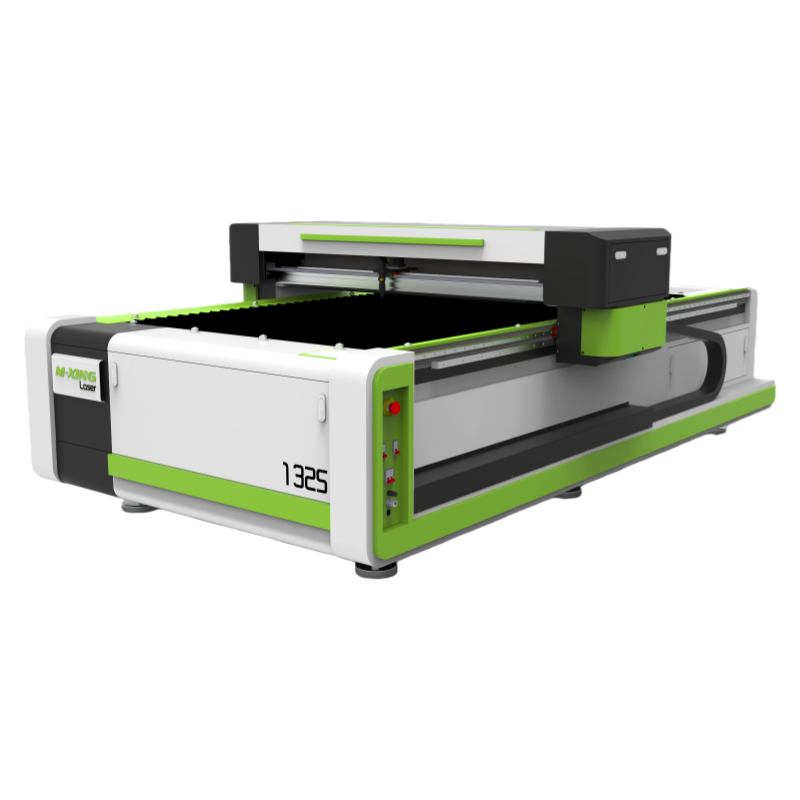
The timing of your laser cutting machine purchase in 2026 hinges on several converging factors including production scalability needs, budget cycles, technological advancement phases, and market positioning strategies. Companies that align their acquisition timing with these strategic triggers typically achieve faster ROI realization and smoother integration into existing workflows. Whether you operate in signage fabrication, prototype development, metal processing, or custom manufacturing, recognizing the right procurement moment requires understanding both internal readiness indicators and external market conditions that will define the industrial landscape throughout 2026.
Understanding Production Volume Triggers for Acquisition
Calculating Your Outsourcing Cost Threshold
The most fundamental timing indicator for purchasing a laser cutting machine involves reaching a critical threshold where outsourcing costs exceed ownership economics. When your monthly subcontracting expenses for cutting services consistently surpass the combined monthly equipment payment, maintenance, and operational costs, you have identified a clear financial trigger point. For most small to medium manufacturing operations, this threshold typically manifests when monthly cutting service bills exceed two thousand to three thousand dollars over consecutive quarters. This pattern indicates sustained demand rather than temporary project spikes that might not justify capital investment.
Detailed cost analysis should include not only direct cutting fees but also hidden expenses such as shipping delays, quality inconsistencies, limited design iteration flexibility, and lost rush order opportunities. Many manufacturers discover that their true outsourcing burden includes opportunity costs from delayed product launches and reduced responsiveness to customer customization requests. When these combined factors create a monthly expense baseline that a financed or purchased laser cutting machine could eliminate while adding production capacity, the timing argument becomes compelling regardless of the specific calendar quarter.
Recognizing Sustained Demand Patterns
Beyond simple cost calculations, evaluating demand consistency provides crucial timing intelligence. A laser cutting machine investment makes strategic sense when you can document at least six to nine months of steady cutting requirements with predictable volume patterns. Seasonal fluctuations are acceptable if the annual aggregate justifies equipment utilization rates above forty percent. Businesses experiencing order backlogs specifically related to cutting capacity constraints, repeated customer inquiries about faster turnaround times, or lost bids due to production bottlenecks face clear indicators that acquisition timing has arrived.
Forward-looking demand assessment matters equally to historical analysis. If your 2026 sales pipeline includes confirmed contracts, expanding client relationships, or new product lines requiring significant cutting operations, these future commitments strengthen the case for immediate acquisition. The lead time between ordering and receiving a laser cutting machine can span several weeks to months depending on model specifications and supplier logistics, making early 2026 purchases advisable for businesses projecting strong second and third quarter demand increases.
Evaluating Current Production Bottlenecks
Operational workflow analysis reveals timing signals through bottleneck identification. When cutting processes consistently create production delays that cascade through your manufacturing schedule, affect delivery commitments, or require overtime labor to maintain output levels, these bottlenecks signal readiness for equipment investment. A laser cutting machine that eliminates these constraints can immediately improve overall facility throughput and customer satisfaction metrics.
Bottleneck assessment should measure both frequency and severity. Occasional capacity challenges during peak periods might be manageable through strategic outsourcing partnerships, but chronic delays that require routine expediting, compromise quality standards, or force you to decline profitable work indicate that the optimal purchase window has opened. Manufacturing operations that find themselves regularly apologizing for extended lead times or paying premium rates for emergency outside processing have likely passed the ideal acquisition moment and should prioritize immediate procurement to prevent further competitive erosion.
Aligning Purchase Timing with Budget and Financial Cycles
Leveraging Fiscal Year Budget Allocations
Corporate and small business budget cycles create natural acquisition windows that smart buyers exploit for optimal timing. If your organization operates on a calendar fiscal year, the first quarter of 2026 presents advantages for securing approved capital expenditure allocations before competing departmental needs consume available funds. Companies with mid-year or offset fiscal calendars should time their laser cutting machine requisitions to align with budget refresh periods when capital equipment proposals receive most favorable consideration and approval likelihood peaks.
Budget timing strategy should begin at least one full quarter before intended purchase, allowing adequate time for proposal development, management review, and procurement processing. Early fiscal positioning also enables you to capture depreciation benefits across the maximum number of accounting periods within the purchase year. For businesses planning significant expansion or retooling initiatives in 2026, bundling a laser cutting machine acquisition with broader capital improvement programs can improve overall project approval odds while demonstrating strategic equipment planning rather than reactive purchasing.
Capitalizing on Tax Incentives and Depreciation Benefits
Tax policy considerations significantly influence optimal purchase timing for laser cutting machine investments. The availability of Section 179 deductions, bonus depreciation provisions, or regional manufacturing incentives can create compelling financial timing windows. In jurisdictions where these benefits require equipment placement in service before specific calendar dates, late third quarter or early fourth quarter 2026 purchases may offer maximum tax advantage while still allowing adequate installation and testing time before year-end closing.
Financial modeling should incorporate both immediate tax benefits and multi-year depreciation schedules to understand true timing implications. Some businesses find that spreading equipment acquisitions across fiscal periods optimizes their overall tax position, while others benefit from concentrating capital expenditures within single reporting periods. Consultation with financial advisors familiar with manufacturing equipment investments ensures your laser cutting machine purchase timing aligns with broader tax strategy rather than creating unintended consequences that diminish net financial benefits.
Evaluating Financing Terms and Interest Rate Environments
The lending environment throughout 2026 will influence whether immediate purchase or delayed acquisition serves your financial interests better. Equipment financing rates, lease terms, and vendor financing programs fluctuate based on broader economic conditions and lender competition. Periods of favorable lending terms create natural buying windows where monthly payment obligations remain manageable while preserving working capital for operational needs. Monitoring interest rate trends and equipment financing market conditions helps identify these advantageous timing periods.
Beyond interest rates, financing structure variations affect timing decisions. Zero-interest promotional periods, deferred payment programs, or seasonal financing incentives from laser cutting machine manufacturers occasionally create limited-time opportunities that justify accelerating purchase timelines. Conversely, if economic forecasts suggest improving financing conditions later in 2026, businesses with flexible timing may benefit from patience. The key involves balancing potential financing savings against opportunity costs from delayed production capacity additions and continued outsourcing expenses during waiting periods.
Assessing Technology Maturity and Market Timing Factors
Understanding Equipment Generation Cycles
Technology evolution patterns within the laser cutting machine industry create strategic timing considerations distinct from immediate operational needs. Major manufacturers typically release updated models and enhanced feature sets on predictable cycles, often aligned with industry trade show schedules and annual product planning rhythms. Understanding where current laser cutting machine models sit within their product lifecycle helps buyers avoid purchasing equipment on the verge of obsolescence while also preventing indefinite waiting for perpetually upcoming improvements.
The 2026 landscape reflects continued maturation of fiber laser technology for metal cutting applications and refinement of CO2 systems for non-metal materials. Buyers should assess whether current generation equipment meets their performance requirements for the expected five to ten year ownership period or whether announced improvements justify delayed purchase. In most industrial applications, proven current-generation laser cutting machine technology delivers sufficient capability, making immediate acquisition more valuable than waiting for incremental enhancements that may take years to reach market or prove their reliability in production environments.
Monitoring Price Trend Indicators
Equipment pricing patterns provide timing signals that astute buyers monitor. Historical price analysis for laser cutting machine categories relevant to your applications reveals whether costs trend upward, downward, or remain stable over annual cycles. Global supply chain dynamics, raw material costs for key components, currency exchange fluctuations, and manufacturing capacity utilization all influence pricing. Periods of temporary price softness due to increased competition, excess inventory, or promotional campaigns create opportunistic buying windows that reduce total investment requirements.
However, attempting to time the absolute market bottom often proves counterproductive when balanced against operational opportunity costs. A laser cutting machine purchased at slightly higher cost but deployed six months earlier typically generates superior overall financial returns through extended productive use compared to units acquired at minimal discount after prolonged waiting. Smart timing balances reasonable price optimization with practical deployment needs, avoiding both impulsive purchases during price peaks and excessive delay chasing marginal savings while production inefficiencies accumulate.
Evaluating Supplier Capacity and Lead Times
Manufacturing capacity constraints within the laser cutting machine supply chain create timing pressures independent of your internal factors. Periods of high industry demand can extend delivery lead times from weeks to months, potentially disrupting your implementation schedule and delaying productivity gains. Early 2026 may present more favorable delivery timelines than late year periods if industry analysts project strong capital equipment demand throughout the year. Businesses with flexibility should consider placing orders during traditional slower demand periods to secure better delivery positions and potentially more favorable pricing.
Supplier relationship considerations also influence timing strategy. Establishing purchase commitments during manufacturers' slower booking periods often yields enhanced customer service attention, more thorough installation support, and greater willingness to accommodate customization requests. For complex laser cutting machine installations requiring significant facility preparation, electrical infrastructure upgrades, or specialized training programs, early year purchases allow extended implementation timelines that reduce installation stress and improve integration quality compared to compressed year-end deployments.
Identifying Operational Readiness Signals
Assessing Facility Infrastructure Requirements
Physical readiness represents a crucial yet often overlooked timing factor for laser cutting machine acquisition. Adequate floor space, appropriate electrical service capacity, proper ventilation systems, and suitable environmental controls must exist before equipment arrival. Facilities lacking these prerequisites face implementation delays that diminish investment returns and create frustration. The timing question shifts from when to buy equipment to when your facility will achieve readiness to receive and operate it effectively.
Infrastructure development timelines vary substantially based on existing conditions and required modifications. Simple installations in prepared industrial spaces might need only days for final setup, while facilities requiring electrical upgrades, ventilation system additions, or floor reinforcement could demand weeks or months of preparation. Smart timing coordinates laser cutting machine order placement with facility readiness projections, ensuring equipment arrival aligns with completed infrastructure rather than creating expensive storage situations or rushed installation compromises that affect long-term performance and safety.
Confirming Operator Training and Skill Availability
Human capital readiness equals physical infrastructure importance in determining optimal acquisition timing. A laser cutting machine delivers value only when competent operators can program, run, and maintain it effectively. Organizations lacking experienced personnel face choices between hiring skilled operators before equipment arrival, training existing staff proactively, or relying on vendor training programs post-installation. Each approach carries timeline implications that should inform purchase timing decisions.
The 2026 skilled labor market will influence how quickly you can staff new equipment effectively. Tight labor conditions favor earlier hiring and training investments before equipment arrives, allowing learning curves to progress without expensive machine downtime. Alternatively, businesses with adaptable existing workforce members might coordinate laser cutting machine delivery with scheduled training programs, minimizing idle labor costs while ensuring operational competency develops in tandem with equipment availability. The timing sweet spot synchronizes equipment arrival, operator readiness, and production demand to maximize utilization from day one.
Planning Material Supply Chain Integration
Material procurement readiness represents another operational timing factor frequently underestimated during equipment purchase planning. Bringing a laser cutting machine online requires establishing reliable supplies of appropriate sheet materials, consumables like assist gases, replacement parts inventories, and maintenance supplies. Disruptions in any of these supply chains can idle expensive equipment and frustrate production schedules regardless of how well-timed the initial purchase decision appeared.
Strategic timing involves coordinating laser cutting machine acquisition with supplier relationship development and inventory positioning. Businesses should establish material sourcing arrangements weeks or months before equipment arrival, allowing time to evaluate supplier reliability, negotiate favorable terms, and build adequate buffer inventory. This preparation ensures your laser cutting machine achieves productive utilization immediately after installation rather than sitting idle while you scramble to source appropriate materials or troubleshoot supply chain issues that could have been resolved during equipment lead time.
Recognizing Competitive and Market Positioning Triggers
Responding to Competitive Capability Gaps
Market competition dynamics create timing urgency independent of internal financial or operational factors. When competitors deploy laser cutting machine capabilities that enable them to offer faster turnaround, tighter tolerances, or expanded service portfolios, your market position erodes with each passing quarter. Businesses losing bids specifically due to cutting capacity limitations or watching clients migrate to competitors with superior production capabilities face clear timing signals that delayed action carries mounting competitive costs.
Competitive response timing requires balancing urgency against strategic investment quality. Rushed purchases made purely from competitive panic often result in suboptimal equipment selections or inadequate implementation planning. However, excessive deliberation while competitors capture market share and establish client relationships creates equally problematic outcomes. The appropriate timing balance involves moving decisively once competitive intelligence confirms that laser cutting machine capability gaps materially affect your market position, while still conducting sufficient due diligence to ensure your equipment selection addresses the specific competitive challenges you face.
Capitalizing on Market Expansion Opportunities
Growth opportunities create forward-looking timing triggers distinct from problem-solving motivations. Businesses identifying emerging market segments, expanding geographic territories, or developing new product lines that require cutting capabilities should time laser cutting machine acquisition to support rather than follow these growth initiatives. Leading equipment investment enables you to pursue opportunities confidently with demonstrated capacity rather than promising future capability that clients may doubt.
Market expansion timing strategy often justifies earlier equipment acquisition than pure financial models might suggest. The strategic value of capturing first-mover advantages in emerging segments, establishing presence in new territories before competitors, or launching innovative products that showcase advanced manufacturing capabilities can outweigh short-term utilization concerns. For businesses with clear 2026 expansion plans requiring cutting capabilities, early year acquisition positions you to capitalize fully on growth opportunities rather than scrambling to add capacity reactively after demand materializes.
Building Customer Confidence Through Capability Demonstration
Client relationship dynamics sometimes create timing imperatives around capability demonstration and quality assurance. Key accounts considering expanded partnerships, prospective clients evaluating supplier qualifications, or certification bodies assessing your production capabilities all value demonstrated equipment and proven processes over promised future investments. A laser cutting machine already operational and producing quality parts carries far more persuasive weight than purchase commitments or planned acquisitions during these critical evaluation periods.
Timing purchases ahead of known evaluation periods, certification audits, or major contract negotiations provides strategic advantages that extend beyond immediate production needs. The months required to fully optimize laser cutting machine operation, develop process documentation, and accumulate quality track records mean that equipment deployed well before critical business milestones delivers maximum strategic value. Businesses aware of upcoming qualification opportunities in 2026 should consider first or second quarter acquisition timing to ensure operational maturity before these pivotal moments arrive.
FAQ
What are the primary cost factors to consider when timing a laser cutting machine purchase?
The primary cost considerations include comparing your current outsourcing expenses against projected ownership costs, evaluating available financing terms and interest rates, assessing potential tax benefits and depreciation schedules, and analyzing equipment pricing trends. You should calculate the monthly cost of continued outsourcing including both direct fees and opportunity costs, then compare this against estimated monthly equipment payments, maintenance expenses, utility costs, and consumable supplies. Additionally, factor in your budget cycle timing to ensure capital availability aligns with purchase intentions, and consider whether current market conditions offer favorable pricing or whether waiting might yield better financial terms. The goal involves identifying when ownership economics clearly surpass outsourcing while financing and tax conditions optimize your investment return.
How do I know if my production volume justifies buying rather than continuing to outsource?
Production volume justification typically emerges when you can document consistent monthly cutting requirements over at least six consecutive months that generate outsourcing costs exceeding the equivalent monthly ownership expense of appropriate equipment. Beyond simple cost comparison, evaluate whether cutting capacity constraints create operational bottlenecks, whether you regularly decline work due to capacity limitations, and whether your forward pipeline projects sustained or growing demand. Businesses experiencing regular backlogs specifically related to cutting operations, losing competitive bids due to turnaround time limitations, or paying premium rates for rush outside processing have usually reached volume thresholds justifying equipment ownership regardless of specific piece counts or machine hours.
Should I wait for the next generation of laser cutting machine technology before purchasing?
Waiting for next-generation technology rarely provides optimal timing unless specific announced improvements directly address critical limitations in current equipment that would affect your applications. Technology evolution in laser cutting systems follows incremental rather than revolutionary patterns, with each generation offering modest improvements rather than transformative capability jumps. Current mature laser cutting machine technology delivers excellent performance for most industrial applications, making immediate acquisition more valuable than extended waiting periods. The productive use and revenue generation from equipment deployed today typically outweighs marginal performance gains from future models, especially considering that technology advancement never truly stops. Purchase when your operational needs and financial readiness align rather than chasing perpetually upcoming improvements.
What seasonal factors should influence my laser cutting machine purchase timing in 2026?
Seasonal considerations include fiscal year budget cycles which often favor first quarter purchases when capital allocations are freshest, potential tax benefit deadlines that may require fourth quarter equipment placement in service, manufacturer production and delivery schedules which may offer better lead times during traditionally slower industrial periods, and your own business demand patterns which should inform when added capacity delivers maximum impact. Additionally, industry trade show cycles sometimes coincide with new product announcements or promotional financing offers that create advantageous buying windows. However, avoid letting seasonal timing considerations override fundamental readiness factors like facility preparation, operator availability, and demonstrated production need that matter more than capturing marginal seasonal advantages.
Table of Contents
- Understanding Production Volume Triggers for Acquisition
- Aligning Purchase Timing with Budget and Financial Cycles
- Assessing Technology Maturity and Market Timing Factors
- Identifying Operational Readiness Signals
- Recognizing Competitive and Market Positioning Triggers
-
FAQ
- What are the primary cost factors to consider when timing a laser cutting machine purchase?
- How do I know if my production volume justifies buying rather than continuing to outsource?
- Should I wait for the next generation of laser cutting machine technology before purchasing?
- What seasonal factors should influence my laser cutting machine purchase timing in 2026?