 EN
EN
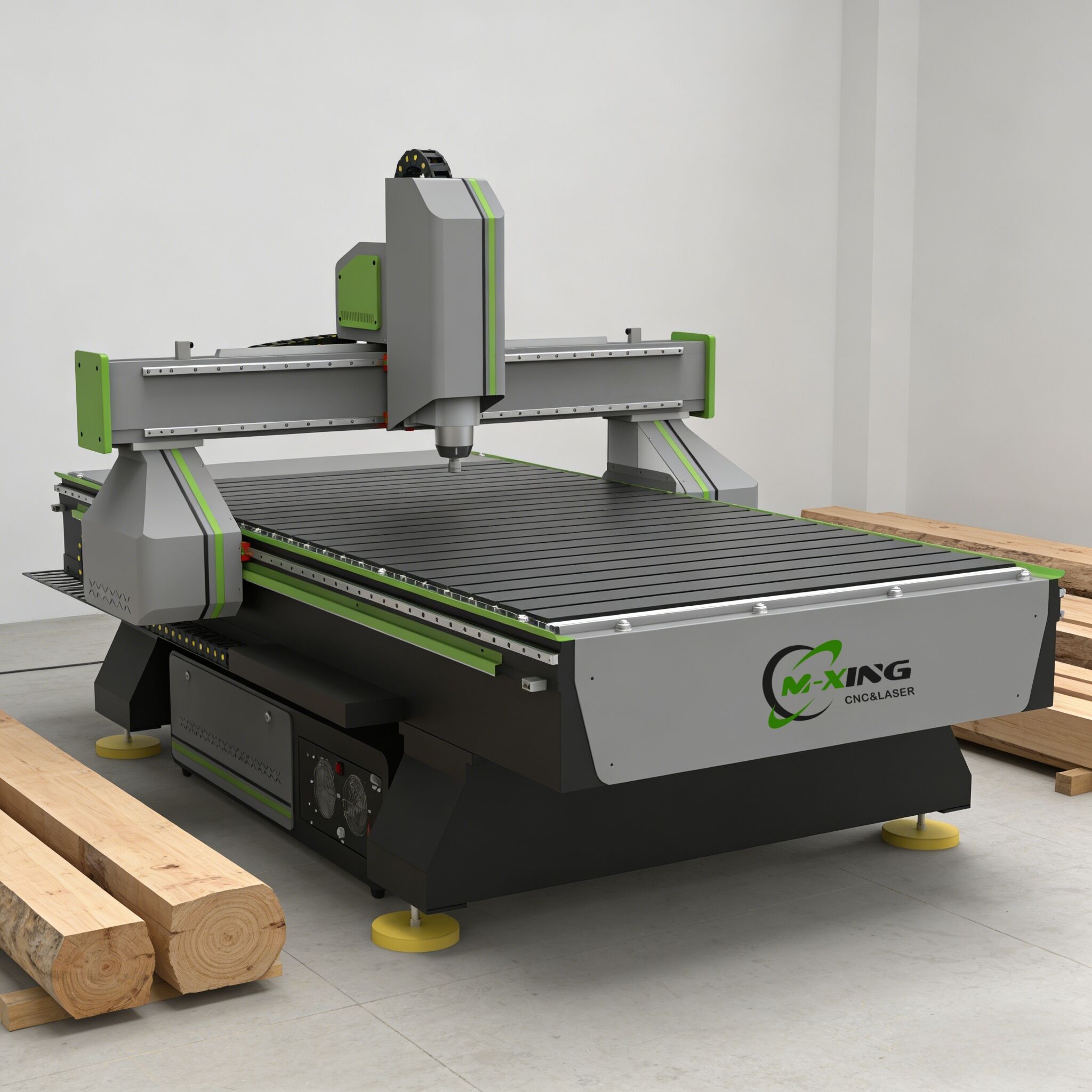
Investing in a CNC cutting machine is one of the most significant upgrades a fabrication shop can undertake. These computer-controlled systems have revolutionized the precision, speed, and repeatability of modern manufacturing, allowing small to medium-sized workshops to compete with large-scale industrial factories. However, the market is saturated with various technologies—ranging from plasma and laser to waterjet and router systems—making the selection process daunting for many business owners.
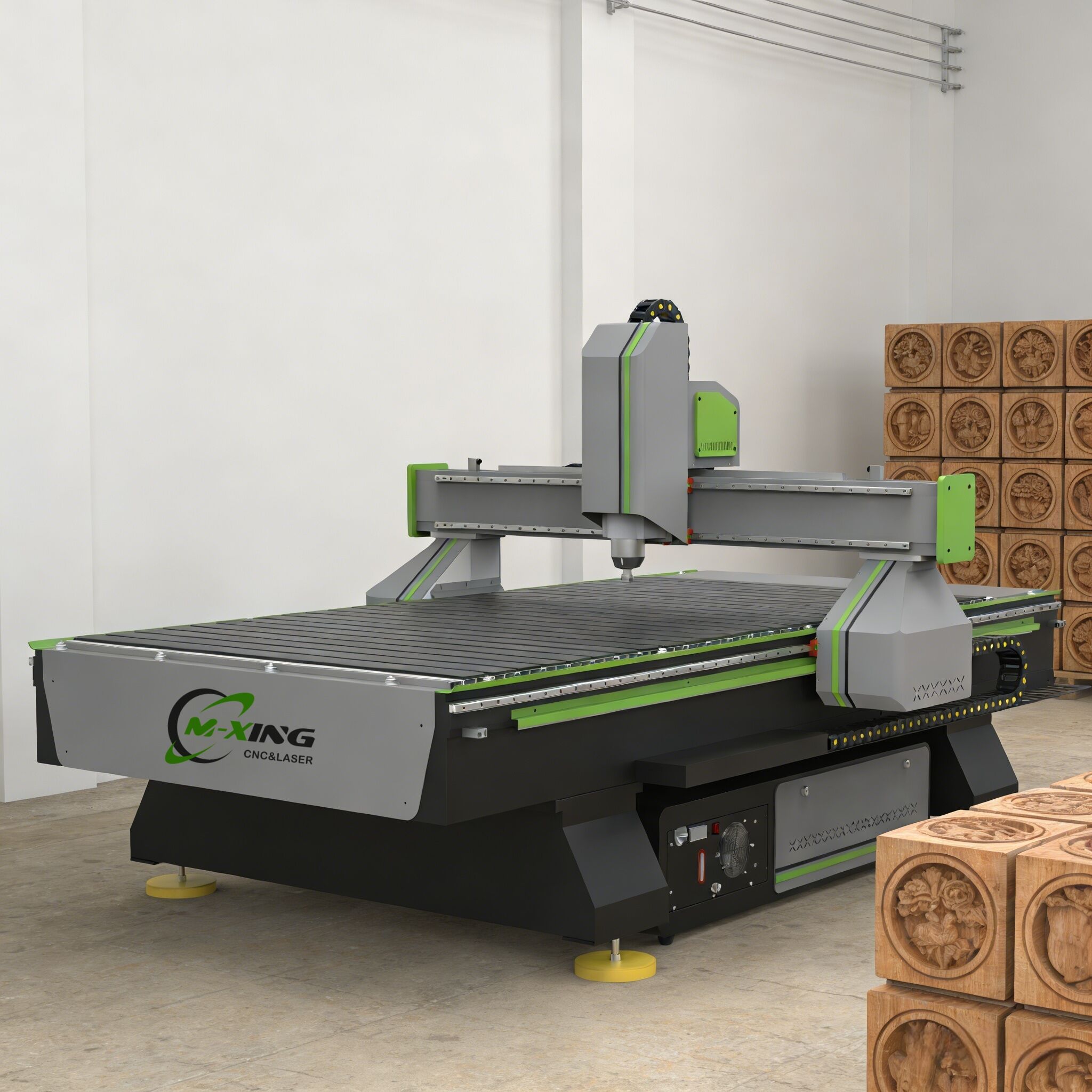
The right choice depends on a delicate balance between your material requirements, production volume, and long-term business goals. A CNC cutting machine is not just a tool; it is the heartbeat of your production line. Choosing an incompatible system can lead to bottlenecks, excessive material waste, and high maintenance costs, while the correct machine can accelerate your return on investment (ROI) within the first year of operation.
Evaluating Material Compatibility and Cutting Technology
The first step in selecting a CNC cutting machine is identifying the specific materials you work with most frequently. Different cutting technologies interact with materials in unique ways. For instance, if your shop primarily handles thick steel plates for structural applications, a CNC plasma cutter offers the best combination of speed and cost-efficiency. On the other hand, if you are focused on intricate decorative metalwork or high-precision aerospace components, a fiber laser cutting system is the industry standard due to its incredibly narrow kerf and minimal heat-affected zone.
It is also vital to consider non-metallic materials. Shops specializing in cabinetry, signage, or plastic fabrication will find that a CNC router is the most versatile option. Unlike thermal cutting methods, a router uses mechanical bits to carve and shape wood, acrylics, and soft aluminum. Understanding the physical limitations of each technology—such as the "heat-affected zone" in thermal cutting or the "kerf width" in mechanical cutting—will ensure that the machine you choose aligns with the quality standards your customers expect.
Technical Specifications and Operational Comparison
To make an informed decision, it is helpful to compare the primary types of CNC cutting machine technology across key performance metrics. The following table provides a snapshot of how these systems perform in typical shop environments.
| Technology Type | Best Materials | Precision Level | Operating Cost | Typical Speed |
| Fiber Laser | Thin to medium metals | Ultra-High | Medium | Very Fast |
| CNC Plasma | Thick conductive metals | Moderate | Low | Fast |
| CNC Router | Wood, Plastic, Soft Metal | High | Low | Moderate |
| Waterjet | Almost any material | High | High | Slow |
Assessing Table Size and Workshop Footprint
The physical dimensions of your CNC cutting machine must match both your material stock sizes and your available floor space. Most industrial metal sheets come in standard sizes, such as 4x8 feet or 5x10 feet. If you frequently work with full-sized sheets, investing in a machine with a slightly larger cutting bed will save significant time by eliminating the need to pre-cut materials. However, you must also account for the "service envelope"—the extra space required around the machine for loading materials, maintenance access, and the placement of auxiliary equipment like air compressors or dust collectors.
Beyond the table size, consider the machine's drive system. Stepper motors are common in entry-level machines and are cost-effective for light-duty work. For high-volume production shops, servo motors are highly recommended. Servo systems provide closed-loop feedback, meaning the machine knows its exact position at all times, preventing "lost steps" that can ruin an expensive workpiece. This level of reliability is critical for shops that run multi-shift operations or handle high-value materials where error-related waste must be kept to an absolute minimum.
Software Integration and Ease of Operation
A CNC cutting machine is only as capable as the software that drives it. When choosing a machine, evaluate the compatibility of its control system with your existing CAD (Computer-Aided Design) and CAM (Computer-Aided Manufacturing) workflow. Most modern machines utilize G-code, but the user interface of the controller itself can vary wildly. A machine with an intuitive, touch-screen interface and built-in nesting software can significantly reduce the learning curve for your operators and improve material yield by automatically arranging parts to minimize scrap.
Furthermore, consider the long-term support and firmware updates provided by the manufacturer. As digital manufacturing evolves, the ability to update your machine's software to handle new file formats or optimized cutting paths will extend the operational life of the equipment. If your shop lacks a dedicated IT or CNC programming department, look for manufacturers that offer "turnkey" solutions, including pre-configured libraries of cutting parameters for various material thicknesses, which allows you to start production almost immediately after installation.
Frequently Asked Questions (FAQ)
What is the difference between a stepper motor and a servo motor in CNC machines?
Stepper motors move in fixed increments and are generally more affordable, making them suitable for hobbyist or light commercial use. Servo motors use a feedback system to constantly monitor their position, allowing for much higher speeds, smoother motion, and better accuracy under heavy loads. For professional shops, servo motors are usually the better long-term investment.
Can a single CNC cutting machine work for both metal and wood?
While it is technically possible (such as using a CNC router for both wood and soft aluminum), it is rarely ideal. Metal cutting often requires coolants or generates conductive dust, while wood cutting produces large volumes of combustible sawdust. Using the same machine for both can lead to contamination issues and potential safety hazards unless the machine is specifically designed with dual-purpose filtration and shielding.
How much maintenance does a CNC cutting machine require?
Maintenance varies by technology. Plasma and laser machines require regular inspection of consumables (nozzles and electrodes) and cleaning of the optics or torch head. Routers require bit sharpening and spindle lubrication. Regardless of the type, all CNC machines need their rails and drive screws cleaned and lubricated weekly to prevent debris buildup from affecting the precision of the cuts.
Do I need a special power supply for an industrial CNC machine?
Most industrial-grade CNC machines require three-phase power, which is common in commercial zones but not always available in residential or light-industrial shops. Always check the machine's voltage and amperage requirements before purchasing, as upgrading your shop's electrical service can be a significant hidden cost.
Final Decision Strategy for Shop Owners
The ultimate goal of picking a CNC cutting machine is to increase your shop's throughput while maintaining high quality. Before signing a purchase agreement, request a "test cut" from the manufacturer using your most challenging material and design file. This allows you to verify the machine's real-world edge quality and dimensional accuracy. By focusing on material compatibility, motor reliability, and software ease of use, you can ensure that your new equipment becomes a profitable asset rather than a mechanical burden. Remember to factor in the cost of consumables and energy consumption into your total cost of ownership to ensure the machine fits your budget for years to come.