 EN
EN
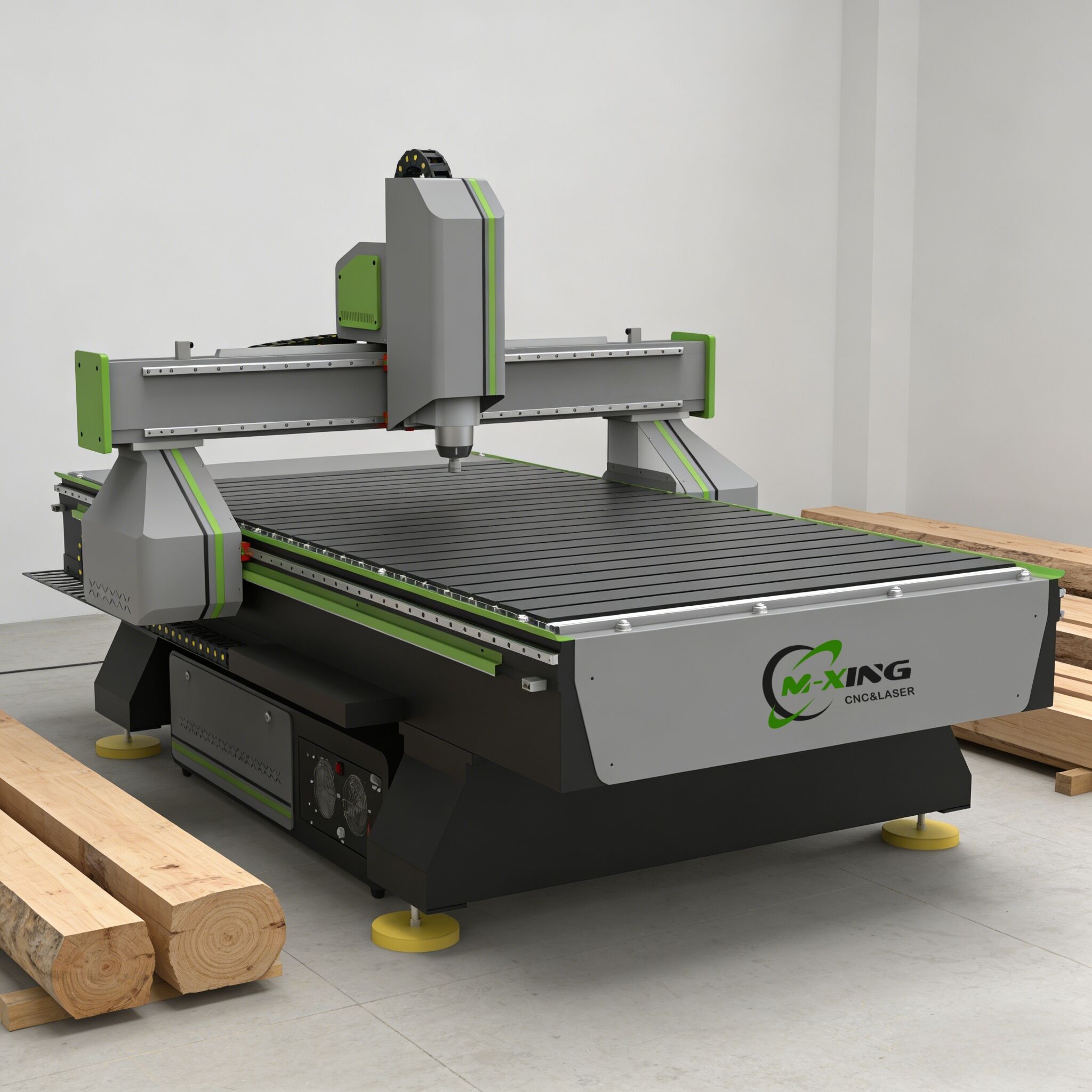
Selecting the right CNC cutting machine represents a significant investment decision that directly impacts production efficiency, product quality, and long-term operational costs. Unlike simpler fabrication tools, a cnc cutting machine integrates precision motion control, software intelligence, and mechanical durability into a single platform capable of transforming raw materials into finished components with minimal manual intervention. The challenge many manufacturers face is not whether to invest in CNC technology, but rather which specific features justify the capital outlay and align with their production requirements. Understanding which technical characteristics deliver measurable value requires looking beyond marketing specifications to evaluate how each feature translates into real-world performance across different materials, production volumes, and operational environments.
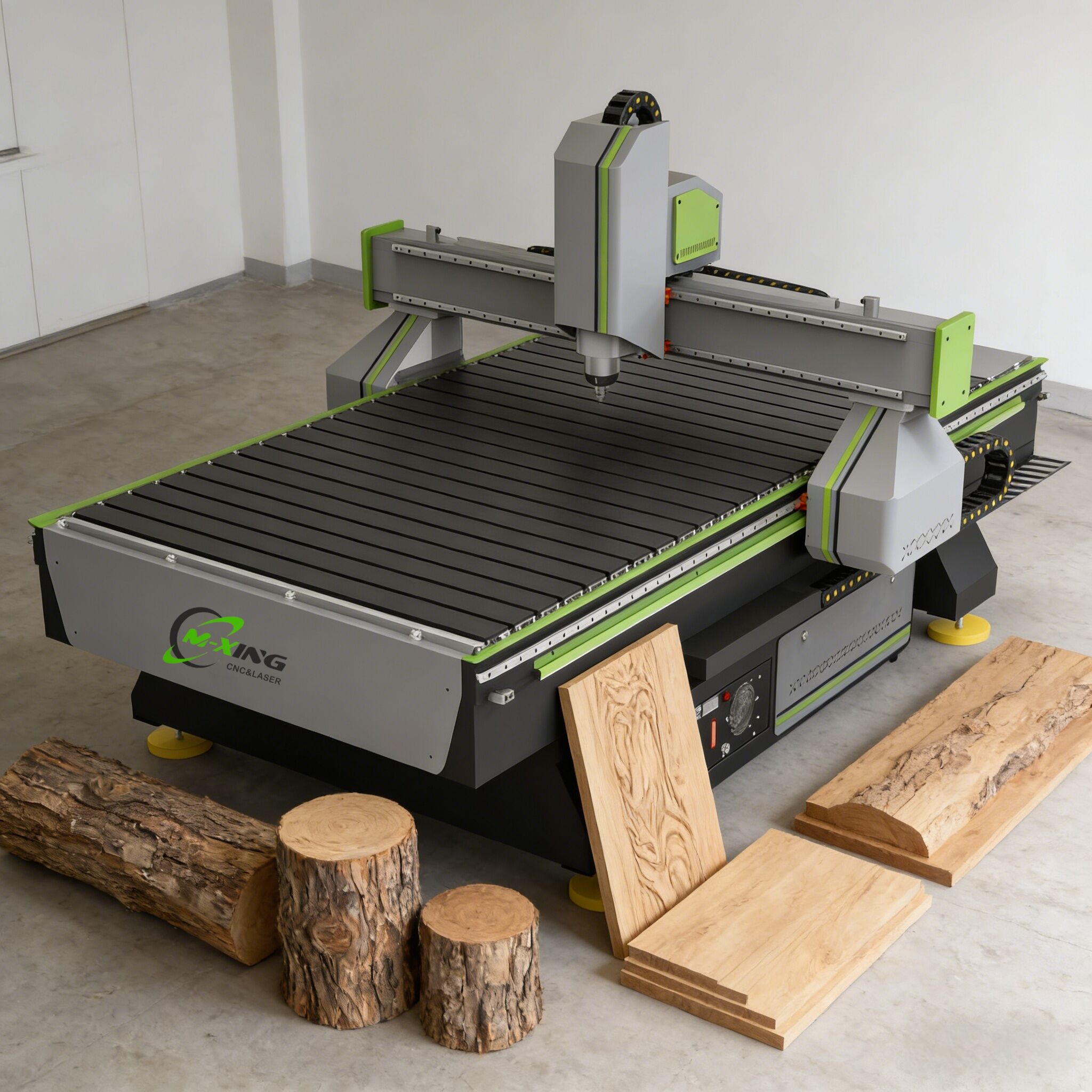
The features that matter most when purchasing a cnc cutting machine depend fundamentally on the intersection of your material requirements, production scale, precision demands, and budget constraints. While every vendor emphasizes their machine's capabilities, the truly critical features fall into distinct categories that determine whether a system will meet your needs for the next five to ten years. These include structural rigidity and motion system precision, spindle power and speed range, control system sophistication, workspace dimensions and material handling efficiency, and expandability for future production requirements. Each of these feature categories influences different aspects of machine performance, from the achievable tolerances and surface finish quality to cycle time efficiency and maintenance demands. Making an informed purchase decision requires systematically evaluating how specific technical features in each category align with your intended applications and operational environment.
Structural Integrity and Motion System Precision
Frame Construction and Mechanical Rigidity
The structural foundation of a cnc cutting machine determines its ability to maintain dimensional accuracy under the dynamic forces generated during cutting operations. Machines built on welded steel frames or cast iron bases provide superior vibration dampening compared to lighter aluminum or composite structures, which matters significantly when cutting harder materials or performing heavy roughing operations. The mass and geometric design of the frame directly affect thermal stability, as heavier structures resist temperature-induced dimensional changes that can compromise precision during extended production runs. When evaluating frame quality, examine the thickness of structural members, the presence of reinforcing ribs or gussets at stress points, and whether the base incorporates features like leveling mounts or vibration isolation systems that facilitate precise installation and long-term stability.
Beyond static rigidity, the dynamic stiffness of the structure determines how effectively the machine resists deflection during rapid acceleration and deceleration cycles. A cnc cutting machine with insufficient dynamic rigidity will exhibit position lag errors, reduced contouring accuracy on complex geometries, and premature wear on motion components due to excessive flexing. High-quality machines incorporate box-section beam designs, diagonal bracing, and strategically positioned reinforcement to maximize stiffness-to-weight ratios. The structural quality becomes particularly evident when comparing machines across similar price points—manufacturers achieving lower costs often compromise frame material thickness or simplify structural geometry, sacrifices that manifest as reduced accuracy, increased vibration, and shorter service life under demanding production conditions.
Linear Motion Systems and Bearing Technology
The precision and longevity of a cnc cutting machine depend heavily on the quality of its linear motion systems, which translate motor rotation into precise table or gantry movement. Industrial-grade machines typically employ either linear guide rails with profiled rail bearings or ground ballscrew assemblies with precision support bearings. Linear guide systems offer superior rigidity and load capacity, maintaining positioning accuracy even under heavy cutting forces, while ballscrew systems convert rotary motor motion into linear travel with minimal backlash. The grade of these components—whether using precision-ground rails versus rolled profiles, or C3 versus C5 grade ballscrews—directly affects achievable positioning accuracy, repeatability specifications, and maintenance intervals.
Quality motion systems distinguish professional cnc cutting machine platforms from entry-level alternatives through their ability to maintain precision across millions of operating cycles. Premium linear guides incorporate self-lubricating bearing blocks with effective sealing against contamination, while precision ballscrews feature pre-tensioned nut assemblies that eliminate backlash throughout their service life. The motion system quality becomes apparent through specifications like positioning accuracy measured in microns, repeatability tolerances, and maximum traverse speeds that the system can sustain without compromising precision. Machines targeting production environments should specify positioning accuracy within plus or minus ten microns, repeatability within five microns, and traverse speeds exceeding fifteen meters per minute to support efficient production throughput while maintaining dimensional control.
Servo Motor Systems and Drive Technology
The servo motor and drive system in a cnc cutting machine determines acceleration capability, positioning speed, and the machine's ability to execute complex motion profiles with precision. Industrial servo systems employ closed-loop feedback control using high-resolution encoders that continuously monitor actual position and velocity, enabling the drive system to correct for load variations, mechanical compliance, and external disturbances. The power rating and torque characteristics of servo motors must match the mass and friction characteristics of the motion system—undersized motors result in sluggish acceleration, reduced rapid traverse speeds, and potential position loss under cutting loads, while appropriately sized systems deliver crisp response and maintain position under varying mechanical loads.
Advanced drive systems incorporate features like adaptive feedforward control, resonance suppression, and load-dependent gain adjustment that optimize motion quality across different operating conditions. When evaluating a cnc cutting machine, the servo system specifications should include continuous torque ratings adequate for the axis mass and friction loads, peak torque capacity for acceleration demands, and encoder resolution sufficient for the required positioning accuracy. Quality servo systems also include robust fault detection and protection features that prevent damage from electrical faults, mechanical binding, or control system errors. The practical impact of servo quality becomes evident during operation through smoother motion profiles, reduced settling time at position endpoints, and consistent performance across the full speed range from micro-positioning moves to rapid traverse rates.
Spindle Performance and Cutting Capability
Spindle Power Rating and Speed Range
The spindle represents the primary cutting tool interface on a cnc cutting machine, and its power and speed specifications directly determine which materials can be processed and at what production rates. Spindle power, typically rated in kilowatts, defines the available cutting force and the machine's ability to maintain cutting speed under load without bogging down or stalling. Applications involving harder materials like metals, dense hardwoods, or thick composites require spindles rated at three kilowatts or higher to maintain productive feed rates, while softer materials like foams, thin plastics, or soft woods can be effectively processed with lower-power spindles. The continuous power rating matters more than peak power claims, as production cutting occurs under sustained load conditions where thermal management and mechanical durability determine real-world capability.
The spindle speed range defines the surface speed capability across different tool diameters and materials, affecting both surface finish quality and tool life. A cnc cutting machine intended for versatile production should offer spindle speeds from several thousand RPM for large-diameter cutters in metals up to eighteen thousand RPM or higher for small-diameter tools in woods and plastics. Variable-frequency drive systems provide infinitely adjustable speed control within this range, enabling optimization for specific tool and material combinations. Higher-speed spindles generate superior surface finishes in many materials by reducing individual chip loads and increasing cutting frequency, but require more sophisticated bearing systems and dynamic balancing to maintain smooth operation and acceptable service life. The spindle cooling method—whether air-cooled or liquid-cooled—affects continuous duty capability and noise levels, with liquid-cooled systems typically supporting higher sustained power levels and quieter operation.
Spindle Taper and Tool Holding Systems
The spindle taper interface determines tool holding security, runout accuracy, and tool change efficiency on a cnc cutting machine. Common taper standards include ISO and BT tapers for industrial applications, ER collet systems for machines using collet-based tool holding, and specialized interfaces like HSK for high-speed applications. The taper precision directly affects tool runout—the radial deviation of the cutting edge from the spindle centerline—which impacts surface finish quality, tool life, and achievable tolerances. Quality spindles maintain runout below ten microns when measured at standard distances from the spindle face, while precision applications may require runout specifications below five microns.
Tool holding method influences both setup efficiency and cutting performance across different operations. Manual tool change systems require operator intervention for each tool swap, limiting efficiency in applications requiring multiple tools per part, while automatic tool change systems with carousel or linear magazine storage enable unattended operation through multiple tool sequences. For production environments processing parts requiring various cutting, drilling, and finishing operations, a cnc cutting machine with automatic tool change capability dramatically reduces cycle times and labor requirements. The tool magazine capacity should match the complexity of typical part programs—simple applications may require only four to six tool positions, while complex parts might necessitate twelve, twenty, or more tool stations. Tool change speed, typically specified in seconds per tool swap, affects overall cycle time in multi-tool operations, with modern systems achieving tool changes in two to five seconds.
Spindle Cooling and Thermal Management
Thermal stability in the spindle assembly of a cnc cutting machine critically affects dimensional accuracy during extended production runs. Heat generated by bearing friction, motor losses, and cutting forces causes thermal expansion in spindle components, shifting tool position relative to the workpiece and compromising dimensional control. Liquid-cooled spindle systems employ dedicated coolant circulators that maintain spindle housing temperature within narrow bands, minimizing thermal drift even during continuous heavy-duty cutting. Air-cooled spindles rely on forced airflow across finned housings, offering simpler maintenance but generally exhibiting greater temperature variation and thermal drift under varying load conditions.
Quality spindles incorporate temperature monitoring systems that provide feedback to the control system, enabling compensation strategies or protective shutdown if temperatures exceed safe operating limits. For precision applications where dimensional tolerances remain critical throughout extended production runs, liquid-cooled spindles with closed-loop temperature control deliver superior performance by maintaining consistent thermal conditions regardless of cutting load variations. The thermal management system should also address heat removal from the cutting zone itself, with through-spindle coolant delivery or external flood coolant systems preventing localized heating of the workpiece that can contribute to dimensional errors. When evaluating spindle specifications, consider not only the peak power and speed capabilities but also the thermal management features that enable sustained high-performance operation without accuracy degradation.
Control System Intelligence and Software Integration
CNC Controller Capabilities and Processing Power
The control system serves as the intelligence center of a cnc cutting machine, interpreting part programs, coordinating multi-axis motion, and managing auxiliary functions like spindle control and coolant delivery. Industrial-grade controllers from established manufacturers like Siemens, Fanuc, or Mitsubishi offer proven reliability, extensive feature sets, and broad software compatibility, while proprietary control systems may offer cost advantages but potentially limited upgrade paths or software support. The controller's processing capability determines look-ahead performance—the ability to analyze upcoming program blocks and optimize acceleration profiles—which directly affects contouring accuracy and cycle time efficiency on parts with complex geometries.
Advanced control features like adaptive feed rate control, thermal compensation, and geometric error correction can significantly enhance a cnc cutting machine's practical performance beyond its basic mechanical specifications. Adaptive feed control automatically adjusts cutting speed based on real-time load monitoring, preventing tool breakage while maximizing material removal rates. Thermal compensation uses temperature sensors throughout the machine structure to mathematically correct positioning commands for thermal expansion effects, maintaining accuracy during temperature changes. Geometric error correction applies calibrated correction factors that compensate for mechanical imperfections like ballscrew pitch errors or axis squareness deviations, effectively improving accuracy beyond what the raw mechanical system would deliver. When comparing control systems, evaluate not only the brand and model but also which advanced features are included or available as options.
Programming Software and CAM Integration
The software tools used to generate and manage part programs significantly affect the productive capability of a cnc cutting machine. Entry-level systems may include only basic conversational programming interfaces for simple geometric shapes, requiring external CAM software for complex parts. Professional installations typically employ dedicated CAM packages that integrate with CAD design systems, enabling automated toolpath generation from 3D models with features like automatic nesting for material utilization, collision detection for safe operation, and simulation for program verification before cutting actual parts. The compatibility between the machine's control system and available CAM software affects both initial setup complexity and ongoing programming efficiency.
Modern cnc cutting machine control systems increasingly incorporate network connectivity enabling remote program transfer, production monitoring, and diagnostic access. Ethernet interfaces support integration with manufacturing execution systems that coordinate production scheduling, track machine utilization, and collect performance data for continuous improvement initiatives. USB connectivity provides convenient program loading and backup for shops without network infrastructure. The software ecosystem surrounding the control system—including availability of post-processors for popular CAM packages, simulation tools, and parameter backup utilities—contributes significantly to the machine's long-term operational efficiency. When evaluating software capabilities, consider both the immediate programming requirements for your initial applications and the flexibility to adopt more sophisticated strategies as your production needs evolve.
User Interface and Operator Accessibility
The human-machine interface design of a cnc cutting machine control system affects operator efficiency, training requirements, and the likelihood of programming errors. Modern control panels feature high-resolution color displays with graphical interfaces that show machine status, part program progress, and alarm conditions clearly and intuitively. Touch-screen interfaces simplify navigation through menus and parameter settings compared to traditional button-based controls, though physical handwheels and override controls remain valuable for setup operations requiring precise manual positioning. The logical organization of control functions, consistency of terminology, and quality of built-in help systems all contribute to operator productivity and reduce training time for new personnel.
Evaluate how easily operators can perform common tasks like loading and starting programs, adjusting feed rate and spindle speed overrides, setting work coordinate systems, and responding to alarm conditions. A well-designed control interface on a cnc cutting machine enables operators to work efficiently without constant reference to manuals or assistance from engineering staff. The availability of multi-language support matters for operations with diverse workforces, while customizable user access levels allow restricting critical parameter changes to qualified personnel while providing production operators with the functions they need. Consider requesting a demonstration or trial period to assess whether the control interface logic aligns with your operators' experience and preferences, as interface usability significantly affects both productivity and the risk of costly operating errors.
Workspace Configuration and Material Handling
Working Envelope Dimensions and Clearances
The working envelope of a cnc cutting machine defines the maximum part dimensions that can be processed and significantly influences both the range of applications the machine can address and its space requirements in your facility. Working envelope specifications include X-axis travel (typically the longest horizontal axis), Y-axis travel (horizontal axis perpendicular to X), and Z-axis travel (vertical axis determining maximum material thickness and tool length accommodation). The actual usable work area may be smaller than the maximum travel dimensions due to fixturing requirements, tool collision zones, or clearance needed for part loading and unloading. When evaluating workspace dimensions, consider not only your current largest parts but also reasonable growth projections and the occasional oversize job that might otherwise require outsourcing.
Beyond the nominal XYZ travel dimensions, practical workspace considerations include throat depth for gantry-style machines, spindle nose-to-table distance affecting the maximum combined thickness of fixtures and workpieces, and clearance around the work area for operator access and material handling equipment. A cnc cutting machine with generous access clearances facilitates faster setup and part loading, directly affecting overall productivity in job-shop environments with frequent changeovers. The table surface area and load capacity specifications must accommodate your workpiece sizes and weights, including any fixturing or vacuum hold-down systems. For applications involving sheet materials, consider whether the table design incorporates T-slots for mechanical clamping, vacuum zones for holding flat stock, or specialized features like knife blade slots for through-cutting operations.
Workholding Systems and Fixturing Flexibility
The workholding approach supported by a cnc cutting machine fundamentally affects setup time, part accuracy, and the range of geometries that can be efficiently processed. Common workholding methods include mechanical clamping using T-slot tables and standard fixturing components, vacuum hold-down systems for flat sheet materials, and specialized fixtures for specific part families. Mechanical clamping provides the strongest and most versatile holding method, accommodating irregular part shapes and providing secure retention for heavy cutting forces, but requires more setup time and careful attention to avoid clamping-induced part distortion. Vacuum systems enable rapid loading and unloading of sheet materials without mechanical interference that might limit tool access, but require adequate part flatness and surface area for reliable holding.
For production environments, the efficiency of workholding directly impacts hourly throughput and labor requirements. A cnc cutting machine table design that facilitates quick-change fixture mounting, provides adequate vacuum zone capacity, or incorporates automated material feed systems can dramatically reduce non-cutting time compared to machines requiring extensive manual setup for each part. Evaluate whether the machine's table configuration supports modular fixturing systems that enable setup standardization and rapid changeover between different parts. The table surface accuracy—its flatness and the perpendicularity of any reference surfaces—affects the accuracy of parts produced, particularly for applications where the table surface serves as a primary datum. For maximum flexibility, consider machines offering combination tables with both T-slot zones for mechanical fixturing and vacuum zones for sheet material processing.
Material Support and Waste Removal Systems
Effective material support and chip removal systems extend tool life, improve surface finish quality, and reduce operator labor requirements on a cnc cutting machine. For sheet material processing, supporting the work area with slat beds, brush tables, or honeycomb support panels prevents deflection during cutting while allowing through-cuts without damage to the machine table. The support system design affects both the quality of through-cuts and the ease of removing finished parts and scrap material after processing. Adjustable support systems that accommodate various material thicknesses provide greater operational flexibility than fixed-height designs.
Chip and dust removal capability becomes critical for maintaining cut quality and protecting machine components from abrasive contamination. A cnc cutting machine processing woods, plastics, or composites generates substantial volumes of chips and dust that can interfere with cutting performance, accumulate on motion components causing premature wear, and create housekeeping challenges. Integrated dust collection systems with strategically positioned extraction points maintain clear cutting zones and protect mechanical components. For metalworking applications, flood coolant systems provide lubrication and cooling while flushing chips away from the cutting zone, with coolant filtration and recirculation systems managing this process. The adequacy of material support and waste removal systems becomes apparent during production operation—inadequate systems result in increased operator intervention, more frequent cleaning requirements, and potentially compromised part quality due to chip interference or thermal management issues.
Expandability and Long-Term Value Considerations
Modular Design and Upgrade Pathways
The long-term value of a cnc cutting machine investment depends partly on the system's ability to evolve with changing production requirements through component upgrades and accessory additions. Machines designed with modular architecture allow upgrading individual subsystems—such as replacing a manual tool change spindle with an automatic tool changer, adding rotary axis capability, or upgrading control system hardware and software—without replacing the entire machine. This upgrade potential protects your capital investment by enabling capability enhancement as production requirements grow or new opportunities emerge. When evaluating machines, inquire about the manufacturer's upgrade options, component compatibility across model generations, and their track record of supporting legacy installations with retrofit packages.
The practical feasibility of upgrades depends on both the mechanical provisions in the base machine design and the manufacturer's ongoing support commitment. A cnc cutting machine with standardized mounting interfaces, adequate structural capacity for higher-performance components, and documented upgrade procedures offers significantly better long-term flexibility than proprietary designs with limited expansion options. Consider whether the base machine structure can accommodate the weight and power requirements of potential future upgrades like larger spindles, additional axes, or automated loading systems. The control system's expandability—including available I/O capacity for additional sensors and actuators, processing headroom for more sophisticated algorithms, and software upgrade paths—determines whether the machine can adopt advanced features as they become available or required for competitive advantage.
Manufacturer Support and Parts Availability
The quality and longevity of manufacturer support significantly affect the total cost of ownership and productive life of a cnc cutting machine. Established manufacturers with extensive dealer networks and dedicated technical support organizations provide faster response to technical issues, better access to replacement components, and more comprehensive training and application assistance than smaller suppliers with limited support infrastructure. When evaluating manufacturers, investigate their technical support availability including response time commitments, remote diagnostic capabilities, and field service coverage in your geographic area. The availability of comprehensive documentation including electrical schematics, mechanical drawings, and detailed maintenance procedures enables your own maintenance staff to perform routine service and troubleshoot common issues without external support delays.
Long-term parts availability protects your investment by ensuring that wear items, replacement components, and upgrade options remain available throughout the machine's service life. A cnc cutting machine from a manufacturer using standard industrial components like commercial servo motors, drives, and linear motion systems offers better long-term supportability than machines built with proprietary components available only from the original manufacturer. Inquire about typical parts delivery times, the manufacturer's policy on maintaining parts inventory for older models, and their history of component availability for machines beyond warranty period. The practical value of strong manufacturer support becomes apparent during the inevitable technical issues or component failures—machines from well-supported manufacturers return to production quickly with minimal downtime, while poorly supported systems may face extended outages waiting for parts or technical assistance.
Energy Efficiency and Operating Cost Profile
The operating cost profile of a cnc cutting machine extends beyond the initial purchase price to include energy consumption, consumable tooling costs, maintenance requirements, and eventual component replacement expenses. Energy-efficient servo drive systems with regenerative braking, efficient spindle motors, and optimized auxiliary systems like coolant pumps and dust collectors reduce electrical consumption compared to older technology or inefficient designs. While individual energy savings may appear modest, the cumulative impact over thousands of operating hours represents significant cost differences. Request typical power consumption specifications for the machine at idle, during cutting operations, and during rapid traverse moves to assess energy costs under your typical duty cycle.
Maintenance requirements directly affect both operating costs and machine availability for production. A cnc cutting machine designed with accessible maintenance points, extended lubrication intervals, and durable components minimizes routine service labor and reduces consumable expenses. Quality linear motion systems with effective sealing and automatic lubrication require significantly less maintenance than unsealed systems exposed to contamination. The spindle service interval—typically specified in operating hours between bearing replacement—affects long-term maintenance costs, with quality spindles often providing several thousand hours of service before requiring major maintenance. When comparing machines, evaluate the manufacturer's recommended maintenance schedule including frequency and complexity of required tasks, estimated annual consumable costs including lubricants and filters, and typical service intervals for major components. The machine with the lowest purchase price may not deliver the lowest total cost of ownership when ongoing operating expenses are properly evaluated.
FAQ
How important is brand reputation when selecting a cnc cutting machine for production use?
Brand reputation serves as a useful proxy for several important factors including build quality consistency, technical support infrastructure, and long-term parts availability, though it should not be the sole decision criterion. Established manufacturers with strong reputations typically maintain those positions through consistent product quality, responsive customer support, and ongoing commitment to existing customers through parts availability and upgrade options. However, reputation must be balanced against specific technical requirements and value considerations—a well-regarded brand offering machines that exceed your actual requirements may not represent the best investment compared to a lesser-known manufacturer whose specifications align precisely with your needs at a significantly lower price point. The most prudent approach involves evaluating technical specifications first to identify machines meeting your performance requirements, then using manufacturer reputation and support infrastructure as tiebreakers among technically suitable options.
Should I prioritize maximum cutting speed or positioning accuracy when comparing cnc cutting machine specifications?
The relative importance of cutting speed versus positioning accuracy depends entirely on your specific applications and business model. Operations producing high volumes of parts with modest tolerance requirements benefit more from higher cutting speeds that reduce cycle times and increase throughput, even if absolute positioning accuracy is adequate rather than exceptional. Conversely, applications requiring tight tolerances or superior surface finishes necessitate prioritizing positioning accuracy and motion smoothness over maximum speed capabilities. Most production environments benefit from balanced specifications offering both respectable speed for efficiency and sufficient accuracy for quality requirements. Rather than maximizing either specification in isolation, focus on ensuring that both speed and accuracy specifications exceed your application requirements by comfortable margins, providing headroom for process optimization and occasional challenging jobs without pushing the machine to its performance limits.
What role does the control system brand play in overall machine capability and ease of use?
The control system brand significantly influences both the machine's operational capabilities and the operator experience, affecting programming efficiency, available advanced features, and integration with external systems. Industrial-standard controls from major manufacturers like Siemens, Fanuc, and Mitsubishi offer proven reliability, extensive feature sets, broad compatibility with CAM software through established post-processors, and large pools of operators familiar with their interfaces. These established systems typically provide better documentation, more comprehensive training resources, and more predictable long-term support compared to proprietary control systems. However, proprietary controls sometimes offer specialized features optimized for specific applications or simpler interfaces that reduce training requirements for basic operations. The control system choice also affects serviceability—standard industrial controls can often be serviced by independent automation specialists if the machine manufacturer's support proves inadequate, while proprietary systems create dependence on the original manufacturer for technical support and repairs.
How much should I expect to invest in tooling and accessories beyond the base cnc cutting machine price?
Initial tooling and accessory costs typically add twenty to forty percent to the base machine investment depending on your application requirements and whether the base machine includes essential accessories. At minimum, you will need a starter set of cutting tools appropriate for your materials, workholding fixtures or vacuum systems, and possibly dust collection equipment if not included with the machine. Applications requiring automatic tool changes need tool holders for each tool position, while production operations benefit from backup tooling to minimize downtime during tool changes. Additional accessories might include specialized fixtures for recurring part geometries, touch probes for automated setup verification, rotary axes for 4-axis machining, or material handling equipment for efficient part loading. The most cost-effective approach involves purchasing essential tooling and fixtures initially while planning for gradual accessory additions as production requirements and opportunities justify the investment. Request detailed quotations that separate base machine pricing from recommended tooling packages to accurately budget the complete installation cost.
Table of Contents
- Structural Integrity and Motion System Precision
- Spindle Performance and Cutting Capability
- Control System Intelligence and Software Integration
- Workspace Configuration and Material Handling
- Expandability and Long-Term Value Considerations
-
FAQ
- How important is brand reputation when selecting a cnc cutting machine for production use?
- Should I prioritize maximum cutting speed or positioning accuracy when comparing cnc cutting machine specifications?
- What role does the control system brand play in overall machine capability and ease of use?
- How much should I expect to invest in tooling and accessories beyond the base cnc cutting machine price?