
 EN
EN
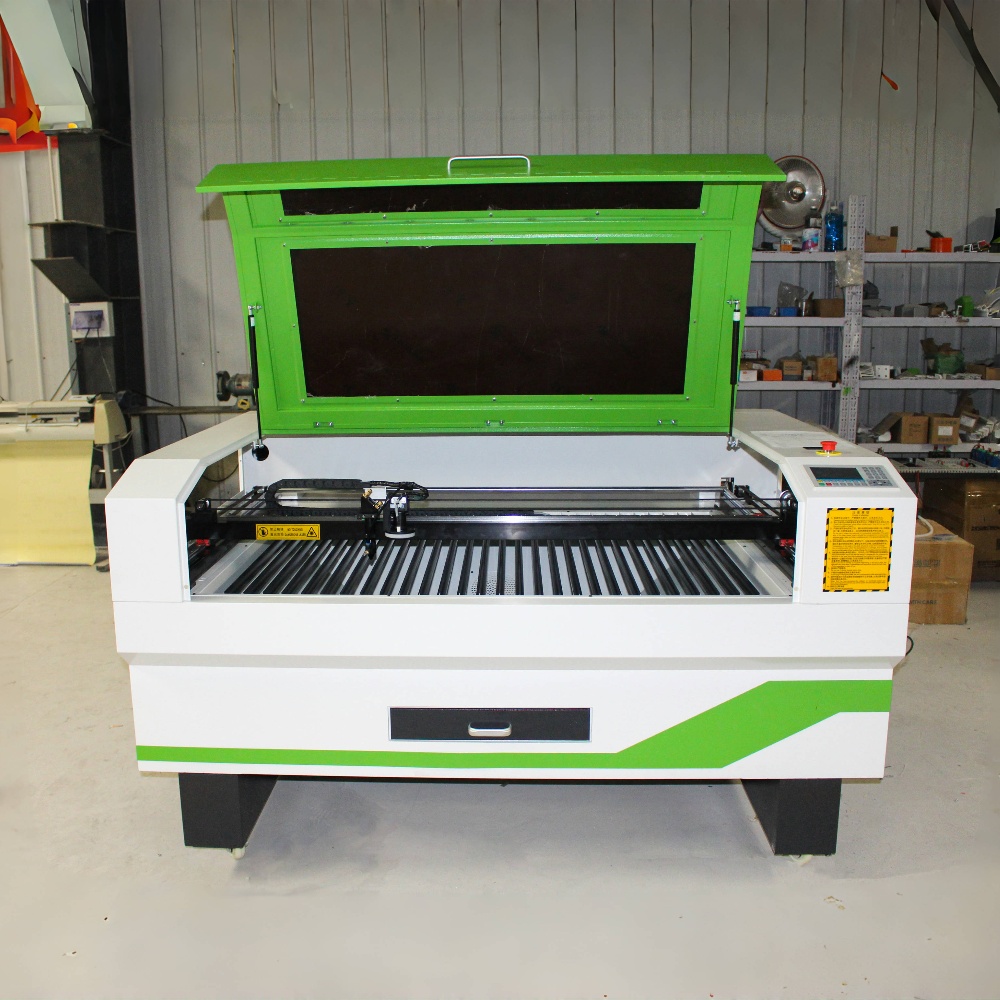
Makers across industries are increasingly turning to laser engraver solutions instead of relying on traditional hand tools, mechanical processes, and outdated equipment. The shift represents more than just technological preference; it reflects a fundamental change in how production efficiency, precision, and scalability are achieved in modern manufacturing environments. Understanding why a laser engraver has become the go-to choice for both hobbyists and industrial producers reveals important insights about production quality, time management, and competitive advantage in today's market.
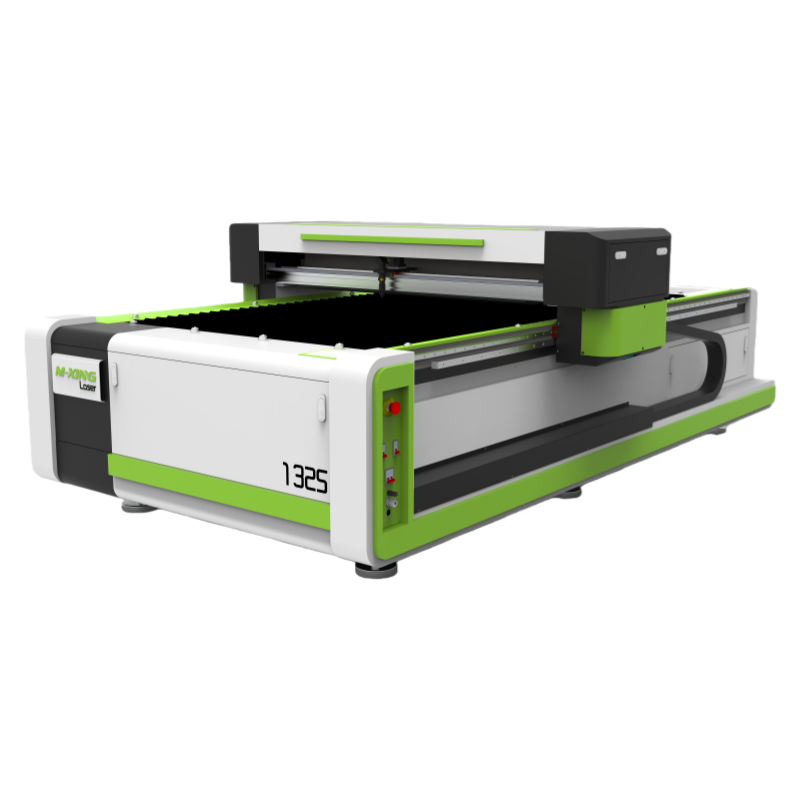
The decision to invest in a laser engraver often stems from recognizing the limitations of manual and mechanical alternatives. Traditional tools require significant operator skill, generate inconsistent results, operate slowly on complex designs, and demand constant maintenance and replacement parts. A laser engraver eliminates many of these pain points by automating precision work, reducing human error, and delivering repeatable quality across thousands of identical pieces.
Superior Precision and Consistency
Accuracy That Manual Tools Cannot Match
One of the primary reasons makers choose a laser engraver is the extraordinary precision it delivers consistently. Manual engraving tools depend entirely on operator steadiness, years of training, and physical capability, yet even experienced craftspeople produce slight variations between pieces. A laser engraver operates at micron-level accuracy, capable of rendering intricate details, fine lines, and complex geometric patterns without deviation. This precision is especially critical for industries like jewelry, electronics, signage, and custom manufacturing where quality standards demand perfection.
Reducing Material Waste and Rework
Traditional engraving methods often result in mistakes that require reworking or discarding materials entirely. A single slip with a hand chisel or rotary tool ruins an entire piece. A laser engraver eliminates this waste by executing designs exactly as programmed, with no human tremor or judgment error. For makers running high-volume production or working with expensive materials like hardwoods, leather, or acrylic, the waste reduction alone justifies choosing a laser engraver over traditional approaches. The cost savings compound quickly when multiplied across hundreds or thousands of units.
Dramatically Increased Production Speed
Processing Time Advantage
A laser engraver dramatically reduces the time required to complete projects compared to traditional manual or mechanical methods. What might take several hours using hand tools can often be completed in minutes with a laser engraver. This speed advantage applies across diverse materials including wood, acrylic, leather, glass, and certain metals. For makers managing customer orders or meeting production deadlines, the ability to process multiple pieces rapidly means the difference between meeting commitments and falling behind schedule. A laser engraver transforms a bottleneck into a competitive strength.
Scaling Production Without Adding Staff
Traditional production methods require proportionally more labor to increase output. If a maker wants to double production using hand tools, they need to double their skilled workforce. By contrast, a laser engraver allows makers to scale production significantly without hiring additional personnel. Once a design is programmed into the laser engraver software, it can run continuously with minimal supervision, producing consistent results around the clock. This scalability makes growth economically feasible for small and medium-sized makers who cannot afford massive labor expansion.
Design Flexibility and Digital Workflow Integration
From Digital Files to Physical Products Instantly
Modern makers work with digital design files created in software like Adobe Illustrator, CorelDRAW, or open-source alternatives. A laser engraver bridges the gap between digital design and physical production seamlessly. Traditional tools require manual interpretation of designs, often involving tracing, measuring, and manual layout work. With a laser engraver, designers can send completed files directly to the machine with zero translation loss. This digital-to-physical integration eliminates design interpretation errors and enables rapid design iterations, making it possible to customize products or adapt designs for different customers without retooling or recalibrating equipment.
Complex Geometry Made Simple
Traditional engraving tools struggle with intricate patterns, curved designs, and multi-layered details. Producing complex geometry manually requires exceptional skill and often takes disproportionately longer than simple designs. A laser engraver handles complex geometry as easily as simple designs because the cutting or engraving path is predetermined by software. Makers using a laser engraver can offer design complexity that would be economically impossible with traditional methods, opening new product categories and customer segments without significant additional labor investment.
Long-Term Cost Advantage and Operational Efficiency
Lower Operating Costs Despite Initial Investment
While a laser engraver requires upfront capital investment, the total cost of ownership over time is typically lower than relying on traditional tools. Traditional hand tools require constant replacement due to wear, breakage, and sharpening services. Manual production demands high labor costs sustained indefinitely. A laser engraver, once purchased, incurs minimal maintenance costs and operates at consistent efficiency for years. Material waste reduction and labor hour reduction combine to offset the initial equipment cost within months or a few years depending on production volume and material costs. Makers who compare true lifetime costs typically find that a laser engraver represents superior financial value.
Consistency Reduces Returns and Customer Complaints
Quality inconsistency with traditional tools leads to customer returns, rework, discounts, and reputational damage. A laser engraver delivers such consistent results that customer satisfaction and repeat business naturally increase. Fewer returns mean lower operational costs and higher profitability per unit sold. Additionally, the ability to guarantee consistent quality allows makers to command premium pricing because customers recognize and pay for reliability.
FAQ
What materials can a laser engraver work with that traditional tools cannot?
A laser engraver can precisely work with wood, acrylic, leather, rubber, fabric, paper, glass, anodized aluminum, and certain coated metals. Traditional hand tools excel with wood and soft materials but struggle with acrylic, leather, and many modern synthetic materials. The laser engraver's versatility across material types makes it more valuable for makers who work with diverse customers or multiple product lines. This material flexibility would require purchasing multiple specialized traditional tools to achieve similar capability.
Does a laser engraver require special operator training?
Modern laser engraver systems are designed with user-friendly interfaces that require minimal training compared to mastering traditional hand tools. Basic software operation and safety protocols can be learned in days rather than months or years. Most laser engraver manufacturers provide comprehensive documentation and video training resources. While becoming truly proficient takes practice, the barrier to entry for a laser engraver operator is significantly lower than training someone to achieve craftsperson-level skill with traditional engraving tools.
Can a laser engraver replace all traditional engraving and cutting methods?
A laser engraver handles the majority of commercial engraving and cutting applications, but certain specialized tasks may still require traditional methods. Three-dimensional carving, deep relief work, and some heavy-duty industrial cutting might benefit from specialized mechanical equipment. However, for the typical maker's portfolio including customization, signage, jewelry marking, and precise cutting, a laser engraver effectively replaces traditional tools as the primary production method. Most makers find that a laser engraver covers 90-95 percent of their engraving and cutting requirements.
