 EN
EN
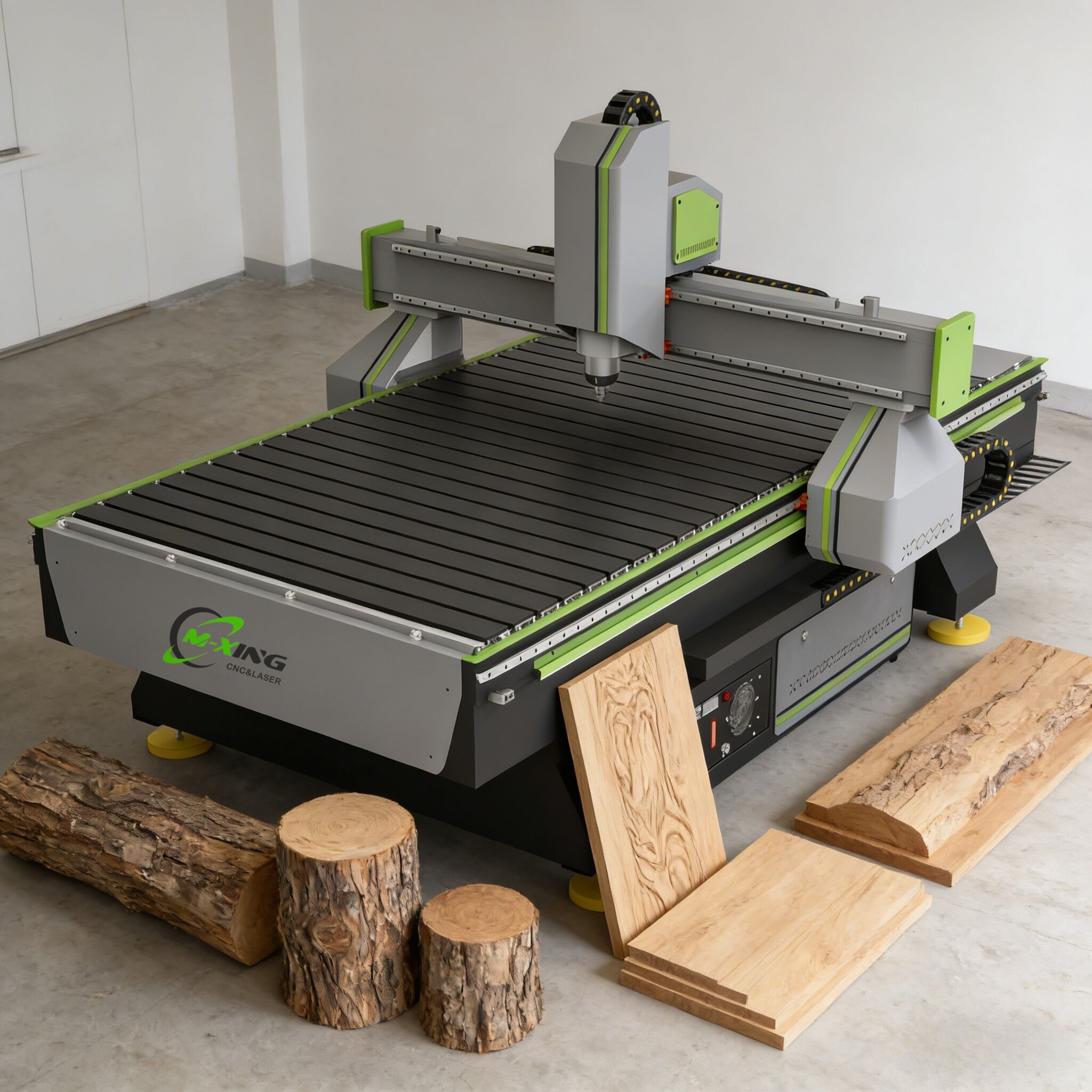
Selecting the right cnc router for your project requires careful consideration of specific features that directly impact performance, precision, and cost-effectiveness. With numerous options available in the market, understanding which cnc router capabilities align with your project requirements prevents costly mistakes and ensures optimal results. The key lies in matching router specifications to your specific application needs rather than simply choosing the most feature-rich model.
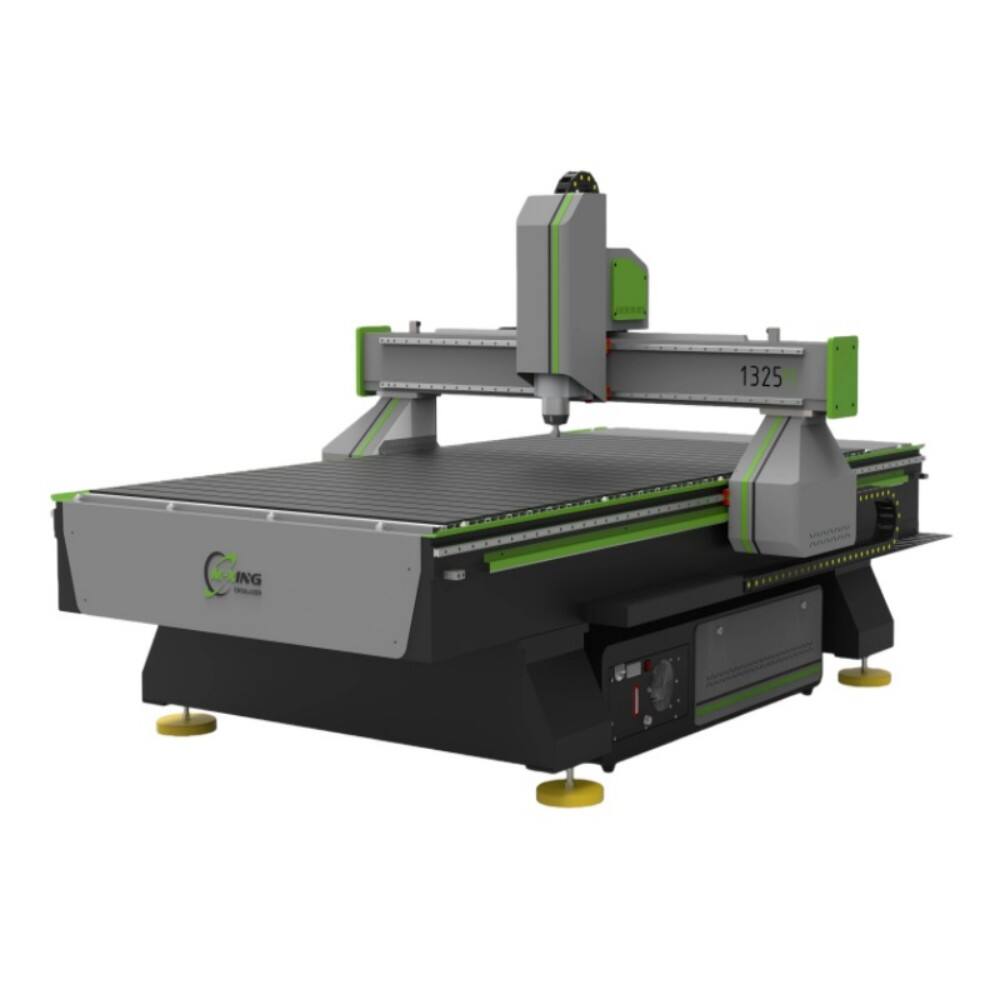
Different projects demand different cnc router characteristics, from working area dimensions and spindle power to control system sophistication and material compatibility. Professional fabricators and hobbyists alike must evaluate these features against their specific cutting requirements, production volume expectations, and budget constraints. Making informed decisions about cnc router features ultimately determines project success and long-term operational efficiency.
Essential Structural Features for Project Success
Working Area Dimensions and Project Scale
The working area of your cnc router fundamentally determines the size and scope of projects you can undertake. Standard cnc router models offer working areas ranging from compact 12x12 inches for detailed work to expansive 4x8 feet or larger for full sheet processing. Your project requirements should drive this selection, considering not only current needs but anticipated future projects that might demand larger cutting capacity.
Project-specific considerations include the maximum material dimensions you'll process, whether you need continuous cutting across large sheets, and the frequency of oversized projects. A cnc router with insufficient working area forces material segmentation, creating alignment challenges and potential quality issues. Conversely, an oversized cnc router occupies valuable shop space and increases initial investment without providing proportional benefits for smaller projects.
Frame Construction and Rigidity Requirements
Frame rigidity directly impacts cutting precision and surface finish quality in cnc router operations. Heavy-duty steel frames provide superior stability for demanding applications, while aluminum frames offer adequate performance for lighter cutting tasks with reduced weight and cost. The frame construction affects the cnc router's ability to maintain accuracy under cutting forces and resist vibration during high-speed operations.
Project requirements influence frame selection based on material hardness, cutting depth, and precision tolerances. Dense hardwoods, metals, and composite materials generate significant cutting forces that demand robust frame construction. Additionally, projects requiring tight tolerances benefit from enhanced frame rigidity that minimizes deflection and maintains consistent cutting geometry throughout extended operations.
Gantry System Design and Movement Precision
The gantry system determines how smoothly and accurately your cnc router moves cutting tools across the work surface. Linear bearing systems, ball screws, and rack-and-pinion drives each offer distinct advantages for different project types. Ball screw systems provide superior precision for detailed work, while rack-and-pinion systems excel in rapid positioning for production applications.
Movement precision affects project outcomes through positioning accuracy and repeatability. Projects involving intricate details, precise joinery, or multiple-pass operations require cnc router gantry systems capable of maintaining positional accuracy within thousandths of an inch. Production environments benefit from robust gantry designs that sustain accuracy through extensive use cycles.
Spindle Performance Characteristics
Power Rating and Material Compatibility
Spindle power determines the range of materials your cnc router can effectively process and the cutting speeds achievable for different applications. Lower-powered spindles around 1-2 horsepower handle softwoods, plastics, and thin materials efficiently, while higher-powered units ranging from 3-5 horsepower or more tackle hardwoods, metals, and thick composite materials with ease.
Material-specific requirements guide spindle selection based on cutting resistance and heat generation during machining. Dense materials like oak, maple, or engineered composites demand sufficient spindle power to maintain cutting speeds without overloading the motor. Inadequate spindle power leads to reduced cutting speeds, poor surface finish, and potential tool breakage that affects project quality and completion times.
Speed Range and Tool Compatibility
Spindle speed range flexibility enables optimal cutting parameters for different tool types and materials. Variable speed control allows fine-tuning of cutting conditions to achieve the best balance of cutting speed, surface finish, and tool life. A cnc router with broad speed range accommodates everything from large diameter surfacing bits requiring lower speeds to small detail bits needing higher speeds for clean cuts.
Tool compatibility considerations include collet sizes, maximum tool weights, and runout specifications that affect cutting performance. Standard cnc router spindles accept quarter-inch and half-inch shank tools, while professional units may accommodate larger tooling for heavy-duty applications. Precise spindle runout ensures consistent tool performance and surface finish quality across all project applications.
Cooling and Thermal Management
Effective spindle cooling maintains consistent performance during extended cutting operations and prevents thermal expansion that affects precision. Air-cooled spindles provide adequate thermal management for intermittent use, while liquid-cooled systems excel in continuous production environments where thermal stability is critical for maintaining tight tolerances.
Thermal management becomes crucial for projects requiring sustained cutting operations or working with heat-sensitive materials. Extended cutting cycles generate significant heat that can affect spindle bearings, tool performance, and workpiece materials. A properly cooled cnc router spindle maintains consistent cutting conditions throughout lengthy projects and extends component service life.
Control System Capabilities
Software Compatibility and Programming Options
The control system determines how effectively you can program and operate your cnc router for different project requirements. Modern cnc router controllers support various G-code formats and integrate with popular CAM software packages, enabling seamless workflow from design to finished parts. Software compatibility affects your ability to utilize existing design files and integrate the router into established production workflows.
Programming flexibility influences project complexity and automation capabilities. Advanced control systems support macro programming, tool change routines, and automated setup procedures that streamline production processes. Projects requiring complex toolpath strategies benefit from cnc router controllers that offer sophisticated programming options and real-time parameter adjustments.
User Interface and Operational Efficiency
Intuitive control interfaces reduce setup time and minimize operator errors that can compromise project quality. Touchscreen controllers with graphical displays provide clear status information and simplified navigation through operating procedures. The user interface design affects operator productivity and the learning curve for new users joining your production team.
Operational efficiency features like automatic tool height sensing, workpiece probing, and program verification capabilities enhance project consistency and reduce manual setup requirements. These features become particularly valuable for repetitive production runs or when working with valuable materials where setup errors prove costly.
Connectivity and Data Management
Modern cnc router control systems offer network connectivity for remote monitoring, file transfer, and production data collection. Ethernet connectivity enables seamless integration with CAM workstations and production management systems, while USB interfaces provide convenient program loading and backup capabilities.
Data management capabilities support project tracking, tool life monitoring, and maintenance scheduling that optimize overall productivity. Advanced systems log cutting parameters, cycle times, and maintenance intervals, providing valuable insights for process optimization and cost control across multiple projects.
Material Handling and Workholding Systems
Table Configuration and Clamping Options
The cnc router table system directly impacts material setup efficiency and workholding security during cutting operations. T-slot tables provide maximum flexibility for custom clamping arrangements, while vacuum tables excel in holding flat sheet materials without mechanical clamps that might interfere with cutting paths. Your project types determine the most suitable table configuration for your applications.
Clamping system compatibility affects setup time and workpiece accessibility during machining. Projects involving irregular shapes or multiple workpiece orientations benefit from flexible clamping systems that accommodate various configurations. Adequate clamping force ensures workpiece stability without material distortion that could affect cutting accuracy.
Dust Collection Integration
Effective dust collection maintains cutting visibility, protects spindle components, and ensures a clean working environment throughout project completion. Integrated dust collection systems route debris away from cutting areas while maintaining adequate airflow for chip evacuation. Poor dust management reduces cutting quality and creates maintenance issues that impact long-term cnc router performance.
Material-specific dust collection requirements vary based on chip characteristics and potential health hazards. Fine dust from MDF or composites requires high-efficiency filtration, while stringy chips from softwoods need adequate collection volume to prevent clogging. Proper dust collection system design supports consistent cutting performance across diverse material types.
Automated Loading and Positioning Features
Automated material handling features enhance productivity for high-volume projects while reducing operator fatigue and positioning errors. Pneumatic clamping systems, automatic tool changers, and material positioning aids streamline production workflows and improve repeatability between parts.
The value of automation features depends on production volume and project complexity. Single-piece custom work may not justify automated systems, while repetitive production runs benefit significantly from reduced manual handling and consistent part positioning. Evaluating automation needs against project requirements prevents over-investment in unnecessary features.
FAQ
What spindle power do I need for different materials?
Spindle power requirements vary significantly by material type and thickness. Softwoods and plastics typically require 1-2 horsepower, while hardwoods and engineered materials need 2-4 horsepower for efficient cutting. Dense materials like aluminum or thick composites may require 3-5 horsepower or more. Consider material hardness, cutting depth, and desired cutting speeds when selecting spindle power for your specific projects.
How important is working area size for project flexibility?
Working area size directly limits the maximum dimensions of parts you can produce in single operations. While larger working areas provide greater flexibility, they also increase equipment cost and space requirements. Evaluate your typical project sizes, considering both current needs and anticipated growth. Remember that oversized materials can often be processed in sections, though this adds complexity and potential alignment challenges.
Which control system features are essential for beginners?
Beginning cnc router users benefit most from intuitive interfaces, comprehensive safety features, and compatibility with popular CAM software. Look for systems with clear status displays, emergency stop capabilities, and step-by-step operational guidance. Software compatibility with entry-level CAM packages reduces the learning curve and enables faster project development. Advanced features can be added later as skills develop.
How do I determine the right balance between features and budget?
Prioritize features that directly impact your most common project types and production requirements. Essential features include adequate working area, appropriate spindle power, and reliable control systems. Secondary features like automated tool changers or advanced programming capabilities can be evaluated based on production volume and efficiency gains. Consider the long-term cost of missing essential features versus the immediate cost of unused advanced capabilities.