
 EN
EN
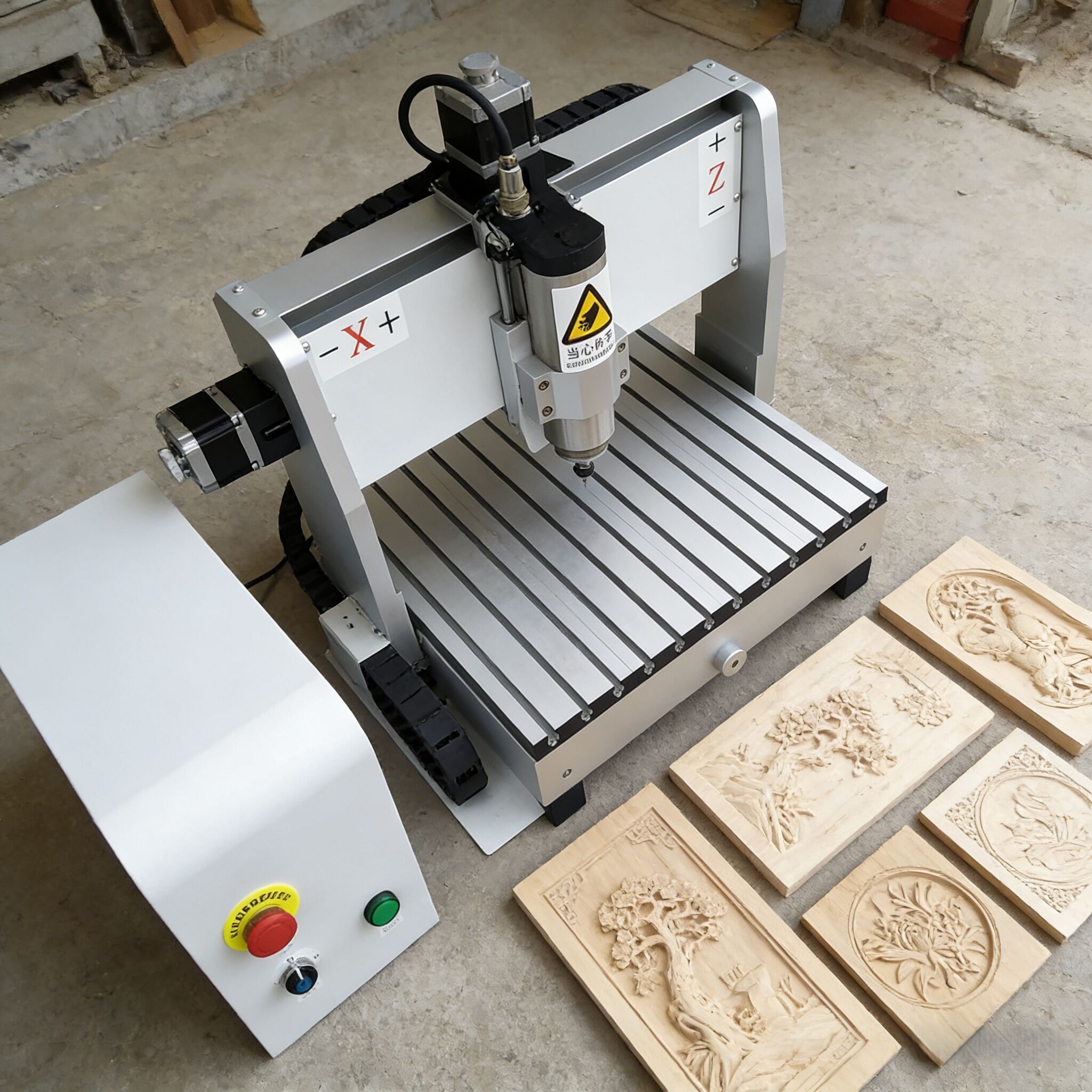
A CNC router is a computer-controlled cutting machine that uses rotating cutting tools to carve, engrave, and cut various materials with exceptional precision and repeatability. Unlike manual routing operations, a CNC router operates through programmed instructions that control every movement of the cutting head, enabling manufacturers to produce complex shapes and intricate designs that would be impossible to achieve by hand. This advanced manufacturing technology has become indispensable across industries ranging from woodworking and furniture production to aerospace and automotive manufacturing.
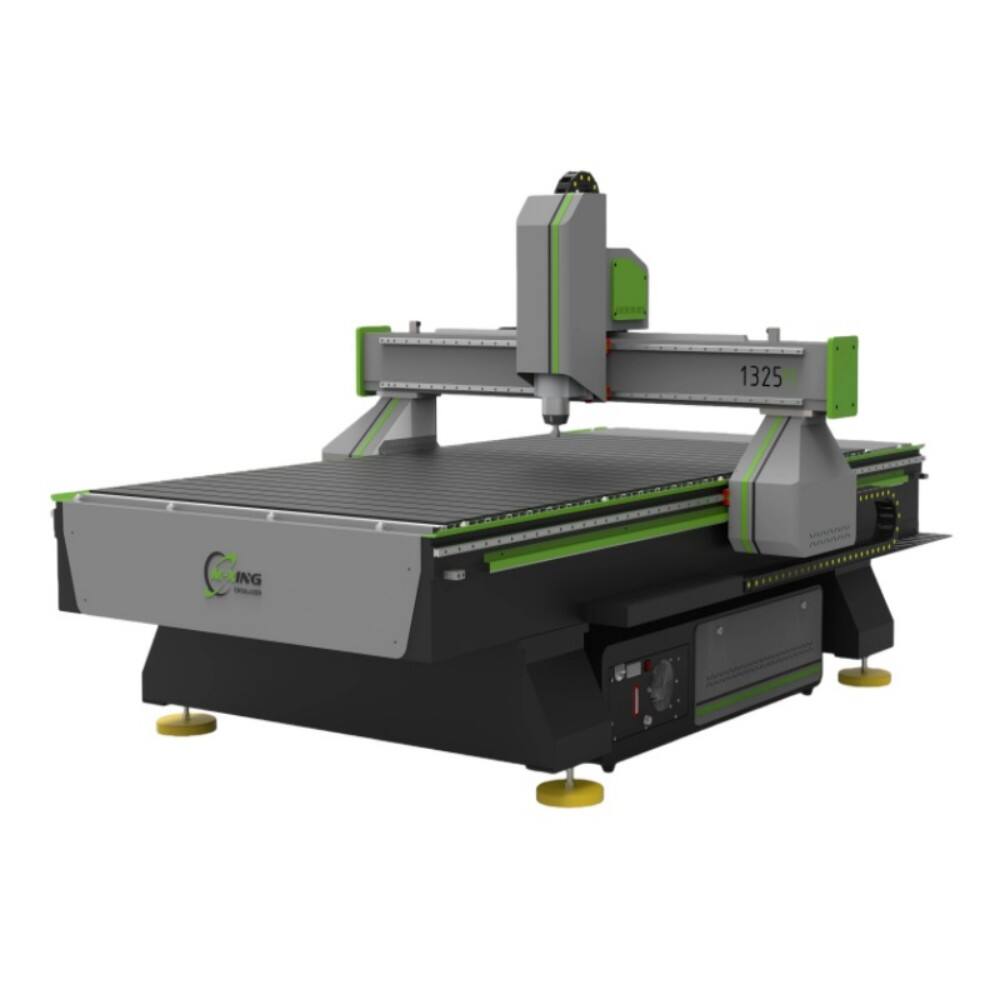
Understanding how a CNC router functions requires examining both its mechanical components and digital control systems. The machine combines precise mechanical movement with sophisticated software programming to translate digital designs into physical products. Modern CNC routers in 2026 feature enhanced automation capabilities, improved cutting technologies, and integrated quality control systems that deliver superior results compared to earlier generations. These machines represent the convergence of traditional machining principles with cutting-edge digital manufacturing technologies.
Essential Components of a CNC Router System
Mechanical Framework and Structure
The foundation of any CNC router lies in its robust mechanical framework, which must provide absolute stability during cutting operations. The machine bed, typically constructed from cast iron or welded steel, serves as the stable platform that supports the workpiece throughout the machining process. This base structure incorporates precision-ground surfaces and mounting points that ensure dimensional accuracy across the entire work envelope.
Linear guide systems form the backbone of the CNC router movement mechanism, enabling the cutting head to traverse along X, Y, and Z axes with exceptional precision. Modern systems utilize ball screw drives or rack-and-pinion mechanisms that convert rotational motor motion into linear movement. These components work together to achieve positioning accuracies measured in thousandths of an inch, essential for producing high-quality finished products.
The spindle assembly represents the heart of the cutting operation, housing the motor that rotates the cutting tool at speeds ranging from thousands to tens of thousands of RPM. Advanced CNC router spindles incorporate automatic tool changing capabilities, temperature monitoring systems, and variable speed control that adapts to different materials and cutting conditions. The spindle mounting system allows for rapid tool changes while maintaining perfect concentricity and minimizing runout that could affect cut quality.
Control Systems and Electronics
The control cabinet houses the sophisticated electronics that govern every aspect of CNC router operation, from motion control to safety monitoring. The main controller processes G-code instructions and coordinates the movement of multiple servo motors simultaneously, ensuring that complex cutting paths are executed with perfect timing and synchronization. These systems incorporate real-time feedback loops that continuously monitor position accuracy and make micro-adjustments as needed.
Servo drive systems translate digital commands into precise mechanical motion, utilizing closed-loop control that constantly verifies actual position against commanded position. Each axis typically employs its own dedicated servo drive, allowing for independent control of cutting head movement in three-dimensional space. Modern drives incorporate advanced algorithms that optimize acceleration profiles and minimize vibration during rapid positioning moves.
Safety interlocks and monitoring systems ensure safe operation while protecting both operators and equipment from damage. Emergency stop circuits can instantly halt all machine motion, while door interlocks prevent operation when access panels are open. Advanced systems monitor cutting forces, temperature conditions, and tool wear to prevent damage and maintain consistent cut quality throughout extended production runs.
CNC Router Operating Principles and Workflow
Digital Design to Machine Code Translation
The CNC router workflow begins with digital design creation using Computer-Aided Design software that defines the geometry and dimensions of the finished part. Designers create detailed 3D models or 2D profiles that specify every cut, hole, and surface feature required in the final product. These digital designs serve as the foundation for all subsequent manufacturing operations and must account for material properties, tool limitations, and machining constraints.
Computer-Aided Manufacturing software translates the design geometry into specific tool paths that the cnc router can execute. This process involves selecting appropriate cutting tools, determining optimal cutting speeds and feeds, and generating the sequence of operations required to produce the part. The CAM system considers factors such as material removal rates, tool deflection, and surface finish requirements when calculating cutting parameters.
G-code generation represents the final step in preparing instructions for the CNC router, converting the tool paths into a standardized programming language that the machine controller can interpret. Each line of G-code specifies a particular machine function, such as linear movement, arc interpolation, or spindle speed changes. Modern post-processors customize the G-code output to match the specific capabilities and requirements of individual CNC router configurations.
Material Setup and Tool Preparation
Proper workpiece fixturing ensures that materials remain securely positioned throughout the cutting process while providing adequate access for tool movement. Vacuum tables, mechanical clamps, and custom fixtures hold the workpiece against cutting forces that could otherwise cause movement or vibration. The fixturing strategy must balance holding strength with accessibility, ensuring that cutting tools can reach all required areas without interference.
Tool selection and preparation directly impact the quality and efficiency of CNC router operations, with different cutting tools designed for specific materials and cutting operations. End mills, compression bits, and specialty tools each offer unique advantages for particular applications. Tool preparation includes proper installation in the spindle, accurate length measurement, and verification of cutting edge condition to ensure optimal performance.
Work coordinate system establishment creates the reference framework that relates the digital design to the physical workpiece location on the machine table. Operators use touch-off procedures or automated probing systems to define the origin point and establish the relationship between the programmed tool paths and the actual material position. This critical setup step ensures that cuts occur in the correct locations with proper dimensional accuracy.
Advanced CNC Router Technologies in 2026
Automation and Integration Features
Modern CNC router systems incorporate sophisticated automation technologies that minimize manual intervention while maximizing productivity and consistency. Automatic tool changing systems allow the machine to select and install different cutting tools during the program execution, enabling complex parts to be completed in a single setup. These systems typically include tool magazines that hold dozens of cutting tools, each precisely measured and ready for immediate use.
Integrated measurement and inspection capabilities enable real-time quality control throughout the machining process, detecting dimensional variations or tool wear before they affect part quality. Laser measurement systems, touch probes, and vision systems provide continuous feedback about cutting conditions and part dimensions. This data allows the CNC router to make automatic adjustments or alert operators to potential issues before defective parts are produced.
Smart manufacturing connectivity links individual CNC router machines to broader factory automation systems, enabling coordinated production scheduling and real-time performance monitoring. Network connectivity allows for remote program loading, machine status monitoring, and production data collection that supports lean manufacturing principles. Advanced systems can automatically optimize cutting parameters based on accumulated performance data and predictive analytics.
Enhanced Cutting Technologies
High-frequency spindles operating at speeds exceeding 30,000 RPM enable CNC router systems to achieve superior surface finishes while reducing cutting forces that can cause workpiece deflection. These advanced spindles incorporate active cooling systems, precision bearings, and dynamic balancing that maintain accuracy even at extreme operating speeds. The combination of high spindle speeds with optimized cutting tool geometries allows for increased material removal rates without compromising surface quality.
Adaptive cutting control systems continuously monitor cutting conditions and automatically adjust parameters to maintain optimal performance throughout the machining process. These systems use real-time feedback from force sensors, vibration monitors, and acoustic emission detectors to identify changes in cutting conditions. When tool wear, material variations, or other factors affect cutting performance, the system automatically modifies speeds, feeds, or cutting depths to compensate.
Multi-axis machining capabilities extend beyond traditional three-axis CNC router configurations to include rotary axes that enable complex contoured surfaces and undercuts. Five-axis CNC routers can position cutting tools at any angle relative to the workpiece, eliminating the need for multiple setups and reducing production time. These advanced systems require sophisticated programming and control algorithms that coordinate all axis movements while avoiding collisions and maintaining optimal cutting conditions.
Material Compatibility and Application Versatility
Wood and Composite Processing
Wood processing represents the traditional strength of CNC router technology, with modern machines capable of handling everything from softwood construction lumber to exotic hardwood species. The CNC router excels at creating complex joinery, decorative elements, and precision-fitted components that would require extensive manual labor using conventional woodworking methods. Different wood species require specific cutting strategies that account for grain direction, density variations, and moisture content.
Engineered wood products such as plywood, MDF, and particle board benefit from the consistent cutting action that CNC router technology provides, eliminating the tear-out and edge damage that can occur with conventional sawing methods. These materials often contain adhesives and fillers that can dull cutting tools quickly, making the precise control of cutting parameters essential for maintaining productivity and surface quality.
Composite materials including carbon fiber, fiberglass, and advanced laminates require specialized cutting approaches that account for their unique properties and potential health hazards. CNC router systems equipped with appropriate dust collection and cutting tool selection can process these materials safely while achieving the precise tolerances required for aerospace and automotive applications.
Metal and Advanced Material Capabilities
Aluminum machining has become increasingly common in CNC router applications, particularly for architectural panels, signage, and industrial components that require both precision and attractive surface finishes. The key to successful aluminum cutting lies in proper chip evacuation, appropriate cutting tool selection, and careful control of cutting parameters to prevent built-up edge formation that can damage surface finish.
Plastic processing encompasses a wide range of thermoplastic and thermoset materials, each with unique cutting characteristics that influence tool selection and cutting parameters. The CNC router must manage heat generation carefully when cutting plastics to prevent melting, stress cracking, or dimensional distortion. Proper techniques enable the production of precision plastic components for medical devices, electronics housings, and consumer products.
Foam materials used in packaging, insulation, and prototyping applications require specialized cutting approaches that prevent material compression or tearing during the cutting process. CNC router systems can create complex three-dimensional foam parts with smooth surfaces and precise dimensions when equipped with appropriate cutting tools and programming techniques.
Quality Control and Precision Considerations
Dimensional Accuracy Achievement
Achieving consistent dimensional accuracy requires careful attention to multiple factors that can influence CNC router performance, including machine calibration, environmental conditions, and cutting tool condition. Regular calibration procedures verify that the machine axes move accurately according to programmed commands, while compensation techniques can correct for systematic errors that might develop over time.
Thermal effects can significantly impact CNC router accuracy, as temperature changes cause expansion and contraction of both the machine structure and workpieces. Modern systems incorporate temperature monitoring and compensation algorithms that adjust cutting parameters and coordinate systems to maintain accuracy throughout extended production runs. Climate-controlled manufacturing environments provide additional stability for precision applications.
Tool deflection represents a common source of dimensional errors in CNC router operations, particularly when using long, small-diameter cutting tools or when cutting hard materials. Finite element analysis and cutting simulation software help predict and compensate for tool deflection effects, while proper tool selection and cutting parameter optimization minimize deflection-related errors.
Surface Quality Optimization
Surface finish quality depends on the interaction between cutting tool geometry, cutting parameters, and material properties, with optimal results requiring careful balance of these factors. Chip load per tooth, surface speed, and tool path strategies all influence the final surface texture and appearance. Advanced CAM systems include surface finish prediction capabilities that help optimize cutting parameters before machining begins.
Tool path optimization strategies such as trochoidal milling, adaptive clearing, and constant engagement techniques can significantly improve both productivity and surface quality while extending cutting tool life. These advanced strategies maintain consistent cutting loads and minimize tool deflection while reducing cycle times compared to conventional cutting approaches.
Vibration control becomes critical for achieving superior surface finishes, as any oscillation between the cutting tool and workpiece will transfer directly to the machined surface. Modern CNC router designs incorporate vibration damping systems, optimized structural designs, and active vibration control technologies that minimize unwanted movement during cutting operations.
FAQ
What types of materials can a CNC router cut effectively?
A CNC router can effectively cut wood, plywood, MDF, plastics, aluminum, foam, composites, and many other materials. The specific material compatibility depends on the machine's spindle power, rigidity, and cutting tool capabilities. Softer materials like wood and plastics are easiest to process, while metals require more robust machine construction and appropriate cutting tools. Material thickness limitations vary by machine size, but most CNC routers can handle materials from thin sheets up to several inches thick.
How accurate are modern CNC routers in 2026?
Modern CNC routers in 2026 typically achieve positioning accuracy within ±0.001 inches (±0.025mm) for most applications, with high-end systems capable of even tighter tolerances. Actual machining accuracy depends on factors including material properties, cutting tool condition, workpiece fixturing, and environmental conditions. Repeatability is generally excellent, with properly maintained machines producing identical parts within very tight tolerance ranges across extended production runs.
What maintenance is required for a CNC router?
Regular CNC router maintenance includes daily cleaning of the machine and work area, weekly lubrication of linear guides and ball screws, and periodic calibration checks to ensure accuracy. Cutting tools require regular inspection and replacement based on wear patterns and performance degradation. Monthly maintenance typically includes spindle bearing inspection, belt tension checking, and electrical connection verification. Annual maintenance may involve major component inspections, software updates, and comprehensive accuracy verification procedures.
Can a CNC router replace traditional woodworking tools completely?
While a CNC router can perform many operations traditionally done by hand tools and conventional machinery, it cannot completely replace all woodworking tools. The CNC router excels at cutting, routing, drilling, and engraving operations but may not be optimal for tasks like sanding, assembly, or finishing. Many woodworking shops use CNC routers alongside traditional tools, with each serving specific roles in the overall production process. The choice depends on production volume, part complexity, and required precision levels.