
 EN
EN
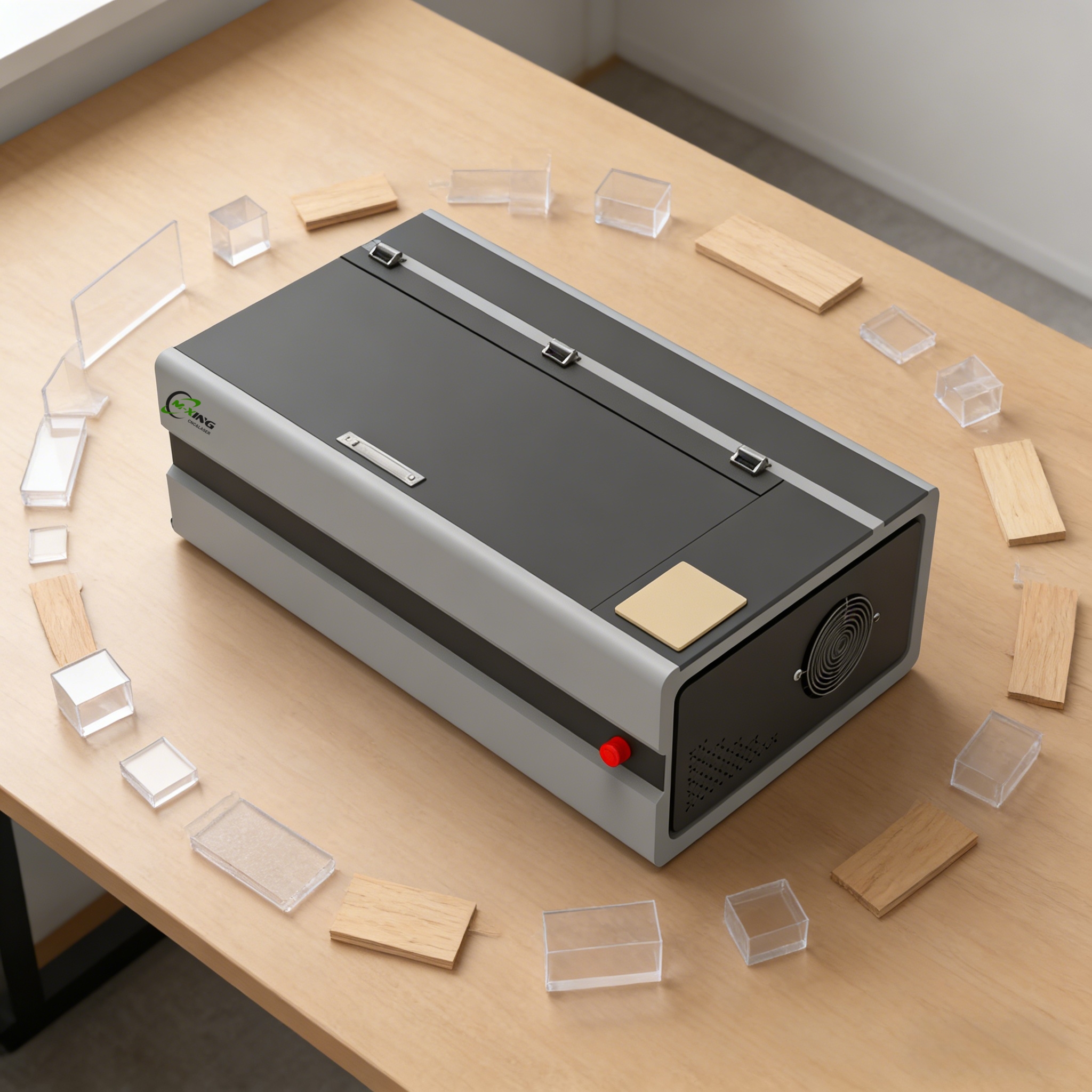
Acrylic laser cutting has become a cornerstone technology in manufacturing, design, and creative industries worldwide. A laser cutter operates by using a concentrated beam of light to cut, engrave, or mark materials with extraordinary precision. When applied to acrylic, this laser cutter technology delivers clean edges, intricate designs, and minimal material waste. Understanding how a laser cutter works on acrylic helps businesses and hobbyists alike unlock the full potential of this versatile material for signage, decorative items, prototypes, and industrial applications.
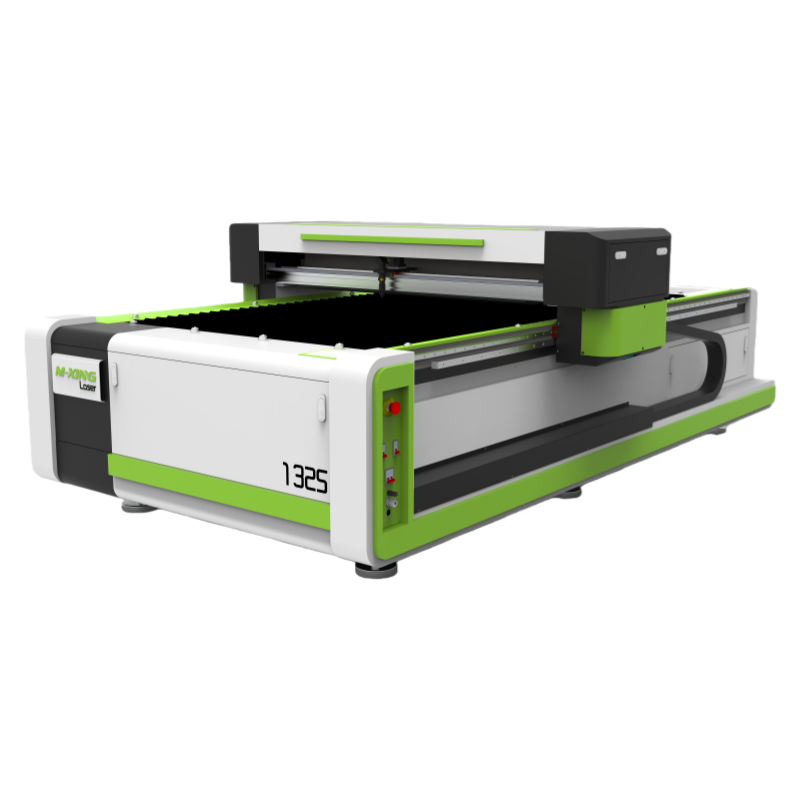
The laser cutter process relies on fundamental physics principles combined with modern computer control systems. When you use a laser cutter on acrylic sheets, the machine converts electrical energy into a high-power laser beam that melts and vaporizes the material along a precise path. This method produces exceptionally sharp edges and allows for complex geometries that would be difficult or impossible to achieve with traditional cutting tools. The laser cutter technology offers speed, accuracy, and repeatability that make it invaluable across countless industries and creative endeavors.
Understanding Laser Cutter Fundamentals for Acrylic
Core Technology Behind the Laser Cutter
A laser cutter operates using a laser tube or laser source that generates a coherent light beam at a specific wavelength. For acrylic, most operations use a laser cutter equipped with CO2 technology, which produces infrared light that acrylic absorbs efficiently. This laser beam travels through a series of mirrors and lenses that focus it to a very small spot size, typically ranging from 0.1 to 0.3 millimeters in diameter. The concentrated energy at this focal point creates temperatures high enough to instantly vaporize acrylic material, creating clean cuts and precise engravings. The laser cutter's power output, measured in watts, directly influences cutting speed and material thickness capacity.
How the Laser Cutter Produces Precision
The precision of a laser cutter comes from its computer numerical control system, which directs the beam across the acrylic surface with exact coordinates. The laser cutter software converts your design into motion commands that move the beam in predetermined paths. This eliminates human error and ensures that every cut, every engraving, and every detail matches your specifications perfectly. The laser cutter maintains consistent focus and power delivery throughout the entire cutting process, which is why acrylic edges emerge so smooth and edges remain virtually flame-polished without additional finishing.
The Acrylic Laser Cutting Process Explained
Step-by-Step Workflow of Laser Cutter Operation
When you begin an acrylic laser cutting project, the process starts with design creation using vector graphics software. The laser cutter reads this digital design file and interprets each line and curve as a cutting or engraving instruction. You load your acrylic sheet onto the laser cutter work bed and adjust the focal length to match your material thickness. The laser cutter then initializes, moving the laser head to the starting position while verifying all safety systems. Once you activate the job, the laser cutter beam begins tracing your design, moving along the X and Y axes while varying power and speed as needed for different elements.
Material Interaction and Heat Management
Acrylic responds distinctly when exposed to the laser cutter beam because it has high light absorption at the infrared wavelength. The intense energy from the laser cutter instantly heats the acrylic at the beam contact point, causing the material to soften, melt, and vaporize. The laser cutter's motion creates a narrow kerf, or cut line, that cleanly separates pieces with minimal thermal stress to surrounding areas. Most modern laser cutter systems include assist air jets that blow away vaporized material and help prevent re-deposition on the cut edge. This combination of focused heat and active material removal is what makes the laser cutter so effective for acrylic work compared to traditional mechanical cutting methods.
Key Advantages and Applications of Laser Cutter Technology
Why Businesses Choose Laser Cutter Solutions for Acrylic
Acrylic laser cutting delivers significant operational advantages that make the laser cutter investment worthwhile. The laser cutter produces negligible material waste because the kerf is extremely narrow, typically 0.1 to 0.2 millimeters. Edge quality from a laser cutter requires no secondary finishing, reducing labor costs and time to completion. The laser cutter can process small batches as efficiently as large production runs, making it ideal for custom orders and low-volume manufacturing. Additionally, the laser cutter works with various acrylic thicknesses and colors without tool changes, providing tremendous flexibility for diverse project requirements.
Real-World Applications Enabled by Laser Cutter Technology
Industries leverage the laser cutter for acrylic in signage production, where precise cuts and clean edges create professional displays. Manufacturers use the laser cutter for decorative architectural elements, creating intricate panels and light-diffusing components. The laser cutter enables jewelry designers to produce delicate acrylic pieces with fine detail and transparent properties intact. Educational institutions employ the laser cutter for prototyping and fabrication classes, teaching students advanced manufacturing techniques. Retail product designers utilize the laser cutter to create point-of-sale displays, acrylic packaging inserts, and branded merchandise. The laser cutter's versatility across these sectors demonstrates why it remains an essential tool in modern production environments.
FAQ
What thickness of acrylic can a typical laser cutter process?
Most commercial laser cutter systems can cut acrylic up to 10 millimeters thick in a single pass, depending on laser power and material quality. A high-power laser cutter rated at 150 watts or more can handle thicker acrylic efficiently, while lower-power laser cutter models work best with thinner sheets. For optimal results, verify that your specific laser cutter meets your project thickness requirements before beginning production.
Does laser cutter operation require special ventilation for acrylic?
Yes, proper ventilation is essential when using a laser cutter on acrylic because the process produces vapors and fumes. Every laser cutter installation should include an exhaust system that captures and filters these emissions away from the workspace. Without adequate ventilation, a laser cutter workspace becomes uncomfortable and potentially hazardous, so invest in extraction equipment rated for your laser cutter's duty cycle and power level.
Can a laser cutter engrave acrylic without cutting all the way through?
Absolutely, a laser cutter can be precisely controlled to engrave acrylic at depths ranging from surface marking to nearly full thickness. The laser cutter software allows you to adjust power and speed to achieve your desired engraving depth while leaving the base material intact. This capability enables hybrid designs where a laser cutter cuts some elements while engraving decorative details on the same piece.
