
 EN
EN
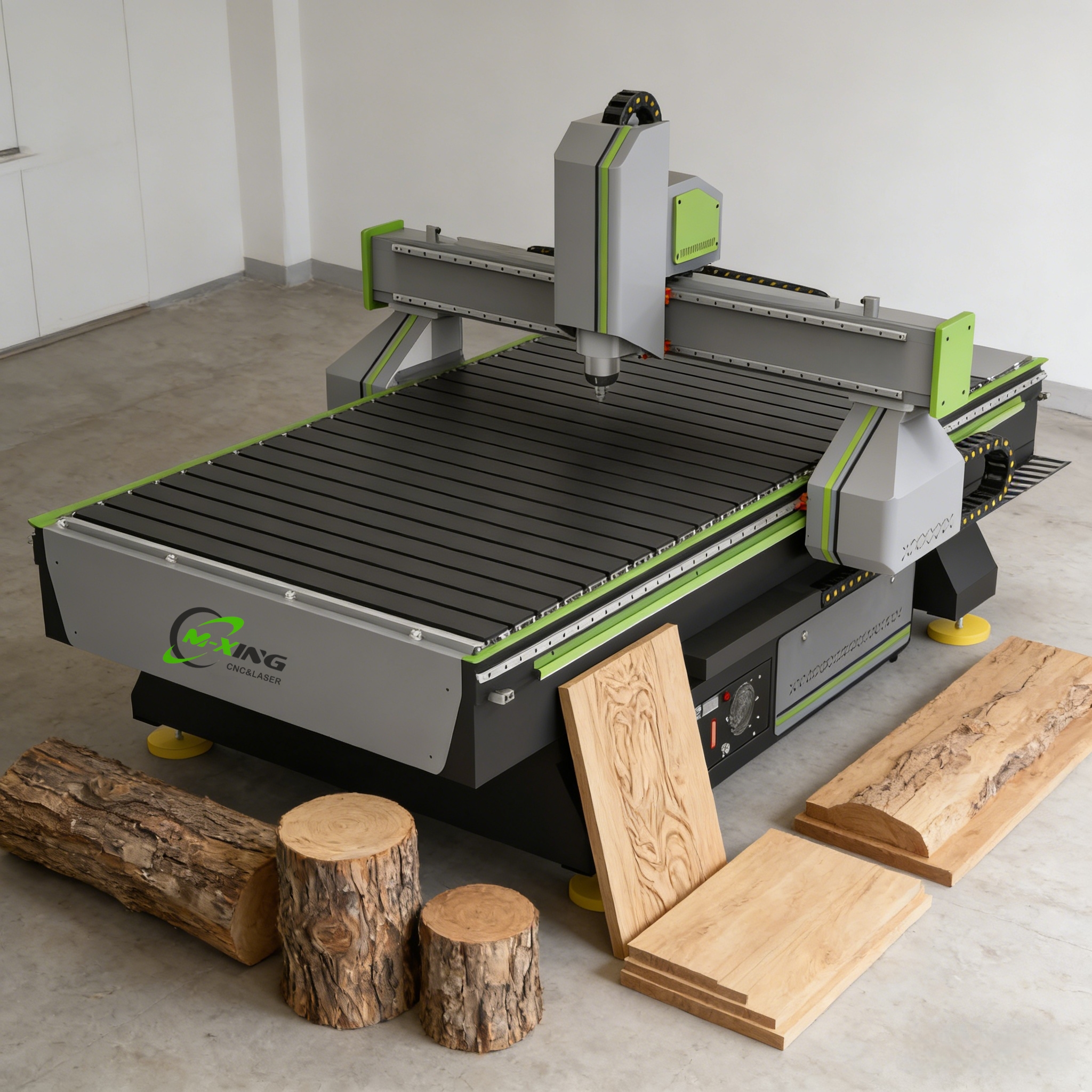
CNC laser acrylic cutting represents one of the most precise and versatile techniques in modern manufacturing and design. Whether you're producing decorative panels, signage, prototypes, or intricate components, the quality of your CNC laser acrylic cutting directly influences the final product's appearance, structural integrity, and market value. Understanding the critical factors that impact CNC laser acrylic cutting quality enables manufacturers, designers, and entrepreneurs to optimize their production processes and deliver superior results consistently.
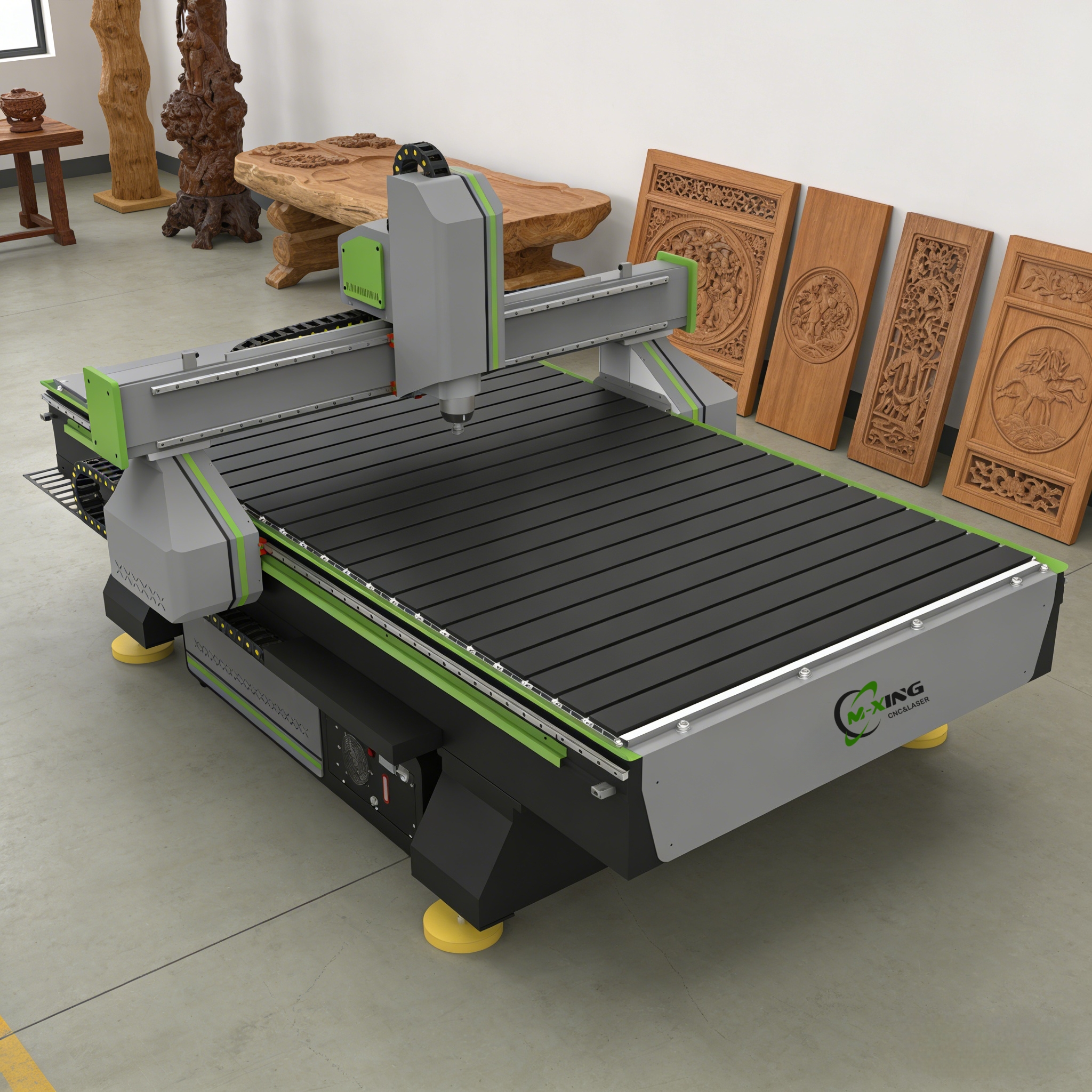
The outcomes of CNC laser acrylic cutting depend on a complex interplay of material properties, machine parameters, and operational expertise. By examining these factors systematically, you can identify where quality issues originate and implement targeted improvements. This comprehensive guide explores the essential elements that determine whether your CNC laser acrylic cutting process produces flawless edges, precise dimensions, and professional finishes.
Material Quality and Selection Impact on CNC Laser Acrylic Cutting
Acrylic Grade and Composition
The grade and composition of acrylic material fundamentally influence CNC laser acrylic cutting outcomes. Cast acrylic, which is produced through a pouring and casting process, typically provides superior edge clarity and lower stress compared to extruded acrylic. When selecting acrylic for CNC laser acrylic cutting applications, cast acrylic delivers cleaner, more transparent cut edges with minimal crazing or stress fractures. Extruded acrylic, while more economical, may contain internal stresses and inconsistencies that become apparent during cutting and affect the quality of your final CNC laser acrylic cutting results.
Thickness and Density Uniformity
Consistent thickness across the acrylic sheet directly affects CNC laser acrylic cutting precision and edge quality. Sheets with uneven thickness require variable laser power and speed adjustments, compromising the uniformity of your CNC laser acrylic cutting. High-quality acrylic materials maintain consistent density throughout, allowing the laser to penetrate and vaporize material at predictable rates. Density uniformity ensures that your CNC laser acrylic cutting process produces consistent edge finish, reduces the likelihood of incomplete cuts or charring, and maintains dimensional accuracy across batches.
Machine Parameters and Laser Settings for Optimal CNC Laser Acrylic Cutting
Laser Power and Pulse Frequency
Laser power output is perhaps the most critical parameter in CNC laser acrylic cutting. Insufficient power results in incomplete cuts, requiring multiple passes that degrade edge quality and waste production time. Excessive power generates excessive heat, causing edge yellowing, charring, and thermal stress in the surrounding acrylic. The optimal power setting for CNC laser acrylic cutting depends on acrylic thickness, material grade, and cutting speed. Most CNC laser acrylic cutting operations achieve best results with power levels between 40% and 80% of maximum, adjusted based on test cuts and material feedback.
Cutting Speed and Acceleration
The cutting speed during CNC laser acrylic cutting operations significantly impacts edge clarity and dimensional precision. Slower speeds allow more complete material vaporization and cleaner edges, while excessively slow speeds increase thermal stress and edge discoloration. For effective CNC laser acrylic cutting, most facilities operate at speeds between 20 and 50 millimeters per second, depending on material thickness and power settings. Rapid acceleration and deceleration also matter; smooth, gradual speed transitions during CNC laser acrylic cutting prevent stress concentrations and ensure consistent edge quality throughout the cut path.
Environmental and Operational Factors Influencing CNC Laser Acrylic Cutting Quality
Ventilation and Fume Extraction
Proper ventilation and fume extraction are essential for maintaining consistent CNC laser acrylic cutting quality. Accumulated smoke and vaporized acrylic particles reduce laser beam clarity and can redeposit on acrylic surfaces, creating residue buildup. A high-efficiency extraction system positioned directly under the cutting area removes vaporized material immediately, preserving optical clarity and preventing quality degradation during CNC laser acrylic cutting. Inadequate ventilation causes beam refraction, reduced cutting precision, and degraded edge finish across successive cuts.
Focus and Beam Alignment
Precise laser beam focus directly above the acrylic surface determines cut quality in CNC laser acrylic cutting operations. A misaligned or defocused beam produces sloped edges, inconsistent kerf width, and incomplete cuts. Operators should verify focus position before each CNC laser acrylic cutting job and adjust for material thickness variations. Beam alignment systems with real-time feedback ensure that the laser maintains perpendicular contact with the acrylic surface throughout the entire cutting path, delivering the sharp, precise edges that define high-quality CNC laser acrylic cutting results.
Maintenance and Lens Cleanliness
Optical components directly affect cnc laser acrylic cutting performance and quality consistency. Contaminated or damaged lenses scatter the laser beam, reducing power density at the focal point and degrading edge quality. Regular cleaning schedules and preventive maintenance ensure that optical elements remain clear and properly aligned. Operators should inspect and replace optical components at manufacturer-recommended intervals to maintain optimal beam characteristics throughout their CNC laser acrylic cutting workflow.
FAQ
What acrylic thickness works best for CNC laser acrylic cutting?
CNC laser acrylic cutting performs optimally with acrylic thicknesses between 2 and 8 millimeters. Thinner acrylic (under 2mm) risks warping or melting, while thicker material (over 8mm) requires higher power and may produce incomplete cuts. Material thickness choice depends on your application requirements and available laser power. Most industrial CNC laser acrylic cutting systems handle 3 to 6 millimeter acrylic efficiently, delivering clean edges without excessive processing time or thermal stress.
How does ambient temperature affect CNC laser acrylic cutting quality?
Ambient temperature influences acrylic material properties and laser system performance during CNC laser acrylic cutting. Cooler environments (below 15°C) can cause acrylic to become brittle, increasing crazing risk during CNC laser acrylic cutting. Warmer environments (above 30°C) may cause slight expansion and reduced cutting precision. Maintaining temperature stability between 18 and 24°C optimizes both material behavior and laser equipment performance, ensuring consistent CNC laser acrylic cutting results across production runs.
Can CNC laser acrylic cutting produce beveled or chamfered edges?
Standard CNC laser acrylic cutting produces perpendicular edges with minimal edge beveling. Creating intentional bevels or chamfered edges during CNC laser acrylic cutting requires multi-pass techniques with progressive angle adjustments or post-processing finishing methods. Some advanced CNC laser acrylic cutting systems incorporate dynamic power and speed adjustments to create subtle edge treatments. For significant beveling, combining laser cutting with mechanical edge finishing typically delivers superior results compared to laser-only CNC laser acrylic cutting approaches.
