
 EN
EN
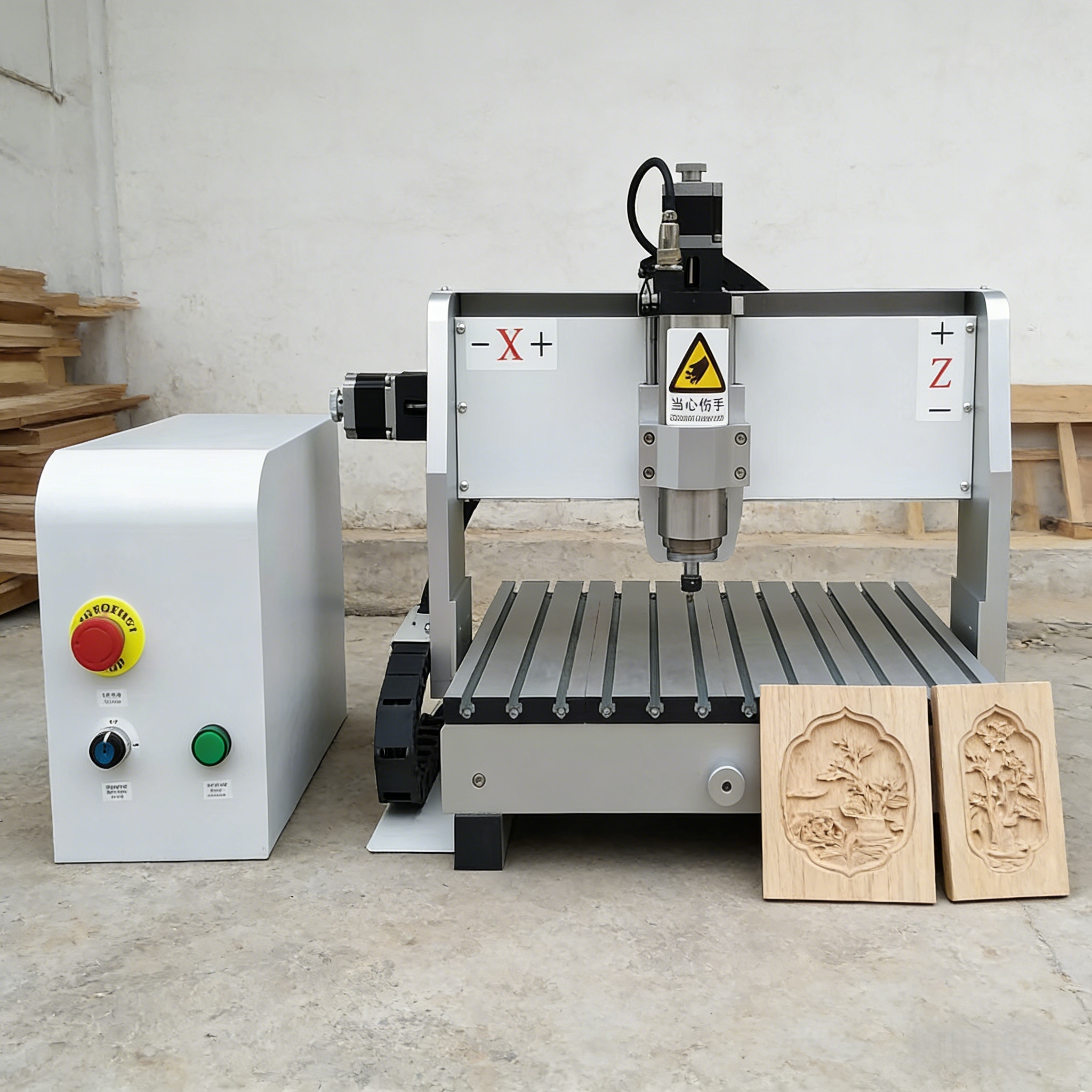
Custom branding has become essential for businesses seeking to differentiate their products and build lasting customer loyalty. An engrave machine offers a powerful solution for applying personalized marks, logos, and designs directly onto various materials with precision and durability. Whether you're working with wood, acrylic, metal, or leather, an engrave machine transforms raw materials into branded assets that reflect your company's identity. This technology enables manufacturers, retailers, and creative businesses to scale their branding efforts without compromising quality or consistency.
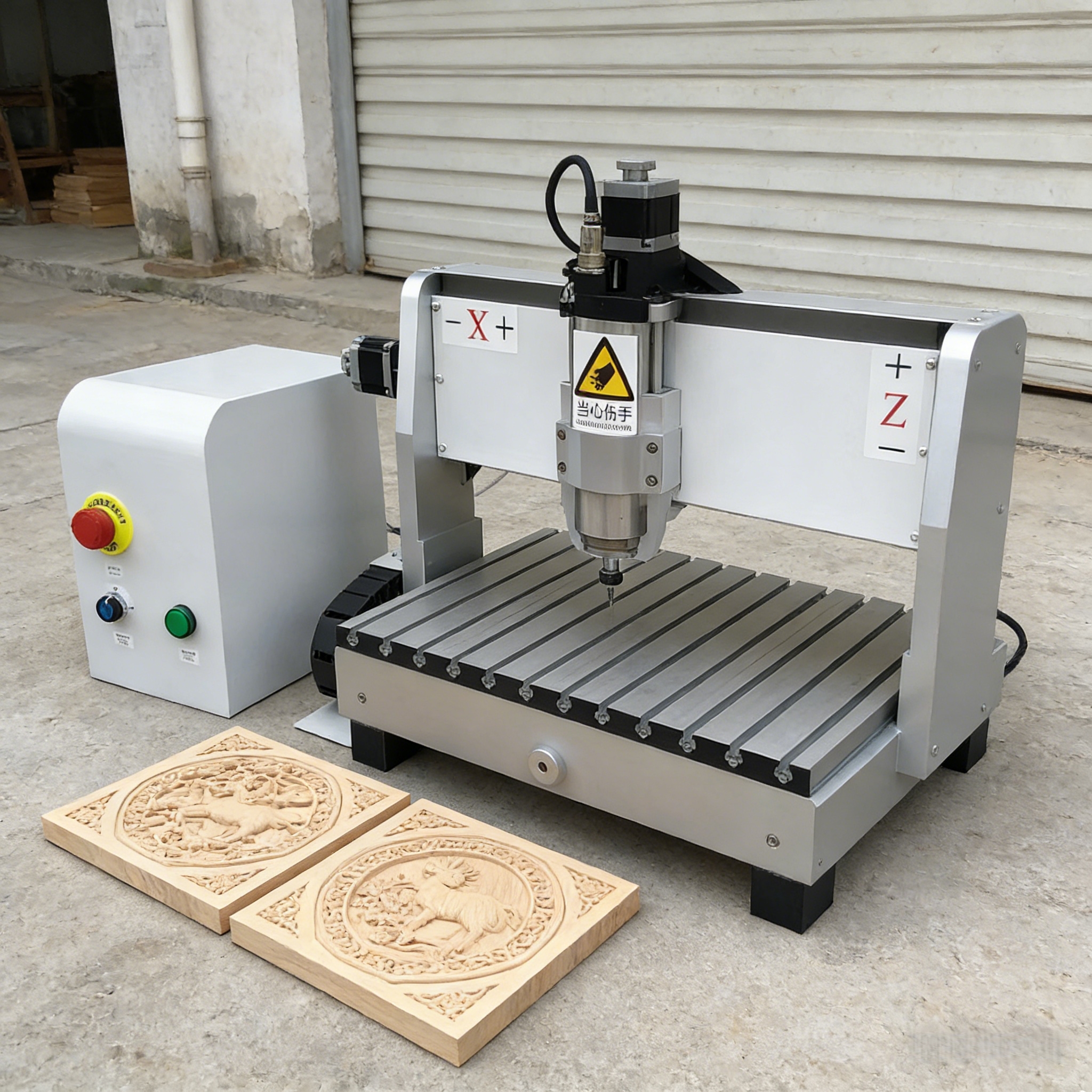
The functionality of an engrave machine extends far beyond simple marking. Modern engraving systems combine precision laser technology with versatile material handling capabilities, allowing businesses to create intricate brand elements such as company logos, serial numbers, QR codes, and decorative patterns. By investing in a reliable engrave machine, organizations can maintain complete control over their branding process, ensure consistent quality across production runs, and respond quickly to custom orders without outsourcing to third-party vendors.
Understanding Engrave Machine Capabilities for Material Compatibility
Diverse Material Support with an Engrave Machine
An engrave machine excels at working with an extensive range of materials, making it ideal for multi-industry branding applications. Wood products, including hardwoods and plywood, accept engraving exceptionally well, producing crisp, permanent marks that enhance aesthetic appeal. Acrylic and polymers respond beautifully to precision engraving, creating clear contrasts ideal for signage and promotional items. An engrave machine also handles leather with precision, enabling luxury brands to apply sophisticated monograms and decorative elements. Additionally, these systems work effectively on metals, glass, and stone, though the specific engraving technique may vary depending on the material's composition and the engrave machine's laser power rating.
Material-Specific Considerations for Branding Success
Different materials require tailored approaches when using an engrave machine for custom branding. Softer materials like wood and acrylic respond well to standard laser engraving, which vaporizes the surface layer to create depth and contrast. Harder materials such as metal and stone demand higher laser power and specialized settings to achieve optimal results. An engrave machine operator must understand each material's thermal properties, reflectivity, and surface characteristics to configure appropriate power levels, speed, and focus depth. Testing samples before full production runs ensures your engrave machine delivers the desired branding quality and prevents costly material waste while maintaining brand consistency across all products.
Implementing Custom Branding Workflows with an Engrave Machine
Design Integration and Production Preparation
Successful branding with an engrave machine begins with proper design preparation and material setup. Your brand assets—logos, text, and graphics—must be converted into vector or raster formats compatible with your engrave machine's control software. High-resolution artwork ensures crisp, professional results, while proper scaling prevents distortion or sizing errors during production. An engrave machine's software typically allows designers to preview the engraving path, adjust focus points, and optimize laser parameters before execution. This planning phase is critical; it minimizes errors, reduces material waste, and ensures every branded item meets your quality standards from the first production run onward.
Speed, Precision, and Production Scalability
One of the primary advantages of an engrave machine is its ability to combine speed with precision without sacrificing quality. Laser-based engraving systems deliver accuracy down to millimeters, creating sharp, detailed brand marks that strengthen product recognition and perceived value. An engrave machine operator can adjust power and speed settings to balance production throughput with engraving depth and clarity. For high-volume custom branding, an engrave machine dramatically reduces per-unit labor costs compared to manual marking methods, making it economically viable for businesses of all sizes. Whether you're personalizing individual items or processing hundreds of units daily, an engrave machine scales efficiently to meet your branding demands.
Maximizing Branding Value Through Strategic Engrave Machine Deployment
Enhancing Product Identity and Market Differentiation
Strategic use of an engrave machine strengthens brand recognition and product authenticity. Engraved company logos, contact information, or batch numbers create a permanent, tamper-proof brand presence that consumers trust and value. Luxury goods, promotional merchandise, corporate gifts, and industrial equipment all benefit from professional engraving. An engrave machine enables businesses to offer personalization options that command premium pricing, open new revenue streams, and build competitive advantages. Customers appreciate the craftsmanship and attention to detail that precise engraving conveys, transforming ordinary products into branded assets that reinforce corporate identity at every customer touchpoint.
Operational Efficiency and Return on Investment
Adopting an engrave machine represents a strategic investment in operational efficiency and brand consistency. Unlike outsourced branding services that introduce delays and quality variability, an in-house engrave machine provides immediate turnaround, complete design control, and reproducible results. The technology reduces dependency on external vendors, eliminates minimum order quantities imposed by contract manufacturers, and enables rapid response to market opportunities and custom requests. Over time, the cost savings from reduced outsourcing, faster production cycles, and improved first-pass quality create measurable returns. Businesses utilizing an engrave machine gain competitive flexibility and strengthen their market position by delivering branded products faster and more affordably than competitors relying on traditional branding methods.
FAQ
What materials can an engrave machine effectively mark?
An engrave machine works effectively on wood, acrylic, leather, rubber, glass, stone, and certain metals. Each material responds differently based on its thermal and optical properties. Softer materials like wood and acrylic require lower laser power, while metals and stone demand higher settings. Testing material samples with your engrave machine before production ensures optimal results and helps you determine the correct power, speed, and focus settings for consistent, high-quality branding across different product types.
How does an engrave machine ensure branding consistency across products?
An engrave machine uses automated laser positioning and digitally controlled settings to deliver identical results repeatedly. Once you configure the power, speed, focus depth, and design parameters, an engrave machine reproduces these exact settings for every piece. This eliminates human variation inherent in manual branding methods and ensures every branded product meets your quality standards. Regular calibration and maintenance of your engrave machine further reinforces consistency, making it ideal for businesses requiring uniform branding across large production runs or diverse product lines.
Can an engrave machine handle intricate logo designs and fine detail?
Yes, an engrave machine excels at reproducing intricate designs and fine details with precision. Modern laser systems achieve accuracy down to fractions of a millimeter, enabling complex logos, fine line work, photographs, and decorative patterns. Your design must be properly formatted as vector artwork or high-resolution raster files compatible with your engrave machine's software. Testing your specific design on sample material before full production confirms that your engrave machine can render the desired detail level and ensures professional, consistent branding results across all branded items.
