
 EN
EN
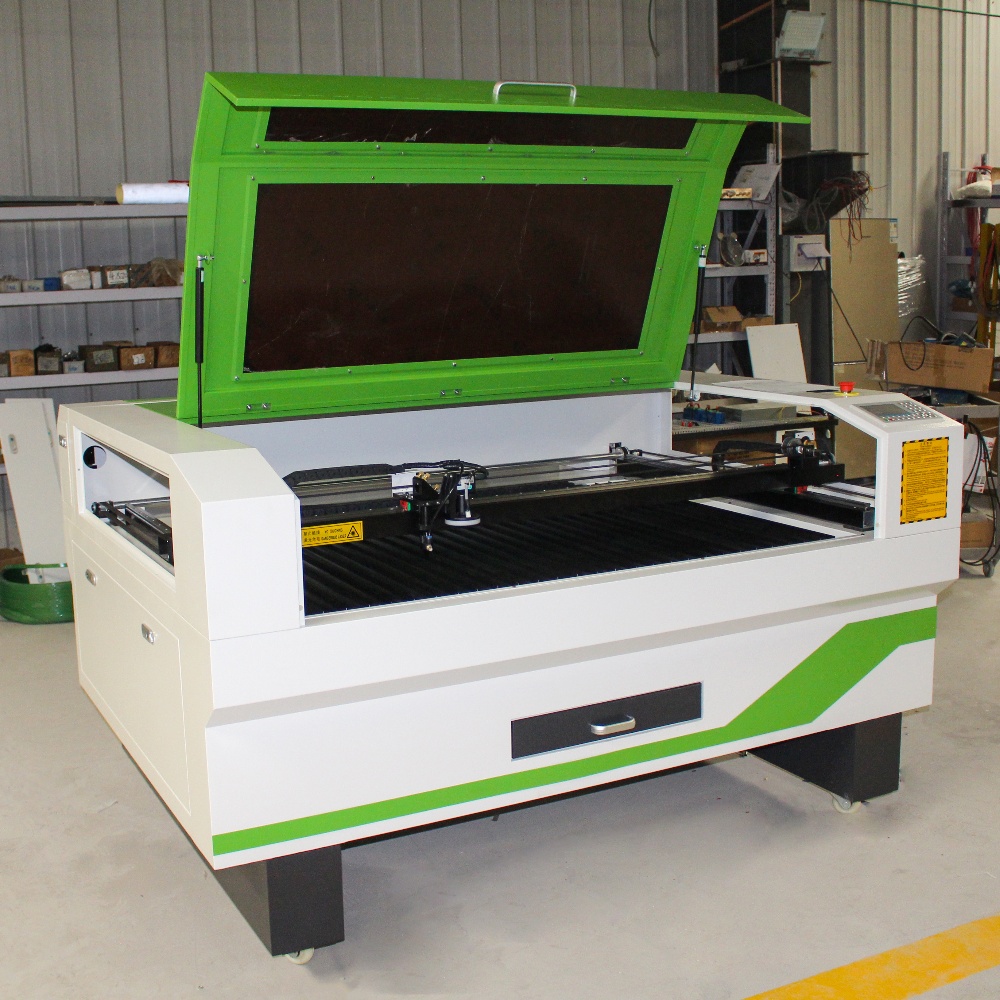
Manufacturers worldwide have embraced the co2 cnc laser cutter as a cornerstone technology for handling intricate, complex designs with unmatched precision and consistency. The co2 cnc laser cutter represents a fundamental shift in how production facilities approach design complexity, material versatility, and production timelines. Unlike traditional cutting methods that rely on mechanical contact, a co2 cnc laser cutter delivers laser energy precisely to targeted areas, enabling manufacturers to achieve tolerances and detail levels that were once impossible.
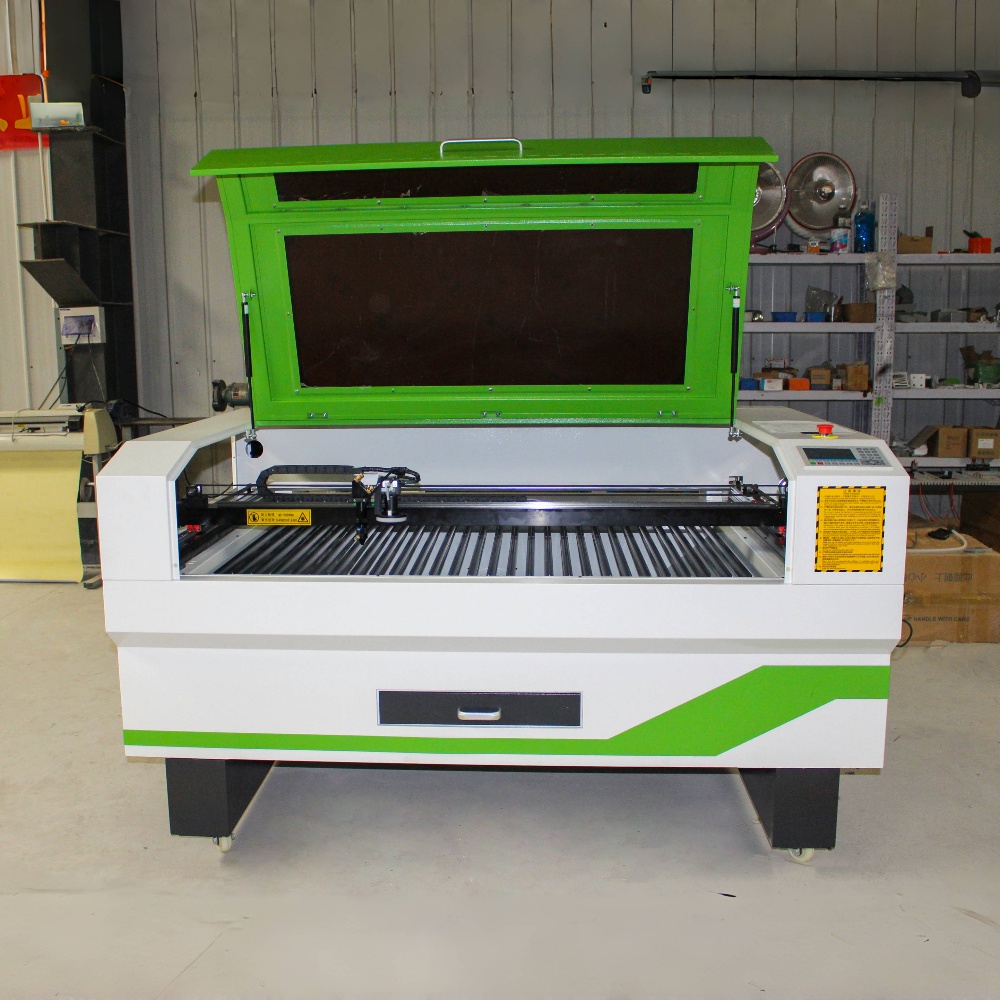
The adoption of a co2 cnc laser cutter is driven by practical operational demands. Complex designs require cutting systems that balance speed, accuracy, and flexibility across diverse material types. A co2 cnc laser cutter meets all three criteria simultaneously, which is why leading manufacturers across aerospace, automotive, signage, and packaging sectors have standardized on this technology. The investment in a co2 cnc laser cutter delivers measurable returns through reduced scrap rates, faster design iterations, and the ability to tackle increasingly sophisticated customer requirements.
Precision Capabilities and Design Complexity
Achieving Tolerance Levels Beyond Traditional Methods
A co2 cnc laser cutter excels at producing cut edges and details with tolerances that mechanical cutting systems struggle to match. The non-contact nature of laser cutting eliminates tool wear and material distortion issues that plague blade-based methods. When manufacturers face designs with intricate patterns, nested components, or tight dimensional requirements, a co2 cnc laser cutter delivers the consistency needed across production runs. This precision is not a luxury feature; it directly impacts assembly fit, product quality, and downstream manufacturing steps.
Complex Geometry Execution
Intricate geometries that would require multiple tool changes or specialized fixturing with conventional equipment become straightforward with a co2 cnc laser cutter. The system can execute sharp corners, curved transitions, and nested patterns without interruption or repositioning. Manufacturers benefit because complex designs no longer require process planning compromises. A co2 cnc laser cutter responds to the digital file without constraint, meaning designers can create ambitious patterns knowing the equipment will deliver without limitation.
Material Versatility and Production Flexibility
Broad Material Compatibility
The co2 cnc laser cutter performs reliably across wood, acrylic, leather, fabric, rubber, stone, and engineered composites. This material range is significantly broader than mechanical cutting alternatives. Manufacturers who service multiple market segments can consolidate production on a single co2 cnc laser cutter platform, rather than maintaining separate equipment for different materials. The flexibility to switch materials and designs without hardware reconfiguration reduces changeover time and operational complexity.
Design Iteration and Customization
A co2 cnc laser cutter enables rapid prototyping and design customization that builds competitive advantage. When clients request modifications or when product lines demand variations, the co2 cnc laser cutter shifts from one digital file to another in minutes. This agility is particularly valuable for manufacturers serving industries like promotional products, architectural signage, and custom packaging. The speed of a co2 cnc laser cutter transforms what would be a multi-day or multi-week production cycle into a same-shift delivery capability.
Operational Efficiency and Cost Reduction
Minimizing Material Waste
A co2 cnc laser cutter produces extremely narrow cutting kerf widths compared to mechanical blades. This efficiency means more finished parts per raw material sheet, directly improving material utilization rates. For manufacturers processing expensive materials like acrylic or specialty textiles, the waste reduction achieved by a co2 cnc laser cutter translates to significant material cost savings. The precision of a co2 cnc laser cutter also minimizes edge preparation and finishing work required downstream.
Labor Efficiency and Production Speed
Once a design file is loaded, a co2 cnc laser cutter operates autonomously without manual positioning, tool changes, or part adjustments. This hands-off operation frees personnel to manage other production steps, quality control, or design preparation. A co2 cnc laser cutter can complete complex multi-hour cutting jobs that would require continuous operator attention with traditional equipment. The speed advantage compounds across high-volume production, where cycle time reductions directly impact throughput and profitability.
Long-Term Cost of Ownership
The operating cost structure of a co2 cnc laser cutter favors manufacturers managing complex designs. Electricity consumption is modest, and maintenance involves regular optics cleaning and alignment checks rather than frequent blade replacement or extensive mechanical servicing. A co2 cnc laser cutter scales gracefully with production volume; the per-part cutting cost decreases as utilization increases. Manufacturers report that the investment in a co2 cnc laser cutter is recouped within 12 to 24 months through combined savings in material waste, labor, and scrap reduction.
Industry-Specific Applications
Aerospace and Precision Manufacturing
Aerospace suppliers depend on a co2 cnc laser cutter to produce gaskets, composite patterns, and precision brackets with consistent quality across thousands of parts. The dimensional stability and repeatability of a co2 cnc laser cutter meet rigid aerospace specifications. The ability of a co2 cnc laser cutter to handle complex nested layouts maximizes production yield per stock sheet, a critical efficiency factor in aerospace component supply.
Signage, Branding, and Creative Industries
Sign makers and branding specialists have standardized on a co2 cnc laser cutter because of the unlimited design possibilities it enables. Custom logos, architectural lettering, and dimensional effects that demand precision edge quality are executed flawlessly by a co2 cnc laser cutter. The versatility of a co2 cnc laser cutter across acrylic, wood, and composite substrates means one production platform handles diverse client requests without compromise.
FAQ
What materials can a co2 cnc laser cutter process most effectively?
A co2 cnc laser cutter excels with non-metal materials including acrylic, wood, MDF, leather, fabric, rubber, stone, and composite plastics. The co2 cnc laser cutter is less effective with metals; those applications typically require fiber laser systems instead. The co2 cnc laser cutter's material range makes it ideal for packaging, signage, promotional products, and textile applications where complex designs demand precision.
How does cutting speed on a co2 cnc laser cutter compare to traditional methods?
A co2 cnc laser cutter typically completes cutting jobs faster than mechanical methods, particularly for complex nested designs. The co2 cnc laser cutter operates without tool changes or material repositioning, which eliminates significant time spent on traditional equipment. The actual speed of a co2 cnc laser cutter varies by material thickness and power level, but most manufacturers experience throughput gains of 30 to 50 percent when transitioning from mechanical cutting systems to a co2 cnc laser cutter.
What is the typical return on investment for a co2 cnc laser cutter?
Most manufacturers achieve return on investment from a co2 cnc laser cutter within 12 to 24 months through reduced material waste, lower labor costs, and increased production capacity. The co2 cnc laser cutter investment pays for itself faster in high-volume operations and industries where complex design capabilities directly generate revenue. The co2 cnc laser cutter enables manufacturers to pursue higher-margin custom work, which accelerates payback timelines significantly.
