
 EN
EN
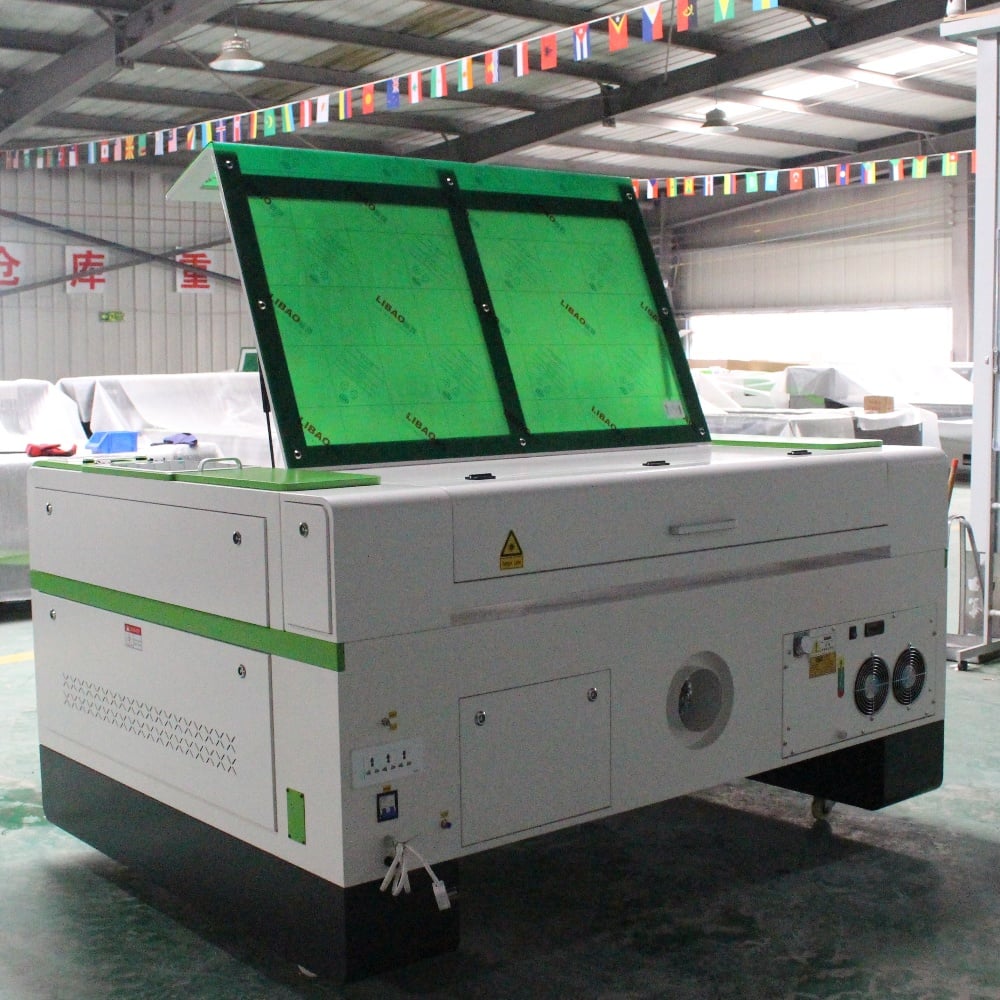
A co2 cnc laser cutter stands as one of the most versatile tools in modern manufacturing and design workshops. Understanding which materials this equipment can process effectively determines whether your investment delivers maximum productivity and quality output. The capabilities of a co2 cnc laser cutter extend across numerous organic and inorganic materials, each requiring specific power settings and processing parameters to achieve optimal results.
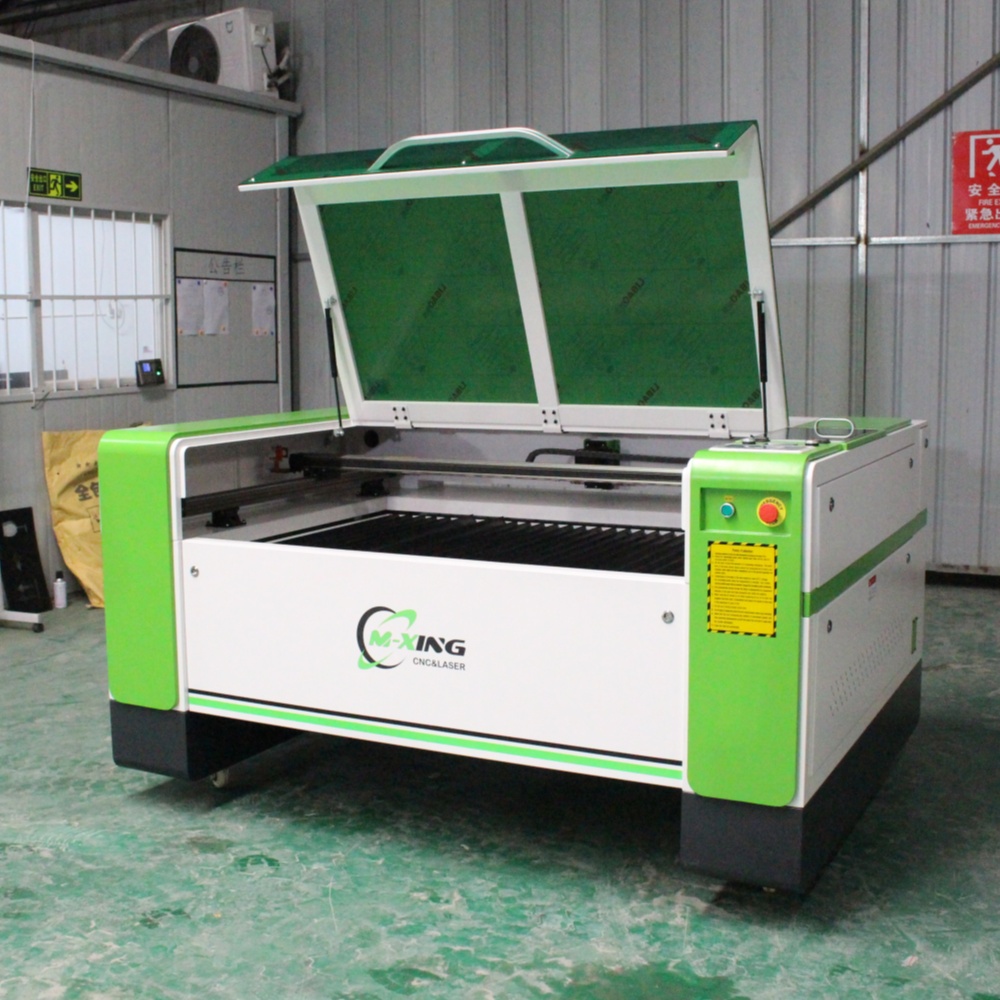
The operational range of a co2 cnc laser cutter encompasses both cutting and engraving functions across wood, acrylic, leather, rubber, fabric, and various composite materials. This technology works by using infrared wavelengths to precisely vaporize, melt, or mark material surfaces without requiring physical contact. Before selecting materials for your co2 cnc laser cutter projects, understanding material compatibility, thickness limitations, and processing characteristics ensures consistent quality and prevents equipment damage.
Organic Materials and Wood Processing
Wood and Plywood Compatibility
Wood represents one of the most popular and effective materials for a co2 cnc laser cutter due to its natural responsiveness to laser energy. Hardwoods like oak, maple, and walnut produce clean cuts with minimal charring when processed on a properly calibrated co2 cnc laser cutter. The co2 cnc laser cutter efficiently cuts wood up to 12mm thickness in a single pass, while thicker materials may require multiple passes with adjusted power settings and slower feed rates.
Plywood and engineered wood products also work effectively with a co2 cnc laser cutter, though glue content and lamination layers can create inconsistent results. High-quality plywood designed for laser processing produces superior cuts compared to standard construction plywood. When using a co2 cnc laser cutter on wood products, moisture content affects performance significantly; wood between 6% and 12% moisture yields optimal cutting precision and minimal thermal distortion.
Leather and Natural Fibers
Leather processing represents another dominant application for a co2 cnc laser cutter in artisan and industrial settings. Full-grain leather, suede, and nubuck all respond well to laser processing when your co2 cnc laser cutter operates at appropriate power levels. The co2 cnc laser cutter creates precise edges without fraying or requiring secondary finishing, making it ideal for fashion accessories, custom belts, and decorative leather goods.
Natural fabrics like cotton, silk, and linen can be processed on a co2 cnc laser cutter for cutting and light engraving applications. Synthetic blends require caution, as melting fibers can compromise cut quality when your co2 cnc laser cutter reaches certain power thresholds. Testing fabric samples beforehand ensures your co2 cnc laser cutter achieves desired results without damaging the material or creating heat-affected zones.
Synthetic and Composite Materials
Acrylic and Plastic Processing
Acrylic stands as one of the most reliable materials for a co2 cnc laser cutter, producing polished, flame-cut edges that require minimal post-processing. Cast acrylic and extruded acrylic both perform well, though cast acrylic generally yields cleaner cuts when processed on a co2 cnc laser cutter. Thickness up to 10mm cuts cleanly in single passes, while thicker acrylic requires multiple passes on your co2 cnc laser cutter with controlled speed reductions.
Polycarbonate, PMMA, and similar thermoplastics can be engraved on a co2 cnc laser cutter but present challenges for cutting due to melting characteristics. PVC and vinyl should never be used with a co2 cnc laser cutter because chlorine gas release creates hazardous fumes and damages the optical components. When selecting plastic materials for your co2 cnc laser cutter, always verify material composition and verify vendor recommendations before processing.
Rubber and Cork Applications
Rubber stamps, seals, and gaskets are commonly produced using a co2 cnc laser cutter due to its precision and speed advantages over traditional rotary engraving. Natural rubber and synthetic rubber compounds cut cleanly when your co2 cnc laser cutter operates within appropriate power parameters. Cork material processes exceptionally well on a co2 cnc laser cutter, allowing detailed engraving and precision cutting for coasters, gaskets, and decorative applications.
Composite rubber materials containing metal fillers or reinforced fibers require testing on your co2 cnc laser cutter before full production runs. Some industrial rubber compounds include flame retardants that can affect cutting consistency when processed on a co2 cnc laser cutter. Always request material safety data and test samples on your co2 cnc laser cutter before committing to large batch processing.
Special Materials and Processing Considerations
Paper, Cardboard, and Packaging
Paper-based materials represent cost-effective and reliable options for a co2 cnc laser cutter applications in packaging, signage, and artistic projects. Cardboard, kraft paper, and specialty papers cut and engrave cleanly on a co2 cnc laser cutter with minimal edge darkening. The co2 cnc laser cutter processes corrugated cardboard effectively, though wave direction affects cut quality and should be considered during design layout.
Cardstock and heavyweight papers work well with a co2 cnc laser cutter for die-cut applications, wedding invitations, and custom packaging solutions. Coated papers may contain reactive chemicals that require ventilation testing when processed on your co2 cnc laser cutter. Always use high-quality ventilation systems when your co2 cnc laser cutter processes paper products to prevent smoke accumulation and potential fire hazards.
Material Safety and Processing Guidelines
Operating a co2 cnc laser cutter safely requires understanding which materials produce hazardous fumes or contain incompatible compounds. Materials containing halogens, heavy metals, or toxic resins should never be processed on a co2 cnc laser cutter regardless of cost savings. Your co2 cnc laser cutter's optical components require protection from reactive gases, so material selection directly impacts equipment longevity and maintenance costs.
Testing unfamiliar materials on your co2 cnc laser cutter always precedes production runs to identify optimal power settings, speed parameters, and potential safety concerns. Maintaining detailed records of successful material specifications helps ensure consistent quality across repeated projects on your co2 cnc laser cutter. Proper maintenance and lens cleaning directly correlate with successful material processing, making equipment care essential for maximizing your co2 cnc laser cutter investment.
FAQ
Can a co2 cnc laser cutter cut through metal materials?
A co2 cnc laser cutter cannot cut through steel, aluminum, or other metals effectively because their infrared wavelengths lack sufficient energy to cut hard metals. However, a co2 cnc laser cutter can engrave anodized aluminum and other treated metal surfaces for marking and branding applications. For metal cutting applications, fiber laser systems designed specifically for metal processing outperform co2 cnc laser cutter technology.
What thickness can a co2 cnc laser cutter process reliably?
Most co2 cnc laser cutter models cut materials up to 10mm thickness in single passes, while thicker materials require multiple passes with adjusted settings. Engraving depth with a co2 cnc laser cutter typically ranges from surface marks to 5mm depending on material and power settings. Consulting your co2 cnc laser cutter manufacturer's specifications ensures you understand thickness limitations for your specific equipment model and desired results.
Are there materials that damage a co2 cnc laser cutter?
PVC, vinyl, and materials containing halogens release toxic gases that corrode internal optics and components of a co2 cnc laser cutter. Some composite materials with metallic fillers can reflect laser energy unexpectedly, potentially damaging the co2 cnc laser cutter's lens system. Always verify material composition before processing unfamiliar items on your co2 cnc laser cutter to prevent equipment damage and safety hazards.
