
 EN
EN
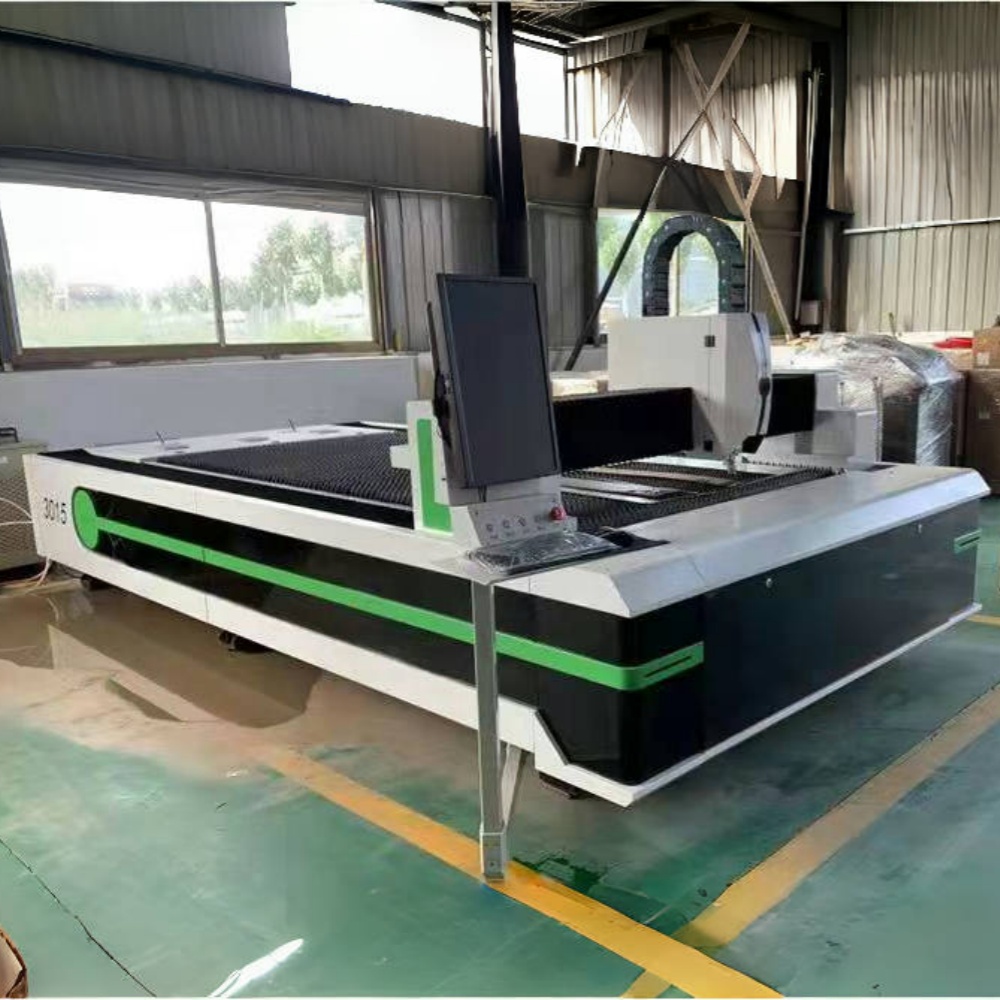
Investing in a small fiber laser cutter requires careful evaluation of multiple critical features that directly impact your production capability, material versatility, and operational costs. The right small fiber laser cutter becomes a strategic asset that enhances precision manufacturing, reduces waste, and accelerates project timelines. Understanding which features deliver genuine value helps manufacturers make informed purchasing decisions that align with their specific production needs and budget constraints.
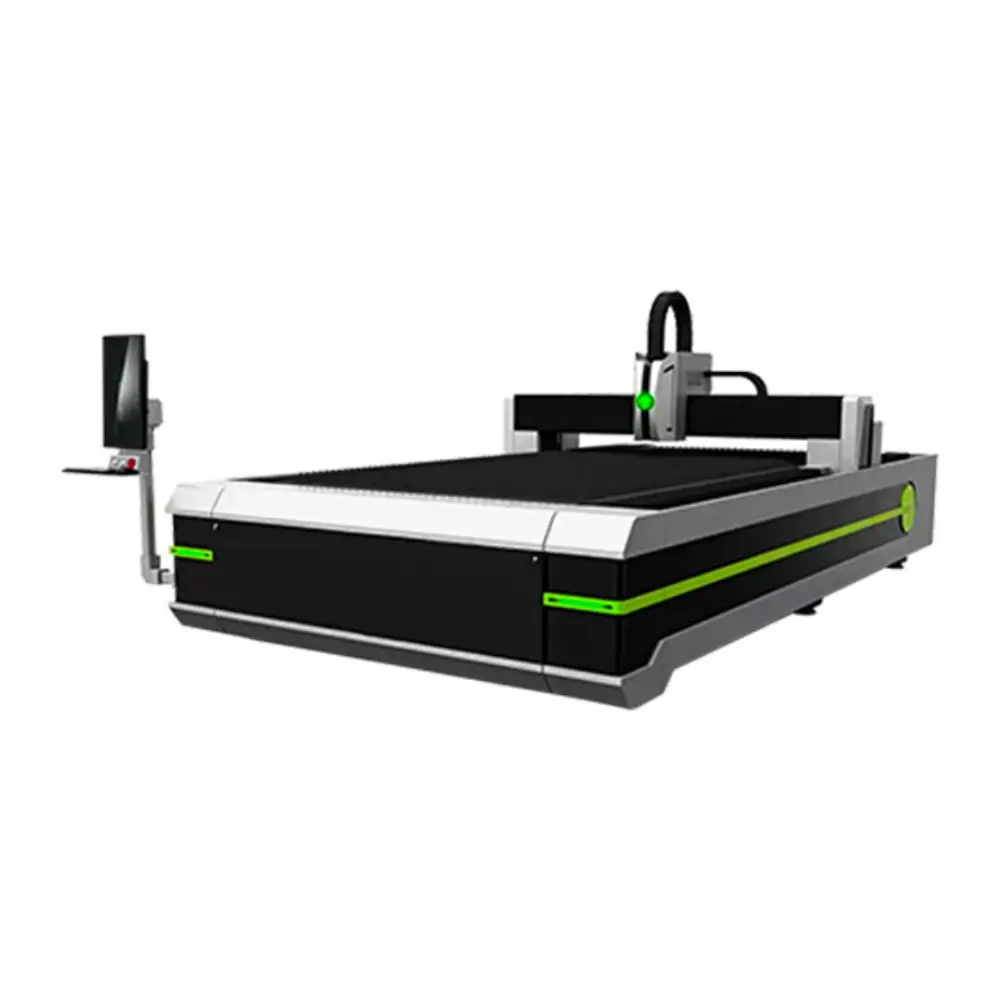
A small fiber laser cutter delivers exceptional performance across diverse industrial applications, from jewelry fabrication to metal signage production. When selecting this equipment, you must weigh laser power output, cutting speed, beam quality, material compatibility, and software capabilities alongside maintenance requirements and total cost of ownership. This comprehensive evaluation ensures your small fiber laser cutter investment generates strong returns and scales with your business growth.
Laser Power Output and Cutting Capability
Understanding Power Ratings and Their Impact
The power output of your small fiber laser cutter fundamentally determines which materials you can process and how quickly you complete jobs. A small fiber laser cutter typically ranges from 20 watts to 100 watts, with each power level serving distinct production scenarios. Lower-powered small fiber laser cutter models excel at marking and engraving, while higher-wattage versions handle thick stainless steel and aluminum cutting with precision. Power directly influences your material versatility, production speed, and competitive positioning within your market segment.
Thickness Capabilities and Material Range
Evaluating what thickness your small fiber laser cutter can handle helps you determine whether the equipment meets current and anticipated future demands. A capable small fiber laser cutter handles ferrous and non-ferrous metals, stainless steel, aluminum, brass, and titanium alloys with consistent quality. Some models struggle with reflective materials or extremely thick sections, so testing samples before purchase protects your investment. Understanding these thickness limitations ensures your small fiber laser cutter delivers the dimensional flexibility your production schedule requires.
Cutting Speed and Thermal Efficiency
Processing Speed Impact on Production Throughput
Cutting speed directly affects your daily production volume and whether your small fiber laser cutter maintains competitive labor economics. A high-performance small fiber laser cutter achieves cutting speeds up to 30 meters per minute on thin sections, dramatically reducing per-unit processing time. Speed advantages compound across large production runs, creating measurable ROI improvements within the first production year. When comparing models, request speed specifications for your target material thicknesses, as small fiber laser cutter performance varies significantly across different applications.
Thermal Efficiency and Operating Costs
Energy consumption represents a substantial portion of small fiber laser cutter operating expenses, making thermal efficiency a critical financial consideration. Modern fiber laser technology delivers superior energy conversion compared to older CO2 systems, reducing electricity consumption by up to 80 percent. Your small fiber laser cutter efficiency rating directly impacts monthly utility bills and carbon footprint, particularly important for facilities operating multiple shifts. Request detailed power consumption data from manufacturers so your small fiber laser cutter financial projections reflect realistic ongoing operational costs.
Precision, Beam Quality, and Repeatability
Cutting Accuracy and Edge Quality Standards
Superior beam quality in your small fiber laser cutter ensures precise cuts with minimal thermal distortion and clean edge finishes that reduce secondary processing. Beam quality measured through M² values indicates how tightly the laser focuses its energy, with lower values producing superior results on your small fiber laser cutter platform. Precision becomes essential when serving industries like aerospace, medical devices, or luxury goods where tolerances are unforgiving and rework costs escalate rapidly. A well-specified small fiber laser cutter maintains dimensional accuracy across extended production runs without recalibration.
Repeatability Across Production Cycles
Manufacturing consistency relies on your small fiber laser cutter maintaining stable performance across thousands of cutting cycles without performance drift. Advanced fiber laser systems incorporate feedback mechanisms that automatically compensate for thermal variations, ensuring your small fiber laser cutter delivers identical results from the first part to the thousandth part. This repeatability eliminates costly scrap rates and reduces quality inspection workload, maximizing your small fiber laser cutter productivity. When evaluating equipment, request data on production consistency from current users operating similar small fiber laser cutter configurations.
Software Integration and Operational Features
Control Software and Design Compatibility
Your small fiber laser cutter control software directly impacts workflow efficiency and how seamlessly it integrates with your existing CAD systems and design workflows. Leading small fiber laser cutter platforms support standard file formats including DXF, AI, PDF, and EPS, eliminating design conversion bottlenecks. Intuitive interfaces reduce operator training time and minimize setup errors that delay production, making your small fiber laser cutter more productive from day one. Evaluate whether your small fiber laser cutter software enables batch processing, nesting optimization, and custom parameter management for complex jobs.
Maintenance Features and Support Accessibility
Long-term ownership cost of your small fiber laser cutter depends heavily on maintenance requirements, spare parts availability, and manufacturer support responsiveness. Premium small fiber laser cutter systems feature sealed fiber delivery pathways and automated optics cleaning, reducing downtime and consumables expenses. Verify that your small fiber laser cutter vendor provides readily accessible technical support and maintains parts inventory for rapid repairs. Documentation quality and training resources significantly influence how quickly your team maximizes your small fiber laser cutter capabilities and troubleshoots operational issues independently.
FAQ
What power level small fiber laser cutter should I choose for my business?
Choose your small fiber laser cutter power based on material thickness and daily volume requirements. For thin metals and marking applications, 20-50 watts suffices; for cutting thick stainless steel regularly, 50-100 watts provides better efficiency. Evaluate your typical projects and future growth plans before finalizing your small fiber laser cutter specifications, as undersized equipment creates production bottlenecks while oversized systems waste operational expenses.
How does a small fiber laser cutter compare in operating costs to other laser types?
A small fiber laser cutter operates at 20-30 percent of the electricity consumption required by CO2 lasers of similar power, delivering dramatic long-term savings. Maintenance costs remain lower for your small fiber laser cutter since fiber optics require less frequent cleaning and adjustment compared to mirrors and lenses. Initial purchase price for your small fiber laser cutter typically runs higher, but total cost of ownership becomes significantly favorable within 3-5 years of operation.
What materials can a small fiber laser cutter process effectively?
A small fiber laser cutter excels on ferrous metals, stainless steel, aluminum, copper, brass, titanium, and anodized surfaces with excellent edge quality. Your small fiber laser cutter handles non-metals differently; it marks organic materials but cannot cut most plastics or wood effectively. Always verify your small fiber laser cutter compatibility with your specific material requirements through sample testing before making your final purchasing commitment.
