
 EN
EN
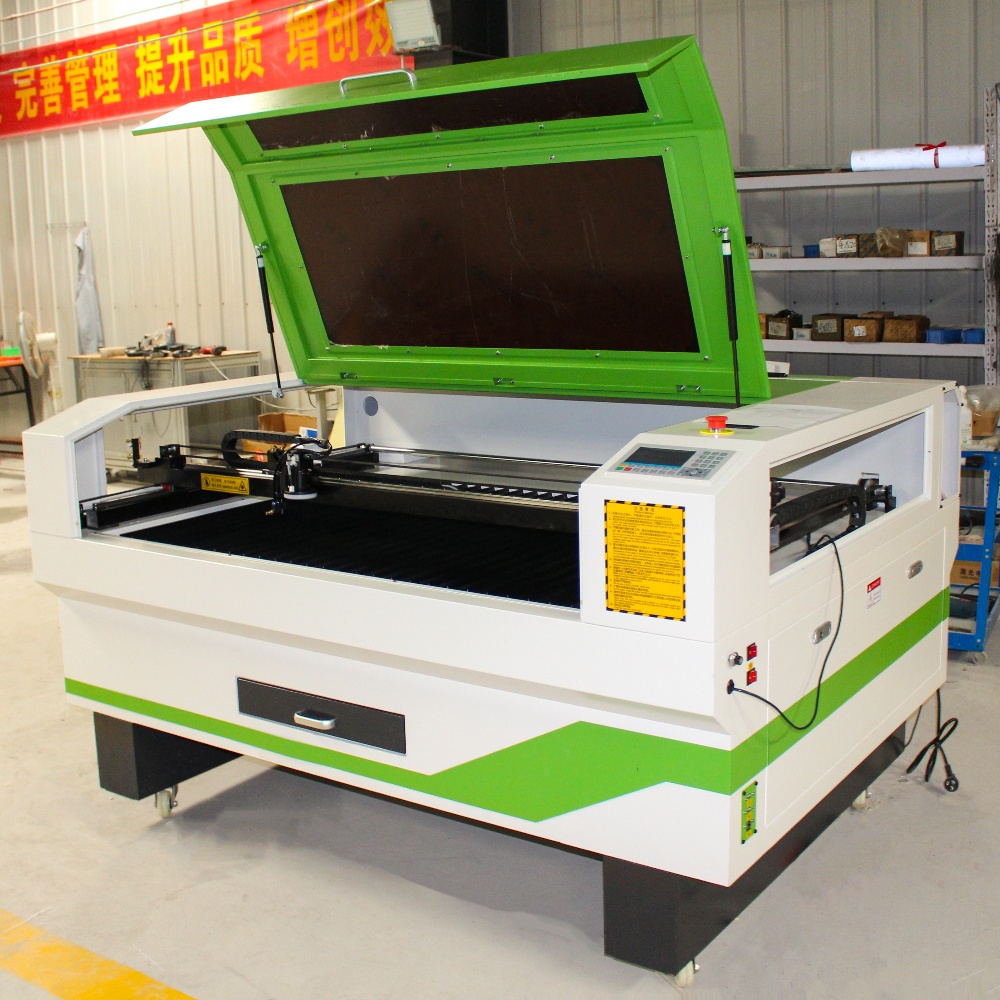
Selecting the right co2 cnc laser cutter requires careful evaluation of multiple technical parameters that directly impact your production capabilities, material compatibility, and return on investment. Many businesses make purchasing decisions based on price alone, overlooking critical specifications that determine whether a co2 cnc laser cutter can actually meet their operational requirements. Understanding which specifications truly matter ensures you invest in equipment that delivers consistent performance, precision, and long-term value for your specific workflow.
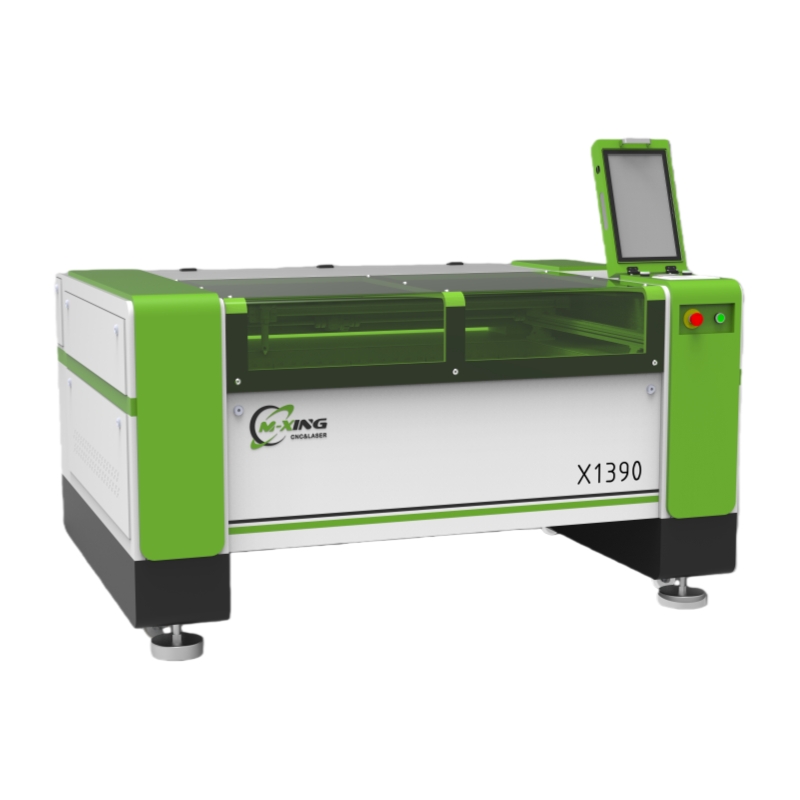
When evaluating a co2 cnc laser cutter for your business, you need to look beyond basic specifications and consider how each parameter affects your production needs. The co2 cnc laser cutter market offers wide variations in laser tube power, cutting bed dimensions, operational speed, and cooling requirements. This guide walks you through the essential specifications that determine whether a particular co2 cnc laser cutter will be a reliable asset or an underperforming investment for your facility.
Laser Tube Power and Cutting Capacity
Understanding Wattage in a CO2 CNC Laser Cutter
The laser tube power rating is perhaps the most visible specification of any co2 cnc laser cutter, typically ranging from 40 watts to 150 watts or higher. Higher wattage in a co2 cnc laser cutter translates to faster cutting speeds, thicker material penetration, and deeper engraving capability. A 60-watt co2 cnc laser cutter suits light production environments, hobby operations, or prototyping work, while a 100-watt co2 cnc laser cutter handles industrial-scale production with thicker materials like acrylic and wood. Your power requirement depends entirely on the material thickness, material type, and production volume you plan to process regularly.
Matching Power to Material Thickness
Different materials require different co2 cnc laser cutter power levels to achieve clean cuts without charring or incomplete penetration. Thin materials like paper, fabric, and cardboard require minimal power, but a substantial co2 cnc laser cutter will cut them faster and with superior edge quality. Thicker hardwoods, stainless steel laminates, and dense acrylic sheets demand higher-wattage equipment. The co2 cnc laser cutter power rating you choose should exceed your maximum material thickness requirement by at least 20 percent, ensuring consistent quality without pushing the equipment to its limits on every job.
Cutting Area and Bed Dimensions
Evaluating Work Table Size
The cutting bed size of your co2 cnc laser cutter determines the maximum material dimensions you can process in a single pass. Common cutting area options for a co2 cnc laser cutter include 600 millimeters by 400 millimeters, 1000 millimeters by 600 millimeters, or 1390 millimeters by 900 millimeters. Choose a co2 cnc laser cutter bed size that accommodates at least 90 percent of your typical project dimensions, preventing the need for material repositioning that wastes time and reduces efficiency. Undersizing this specification forces expensive material waste when projects must be split across multiple runs.
Consideration of Work Environment
A larger cutting area in a co2 cnc laser cutter means higher capital investment, greater facility space requirements, and more complex ventilation setup. Your facility's physical layout and power supply capacity must support the co2 cnc laser cutter dimensions you select. Measure your available workshop space carefully before committing to a particular co2 cnc laser cutter model. Consider whether you need height clearance above the work table, side clearance for material loading, and rear space for fume extraction equipment compatibility.
Operational Speed and Precision Parameters
Laser Tube Movement Speed
The cutting speed specification of a co2 cnc laser cutter indicates how quickly the laser head traverses across the material, measured in millimeters per second or inches per second. A fast co2 cnc laser cutter achieves high production throughput, but speed alone does not guarantee quality. Maximum speed capabilities mean nothing if your co2 cnc laser cutter cannot maintain that speed while delivering clean, precision cuts. Evaluate the co2 cnc laser cutter acceleration and deceleration rates, which determine edge quality on curved and intricate designs. Machines with superior motion control produce sharper corners and smoother curves regardless of cutting speed specifications.
Positional Accuracy and Repeatability
Precision specification details matter when your business depends on consistent quality from every co2 cnc laser cutter run. Look for positional accuracy rated to within 0.05 millimeters and repeatability tolerances under 0.1 millimeters across the entire cutting area. A co2 cnc laser cutter with poor repeatability produces registration errors when cutting multiple pieces or stacking cuts on the same material. This specification becomes critical when your co2 cnc laser cutter must execute intricate assembly parts or precisely aligned multi-layer designs.
Cooling, Power, and Material Compatibility
Cooling System Specifications
Every co2 cnc laser cutter generates significant heat during operation, and inadequate cooling directly impacts tube lifespan and performance stability. Water-cooled systems provide superior thermal management compared to air cooling, especially for high-power co2 cnc laser cutter applications. The cooling capacity rating of your co2 cnc laser cutter should match or exceed the laser tube power rating to prevent thermal stress. Verify whether your co2 cnc laser cutter cooling system requires chilled water circulation, standard tap water, or can operate with passive cooling options. Industrial environments typically demand water-cooled co2 cnc laser cutter equipment, while light-duty operations may use air-cooled alternatives.
Electrical Requirements and Material Versatility
A co2 cnc laser cutter requires specific voltage and amperage supply, typically 110 volts or 220 volts depending on your region and the machine power rating. Confirm your facility's electrical infrastructure supports the co2 cnc laser cutter model specifications before purchase. Material compatibility varies significantly across co2 cnc laser cutter designs; some machines excel with organic materials like wood and fabric, while others handle engraving on metal surfaces with specialized coatings. Review the co2 cnc laser cutter material list carefully to ensure compatibility with your primary production materials.
FAQ
What laser power should I choose for my co2 cnc laser cutter?
Select a co2 cnc laser cutter power rating that exceeds your thickest material requirement by at least 20 percent. For hobby and light commercial work with materials under 5 millimeters, a 60-watt co2 cnc laser cutter suffices. For production environments processing thick acrylic, wood, or specialty materials, choose 100 watts or higher. Evaluate your co2 cnc laser cutter power needs based on monthly production volume and average material thickness rather than occasional maximum requirements.
Does a larger cutting area always mean better value for a co2 cnc laser cutter?
A larger cutting area in a co2 cnc laser cutter increases material handling efficiency but also raises equipment cost, facility space demands, and maintenance complexity. Oversizing your co2 cnc laser cutter bed represents wasted capital investment if your typical projects use only half the available cutting surface. Balance your co2 cnc laser cutter cutting area against your actual production requirements, facility constraints, and budget limitations. Many operators find that a mid-size co2 cnc laser cutter optimizes the cost-to-capability ratio for their workflow.
How important is cooling system specification in a co2 cnc laser cutter selection?
Cooling system specification directly impacts your co2 cnc laser cutter laser tube lifespan, performance stability, and operational uptime. Undersized cooling in a co2 cnc laser cutter causes thermal stress, reduces cutting speed, and accelerates tube degradation. Industrial-grade co2 cnc laser cutter applications require water-cooled systems with active temperature control. Verify that your facility can accommodate the cooling requirements of your selected co2 cnc laser cutter model, including plumbing access and water supply quality specifications.
