
 EN
EN
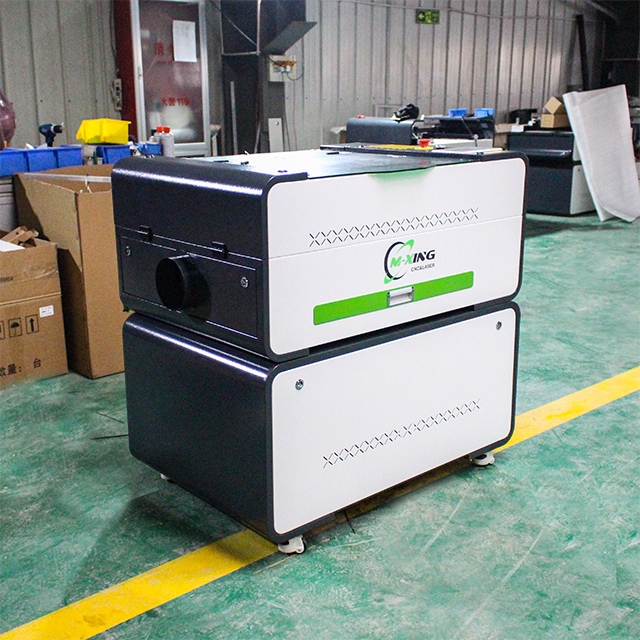
Large-scale acrylic processing projects demand precision, efficiency, and reliability that traditional cutting methods simply cannot deliver. CNC laser acrylic cutting has emerged as the industry standard for manufacturers and fabricators who need to handle substantial production volumes without compromising quality or incurring prohibitive costs. Whether you're producing architectural components, signage, displays, or specialized industrial parts, understanding how CNC laser acrylic cutting supports your scaling ambitions is essential to optimizing your operations and maintaining competitive advantage in demanding markets.
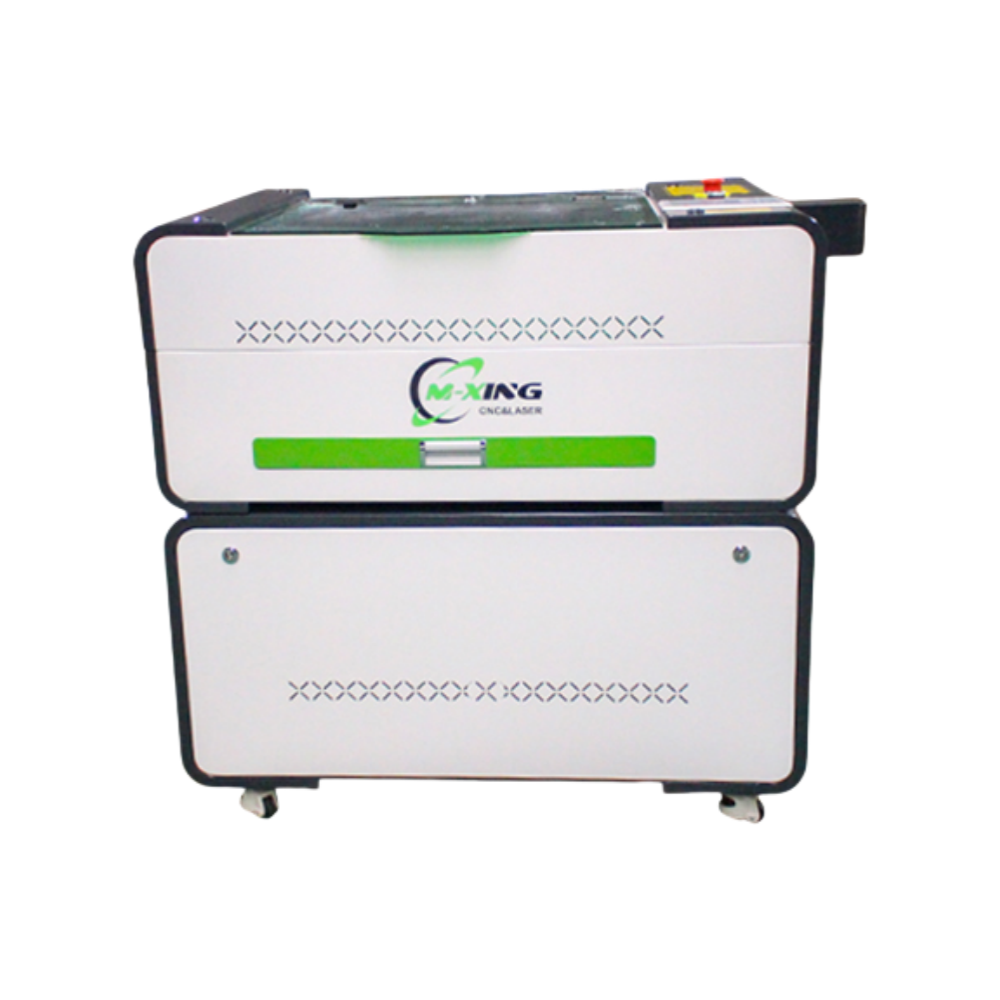
CNC laser acrylic cutting technology integrates computer-controlled positioning with high-powered laser beams to deliver consistent, repeatable cuts across complex geometries and large production batches. The system's automation capabilities eliminate manual handling errors, reduce material waste, and dramatically accelerate throughput compared to traditional saw blades or water jet cutting. For operations scaling beyond prototype or small-batch work, CNC laser acrylic cutting transforms production economics and enables businesses to accept larger orders confidently.
How CNC Laser Acrylic Cutting Enables High-Volume Production
Automation and Throughput Scaling
CNC laser acrylic cutting systems operate with minimal operator intervention once the design file is loaded and parameters are set. This automation is the key differentiator when processing large-scale acrylic projects. A single machine can run overnight or across multiple shifts, cutting hundreds of parts without fatigue-related quality degradation. The repeatability of CNC laser acrylic cutting means your first piece and your thousandth piece maintain identical precision, a critical requirement for contract manufacturing and bulk production environments where consistency directly impacts customer satisfaction and warranty claims.
Material Efficiency and Cost Control
Material waste represents a significant cost factor in large-scale acrylic processing. CNC laser acrylic cutting produces an exceptionally narrow kerf, often under 0.1 inches, allowing nested layouts that maximize usable area from each acrylic sheet. When you're processing thousands of parts monthly, these micro-efficiencies compound into substantial material savings. Advanced nesting software automatically arranges designs to minimize scrap, and CNC laser acrylic cutting's precision means fewer rejected parts due to dimensional errors. For large-scale projects, this efficiency directly improves profit margins and reduces per-unit production costs.
Technical Capabilities for Complex and Diverse Applications
Geometry Complexity Without Setup Time
Traditional cutting methods require tool changes, template adjustments, or manual programming for each design variation. CNC laser acrylic cutting eliminates these constraints by responding to digital design files instantly. Whether your large-scale acrylic project involves intricate holes, curved cuts, beveled edges, or multiple layers, the system adapts without mechanical reconfiguration. This flexibility enables businesses to fulfill custom orders within standardized production runs, a capability that differentiates competitive manufacturers serving diverse customer requirements at scale.
Edge Quality and Secondary Processing Reduction
CNC laser acrylic cutting produces exceptionally clean, polished edges that often require minimal or no finishing work. The laser beam's thermal action melts and vaporizes the material simultaneously, leaving sealed edges that are transparent and visually superior to mechanically cut surfaces. For large-scale acrylic projects destined for consumer-facing applications like displays, signage, or architectural installations, this edge quality elevates perceived value. Eliminating secondary edge-polishing steps accelerates production schedules and reduces labor overhead, compounding the productivity advantages of CNC laser acrylic cutting across high-volume manufacturing.
Scaling Large-Scale Acrylic Projects While Managing Risk
Production Planning and Batch Processing
Large-scale acrylic projects introduce scheduling complexity and inventory management challenges. CNC laser acrylic cutting's speed and consistency enable predictable production timelines, allowing you to commit confidently to customer delivery dates. The system's flexibility permits dynamic reordering of job queues based on priority or material availability. Real-time monitoring of cut quality ensures that defects are identified immediately, preventing entire batches of waste. This combination of speed, predictability, and quality control makes CNC laser acrylic cutting the enabling technology for manufacturers managing multi-customer, multi-product large-scale acrylic operations.
Investment Justification and Return on Capital
CNC laser acrylic cutting systems represent significant capital investment, but the payback analysis for large-scale operations is compelling. Reduced labor costs, dramatic material savings, and the ability to accept larger orders faster directly offset equipment and maintenance expenses. A facility processing large-scale acrylic projects typically recovers the investment within 18 to 36 months, depending on production volume and pricing discipline. Beyond payback, the technology enables revenue growth by expanding order-size capacity and reducing per-unit production costs, improving profitability on every subsequent batch of large-scale acrylic cutting work.
FAQ
What maximum thickness can CNC laser acrylic cutting handle for large-scale projects?
Most industrial CNC laser acrylic cutting systems cut cast acrylic up to 0.5 inches thick with a single pass and can perforate or score thicker material. For large-scale acrylic projects, cutting thickness is less critical than speed and repeatability; most production applications use material between 0.118 and 0.25 inches. Extruded acrylic typically cuts faster than cast acrylic, so verify your material specifications with your CNC laser acrylic cutting equipment supplier to confirm throughput assumptions for your large-scale acrylic processing timeline.
How does CNC laser acrylic cutting compare to water jet cutting for large-scale operations?
Water jet cutting offers some advantages for thick materials and edge-sensitive applications, but CNC laser acrylic cutting is faster, produces superior edge quality, and costs less per part for large-scale acrylic projects. Water jet systems require longer setup times and generate secondary edge cleanup work. For high-volume acrylic processing, CNC laser acrylic cutting's speed and edge polish justify preference. The choice depends on your specific material thickness and production volume; consult equipment specialists to model economics for your large-scale acrylic project scope.
Can CNC laser acrylic cutting handle colored and cast acrylic equally well?
Yes, CNC laser acrylic cutting performs reliably on both colored and clear cast acrylic, as well as extruded varieties. Edge quality varies slightly by color; darker pigments sometimes produce slightly more pronounced carbonization. This is typically negligible for large-scale acrylic projects unless edges are exposed and require premium appearance. Test batches with your specific acrylic supplier are recommended before committing large-scale acrylic processing runs to confirm compatibility and achieve optimal parameter tuning for edge quality and throughput.
