
 EN
EN
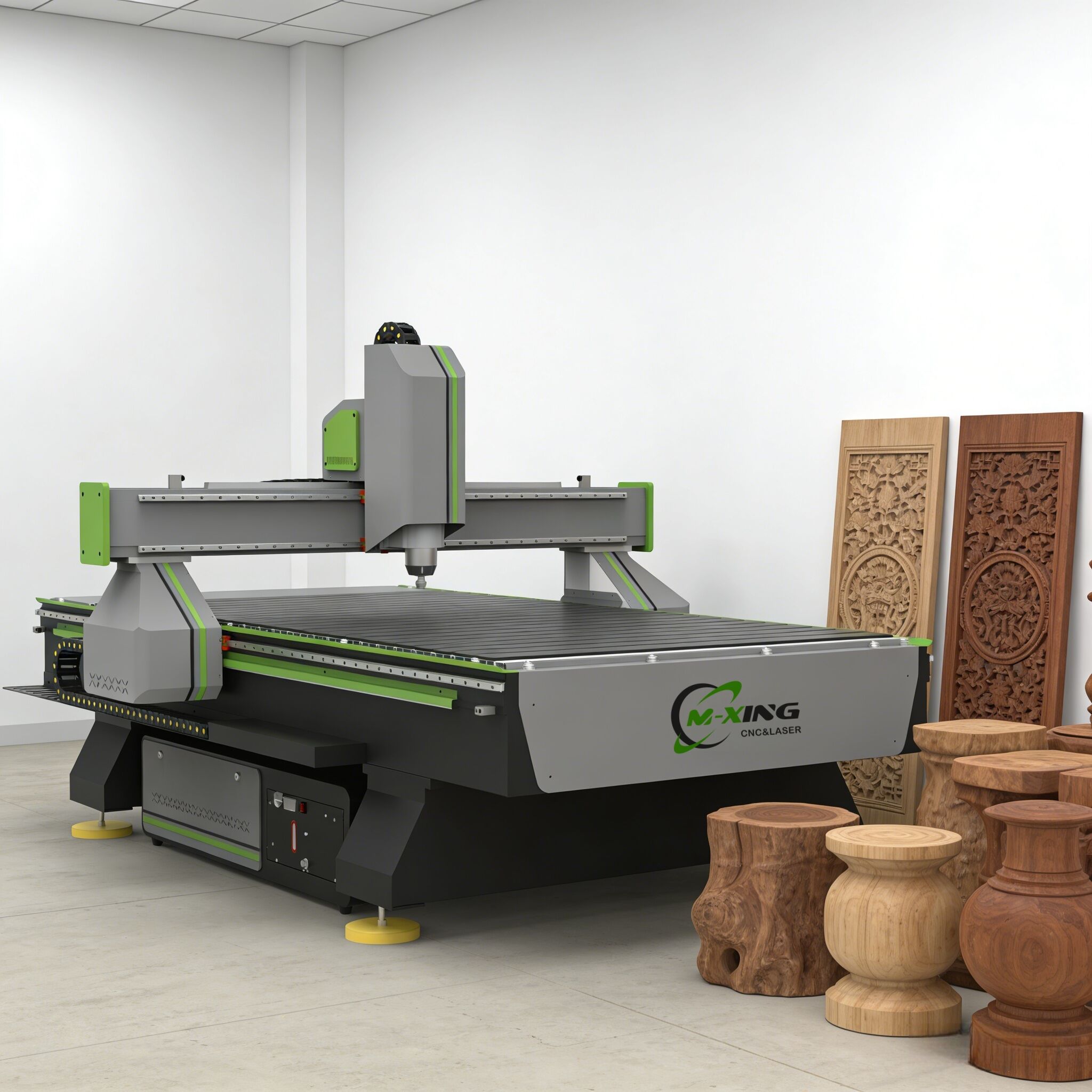
सीएनसी राउटर प्रविधिले आधुनिक उत्पादन क्षेत्रलाई मौलिक रूपमा परिवर्तन गरेको छ, जसले सामग्री प्रशोधनका कार्यहरूमा अभूतपूर्व सटीकता, दक्षता र बहुमुखी क्षमता प्रवेश गराएको छ। वायुयानका घटकहरूदेखि वास्तुकला सम्बन्धी लकडीको कारीगरीसम्म, यी कम्प्युटर-नियन्त्रित काट्ने प्रणालीहरूले विभिन्न उद्योगहरू र अनुप्रयोगहरूमा शुद्धता, पुनरावृत्तियोग्यता र उत्पादन गतिमा उत्पादकहरूले के प्राप्त गर्न सक्छन् भन्ने कुरालाई पुनः परिभाषित गरेका छन्।
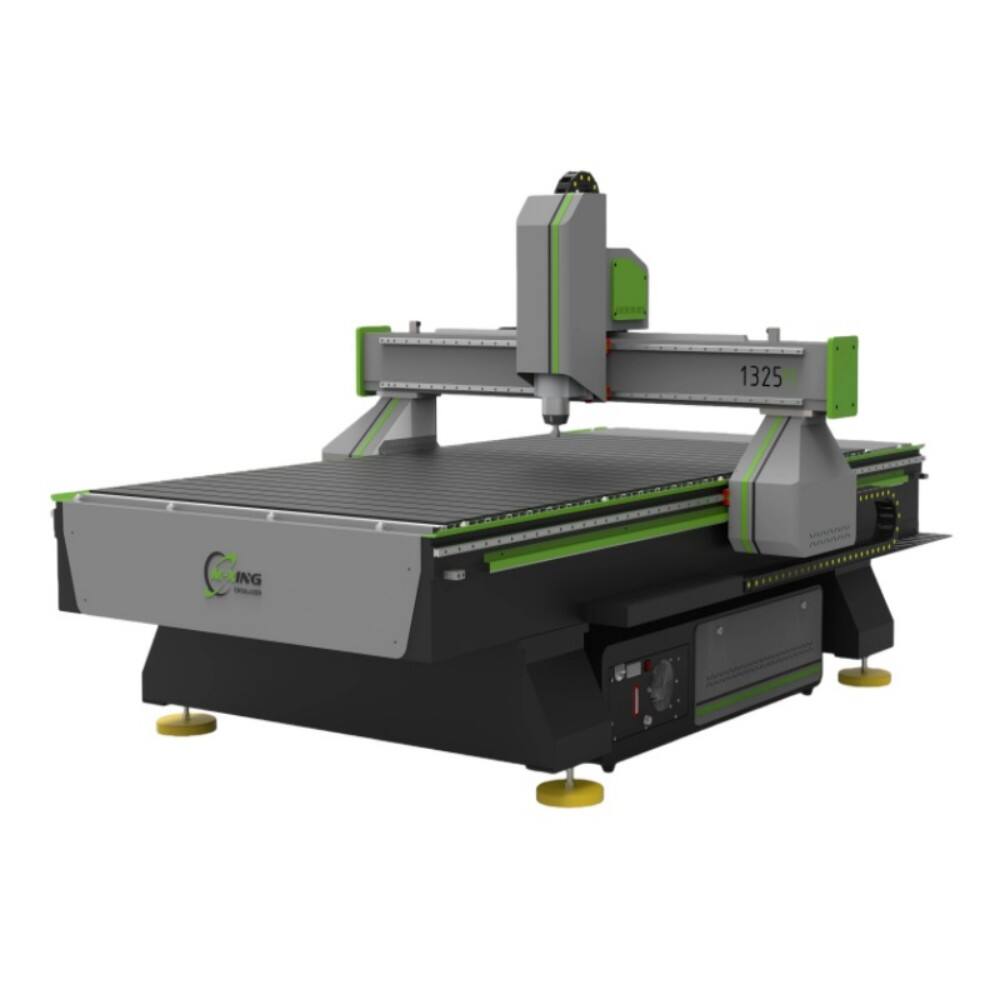
सीएनसी राउटर प्रणालीहरूको क्रान्तिकारी प्रभाव केवल स्वचालनसम्म सीमित छैन, तर यो उन्नत सफ्टवेयर एकीकरण, बहु-अक्ष क्षमता र बुद्धिमान औजारपथ अनुकूलन मार्फत उत्पादन प्रतिमानहरूलाई मौलिक रूपमा परिवर्तन गर्दछ। यी उन्नत मेशिनहरूले उत्पादकहरूलाई पारम्परिक हातले गरिने प्रक्रियाहरूबाट स्वचालित उत्पादन कार्यप्रवाहमा सार्न सक्षम बनाउँछ, जसले स्थिर गुणस्तर प्रदान गर्दछ भने सामग्रीको अपव्यय र श्रम लागत दुवैलाई उल्लेखनीय रूपमा घटाउँछ।
सामग्री प्रशोधनमा सटीकताको क्रान्ति
पारम्परिक विधिहरूभन्दा बाहिरको आयामिक सटीकता
सीएनसी राउटर प्रविधि ले म्यानुअल मेशिनिङ ले स्थिर रूपमा प्राप्त गर्न नसक्ने सहिष्णुताहरू प्राप्त गर्दछ। आधुनिक प्रणालीहरूले ठूला कार्य-टुक्राहरूमा ०.००१ इन्चभित्रको आयामिक सटीकता प्रदान गर्दछन्, जसले निर्माताहरूलाई विस्तृत हात-समाप्ति बिना नै एकदम फिट हुने भागहरू उत्पादन गर्न सक्षम बनाउँदछ। यो सटीकता सर्भो मोटर नियन्त्रण प्रणालीबाट उत्पन्न हुन्छ, जसले मानव त्रुटि सम्बन्धित कारकहरूलाई हटाउँदछ र सम्पूर्ण मेशिनिङ चक्रभरि काट्ने बलहरू स्थिर राख्दछ।
दोहोरिएको प्रयोगको कारक पनि उत्पादन वातावरणमा समान रूपमा परिवर्तनकारी साबित हुन्छ। एउटै सीएनसी राउटरले घण्टापछि घण्टा, दिनपछि दिन एकै जस्ता घटकहरू उत्पादन गर्न सक्छ, जसमा भागहरू बीच न्यूनतम भिन्नता हुन्छ। यो स्थिरता म्यानुअल काट्ने विधिहरूसँग सम्बन्धित गुणस्तर नियन्त्रणका चुनौतीहरूलाई हटाउँदछ, जहाँ अपरेटरको कौशल स्तर र थकानले सिधै अन्तिम उत्पादको गुणस्तरमा प्रभाव पार्दछ।
आधुनिक सीएनसी राउटर प्रणालीहरूमा उन्नत स्पिण्डल प्रविधि द्वारा काट्ने गति र फिडहरूमा सटीक नियन्त्रण सम्भव हुन्छ, जसले सामग्री हटाउने दरलाई अनुकूलित गर्दछ र सतहको समाप्ति गुणस्तरलाई बनाइराख्छ। परिवर्तनशील आवृत्ति चालकहरूले अपरेटरहरूलाई स्पिण्डल गतिहरूलाई विशिष्ट सामग्री आवश्यकताहरूसँग मिलाउन अनुमति दिन्छन्, जसले नाजुक विनियरदेखि घना काठ र संयोजक सामग्रीहरूसम्म सफा काट्ने कार्य सुनिश्चित गर्दछ।
जटिल ज्यामिति क्षमता
त्रिआयामी प्रोफाइलिङ्का क्षमताहरूले सीएनसी राउटर प्रविधिलाई पारम्परिक काट्ने विधिहरूबाट छुट्याउँछ। यी मेसिनहरूले जटिल वक्र काट्ने, जटिल इनलेजहरू र त्रिआयामी मूर्तिकल आकारहरूको कार्यान्वयन गर्दछन्, जसका लागि पारम्परिक उपकरणहरू प्रयोग गर्दा धेरै सेटअप सञ्चालनहरूको आवश्यकता पर्थ्यो। बहु-अक्ष अन्तर्प्रक्षेपणले बहु-अक्षमा एकै साथ गति सम्भव बनाउँछ, जसले चिकना कन्टूरहरू सिर्जना गर्दछ र कदम-दर-कदम मेशिनिङ दृष्टिकोणहरूमा सामान्य रूपमा देखिने फेसेटेड सतहहरूलाई हटाउँछ।
जटिल पकेट, स्लट, र थ्रु-होलहरू मशीन गर्ने क्षमता एकै पटक सेटअपमा घटाउँदा हातहरूको समय कम गर्दछ र परम्परागत उपकरणहरूमा बहु-सेटअपको क्रममा हुने संरेखण त्रुटिहरू नै हटाउँदछ। सीएनसी राउटर प्रणालीहरूले कार्यपदार्थहरू पुनः स्थापित नगरी ड्रिलिङ, राउटिङ, र प्रोफाइलिङ अपरेशनहरू सम्पादन गर्न सक्छन्, जसले परम्परागत उपकरणहरूमा बहु-सेटअपको क्रममा विस्थापित हुने सम्भावना भएको विशेषताहरूको बीचको पूर्ण आयामिक सम्बन्ध कायम राख्दछ।
विशेषीकृत औजारहरूका विकल्पहरूले ज्यामितीय सम्भावनाहरूलाई अझ बढी विस्तार गर्दछन्। बल-एन्ड मिलहरूले मसृण वक्र सतहहरू सिर्जना गर्दछन्, भी-ग्रूभ बिटहरूले ठीक चाम्फरहरू र सजावटी तत्वहरू उत्पादन गर्दछन्, र कम्प्रेसन स्पाइरलहरूले लैमिनेटेड सामग्रीहरूको दुवै तर्फमा सफा कटहरू प्रदान गर्दछन्। यो औजार विविधताले एकै सीएनसी राउटर ले विभिन्न उत्पादन आवश्यकताहरू सम्हाल्न सक्छ, जसको लागि विशिष्ट अपरेशनहरूका लागि समर्पित मेशिनहरूको आवश्यकता हुँदैन।
उत्पादन दक्षतामा स्वचालनको प्रभाव
प्रोग्रामिङ मार्फत कार्यप्रवाह अनुकूलन
सीएनसी राउटर प्रोग्रामिंग क्षमताहरूले निर्माताहरूलाई बुद्धिमान टुलपाथ रणनीतिहरू मार्फत काट्ने क्रमहरू अनुकूलित गर्न, औजार परिवर्तन घटाउन र चक्र समय घटाउन सक्षम बनाउँछ। उन्नत सीएएम सफ्टवेयरले भागको ज्यामितिलाई विश्लेषण गर्दछ र स्वचालित रूपमा काट्ने क्रमहरू उत्पन्न गर्दछ जसले तीव्र गतिको गतिविधिहरू घटाउँछ जबकि उत्पादक काट्ने समयमा सामग्री हटाउने दरलाई अधिकतम बनाउँछ।
नेस्टिङ एल्गोरिदमहरूले शीट सामग्रीमा धेरै भागहरू व्यवस्थित गरेर सामग्रीको उपयोगिता अधिकतम बनाउँछन् जसले बर्बादी घटाउँछ। यी अनुकूलन कार्यक्रमहरूले धागोको दिशा, सामग्रीका दोषहरू र काट्ने औजारका आवश्यकताहरूलाई ध्यानमा राखेर योजनाहरू तयार गर्दछन् जसले महँगो कच्चा सामग्रीबाट उच्चतम उत्पादन प्रदान गर्दछ। केही प्रणालीहरूले ९०% भन्दा बढी सामग्री उपयोगिता दर प्राप्त गर्न सक्छन्, जसले हातले गरिएको योजना विधिहरूको तुलनामा सामग्री लागत उल्लेखनीय रूपमा घटाउँछ।
सीएनसी राउटर नियन्त्रण प्रणालीहरूभित्रका औजार जीवन व्यवस्थापन सुविधाहरूले काट्ने औजारको प्रयोग ट्र्याक गर्छन् र पहिचान गरिएको घिस्रिएपछि स्वत: भाग लिन्छन्, जसले उत्पादन चलाउँदा आकारिक सटीकता कायम राख्छ। भविष्यवाणी गर्न सकिने रखरखाव कार्यक्रमहरूले औजारको विफलता आउनु अघि अपरेटरहरूलाई सूचना दिन्छन्, जसले बेकार भएका भागहरू रोक्छ र अप्रत्याशित अवरोधहरूबिना उत्पादन कार्यक्रम कायम राख्छ।
स्केलेबिलिटी र उत्पादन मात्रा लचिलोपन
सीएनसी राउटर प्रविधि प्रोटोटाइप विकासदेखि उच्च-मात्रा उत्पादन सम्मका विभिन्न उत्पादन मात्राहरूमा सजिलै अनुकूलित हुन्छ। एउटै मेसिन र कार्यक्रमले एउटा मात्र प्रोटोटाइप बनाउने काम गर्दा जस्तै हजारौं समान भागहरू पनि बिना सेटअप परिवर्तन गरी उत्पादन गर्न सक्छ, जसले निर्माताहरूलाई बजारको मागको जवाफमा अभूतपूर्व लचिलोपन प्रदान गर्छ।
मानिसरहित संचालन क्षमताहरूले सीएनसी राउटर प्रणालीहरूलाई बाहिरको समयमा उत्पादन जारी राख्न अनुमति दिन्छ, जसले श्रम लागतमा समानुपातिक वृद्धि नगरी नै उत्पादन क्षमतालाई प्रभावकारी रूपमा बढाउँछ। स्वचालित औजार परिवर्तनकर्ताहरूले धेरै काट्ने औजारहरूको आवश्यकता भएका जटिल भागहरूको रातो-बिरो यान्त्रिक कार्य सम्पन्न गर्न सक्छन्, जबकि भ्याकुम कार्य-धारण प्रणालीहरूले अपरेटरको हस्तक्षेप बिनै कार्य-टुक्राहरूलाई सुरक्षित राख्छन्।
सामग्री ह्याण्डलिङ प्रणालीहरूसँगको एकीकरणले स्वचालित लोडिङ र अनलोडिङ चक्रहरू मार्फत उत्पादकतालाई थप बढाउँछ। पोड र रेल प्रणालीहरू, रोबोटिक कार्य-टुक्रा ह्याण्डलरहरू, र कन्भेयर इन्टरफेसहरूले हातले सामग्री ह्याण्डलिङ नै समाप्त गर्छन्, जसले चक्र समय घटाउँछ र उच्च-मात्रा उत्पादन वातावरणमा अपरेटरको सुरक्षालाई सुधार गर्छ।
सामग्रीको विविधता उद्योग अनुप्रयोगहरूलाई परिवर्तन गर्दैछ
बहु-सामग्री प्रक्रिया क्षमताहरू
आधुनिक CNC राउटर प्रणालीहरूले ऐतिहासिक लकडी र धातुदेखि लिएर उन्नत संयोजक, प्लास्टिक र फोम सामग्रीसम्मको असाधारण विविधताका सामग्रीहरू प्रक्रिया गर्छन्। यो बहुमुखी प्रकृतिले विशिष्ट सामग्री प्रकारहरूका लागि समर्पित विशेषीकृत उपकरणहरूको आवश्यकता समाप्त गर्छ, जसले निर्माताहरूलाई बहु-मशिन प्रकारमा ठूलो पूँजी लगानी बिना आफ्नो क्षमताहरू विविधीकरण गर्न अनुमति दिन्छ।
अनुकूलनशील नियन्त्रण सुविधाहरू सामग्रीको घनत्व, कठोरता र अन्य भौतिक गुणहरूको आधारमा काट्ने पैरामिटरहरू स्वचालित रूपमा समायोजित गर्छन्। सेन्सरहरूले काट्ने बल र स्पिण्डल लोडहरूलाई वास्तविक समयमा निगरानी गर्छन्, जसले सामग्री हटाउने कार्यलाई अनुकूलित गर्न र औजार टूट्ने वा कार्य-टुक्रा क्षतिग्रस्त हुने जोखिम रोक्न फिड दर र गतिहरू समायोजित गर्छन्।
पदार्थ-विशिष्ट औजार प्रणालीहरूले विभिन्न आधार सामग्री प्रकारहरूमा प्रसंस्करण क्षमतालाई अधिकतम बनाउँछन्। उच्च-गति स्टीलका औजारहरू काठका अनुप्रयोगहरूमा उत्कृष्ट प्रदर्शन गर्छन्, कार्बाइड औजारहरू कण मण्डल (पार्टिकल बोर्ड) र एमडीएफ जस्ता क्षरणकारी सामग्रीहरूसँग सँगै काम गर्न सक्छन्, जबकि हीरा-लेपित औजारहरू अत्यधिक क्षरणकारी संयोजित सामग्री र लैमिनेटहरूको यान्त्रिक कार्य सम्पादन गर्दा उनीहरूको जीवनकाल बढाउँछन्।
बिशेष उद्योगका लागि अनुप्रयोगहरू
वायुयान निर्माण क्षेत्रले कार्बन फाइबर लेआउट औजारहरू, संयोजित सामग्रीको काट्ने स्थिरीकरण उपकरणहरू, र मधुशाला (हनीकम्ब) कोरको यान्त्रिक कार्य सम्पादन जस्ता कार्यहरूमा सीएनसी राउटरको सटीकताको लाभ उठाउँछ। यी अनुप्रयोगहरूले अत्यधिक सटीकता र सतह समाप्ति गुणस्तरको माग गर्छन्, जुन केवल स्वचालित सीएनसी राउटिङले ठूला, जटिल ज्यामितिहरूमा निरन्तर रूपमा प्रदान गर्न सक्छ।
वास्तुकला सम्बन्धी मिलवर्कमा वक्राकार मोल्डिङ्हरू, जटिल ट्रिम प्रोफाइलहरू र कस्टम जोइनरी घटकहरू उत्पादन गर्नमा सीएनसी राउटरको क्षमताबाट ठूलो फाइदा हुन्छ। डिजिटल डिजाइनबाट सिधै जटिल प्रोफाइलहरू मेशिन गर्न सक्ने क्षमताले कस्टम टुलिङको आवश्यकता समाप्त गर्दछ र वास्तुकारहरूलाई उत्पादन लागत अत्यधिक बढाएको नभए पनि अद्वितीय डिजाइन तत्वहरू निर्दिष्ट गर्न सक्ने सुविधा प्रदान गर्दछ।
कार्यक्षेत्रको फर्नीचर निर्माणमा सीएनसी राउटर प्रविधिले क्याबिनेट घटकहरू, सजावटी तत्वहरू र संरचनात्मक फ्रेमहरूको बडा पैमानामा कस्टमाइजेसन सम्भव बनाएर क्रान्ति ल्याएको छ। पैरामेट्रिक प्रोग्रामिङले निर्माताहरूलाई ग्राहकहरूलाई आकारका असीमित विविधता र डिजाइन विकल्पहरू प्रदान गर्न सक्ने सुविधा दिन्छ, जबकि उत्पादन प्रक्रियाहरू कार्यक्षम रहन्छन्।
डिजिटल निर्माण पारिस्थितिकी प्रणालीसँग एकीकरण
सीएडी/कैम सफ्टवेयर एकीकरण
डिजाइन सफ्टवेयर र सीएनसी राउटर नियन्त्रण प्रणालीबीचको सुग्घर एकीकरणले डिजाइनको उद्देश्य र उत्पादनमा बनाइएको वास्तविकताबीचका पारम्परिक अवरोधहरू हटाउँछ। आधुनिक सीएएम (CAM) प्याकेजहरूले ३डी मोडलबाट सीधै अनुकूलित औजारपथहरू स्वचालित रूपमा उत्पन्न गर्छन्, जसले प्रोग्रामिङ समय घटाउँछ र उत्पादन प्रक्रियाको सम्पूर्ण अवधिमा डिजाइनको सटीकता सुनिश्चित गर्छ।
पैरामेट्रिक मोडेलिङ क्षमताहरूले त्वरित डिजाइन परिवर्तनहरू सम्भव बनाउँछन् जुन स्वचालित रूपमा सम्पूर्ण उत्पादन कार्यप्रवाहमा प्रसारित हुन्छन्। इन्जिनियरहरूले आयामहरू समायोजित गर्न सक्छन्, विशेषताहरू संशोधन गर्न सक्छन्, वा पदार्थ विशिष्टताहरू परिवर्तन गर्न सक्छन्, र सीएनसी राउटर प्रोग्रामिङ स्वचालित रूपमा यी परिवर्तनहरूको प्रतिबिम्बित गर्न अद्यावधिक हुन्छ, जसमा कुनै हस्त-हस्तक्षेपको आवश्यकता पर्दैन।
क्लाउड-आधारित उत्पादन प्लेटफर्महरूले सीएनसी राउटर प्रणालीहरूलाई एन्टरप्राइज संसाधन योजना प्रणालीहरूसँग जोड्छन्, जसले वास्तविक समयमा उत्पादन निगरानी, इन्भेन्टरी ट्र्याकिङ र गुणस्तर बीमा प्रलेखन सक्षम बनाउँछ। यी एकीकृत प्रणालीहरूले कच्चा पदार्थबाट लिएर पूर्ण उत्पादनसम्म पूर्ण पहिचान योग्यता प्रदान गर्छन्, जसले गुणस्तर प्रमाणीकरण र विनियामक अनुपालन आवश्यकताहरूलाई समर्थन गर्छ।
उद्योग ४.० कनेक्टिभिटी विशेषताहरू
इन्टरनेट अफ थिङ्स एकीकरणले सीएनसी राउटर प्रणालीहरूलाई बुद्धिमान उत्पादन नोडहरूमा रूपान्तरण गर्छ जुन मेशिनको स्थिति, उत्पादन मेट्रिक्स र रखरखाव आवश्यकताहरू केन्द्रीय निगरानी प्रणालीहरूमा सञ्चार गर्छन्। भविष्यवाणी विश्लेषण एल्गोरिदमहरूले मेशिन डाटा विश्लेषण गरेर प्रदर्शन अनुकूलन गर्छन् र सक्रिय रखरखाव नियोजन मार्फत अप्रत्याशित अवरोधलाई रोक्छन्।
दूरस्थ निगरानी क्षमताहरूले उत्पादन प्रबन्धकहरूलाई केन्द्रीकृत स्थानबाट बहुविध सीएनसी राउटर प्रणालीहरूको निरीक्षण गर्न, प्रत्येक मेशिनको स्थानमा भौतिक उपस्थिति नभए पनि पैरामिटरहरू समायोजित गर्न, प्रगतिको निगरानी गर्न र समस्याहरूको समाधान गर्न सक्छन्। यो कनेक्टिविटी बहुविध सुविधाहरू सञ्चालन गर्ने वा वितरित उत्पादन नेटवर्क प्रबन्धन गर्ने निर्माताहरूका लागि विशेष रूपमा मूल्यवान छ।
डाटा विश्लेषण प्लेटफर्महरूले बहुविध सीएनसी राउटर स्थापनाहरूबाट उत्पादन सूचना सङ्ग्रह गर्छन्, प्रवृत्तिहरू, अनुकूलनका अवसरहरू र प्रदर्शन बेंचमार्कहरू पहिचान गर्छन् जसले निरन्तर सुधार पहलहरूलाई मार्गदर्शन गर्छ। मेशिन लर्निङ एल्गोरिदमहरूले ऐतिहासिक प्रदर्शन डाटा र वास्तविक समयका अवस्थाहरूको आधारमा कटिङ पैरामिटरहरूमा समायोजन गर्ने सिफारिस गर्न सक्छन्।
उत्पादन सञ्चालनमा आर्थिक प्रभाव
कार्यक्षमताको माध्यमबाट लागत कम गर्ने
सीएनसी राउटर को लागूकरणले समयको साथ सङ्कुलित हुने कतिपय दक्षता यान्त्रिकीहरू मार्फत ठूलो लागत घटाउँदछ। श्रम लागत घटाउनु भनेको सबैभन्दा तत्काल फाइदा हो, किनकि एउटै अपरेटरले एकै साथ कतिपय सीएनसी राउटर प्रणालीहरूको निरीक्षण गर्न सक्छ, जसले हातले काट्ने कार्यहरूको तुलनामा श्रम उत्पादकतामा ठूलो सुधार गर्दछ।
सामग्रीको बर्बादी घटाउनुले विशेष गरी महँगो विशेषता भएका सामग्रीहरू प्रशोधन गर्दा उत्पादन अर्थतन्त्रमा ठूलो प्रभाव पार्दछ। अनुकूलित नेस्टिङ एल्गोरिदमहरू र ठीक ढंगले काट्ने क्षमताहरूले अपव्यय सामग्री (अफ-फल) लाई न्यूनीकरण गर्दछन्, जबकि स्वचालित किनारा गुणस्तरले अतिरिक्त समय र सामग्री खर्च गर्ने दोस्रो समाप्ति कार्यहरूको आवश्यकता नै समाप्त गर्दछ।
विभिन्न भाग विन्यासहरू बीचको सेटअप समय घटाउनुले उत्पादन परिवर्तनहरूलाई तीव्र बनाउँछ, जसले निर्माताहरूलाई कुनै पनि कुशलता गुमाएको बिना परिवर्तनशील ग्राहक आवश्यकताहरूमा छिटो प्रतिक्रिया गर्न सक्षम बनाउँछ। छिटो-परिवर्तन औजार प्रणालीहरू र स्वचालित कार्य-धारण प्रणालीहरूले धेरै अनुप्रयोगहरूका लागि सेटअप समय घण्टाबाट मिनेटमा घटाउँछन्।
गुणस्तर सुधार मूल्य
सीएनसी राउटर प्रणालीहरूबाट प्राप्त हुने सुसंगत गुणस्तरको उत्पादनले पुनः कार्य गर्नुपर्ने लागत, वारेन्टी दावीहरू र ग्राहक सन्तुष्टि सम्बन्धी समस्याहरू घटाउँछ, जुन मैनुअल प्रक्रियामा निर्भर निर्माताहरूलाई झन्डै सधैं नै प्रभावित गर्छ। मानव त्रुटिका कारकहरूको उन्मूलन गर्दा गुणस्तर सम्बन्धी समस्याहरू कार्यकर्ताको कौशलमा आधारित हुँदैनन्, बरु कार्यक्रम वा सेटअप सम्बन्धी समस्याहरूबाट उत्पन्न हुन्छन्।
आधुनिक सीएनसी राउटर प्रणालीहरूमा निर्मित सांख्यिकीय प्रक्रिया नियन्त्रण क्षमताहरूले वास्तविक समयमा गुणस्तर निगरानी गर्ने सुविधा प्रदान गर्छन्, जसले विशिष्टता भन्दा बाहिरका भागहरू उत्पादन हुनु अघि नै प्रवृत्तिहरू चिन्हाउँछन्। स्वचालित मापन प्रणालीहरूले यान्त्रिक चक्रको समयमा आवश्यक आयामहरूको पुष्टि गर्न सक्छन् र गुणस्तर सम्बन्धी समस्या विकास भएमा तुरुन्तै उत्पादन रोक्न सक्छन्।
प्रलेखन र ट्रेसेबिलिटी सुविधाहरूले एयरोस्पेस, मेडिकल उपकरण, र अन्य नियमन गरिएका उद्योगहरूमा मूल्य थप्ने गुणस्तर प्रमाणीकरण र विनियामक अनुपालन आवश्यकताहरूलाई समर्थन गर्दछन्। औजार प्रयोग, काट्ने पैरामिटरहरू, र निरीक्षण परिणामहरू सहितको पूर्ण उत्पादन रेकर्डहरूले गुणस्तर प्रणाली आवश्यकताहरूलाई समर्थन गर्ने ऑडिट ट्रेलहरू प्रदान गर्दछन्।
प्रश्नोत्तर (FAQ)
साना निर्माताहरूका लागि सीएनसी राउटर प्रविधिको सामान्यतया कति लागत हुन्छ?
साना निर्माताहरूका लागि उपयुक्त प्रवेश-स्तरका सीएनसी राउटर प्रणालीहरूको दाम सामान्यतया मेजको आकार, स्पिण्डल शक्ति, र स्वचालन सुविधाहरूमा आधारित $१५,००० देखि $७५,००० सम्म हुन्छ। तथापि, कुल लगानीमा प्रशिक्षण, औजारहरू, सफ्टवेयर, र स्थापना लागतहरू समावेश गर्नुपर्छ, जसले आधार मेशिनको मूल्यमा २०–३०% सम्म थप्न सक्छ। धेरै साना निर्माताहरूले यसलाई संचालनको पहिलो १२–२४ महिनामा उत्पादकता वृद्धि र गुणस्तर सुधारबाट न्यायोचित ठान्छन्।
सीएनसी राउटर प्रणालीहरूलाई प्रभावकारी रूपमा संचालन गर्नका लागि के प्रशिक्षण आवश्यकताहरू छन्?
प्रभावकारी CNC राउटर संचालनको लागि मेशिन संचालन, प्रोग्रामिङ्को मौलिक ज्ञान, औजार छान्ने, र रखरखाव प्रक्रियाहरूमा प्रशिक्षण आवश्यक हुन्छ। धेरै निर्माताहरूले सुरक्षा प्रोटोकल, आधारभूत प्रोग्रामिङ्, र नियमित रखरखाव सम्बन्धी ४०–८० घण्टाको प्रारम्भिक प्रशिक्षण प्रदान गर्छन्। उन्नत अनुप्रयोगहरूको लागि थप CAM सफ्टवेयर प्रशिक्षण र विशेषीकृत औजार सम्बन्धी ज्ञान आवश्यक हुन सक्छ। धेरै संचालकहरू २–४ हप्ताको समर्पित प्रशिक्षणपछि आधारभूत संचालनमा दक्ष बन्छन्।
के मौजूदा हातले गरिने काट्ने प्रक्रियाहरूलाई CNC राउटर प्रविधिमा रूपान्तरण गर्न सकिन्छ?
अधिकांश हातले गरिने काट्ने क्रियाहरूलाई सफलतापूर्वक सीएनसी राउटर प्रविधिमा रूपान्तरण गर्न सकिन्छ, यद्यपि रूपान्तरण प्रक्रियाले सावधानीपूर्ण योजना र मूल्याङ्कनको आवश्यकता पर्दछ। विचार गर्नुपर्ने कारकहरूमा भागको ज्यामितिक जटिलता, उत्पादन मात्रा, सामग्रीका प्रकारहरू र गुणस्तर आवश्यकताहरू समावेश छन्। सिधा काट्ने क्रियाहरू र मौलिक आकृतिहरू सँग सम्बन्धित सरल रूपान्तरणहरू सामान्यतया तुरुन्तै सफल हुन्छन्, जबकि जटिल हातले गरिने क्रियाहरूलाई स्वचालित उत्पादनको लागि अनुकूलित गर्न डिजाइन पुनर्निर्माण गर्नुपर्ने हुनसक्छ। पेशेगत अनुप्रयोग इन्जिनियरिङ्को सहयोगले सफल रूपान्तरण सुनिश्चित गर्न मद्दत गर्दछ।
सीएनसी राउटर प्रणालीहरूले कुनै रखरखाव आवश्यकताहरू माग्छन्?
सीएनसी राउटरको रखरखावमा दैनिक सफाइ र निरीक्षण, गतिशील घटकहरूको साप्ताहिक स्नेहन, मासिक कैलिब्रेशन जाँच र वार्षिक परिशुद्धता पुष्टि प्रक्रियाहरू समावेश छन्। स्पिण्डल रखरखावका लागि नियमित अवधिमा बेयरिङ्हरूको प्रतिस्थापन र सन्तुलन सेवाहरू आवश्यक हुन्छन्, जुन सामान्यतया २०००–४००० प्रवाहन घण्टामा एकपटक हुन्छन्। नियन्त्रण प्रणालीको रखरखावमा सफ्टवेयर अद्यावधिकहरू, बैकअप प्रक्रियाहरू र नियमित अवधिमा घटकहरूको प्रतिस्थापन समावेश छन्। धेरै निर्माताहरूले पाएका छन् कि निवारक रखरखाव लागतहरू मेशिनको वार्षिक मूल्यको ३–५% को रूपमा हुन्छन्, जसले महँगो अप्रत्याशित टुटनहरू रोक्छन्।
विषय सूची
- सामग्री प्रशोधनमा सटीकताको क्रान्ति
- उत्पादन दक्षतामा स्वचालनको प्रभाव
- सामग्रीको विविधता उद्योग अनुप्रयोगहरूलाई परिवर्तन गर्दैछ
- डिजिटल निर्माण पारिस्थितिकी प्रणालीसँग एकीकरण
- उत्पादन सञ्चालनमा आर्थिक प्रभाव
-
प्रश्नोत्तर (FAQ)
- साना निर्माताहरूका लागि सीएनसी राउटर प्रविधिको सामान्यतया कति लागत हुन्छ?
- सीएनसी राउटर प्रणालीहरूलाई प्रभावकारी रूपमा संचालन गर्नका लागि के प्रशिक्षण आवश्यकताहरू छन्?
- के मौजूदा हातले गरिने काट्ने प्रक्रियाहरूलाई CNC राउटर प्रविधिमा रूपान्तरण गर्न सकिन्छ?
- सीएनसी राउटर प्रणालीहरूले कुनै रखरखाव आवश्यकताहरू माग्छन्?