 EN
EN
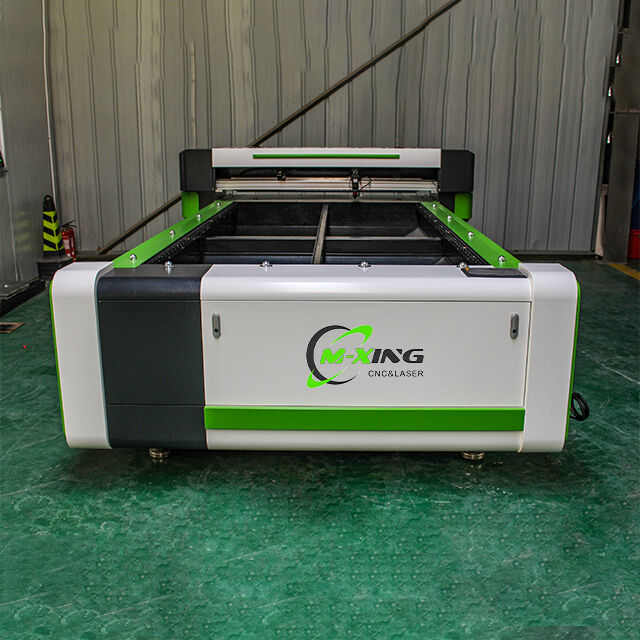
Le choix de la puissance nominale appropriée pour une machine à découper au laser CO2 constitue l'une des décisions les plus critiques lors de l'acquisition d'équipements industriels de fabrication. La puissance de sortie détermine directement les capacités de découpe, les épaisseurs maximales de matériaux traitables, la vitesse de traitement et l'efficacité opérationnelle globale. Comprendre comment les besoins en puissance s'alignent sur les exigences spécifiques de l'application, les types de matériaux et les volumes de production permet de sélectionner de façon optimale l'équipement, afin de maximiser le retour sur investissement tout en répondant précisément aux exigences manufacturières.
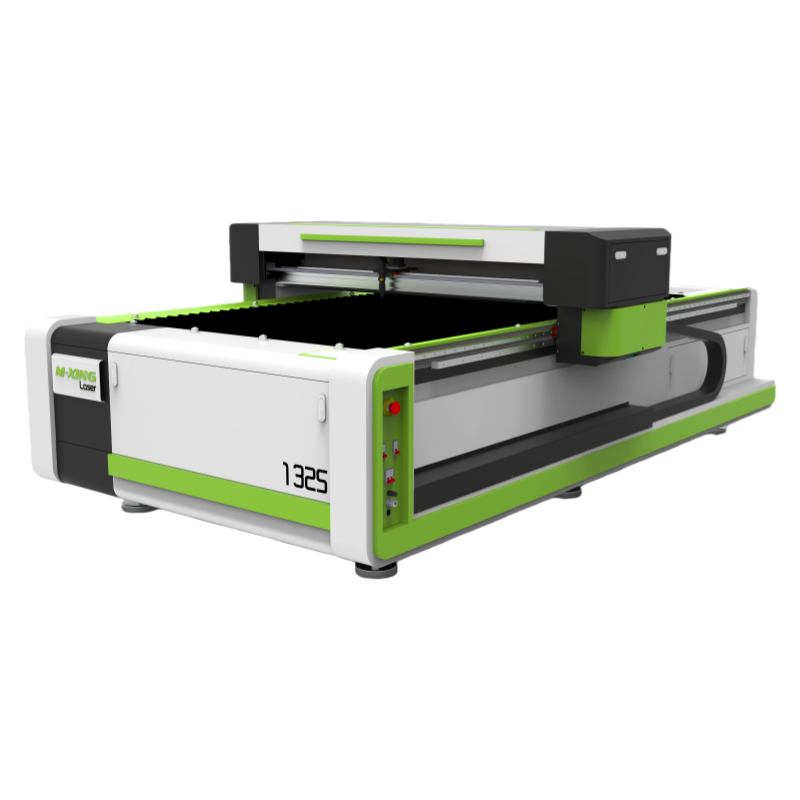
La sélection de la puissance pour les machines de découpe au laser CO2 nécessite une analyse approfondie de plusieurs facteurs techniques et opérationnels qui influencent directement les performances de découpe et la productivité. La relation entre la puissance du laser et les capacités de traitement des matériaux obéit à des principes physiques spécifiques : une puissance plus élevée en watts permet une pénétration plus profonde dans des matériaux plus épais, tout en préservant une qualité propre des bords. Toutefois, choisir une puissance excessive pour des applications légères peut entraîner des dépenses d’investissement inutiles, des coûts d’exploitation accrus et des problèmes de qualité potentiels, tels qu’une zone thermiquement affectée trop étendue ou une déformation du matériau.
Compréhension des besoins en puissance selon les matériaux
Recommandations relatives à la puissance pour les matériaux acryliques et plastiques
Les matériaux acryliques nécessitent généralement des niveaux de puissance modérés pour une découpe efficace, 40 à 80 watts étant suffisants pour des plaques d’une épaisseur allant jusqu’à 10 mm. Une machine de découpe laser CO₂ fonctionnant à 60 watts peut découper proprement de l’acrylique de 6 mm à des vitesses de 15 à 20 mm par minute, produisant des bords polis qui ne nécessitent souvent aucun traitement postérieur. Le critère essentiel lors de la découpe de l’acrylique consiste à maintenir une alimentation en puissance constante afin d’éviter la fusion ou des incohérences dans le polissage par flamme, qui pourraient nuire à la qualité des bords.
Pour les applications acryliques plus épaisses, telles que les panneaux architecturaux ou les composants d’affichage dépassant 15 mm d’épaisseur, il est recommandé d’utiliser des machines de découpe laser CO₂ dont la puissance nominale se situe entre 100 et 150 watts. Cette plage de puissance permet une pénétration plus profonde tout en conservant des vitesses de découpe adéquates pour répondre aux exigences de production commerciale. La relation entre l’épaisseur du matériau et la puissance requise suit une courbe exponentielle : doubler l’épaisseur nécessite typiquement 70 à 80 % de puissance supplémentaire, et non une augmentation linéaire.
Le polycarbonate et d'autres plastiques techniques présentent des exigences énergétiques uniques en raison de leurs propriétés thermiques et de leur tendance à s'échauffer pendant la découpe. Ces matériaux nécessitent souvent des réglages de puissance légèrement supérieurs à ceux utilisés pour des épaisseurs équivalentes d'acrylique, avec une attention particulière portée à l'optimisation de la vitesse de découpe afin d'éviter les fissures dues aux contraintes thermiques le long des bords découpés.
Considérations relatives à la puissance pour le traitement du bois et du MDF
Les applications de découpe du bois présentent des variations importantes des besoins en puissance selon la densité de l'essence, sa teneur en humidité et l'orientation du fil. Les essences résineuses, comme le pin ou le tilleul, peuvent être découpées efficacement à l'aide de systèmes de découpe laser CO₂ de 40 à 60 watts pour des épaisseurs allant jusqu'à 6 mm, tandis que les essences feuillues dures, telles que le chêne ou l'érable, peuvent nécessiter 80 à 120 watts pour des plages d'épaisseur similaires. La variation naturelle de la densité du bois rend difficile l'établissement de besoins en puissance constants, même au sein d'une même catégorie d'essence.
Les matériaux en panneaux de fibres de bois (MDF) et en contreplaqué présentent des besoins énergétiques plus prévisibles en raison de leur homogénéité industrielle, nécessitant généralement 60 à 100 watts pour des épaisseurs allant jusqu’à 12 mm. Toutefois, la teneur en adhésif de ces bois reconstitués peut poser des défis supplémentaires lors de la découpe, notamment une augmentation des besoins énergétiques et un risque d’accumulation d’adhésif sur les têtes de découpe. Une machine correctement spécifiée co2 laser cutting machine tient compte de ces variations de matériaux grâce à des réglages de puissance ajustables et à l’optimisation des paramètres de découpe.
Pour les applications sur bois épais, notamment dans le domaine de la menuiserie architecturale ou des composants de meubles, des machines à découper au laser CO₂ dotées d’une puissance comprise entre 150 et 300 watts peuvent être requises. Ces systèmes à puissance élevée permettent de découper des essences de bois durs jusqu’à 25 mm d’épaisseur, tout en conservant des vitesses de production raisonnables et une qualité de chant acceptable pour la plupart des applications.
Considérations sur le volume et la vitesse de production
Exigences énergétiques pour la fabrication à grande échelle
Les installations de production traitant de grands volumes de matériaux nécessitent des puissances nominales de machines de découpe au laser CO2 qui optimisent l’équilibre entre vitesse de découpe et efficacité opérationnelle. Les systèmes à puissance plus élevée permettent des vitesses de déplacement plus rapides, réduisant ainsi les temps de cycle et augmentant le débit dans les environnements de fabrication soumis à des contraintes temporelles. Un système de 150 watts peut généralement découper à des vitesses 40 à 60 % supérieures à celles d’un système équivalent de 100 watts lors du traitement de matériaux similaires, ce qui se traduit par des améliorations significatives de la productivité dans les applications à haut volume.
La relation entre la puissance et la vitesse de production devient particulièrement importante lors de l'analyse du coût total de possession. Bien que les systèmes de machines à découper au laser CO2 à plus forte puissance nécessitent un investissement initial plus élevé, la réduction du temps de traitement par pièce peut justifier ce surcoût grâce à une meilleure efficacité du travail et à des taux d’utilisation des équipements améliorés. Cette considération économique revêt une importance particulière pour les fabricants qui traitent en grandes quantités des pièces standardisées.
Les configurations de machines à découper au laser CO2 à plus forte puissance profitent considérablement aux opérations en plusieurs postes, grâce à des temps de préparation réduits et à une plus grande flexibilité de traitement. La capacité à maintenir des vitesses de découpe constantes sur des épaisseurs de matériaux variées limite l’intervention de l’opérateur et soutient des flux de production automatisés qui optimisent l’utilisation des équipements pendant des périodes de fonctionnement prolongées.
Considérations relatives aux prototypes et à la production de faible volume
Les environnements de développement de prototypes et de production à faible volume privilégient souvent la flexibilité plutôt que la vitesse maximale de découpe, ce qui rend les systèmes de machines à découper au laser CO₂ à puissance modérée plus rentables. Des plages de puissance comprises entre 60 et 120 watts offrent des capacités suffisantes pour la plupart des matériaux utilisés dans les prototypes, tout en maintenant des coûts d’équipement et des frais d’exploitation raisonnables. La polyvalence des systèmes à puissance intermédiaire permet de traiter divers types de matériaux sans la complexité opérationnelle associée aux installations à haute puissance.
Les ateliers de sous-traitance tirent profit de configurations de puissance des machines à découper au laser CO₂ qui couvrent la gamme la plus étendue possible de matériaux et d’épaisseurs, sans être surdimensionnées. Les systèmes dont la puissance se situe dans la fourchette de 100 à 150 watts offrent généralement une flexibilité optimale face à des exigences clients variées, tout en conservant des coûts d’exploitation compétitifs et un niveau d’investissement initial raisonnable.
Les applications éducatives et de recherche privilégient souvent des systèmes modérés de machines à découper au laser CO₂, en raison de leur bon équilibre entre performances et considérations de sécurité. Des puissances comprises entre 40 et 80 watts offrent des performances de découpe adéquates pour la plupart des matériaux pédagogiques, tout en permettant de maintenir des protocoles de sécurité maîtrisables et des exigences réduites en matière d’infrastructures (ventilation et alimentation électrique).
Analyse économique et optimisation du choix de puissance
Équilibre entre investissement initial et coûts d’exploitation
L’analyse économique du choix de puissance d’une machine à découper au laser CO₂ va au-delà du prix d’achat initial pour englober le coût total de possession sur l’ensemble du cycle de vie de l’équipement. Les systèmes à plus forte puissance présentent généralement un prix plus élevé, mais peuvent réduire le coût de traitement par pièce grâce à des vitesses de découpe accrues et à une diminution des besoins en main-d’œuvre. Cette relation économique varie considérablement selon le type d’applications, les volumes de production et les priorités opérationnelles propres à chaque environnement manufacturier.
Les schémas de consommation énergétique varient considérablement selon les différentes puissances nominales : les systèmes de machines à découper au laser CO₂ de forte puissance consomment proportionnellement plus d’électricité en fonctionnement. Toutefois, la vitesse de traitement accrue se traduit souvent par une consommation énergétique totale moindre par pièce, grâce à une réduction du temps de découpe requis. Cette relation revêt une importance particulière dans les régions où le coût de l’électricité est élevé ou dans les installations mettant en œuvre des initiatives d’efficacité énergétique.
Les coûts de maintenance influencent également le choix optimal de la puissance, car les systèmes de machines à découper au laser CO₂ de puissance supérieure peuvent nécessiter un remplacement plus fréquent des composants ainsi que des protocoles de maintenance plus sophistiqués. Les coûts de remplacement des tubes lasers, les dépenses liées aux consommables et les exigences en matière de maintenance préventive augmentent avec la puissance nominale et l’intensité de fonctionnement, ce qui affecte l’économie opérationnelle à long terme.
Extension future et planification des capacités
La sélection stratégique de la puissance pour l'achat d'une machine à découper au laser CO2 doit tenir compte de la croissance commerciale prévue et de l'évolution des exigences applicatives. Les installations qui prévoient de traiter des matériaux plus épais ou d'augmenter leurs volumes de production peuvent tirer avantage de la spécification initiale de systèmes à puissance plus élevée afin d'éviter le remplacement coûteux de l'équipement à mesure que les capacités s'accroissent. L'écart de coût entre les systèmes à puissance modérée et ceux à haute puissance justifie souvent l'investissement supplémentaire lorsque l'on prend en compte les besoins futurs.
L'évolution de la demande du marché et la modification des exigences des clients peuvent avoir un impact significatif sur les décisions optimales de sélection de puissance. Les fabricants qui desservent des secteurs présentant des exigences croissantes en matière d'épaisseur ou des matériaux émergents peuvent constater qu'une sélection conservatrice de puissance limite les opportunités commerciales futures. Une machine à découper au laser CO2 correctement spécifiée offre une flexibilité de traitement qui soutient le développement commercial tout en préservant l'efficacité opérationnelle.
Les considérations liées aux progrès technologiques influencent également la stratégie de sélection de la puissance, car les nouveaux systèmes de machines à découper au laser CO₂ offrent souvent une meilleure efficacité énergétique et des capacités de traitement supérieures à celles des générations précédentes. Le choix de niveaux de puissance compatibles avec les plateformes technologiques actuelles garantit la compatibilité avec les mises à niveau futures et les améliorations du système susceptibles d’être disponibles au cours du cycle de vie de l’équipement.
Spécifications techniques et optimisation des performances
Considérations relatives à la densité de puissance et à la qualité du faisceau
La relation entre la puissance de la machine à découper au laser CO₂ et la qualité du faisceau influence fortement les performances de découpe dans diverses applications et sur différents matériaux. Les systèmes à puissance plus élevée offrent souvent des caractéristiques supérieures de qualité de faisceau, notamment une répartition améliorée de la densité de puissance et une stabilité accrue du point focal, ce qui se traduit par des découpes plus nettes et des zones thermiquement affectées réduites. Ces améliorations de la qualité du faisceau revêtent une importance particulière pour les applications de précision nécessitant des tolérances dimensionnelles serrées ou une qualité exceptionnelle de finition des bords.
La conception du système de livraison du faisceau varie considérablement selon les différentes plages de puissance ; les configurations de machines à couper au laser CO₂ de forte puissance intègrent généralement des composants optiques et des éléments de conditionnement du faisceau plus sophistiqués. Ces systèmes optiques avancés permettent un meilleur contrôle de la puissance, une amélioration de la régularité de la coupe et une plus grande flexibilité de traitement sur divers types de matériaux et épaisseurs.
Les capacités de contrôle du point focal évoluent en fonction de la puissance délivrée, car les systèmes de machines à couper au laser CO₂ de forte puissance nécessitent un positionnement du point focal plus précis afin de maintenir une densité de puissance optimale au point de coupe. Les systèmes avancés de contrôle du point focal permettent un ajustement automatique en fonction de l’épaisseur des matériaux et des applications de découpe, ce qui améliore l’efficacité du traitement et réduit les interventions requises de l’opérateur.
Intégration du système de commande et gestion de la puissance
Les systèmes de commande modernes des machines à découper au laser CO2 offrent des fonctionnalités sophistiquées de gestion de la puissance, qui optimisent les paramètres de découpe en fonction des propriétés du matériau, de son épaisseur et de la qualité de coupe souhaitée. Ces systèmes de commande intégrés permettent un réglage en temps réel du niveau de puissance, ce qui facilite l’exécution de motifs de découpe complexes pouvant nécessiter des réglages de puissance variés au sein d’un même travail ou sur différentes zones de matériau.
L’intégration entre le contrôle de la puissance et les systèmes de mouvement revêt une importance croissante pour les applications de découpe complexes, qui exigent une coordination précise entre la sortie du laser et le déplacement de la machine. Les systèmes de machines à découper au laser CO2 à haute puissance intègrent souvent des capacités de synchronisation plus avancées, garantissant une distribution constante de la puissance tout au long des phases d’accélération et de décélération du fonctionnement de la machine.
Les systèmes de surveillance et de rétroaction du processus disponibles sur les plateformes avancées de machines à découper au laser CO₂ permettent une optimisation en temps réel de la puissance, en fonction des conditions de découpe et de la réaction du matériau. Ces systèmes peuvent ajuster automatiquement les niveaux de puissance afin de maintenir une qualité de coupe constante tout en maximisant l’efficacité du traitement, ce qui est particulièrement précieux dans les environnements de production automatisés nécessitant une supervision minimale par l’opérateur.
FAQ
Quelle puissance nominale est suffisante pour découper des plaques d’acrylique de 10 mm ?
Pour découper efficacement des plaques d’acrylique de 10 mm, une machine à découper au laser CO₂ d’une puissance de 80 à 100 watts est généralement suffisante. Cette plage de puissance permet des découpes nettes à des vitesses raisonnables, tout en préservant la qualité biseautée des bords exigée pour les applications en acrylique. Des puissances plus élevées peuvent accroître la vitesse de découpe, mais nécessitent une optimisation plus rigoureuse des paramètres afin d’éviter la surchauffe.
Comment le type de matériau influence-t-il les besoins en puissance des machines à découper au laser CO₂ ?
Le type de matériau influence considérablement les besoins en puissance : des matériaux denses, comme les bois durs, nécessitent 40 à 60 % plus de puissance que des matériaux plus tendres d’épaisseur équivalente. Les métaux exigent des niveaux de puissance nettement supérieurs à ceux des matériaux organiques, tandis que les matériaux présentant une forte conductivité thermique peuvent nécessiter une augmentation de la puissance afin de maintenir des performances de découpe constantes. Chaque catégorie de matériau comporte des exigences spécifiques en matière d’optimisation de la puissance pour obtenir des résultats optimaux.
Puis-je augmenter la puissance d’une machine à découper au laser CO₂ existante ?
Les mises à niveau de puissance des systèmes existants de machines à découper au laser CO₂ sont généralement limitées par les spécifications initiales de conception, notamment la capacité de l’alimentation électrique, l’adéquation du système de refroidissement et les caractéristiques nominales des composants optiques. Bien qu’il soit parfois possible de remplacer le tube laser par un modèle de puissance supérieure, une évaluation complète du système est indispensable afin de garantir que tous les composants peuvent supporter en toute sécurité et efficacité des niveaux de puissance accrus.
Quelles sont les différences de coûts d’exploitation entre les machines à découper au laser CO₂ à haute et à basse puissance ?
Les coûts d’exploitation varient considérablement selon le niveau de puissance : les systèmes de machines à découper au laser CO₂ à plus forte puissance consomment davantage d’électricité, mais permettent souvent de réduire le coût par pièce grâce à des vitesses de traitement accrues. Les coûts de maintenance, la fréquence de remplacement des consommables et les exigences en matière d’infrastructure augmentent également avec la puissance délivrée, ce qui rend indispensable une analyse complète des coûts pour prendre une décision optimale quant au choix de la puissance.
Table des matières
- Compréhension des besoins en puissance selon les matériaux
- Considérations sur le volume et la vitesse de production
- Analyse économique et optimisation du choix de puissance
- Spécifications techniques et optimisation des performances
-
FAQ
- Quelle puissance nominale est suffisante pour découper des plaques d’acrylique de 10 mm ?
- Comment le type de matériau influence-t-il les besoins en puissance des machines à découper au laser CO₂ ?
- Puis-je augmenter la puissance d’une machine à découper au laser CO₂ existante ?
- Quelles sont les différences de coûts d’exploitation entre les machines à découper au laser CO₂ à haute et à basse puissance ?