
 EN
EN
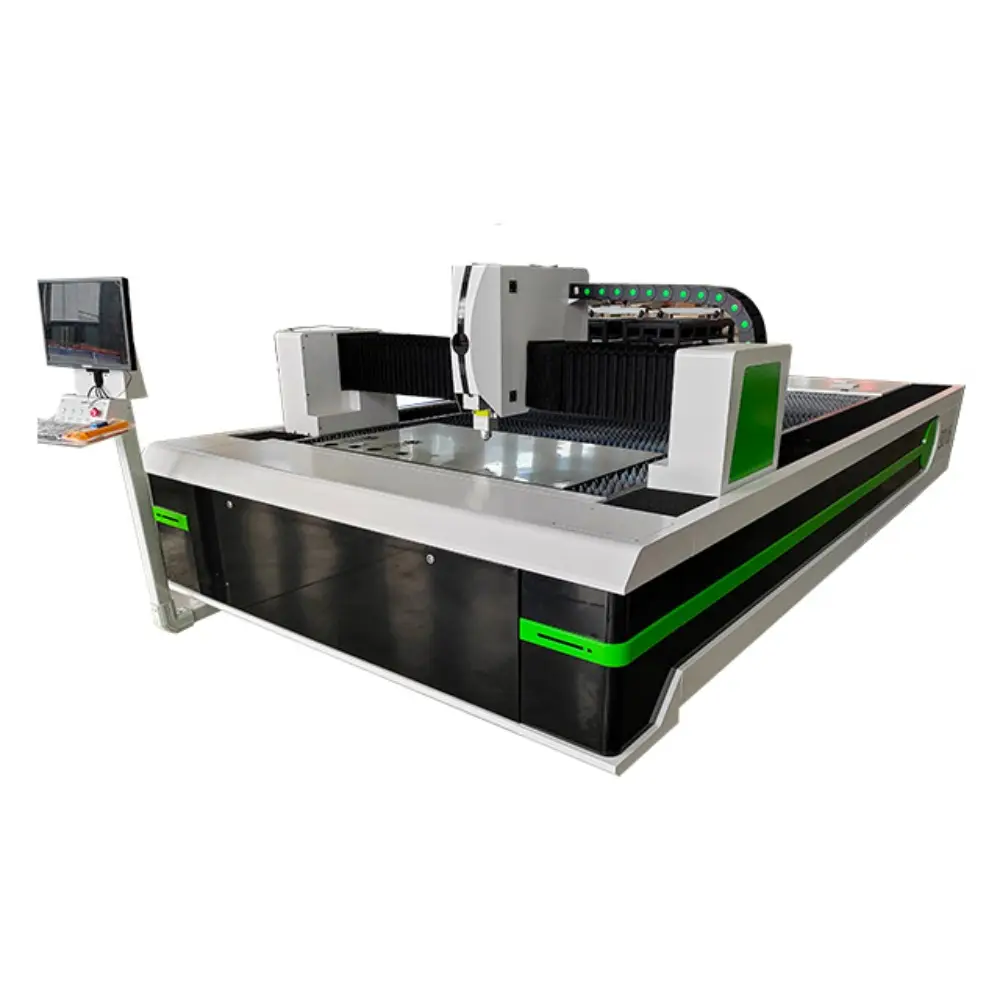
Modern manufacturing demands agility, precision, and the ability to pivot quickly between production demands. A small fiber laser cutter has emerged as a critical enabler for businesses seeking to maintain operational flexibility without compromising on cutting quality or speed. Whether you operate a job shop, serve custom markets, or need to scale production volumes rapidly, understanding how a small fiber laser cutter supports flexible manufacturing operations is essential to staying competitive.
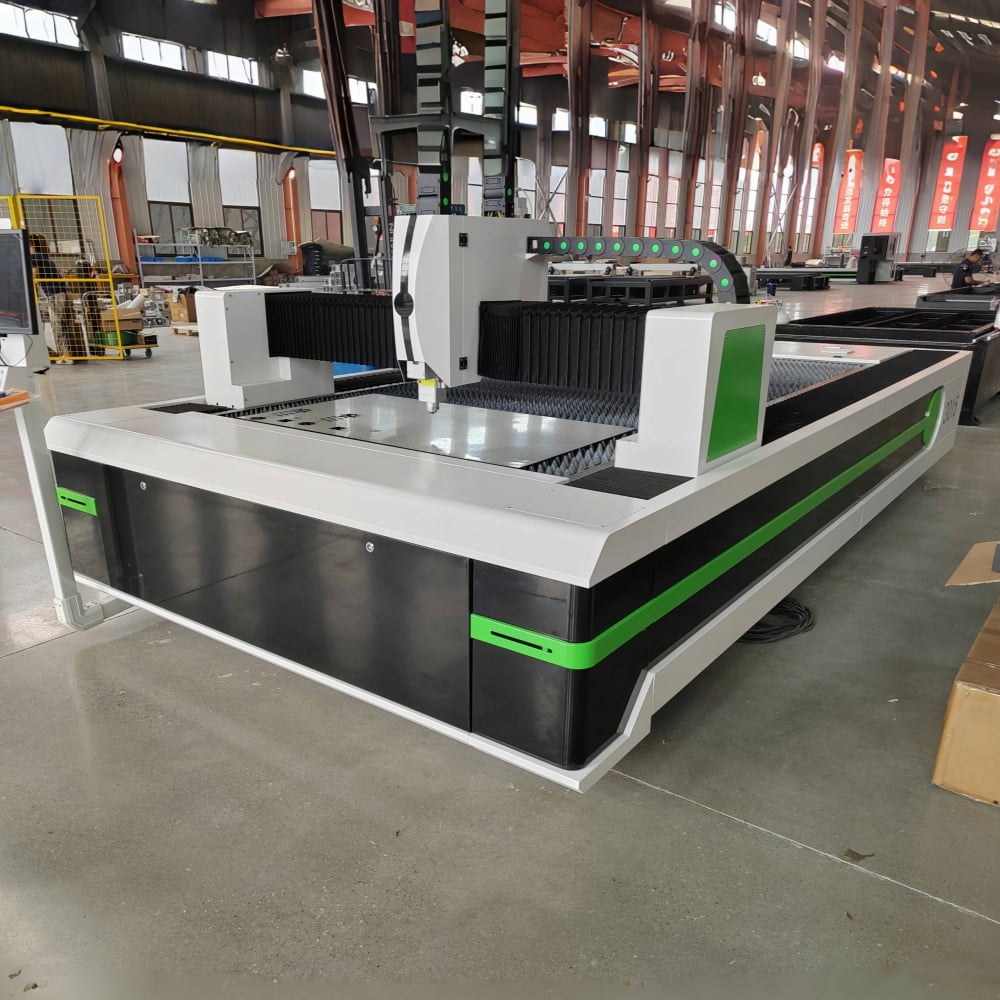
The answer is yes, and the reasons go far beyond simple cost savings. A small fiber laser cutter delivers the precision, speed, and operational flexibility that modern manufacturers need to respond to market changes, customer requests, and production variability. Unlike traditional cutting methods that require extensive tooling changes or require dedicated lines for specific materials, a small fiber laser cutter can transition between jobs, materials, and design specifications within minutes, making it an ideal investment for facilities operating under dynamic demand patterns.
How Small Fiber Laser Cutters Enable Production Flexibility
Rapid Job Transitions and Minimal Setup Time
One of the primary advantages of a small fiber laser cutter in flexible manufacturing is its ability to transition between different cutting tasks with virtually no setup delay. Traditional methods often require operator intervention, fixture changes, or tool recalibration that can consume hours of valuable production time. A small fiber laser cutter eliminates most of these barriers by using software-driven design files that can be loaded, adjusted, and executed in minutes. This capability is crucial for manufacturers handling customer orders with varying specifications or those managing multiple product lines on the same floor.
The digital nature of a small fiber laser cutter means design modifications are implemented instantly without physical retooling. When a customer requests a design change or when your production schedule shifts, a small fiber laser cutter adapts without stopping. This agility reduces downtime, accelerates order fulfillment, and allows your workforce to focus on higher-value tasks rather than manual machine adjustments. The operational rhythm becomes smoother, and throughput improves measurably.
Multi-Material Compatibility and Versatility
A small fiber laser cutter excels at handling diverse materials with exceptional precision. Metals such as stainless steel, mild steel, aluminum, and copper all cut efficiently under fiber laser technology. Beyond metals, a small fiber laser cutter can process anodized coatings, painted surfaces, and certain composite materials, expanding your manufacturing scope considerably. This versatility means a single piece of equipment can replace or supplement multiple specialized machines, freeing up floor space and capital.
For manufacturers operating in contract cutting, aerospace component fabrication, decorative metalwork, or custom signage production, this multi-material flexibility is transformative. A small fiber laser cutter allows you to bid on a wider range of projects without worrying about whether your equipment can handle the material. Your competitive advantage grows because you can offer more services from a single production station, improving utilization rates and reducing inventory complexity.
Scalability and Production Volume Management
Starting Small and Scaling Operations
One of the most practical advantages of a small fiber laser cutter for flexible manufacturing is its inherent scalability. Businesses can invest in a small fiber laser cutter to validate market demand, establish manufacturing proof of concept, or enter a new market segment with minimal capital risk. As orders grow and demand increases, facilities can add additional small fiber laser cutter units rather than purchasing one massive system, distributing production load and managing risk.
This modular approach to capacity building is particularly valuable for startup manufacturers or established companies entering new product categories. A small fiber laser cutter provides the speed and precision necessary to prove technical feasibility, but also the economic flexibility to grow incrementally. If market demand softens or your business pivots, you are not locked into inflexible, oversize capital equipment. Instead, your manufacturing infrastructure scales in step with actual business needs.
Meeting Peak Demand and Seasonal Production Cycles
Many manufacturers face seasonal demand swings or project-based volume spikes. A small fiber laser cutter can serve as additional capacity during peak periods, allowing existing equipment to remain focused on core production while the small fiber laser cutter handles overflow work. This approach prevents costly overtime, reduces outsourcing expenses, and keeps production in-house where you maintain quality control and intellectual property protection.
Additionally, because a small fiber laser cutter requires minimal floor space and setup, it can be positioned in secondary production areas or shared workshop spaces, making it easier to integrate into existing facilities without major renovation or infrastructure changes. This flexibility in placement reinforces the overall adaptability that flexible manufacturing demands.
Precision, Quality, and Consistent Output
Fiber Laser Technology and Cutting Accuracy
A small fiber laser cutter maintains exceptionally tight tolerances, typically delivering cuts within fractions of a millimeter. This precision is critical for industries where component fit, structural integrity, or aesthetic quality directly impacts end-product performance or customer satisfaction. The beam quality of fiber laser technology allows a small fiber laser cutter to produce clean, consistent edges with minimal thermal distortion, even on thin, delicate materials.
For manufacturers competing on quality, this consistency is a major differentiator. A small fiber laser cutter ensures that the first component cut matches the last component cut during a long production run, eliminating the need for secondary finishing or rework cycles. This reliability reduces scrap rates, improves first-pass yield, and ultimately lowers cost per unit, strengthening your flexible manufacturing advantage.
Integration with Digital Workflows
Modern manufacturing increasingly relies on integrated digital systems, and a small fiber laser cutter fits seamlessly into these ecosystems. Design files from CAD systems, laser design software, and enterprise manufacturing systems can feed directly into a small fiber laser cutter's controller, creating a streamlined workflow from concept to production. This integration supports traceability, reduces human error, and enables data-driven decision-making about production efficiency.
When a small fiber laser cutter is networked into your manufacturing operations system, production data is automatically captured, enabling real-time visibility into utilization, cycle times, and quality metrics. This transparency supports continuous improvement initiatives and helps identify opportunities to further optimize your flexible manufacturing operations.
FAQ
What materials can a small fiber laser cutter process effectively?
A small fiber laser cutter excels with metals including stainless steel, mild steel, aluminum, copper, brass, and titanium. It can also process anodized surfaces, painted metallic coatings, and certain composite materials. The versatility of a small fiber laser cutter makes it suitable across automotive, aerospace, electronics, signage, and decorative metalwork industries. Non-metallic materials like acrylic or fabric are better suited to CO2 lasers, so understanding your primary material stream is important when evaluating whether a small fiber laser cutter matches your needs.
How does a small fiber laser cutter improve production flexibility compared to traditional cutting methods?
A small fiber laser cutter transitions between jobs within minutes by loading new design files, whereas traditional methods like punching or waterjet cutting require physical tooling changes and extended setup. A small fiber laser cutter eliminates retooling time, allows design changes without equipment modifications, and handles multiple materials on the same platform. This digital, software-driven approach is what makes a small fiber laser cutter fundamentally more flexible for modern manufacturing environments where rapid iteration and diverse product portfolios are the norm.
Is a small fiber laser cutter suitable for contract manufacturing or job shop operations?
Yes, a small fiber laser cutter is particularly well-suited for contract manufacturing and job shops. The ability to bid on diverse projects, handle multiple materials, and transition quickly between customer specifications makes a small fiber laser cutter an asset for operations managing variable workloads. The precision and consistency of a small fiber laser cutter also support quality reputation building, helping contract manufacturers attract higher-value, more complex cutting assignments and justify premium pricing.
